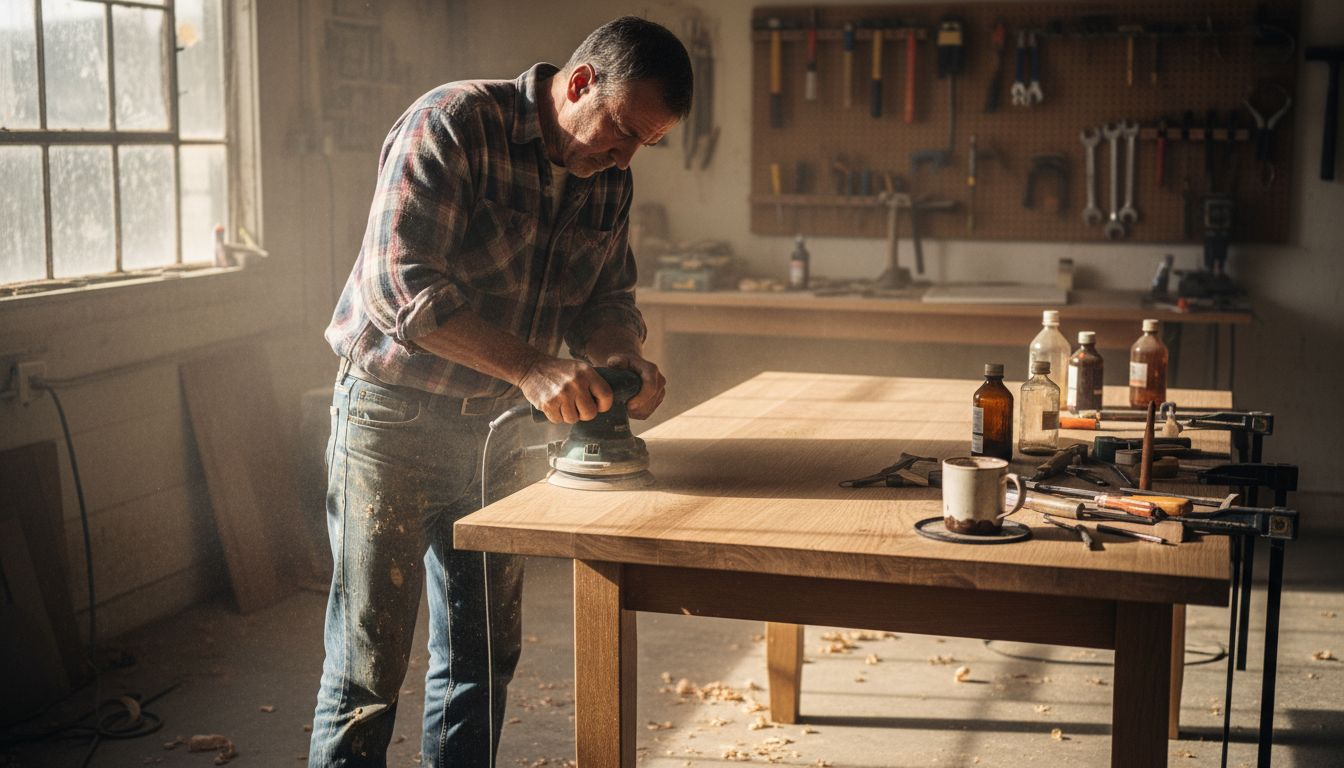
Too many handmade wood projects lose their beauty and strength because the final steps get overlooked. Finishing wood is more than a cosmetic touch—it is a vital process for protecting your hard work from moisture, sunlight, and everyday wear. By applying the right finish, you create a barrier that increases both durability and visual appeal, turning raw lumber into something truly lasting and stunning for your home. For beginners and seasoned DIY makers alike, mastering wood finishing ensures your creations stand the test of time.
Table of Contents
- What Finishing Wood Really Means
- Major Types of Wood Finishes Explained
- How Finishing Enhances Durability and Beauty
- Common Mistakes and What to Avoid
- Alternatives to Wood Finishing Methods
Key Takeaways
| Point | Details |
|---|---|
| Importance of Wood Finishing | Wood finishing protects and enhances wood, making it more durable and visually appealing. |
| Types of Wood Finishes | There are surface and penetrating finishes, each suited for different applications and environmental conditions. |
| Common Mistakes | Proper surface preparation and adherence to application techniques are crucial for achieving the best results. |
| Alternatives to Traditional Finishing | Innovative wood modification techniques can improve durability and sustainability beyond conventional finishes. |
What Finishing Wood Really Means
Woodworking isn’t just about cutting and assembling; it’s about protecting and enhancing your creation through wood finishing. Wood finishing processes represent a critical transformation that turns raw lumber into a durable, beautiful product ready for both functional and aesthetic purposes.
At its core, wood finishing involves applying protective coatings that serve multiple essential functions:
- Protecting wood surfaces from moisture damage
- Enhancing the wood’s natural color and grain
- Increasing resistance to environmental wear
- Creating a cleanable surface
- Preventing wood decay and degradation
Interior and exterior wood finishing have distinct objectives. For indoor projects, the focus typically centers on appearance and creating a smooth, easy-to-clean surface. Exterior wood finishing, by contrast, prioritizes robust protection against harsh weather conditions like intense sunlight, rain, and temperature fluctuations.
Professional woodworkers understand that selecting the right finish requires carefully considering several factors. These include the wood’s inherent properties, desired aesthetic outcome, expected environmental conditions, and the specific functional requirements of the project. Some woods absorb finishes differently, which means understanding your material’s unique characteristics becomes crucial for achieving optimal results.
Pro tip: Always test your chosen wood finish on a small, inconspicuous area first to ensure compatibility and desired appearance.
Major Types of Wood Finishes Explained
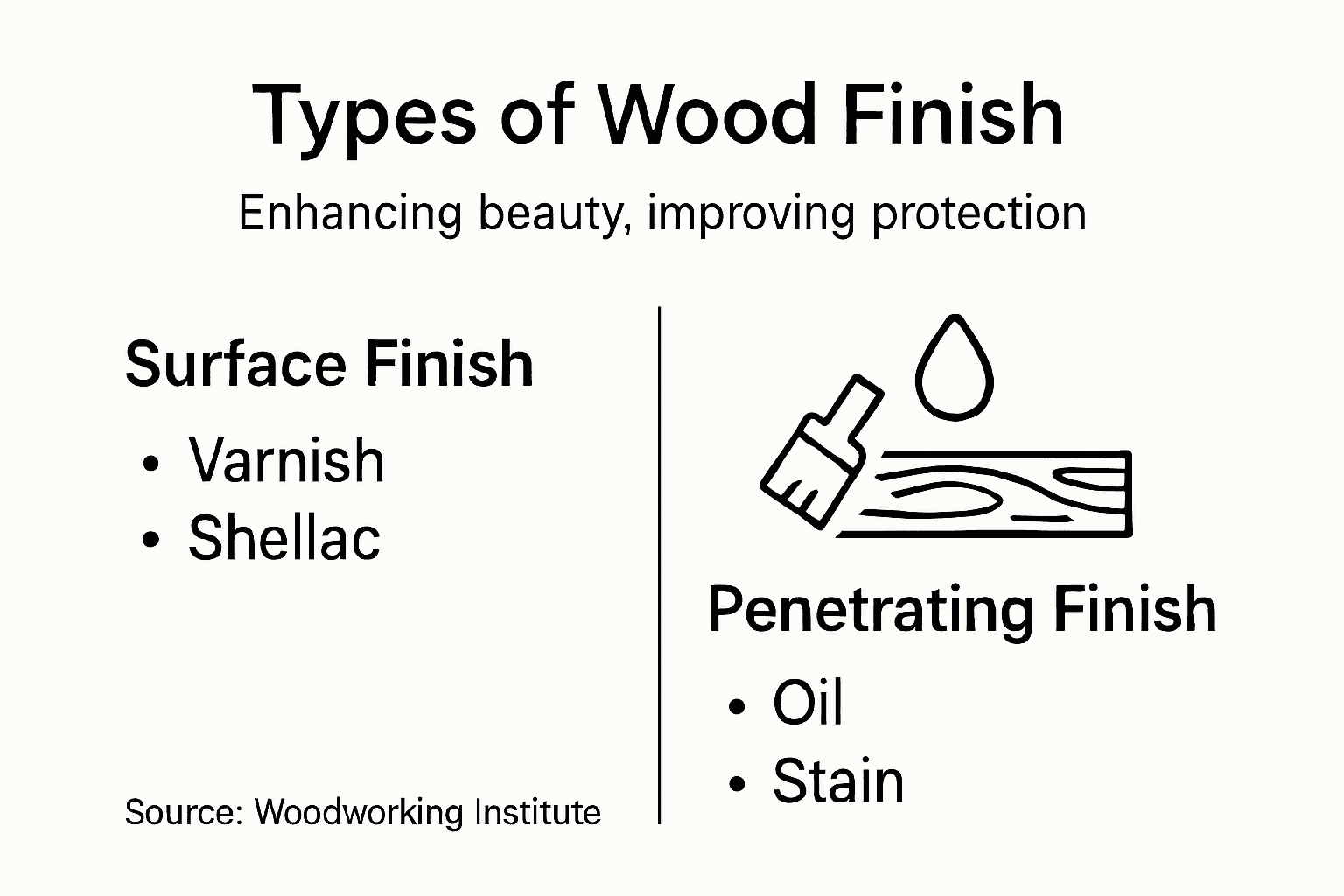
Understanding the landscape of wood finishes is crucial for achieving professional-quality results in your woodworking projects. Wood finish categories are broadly divided into two primary types: surface finishes and penetrating finishes, each offering unique characteristics and benefits.
Surface finishes create a protective layer on top of the wood, providing a range of performance characteristics:
- Water-based finishes: Quick-drying and low-odor
- Oil-based finishes: More durable and rich in appearance
- Moisture-cured finishes: Excellent moisture resistance
- Conversion varnishes: Industrial-grade durability
- UV-cured finishes: Fast-curing with exceptional hardness
Penetrating finishes, by contrast, soak directly into the wood’s pores, creating a protective barrier from within. Wood floor finishes demonstrate how these penetrating options like natural oils and hard wax oils can enhance wood’s inherent beauty while providing durable protection.
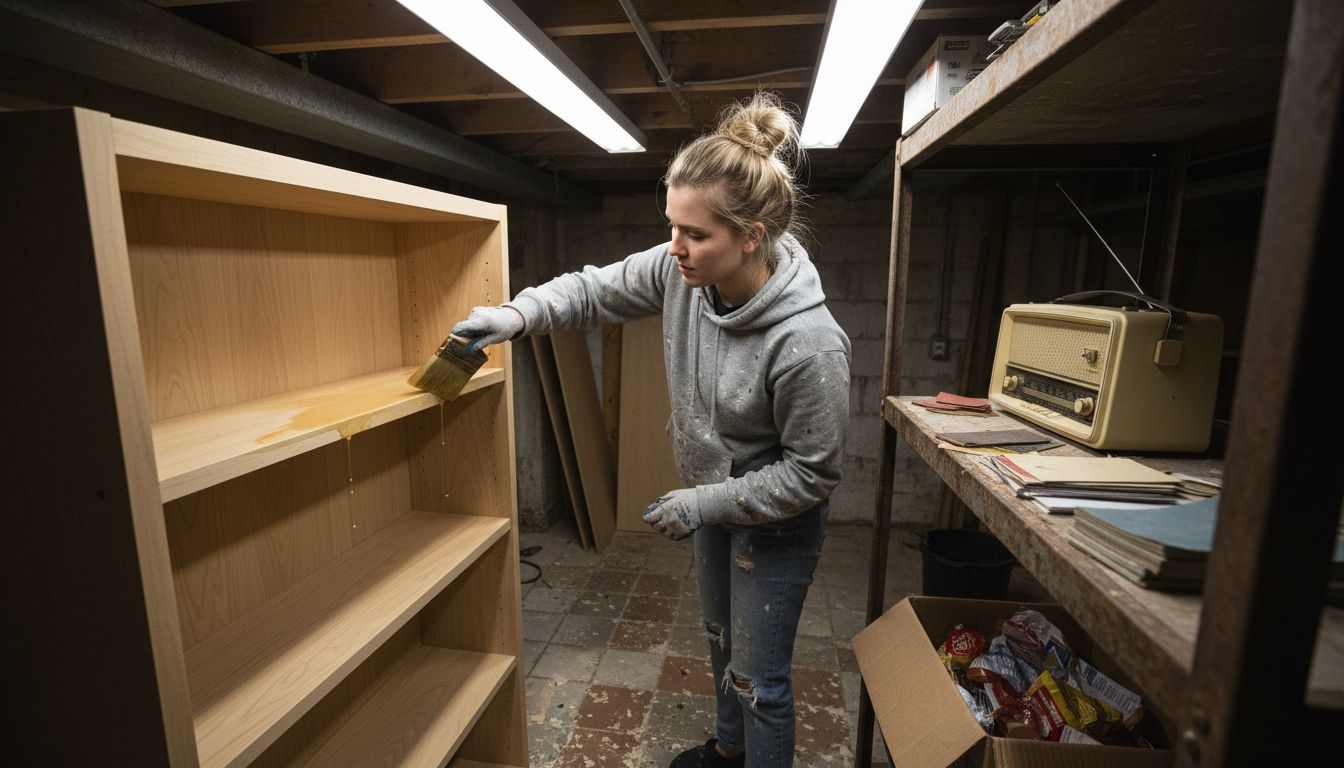
The selection of a wood finish depends on multiple factors, including the specific wood species, intended use, environmental conditions, and desired aesthetic outcome. Professional woodworkers carefully evaluate these variables to choose a finish that not only protects the wood but also complements its natural characteristics.
Here’s a comparison of primary wood finish types and their ideal applications:
| Finish Type | Best For | Main Advantage |
|---|---|---|
| Water-based Finish | Indoor furniture | Low odor, quick drying |
| Oil-based Finish | High-use interiors | Deep color, durable result |
| UV-cured Finish | Commercial floors | Rapid curing, high hardness |
| Penetrating Finish | Rustic woodwork | Natural look, easy repair |
Pro tip: Always match your wood finish to the project’s specific environment and expected wear conditions for optimal long-term performance.
How Finishing Enhances Durability and Beauty
Wood surface protection represents far more than a cosmetic enhancement – it’s a critical process that dramatically extends the lifespan and performance of wooden projects. By creating a robust barrier against environmental challenges, wood finishes transform raw lumber into resilient, aesthetically pleasing surfaces capable of withstanding significant wear and tear.
The protective benefits of wood finishing are comprehensive and multifaceted:
- Blocking moisture penetration
- Preventing ultraviolet light damage
- Resisting insect and fungal attacks
- Reducing surface cracking and warping
- Enhancing natural wood color and grain
- Creating easier-to-clean surfaces
Long-term wood durability research reveals that properly applied finishes can significantly slow down degradation processes. These protective layers act as a shield, mitigating environmental stressors like temperature fluctuations, humidity changes, and mechanical stress that would otherwise compromise wood’s structural integrity.
Professional woodworkers understand that finishing isn’t just about appearance – it’s a strategic intervention that preserves the wood’s mechanical properties and aesthetic qualities. By carefully selecting and applying the right finish, craftsmen can ensure their wooden creations remain beautiful and functional for decades, transforming ordinary wood into extraordinary, long-lasting masterpieces.
Pro tip: Select a finish that matches both your project’s aesthetic requirements and its expected environmental conditions for maximum protection and longevity.
Common Mistakes and What to Avoid
Wood finishing challenges can transform a promising project into a frustrating experience if woodworkers ignore critical preparation and application techniques. Understanding the most common pitfalls is the first step toward achieving professional-quality results that showcase both skill and attention to detail.
The most critical mistakes woodworkers frequently encounter include:
- Skipping thorough surface preparation
- Applying finishes in unsuitable environmental conditions
- Using incompatible finish types for specific wood species
- Neglecting proper sanding between finish coats
- Rushing the drying and curing process
- Ignoring manufacturer’s recommended application techniques
- Failing to wear appropriate safety equipment
Wood finishing systems reveal that many errors stem from underestimating the complexity of the finishing process. Professionals recognize that each wood species responds differently to finishes, requiring careful selection of products that complement the wood’s inherent characteristics and intended use.
Successful wood finishing demands patience, precision, and a deep understanding of materials. Woodworkers must approach each project with meticulous attention to detail, understanding that shortcuts inevitably lead to subpar results. Proper technique involves not just the application of the finish, but comprehensive preparation, careful selection of materials, and maintaining ideal environmental conditions throughout the process.
Pro tip: Always test your chosen finish on a small, inconspicuous wood sample that matches your project’s material to preview potential outcomes and avoid costly mistakes.
Alternatives to Wood Finishing Methods
Wood modification techniques are revolutionizing traditional approaches to protecting and enhancing wood surfaces. These innovative methods go beyond conventional surface coatings, offering sustainable solutions that fundamentally improve wood’s inherent properties and durability.
Several groundbreaking alternatives to traditional wood finishing include:
- Chemical Modification: Furfurylation and natural product impregnation
- Pressure Treatment: Preservative infusion for enhanced durability
- Heat Treatment: Thermal modification to alter wood properties
- Biological Treatments: Using natural compounds for protection
- Wood-Plastic Composites: Hybrid materials with superior resistance
Wood preservation methods offer comprehensive protection strategies that address multiple challenges simultaneously. These techniques focus on internal wood modification rather than surface-level treatments, providing longer-lasting solutions that can significantly extend a wood product’s service life while minimizing environmental impact.
The following table highlights major alternatives to traditional wood finishing and their key benefits:
| Alternative Method | Key Benefit | Example Use Case |
|---|---|---|
| Chemical Modification | Improved decay resistance | Outdoor decking |
| Pressure Treatment | Strong insect protection | Garden fences |
| Heat Treatment | Enhanced dimensional stability | Sauna interiors |
| Wood-Plastic Composite | Superior weather durability | Exterior cladding |
Professional woodworkers and materials scientists continue to explore cutting-edge alternatives that balance performance, sustainability, and cost-effectiveness. The future of wood protection lies in understanding and leveraging these advanced modification techniques, which offer more holistic approaches to preserving and enhancing wood’s natural qualities.
Pro tip: Research the specific environmental conditions and intended use of your wood project before selecting an alternative modification method to ensure optimal performance and longevity.
Protect Your Woodworking Projects with Confidence and Skill
Finishing wood is the critical step that transforms your handcrafted piece from simple lumber into a beautiful and durable masterpiece. If you are eager to protect your work against moisture, UV damage, and wear while enhancing the natural grain and color, then mastering the right finishing techniques is essential. Many woodworkers struggle with choosing the perfect finish or applying it correctly, but with the right guidance, you can avoid common mistakes and achieve lasting results.
Take your woodworking projects to the next level by exploring detailed plans, expert tips, and step-by-step tutorials available at Real Woodwork Plans. Whether you are creating striking indoor furniture or weather-resistant outdoor pieces, our resources will help you select finishes that perfectly match your wood type and environment. Start protecting and enhancing your handcrafted creations today by visiting Real Woodwork Plans and turning your woodworking dreams into durable realities.
Frequently Asked Questions
What is wood finishing, and why is it important?
Wood finishing involves applying protective coatings to wooden surfaces, enhancing their appearance and durability. It protects wood from moisture damage, enhances color and grain, and increases resistance to wear, thereby extending the lifespan of wooden projects.
What are the main types of wood finishes?
The two primary categories of wood finishes are surface finishes, which create a protective layer on top of the wood (such as water-based, oil-based, and UV-cured finishes), and penetrating finishes, which soak into the wood (like natural oils and hard wax oils) to enhance its natural beauty and provide protection.
How does finishing wood improve its durability?
Finishing wood creates a protective barrier that prevents moisture penetration, UV damage, and insect attacks. This shielding effect reduces the risk of cracking, warping, and degradation, significantly prolonging the wood’s service life.
What common mistakes should be avoided during the wood finishing process?
Common mistakes include skipping surface preparation, using incompatible finishes, neglecting proper sanding between coats, and rushing the drying process. Attention to detail and following manufacturer guidelines is crucial for achieving professional-quality results.
DIY projects:
DIY Wooden Coffee Table
DIY Shoe Rack
Recommended

“DIY woodworking enthusiast who started with zero experience and a YouTube tutorial.
I build simple, practical projects for my home and share free plans
so other beginners can skip the guesswork.If I can build it, you can too.”