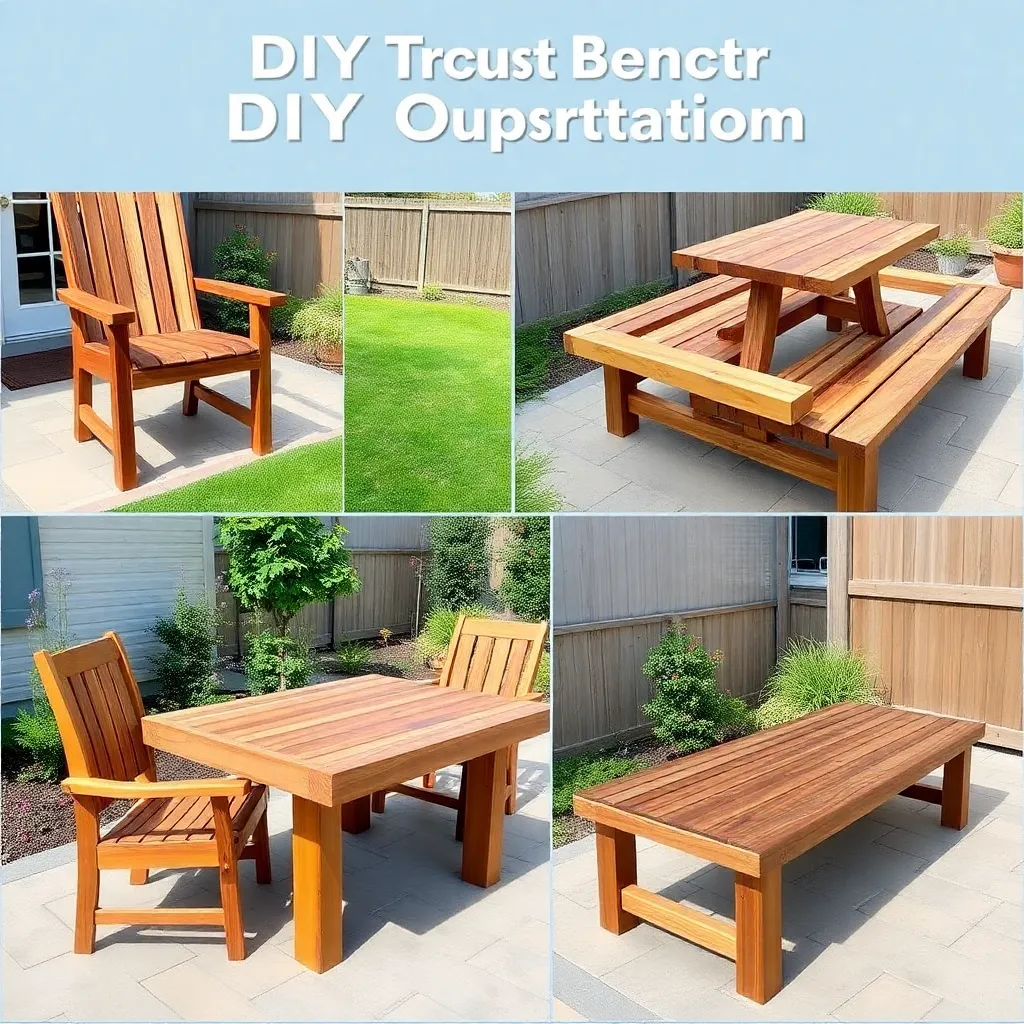
Pick wrong, and your weekend build turns to firewood in two seasons. Pick right, and it outlives your mortgage.
The best wood for outdoor furniture comes down to three enemies: moisture, rot, and UV. What fights them isn’t magic, it’s natural oils and density. High-oil species seal themselves against water. Dense species shrug off dents and decay. Everything else is a compromise you make on price or availability.
Here’s the whole field at a glance before we break each one down:
| Species | Janka (lbf) | Price ($/bf) | Lifespan | Where to buy | Best for |
|---|---|---|---|---|---|
| Western Red Cedar | 320-900 | $2.25-6 | 15-20 yrs (finished) | Big-box + lumber yards | Chairs, benches, planters |
| Pressure-Treated Pine | ~1,225 | $0.50-2 | 30-40 yrs (finished) | Every big-box | Structural, painted furniture |
| Teak | 1,070 | $20-100+ | 50+ yrs | Specialty/online only | Premium dining sets, statement pieces |
| White Oak | ~1,360 | $5-12 | 20-30+ yrs | Specialty dealers | Tables, benches, statement pieces |
| Redwood | ~450 | $2.25-10 | 15-25 yrs | Western US lumber yards | Benches, planters, pergolas |
| Ipe | 3,510 | $8-15 | 40-75 yrs | Online/specialty | Maximum-weather pieces, benches |
This list runs in order of accessibility, not raw performance. The best wood for outdoor furniture is the one you can actually buy and cut, so match the species to your local yard before you fall in love with a spec sheet. For project ideas once you’ve chosen, browse our outdoor furniture plans hub.
1. Western Red Cedar: The Best All-Around Choice for Most DIYers
Want 16,000+ step-by-step woodworking plans?
Ted’s Woodworking has plans for every skill level — from simple shelves to full bedroom sets. Each plan includes a cut list, material list, and detailed diagrams. Browse Ted’s plans →
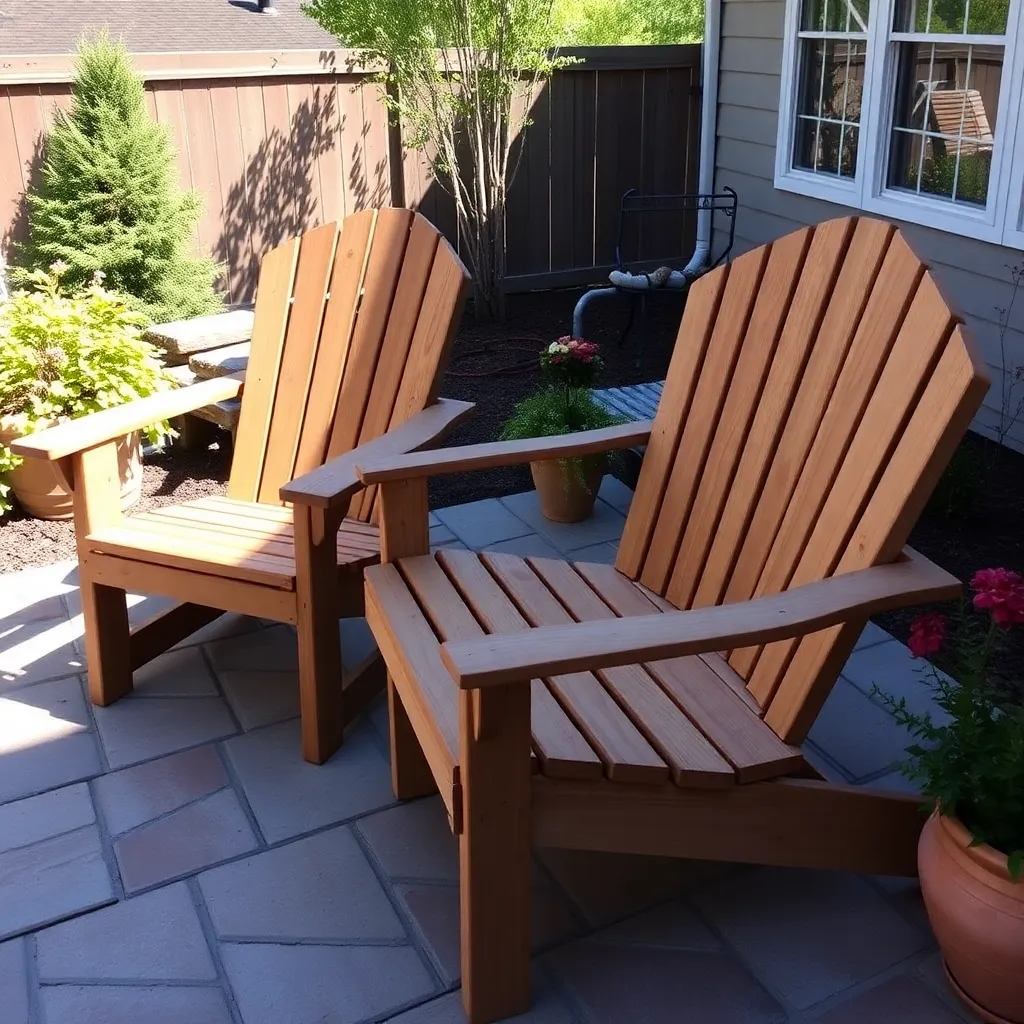
If you remember one wood from this list, make it cedar. It gets more weekend builds across the finish line than any other species, and for good reason.
Cedar runs a Janka hardness of 320-900 lbf and costs $2.25 to $6 per board foot at most lumber yards, including big-box stores. That combination of low price and easy sourcing makes it the default answer for outdoor seating.
The natural oils in cedar resist moisture and rot without any chemical treatment. It’s lightweight, cuts clean, and holds screws well. It stays dimensionally stable, so your joints don’t blow apart through wet-dry cycles.
The catch is softness. Cedar dents and scratches if you look at it wrong, which makes it a poor pick for a high-wear tabletop that takes plates, elbows, and dropped tools.
For finish, reach for a semi-transparent oil-based stain to hold the color. Or skip it and let the wood weather to a soft silver-gray, which many builders prefer.
Best for: Adirondack chairs, planters, benches, fences, most outdoor seating.
Skip if: you’re building a dining tabletop or anything that takes daily abuse.
2. Pressure-Treated Pine: The Budget King (If You Handle It Right)
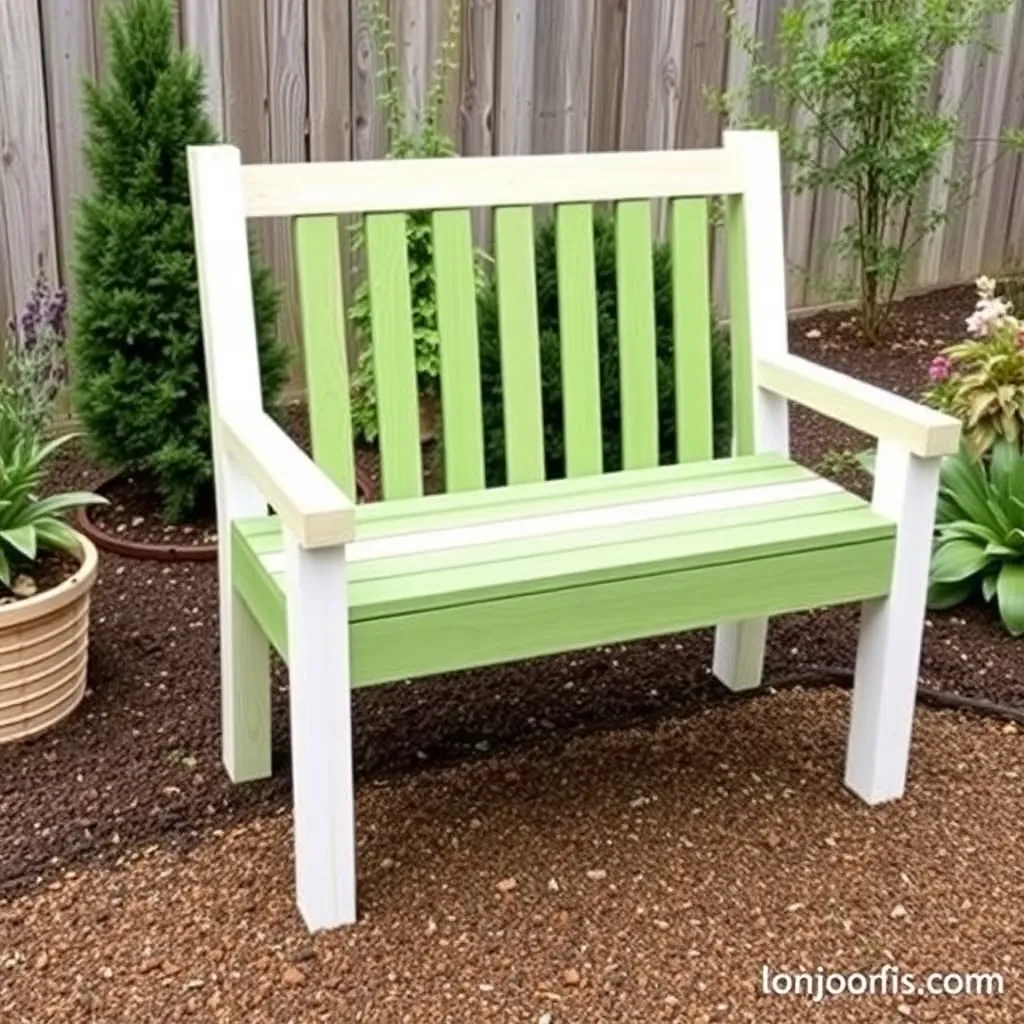
The wood everyone dismisses lasts 30 to 40 years for under $2 a board foot. Pressure-treated pine gets no respect, and that’s a mistake.
Southern yellow pine, the usual base, runs a Janka of roughly 1,225 lbf. Price sits between $0.50 and $2 per board foot. Nothing accessible touches that value.
Two fears keep people away, and both are outdated. First, safety: regulators banned the arsenic-based CCA treatment for residential use in 2004. Modern ACQ and CA treatments are safe once the wood is dry, so wash your hands after handling and don’t burn the scraps.
Second, warping: green (wet) treated lumber twists badly as it dries. The fix is simple. Buy KDAT (kiln-dried after treatment) if your store stocks it, or stack and air-dry standard boards for 6 to 8 weeks before building.
Handled right, this is the hardest and cheapest wood you can grab locally, and it’s chemically rot-proof and insect-proof for decades.
For finish, apply a semi-transparent exterior stain over a tannin-blocking primer to stop bleed-through.
The verdict: the smartest dollar-for-dollar choice for structural pieces, painted furniture, and anything hidden or sitting in high moisture. Just respect the drying time.
3. Teak: The Gold Standard You Pay a Premium For
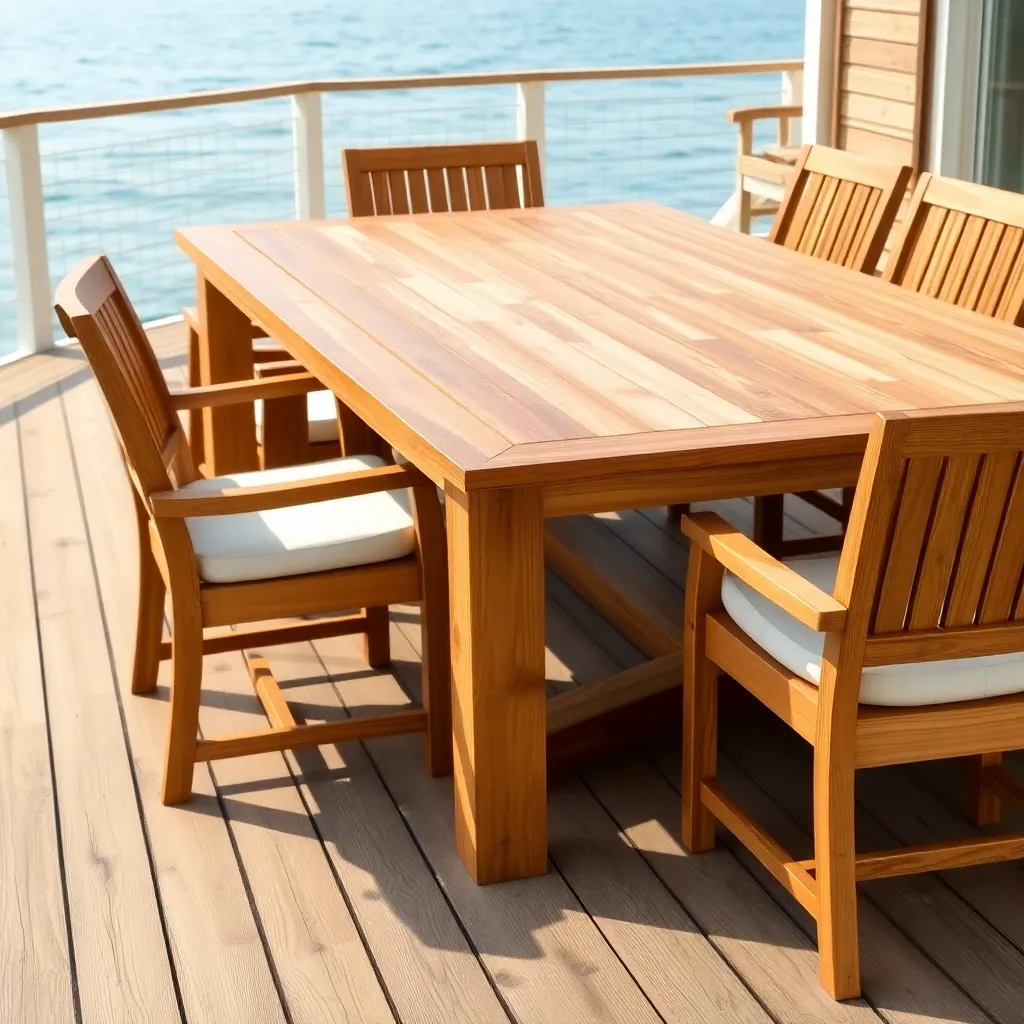
When people picture heirloom outdoor furniture, the kind that gets passed down, they’re picturing teak. It earned that reputation over centuries on ship decks.
Teak carries a Janka of 1,070 lbf and a price that makes your eyes water: $20 to over $100 per board foot. Plantation-grown runs $20 to $50, with first-quality (FEQ) around $35 and up.
The reason it’s worth the money is oil. Teak’s high natural oil content makes it self-sealing, so it laughs off moisture with zero treatment. Lifespan clears 50 years, it stays dimensionally stable, and it’s essentially maintenance-free.
The downsides are the price and the silica in the grain, which dulls blades fast. Use carbide tooling and plan to sharpen more often.
For finish, apply a penetrating teak oil to hold the honey color, or leave it bare and let it weather to silver-gray like every teak bench outside a boathouse.
Teak is not a big-box wood. You’ll find it at specialty hardwood dealers or online. Buy FSC-certified or plantation stock for sustainability, and don’t sleep on secondhand teak, which is often a steal.
Quick comparison: cedar costs less up front, but spread teak’s 50-year life across the price and the cost-per-year gap narrows more than you’d think.
4. White Oak: The Hardwood Sleeper That Beats Red Oak Outdoors
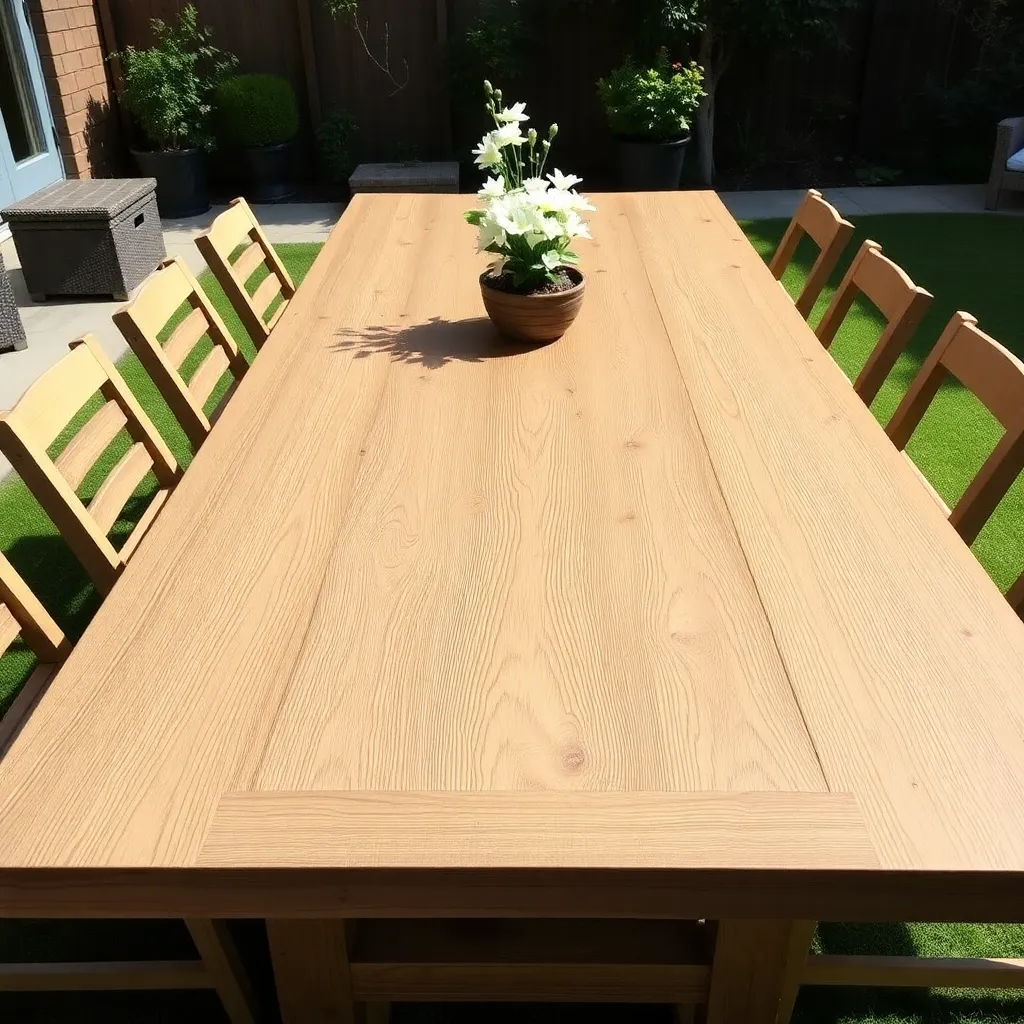
White oak and red oak look nearly identical on the shelf. Only one survives a rainstorm, and picking the wrong one outdoors is a rookie mistake that rots fast.
White oak runs a Janka of about 1,360 lbf and costs $5 to $12 per board foot at specialty lumber yards. It’s a genuine hardwood at a reasonable price.
Its secret is tylosis. White oak’s pores are plugged with crystalline cell structures that physically block water from wicking in, which makes it naturally rot resistant. It’s also very strong with a beautiful, tight grain.
The tradeoffs: it’s heavy and harder to work than any softwood on this list. And it’s easily confused with red oak, which has open pores that soak up water and rot outdoors within a couple of seasons.
To tell them apart, check the end grain. White oak shows closed, plugged pores; red oak looks like a bundle of open straws. Or buy from a specialty hardwood yard where the labeling is trustworthy.
For finish, use a penetrating oil or a semi-transparent stain to feed the grain.
Direct recommendation: if you want a dining table or bench that takes real abuse and still looks like furniture, white oak is the accessible hardwood to buy.
5. Redwood: Beautiful and Stable, But Getting Harder to Find
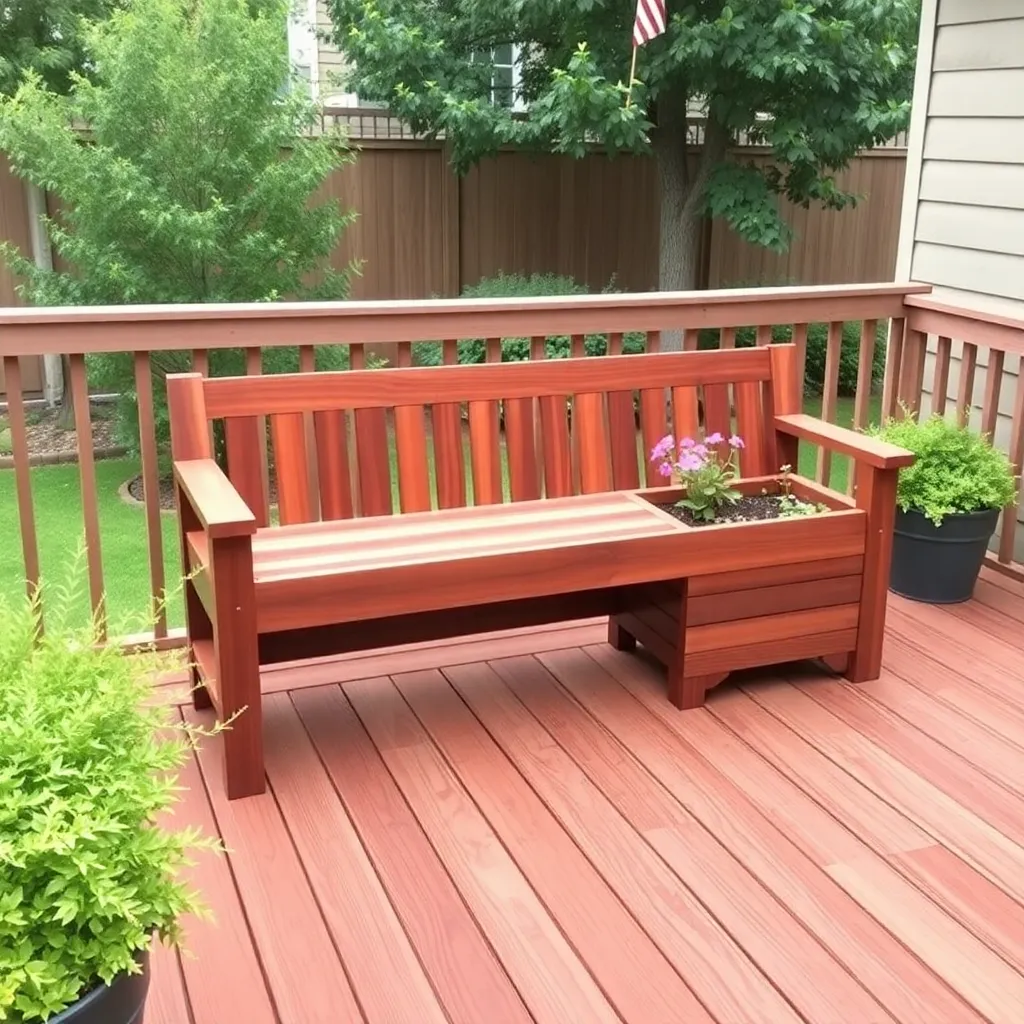
On the West Coast, redwood sits in every lumber yard as a backyard classic. Everywhere else, it’s a special order with a shipping bill to match.
Redwood runs a soft Janka of about 450 lbf and costs $2.25 to $10 per board foot depending on where you stand in the country.
Its strengths are stability and looks. Redwood resists shrinking and warping better than most softwoods, carries a gorgeous natural color, and stays light and easy to work.
The weaknesses mirror cedar. It’s soft and dents easily, and outside the western US it’s increasingly scarce and pricey as old-growth supply dries up.
For finish, use a semi-transparent oil-based stain to lock the color, or let it weather to gray.
Best for: benches, planters, pergolas, and decorative pieces, especially if you live in a western state where it’s cheap and local.
Skip if: you’re east of the Rockies and paying premium freight for what cedar does nearly as well.
6. Ipe: Nearly Indestructible, If You Can Cut It
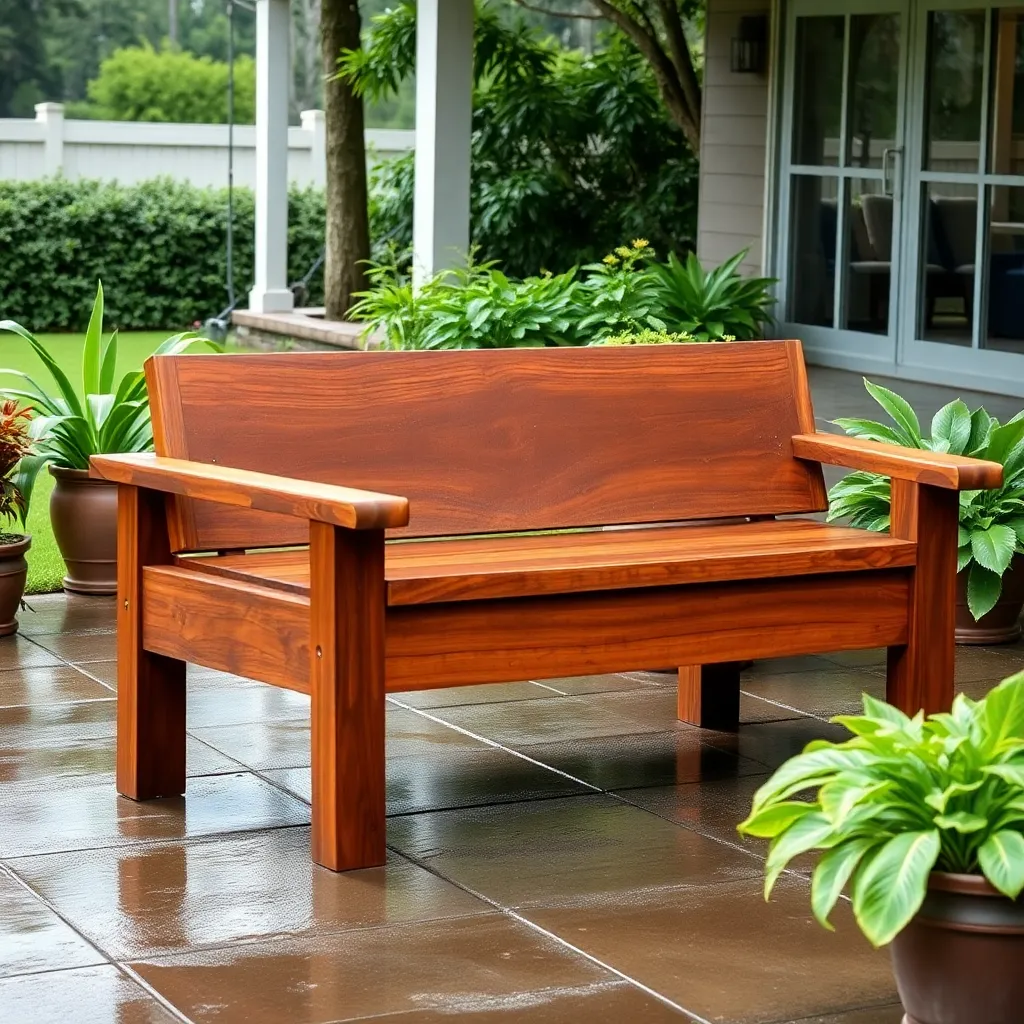
Ipe is so dense it sinks in water and chews through a cheap saw blade before lunch. Build with it when you want something that outlives you.
Ipe posts a Janka of 3,510 lbf, one of the hardest woods on earth. Price runs $8 to $15 per board foot, reasonable for what you get.
Lifespan hits 40 to 75 years. It’s immune to rot and insects, and its sheer density means nothing short of fire really threatens it.
The problem is working it. That density and silica content dull blades fast, so carbide tooling is mandatory. Pre-drill every single fastener hole, because ipe splits rather than accepts a screw driven cold.
For finish, use a dedicated ipe oil. Conventional film finishes can’t grip the oily, dense surface and peel off in sheets.
Availability is online or specialty only. Choose FSC-certified stock, since illegal logging is a real problem with this species.
The verdict: for benches, tabletops, and anything facing punishing weather, ipe is nearly unbeatable. Just budget for carbide blades and patience.
Want 16,000+ step-by-step woodworking plans?
Ted’s Woodworking has plans for every skill level — from simple shelves to full bedroom sets. Each plan includes a cut list, material list, and detailed diagrams. Browse Ted’s plans →
Frequently Asked Questions
Teak vs cedar: which is better for outdoor furniture?
Teak is the better wood, but cedar is the better value for most people. Teak lasts 50-plus years, needs almost no maintenance, and costs $20 to $100 per board foot. Cedar lasts 15 to 20 years finished and costs $2.25 to $6. Unless you want an heirloom piece, cedar wins on cost per project.
Is pressure-treated wood safe for outdoor furniture?
Yes. Regulators banned the old arsenic-based CCA treatment for residential use in 2004. Today’s ACQ and CA treatments are safe once the wood dries. Avoid raw skin contact with wet lumber, wash your hands after handling, and never burn the offcuts. Let boards cure before you build, and it’s a solid, safe choice.
What is the most weather-resistant wood for furniture?
Ipe and teak top the list. Ipe posts a Janka of 3,510 lbf with a 40-to-75-year lifespan, and teak self-seals with natural oils for 50-plus years. White oak and cedar are the strong accessible runners-up, blocking water through tylosis cells and natural oils respectively. For extreme exposure, choose ipe or teak.
What is the cheapest wood that lasts outdoors?
Pressure-treated pine, hands down. At $0.50 to $2 per board foot it’s the cheapest lumber you can buy, and treated stock lasts 30 to 40 years when finished. It’s chemically rot-proof and insect-proof. Just buy kiln-dried-after-treatment boards or air-dry green ones for 6 to 8 weeks to prevent warping.
Do I need to seal outdoor wood furniture?
Not always. Naturally oily woods like teak, cedar, and ipe can weather unfinished to a silver-gray and survive fine. A penetrating oil or semi-transparent stain extends the color and adds a little life. Film finishes last longest but require full stripping to reapply, so most builders skip them outdoors.

“DIY woodworking enthusiast who started with zero experience and a YouTube tutorial.
I build simple, practical projects for my home and share free plans
so other beginners can skip the guesswork.If I can build it, you can too.”