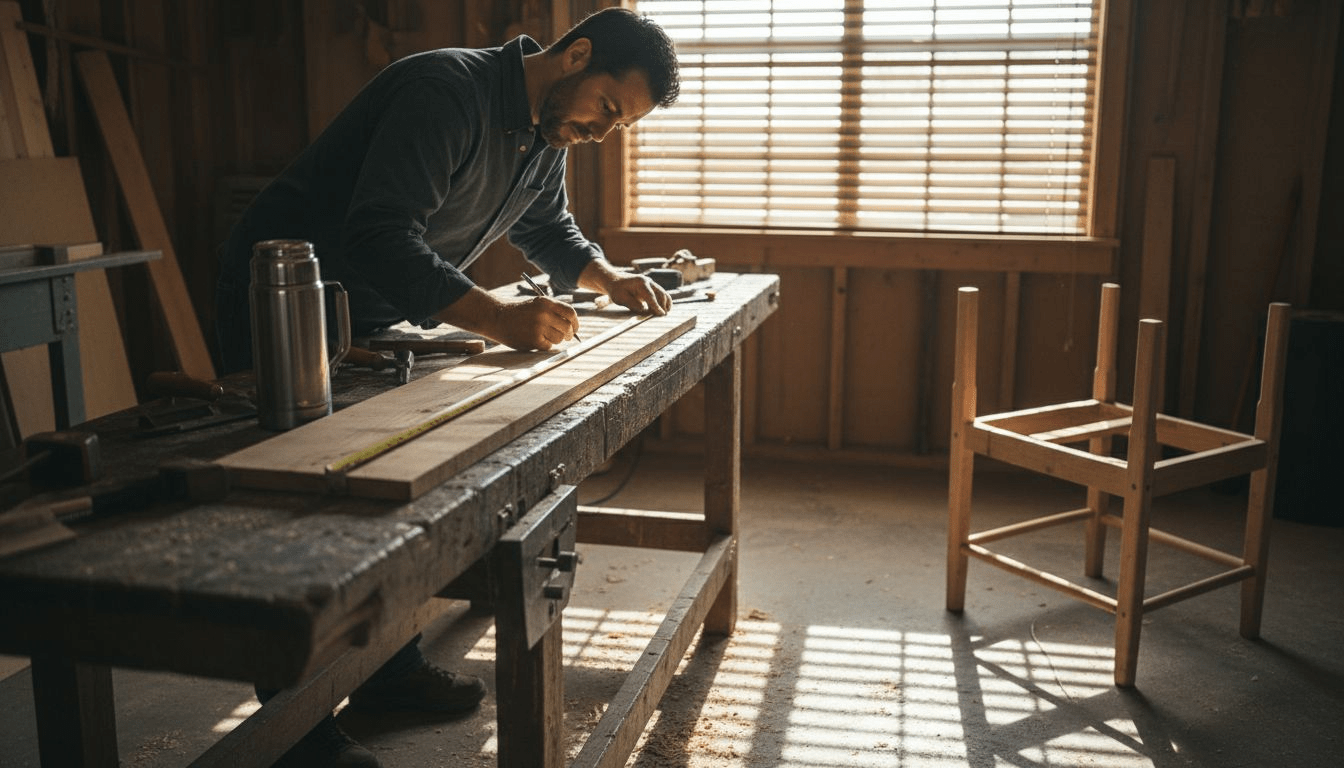
DIY tool sales are up 15 to 20 percent, 65 percent of millennials say they are into home improvement, and the global wood furniture market hits $269.9 billion in 2026 while still growing at a 4.6 percent CAGR. Everyone is building. That is the catch: when the whole neighborhood is cutting plywood, generic projects blend into the background while trend-aware builds add real style and resale value.
The woodworking trends 2026 worth your time are not fads to chase. They signal what buyers, dinner guests, and your own future self will still like in five years. Get them right and a $200 slab looks like a $2,000 piece. Get them wrong and a solid build ages the second someone walks in.
This guide gives you 10 trends with real cost and time data, not vague vibes. You get dimensions, dollar figures, species, and finish rules you can act on. You also get an honest “what’s OUT” list most guides skip, covering the gray walls, shiplap, and glossy finishes quietly dating your projects right now.
Start at the top of the list and work down.
1. Epoxy River Tables: The Statement Build of 2026
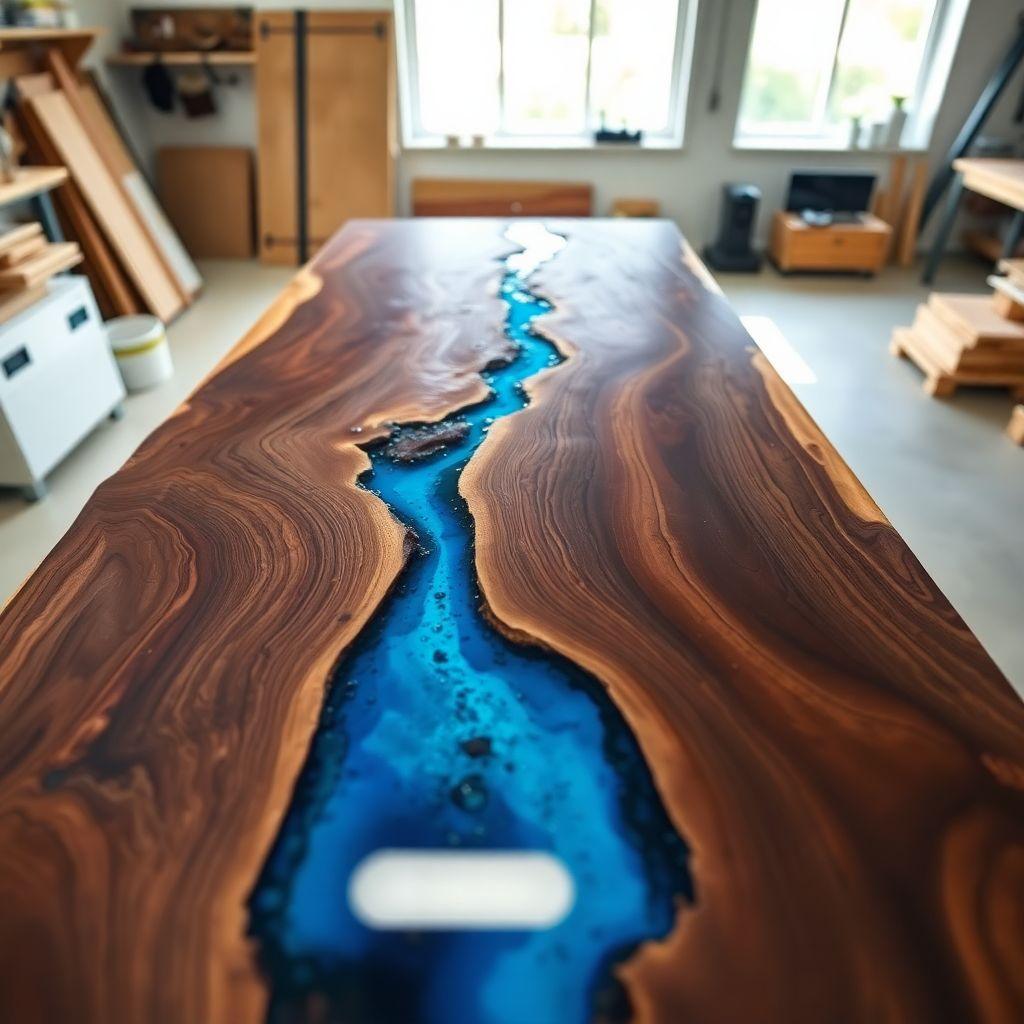
A single epoxy river table sells for $5,000 to $30,000 or more from a pro shop. A Claro walnut 8-foot dining table can run $20,000 to $25,000. You can build a comparable one at home for around $2,000.
Here is the cost breakdown. A live edge slab runs $400 to $1,200. Epoxy resin costs roughly $80 per gallon, and a deep “river” pour needs 20 to 30-plus gallons, which pushes resin alone toward $1,200. Add pigment, a mold, and finish, and you land near $2,000 total.
Walnut dominates this build. Around 80 percent of river tables use it because the dark grain frames a translucent pour beautifully. The 2026 design directions are black resin rivers, blue translucent multi-layer pours, metallic pigments in copper, gold, and pearl, and olive wood slabs for figure.
One technical rule is non-negotiable: your wood must sit at 6 to 10 percent moisture content before you pour. Too wet and the epoxy delaminates or clouds. A moisture meter costs $30 and saves you a $500 slab.
Respect the cure. Deep pours generate heat and must go in layers, so a full river table cures over several days, not one afternoon. Rush it and you get cracks, bubbles, and yellowing.
Best for intermediate builders with a dust-free space and patience for multi-day cures. Skip it if you need the table finished this weekend or cannot verify your slab’s moisture first.
2. Japandi and Slatted Wood: Calm, Curved, and Everywhere
One finish instantly ruins a Japandi build, and it is the one most beginners reach for first.
Japandi blends Japanese minimalism with Scandinavian warmth. Think curved silhouettes, low profiles, fluted or slatted detailing, and visible wabi-sabi imperfection instead of factory perfection. The look is calm, tactile, and quiet.
The rule that trips people up: use a matte hardwax oil finish only, never gloss. A shiny topcoat kills the soft, natural feel the whole style depends on.
White oak is the most authentically Japandi species. The 2026 evolution embraces smoked oak and walnut for a moodier “dark Japandi” palette. White oak runs $5.75 to $9.35 per board foot, and premium slabs range from $750 to $3,250 or more.
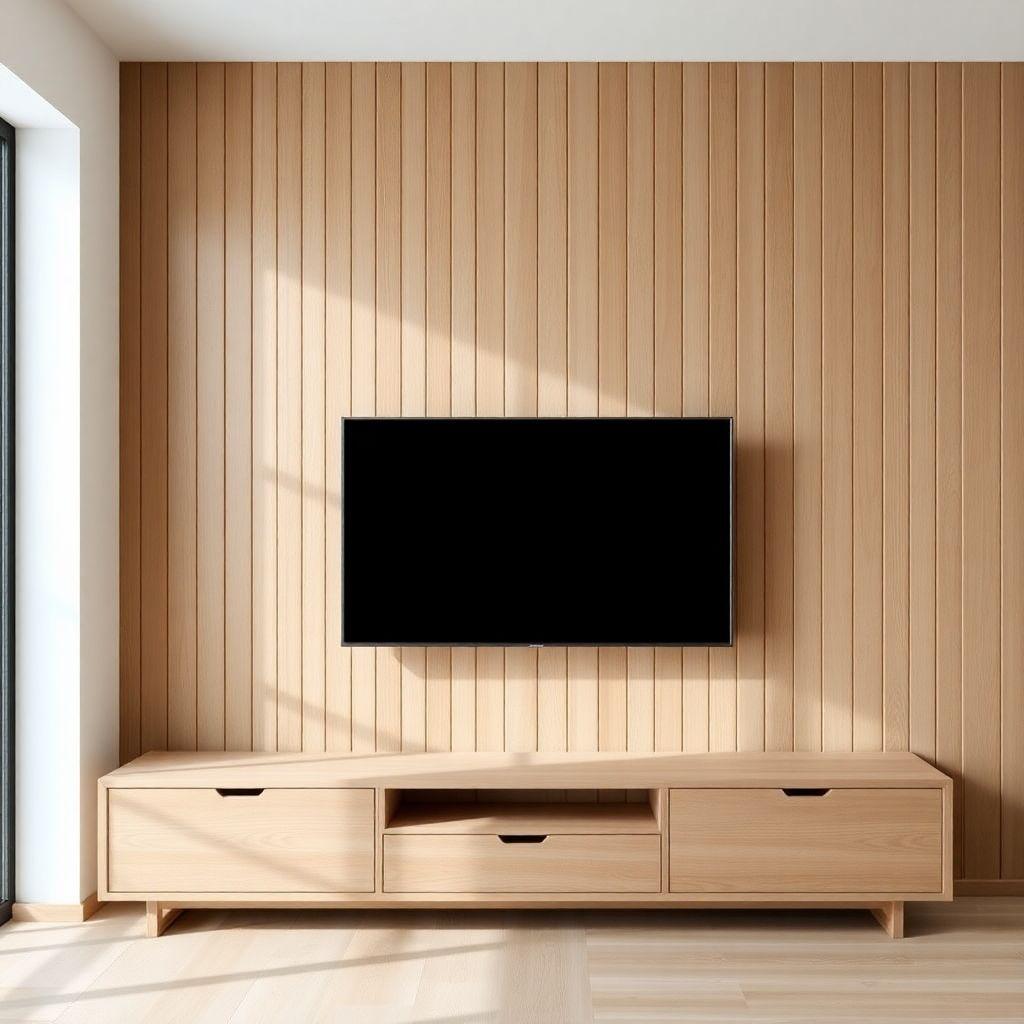
The most popular DIY Japandi projects are slatted TV walls and low media consoles. Fluted and slatted detailing is beginner-friendly with a table saw or pre-milled slats, so you do not need advanced joinery to nail the look. If you are new to the craft, work through our beginner project guide before tackling a full slatted wall.
For the 2026 look on a budget, start with a single slatted accent panel behind the TV in white oak, finished only in matte hardwax oil.
3. Live Edge Slabs: No Longer Just for Luxury Shops
You priced a live edge console at a boutique, saw the four-figure tag, and closed the tab. Most of that markup is labor you can do yourself.
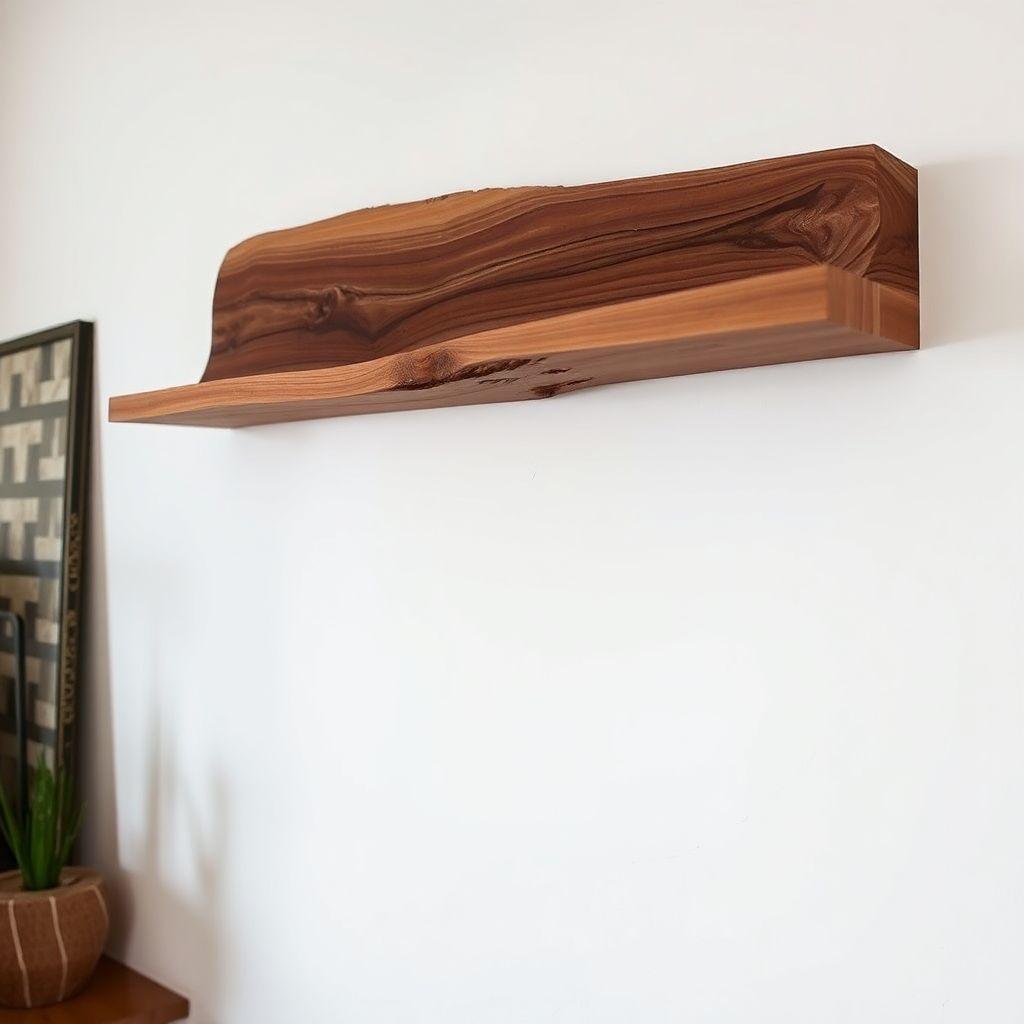
Live edge stays dominant in 2026 because it delivers organic, biophilic warmth that mass-produced furniture cannot fake. The smart DIY move is starting small. Build a floating live edge shelf, a bench, or a small side table before you commit to a full dining slab.
Sourcing is where you save. Local sawmills and slab yards beat retail every time. Common species run $3 to $10 per board foot, walnut runs $10 to $30 and is rising 8 to 15 percent a year, and white oak premium slabs land at $750 to $3,250 or more. If walnut is the goal, buy sooner rather than later.
Vendors like Lancaster Live Edge, Hearne Hardwoods, and Irion Lumber carry stable, kiln-dried stock. Many will flatten a slab for around $95 per hour if you lack a large planer or router sled.
The same moisture rule from river tables applies: buy kiln-dried, 6 to 10 percent moisture stock only. Pair it with a matte or hardwax oil finish to ride the same 2026 finish trend.
Compared to a full epoxy river table, a live edge shelf costs a fraction and takes an afternoon. It is the fastest way to get the trend into your home this month.
4. Reclaimed and Barnwood Accent Walls: Shiplap’s Replacement
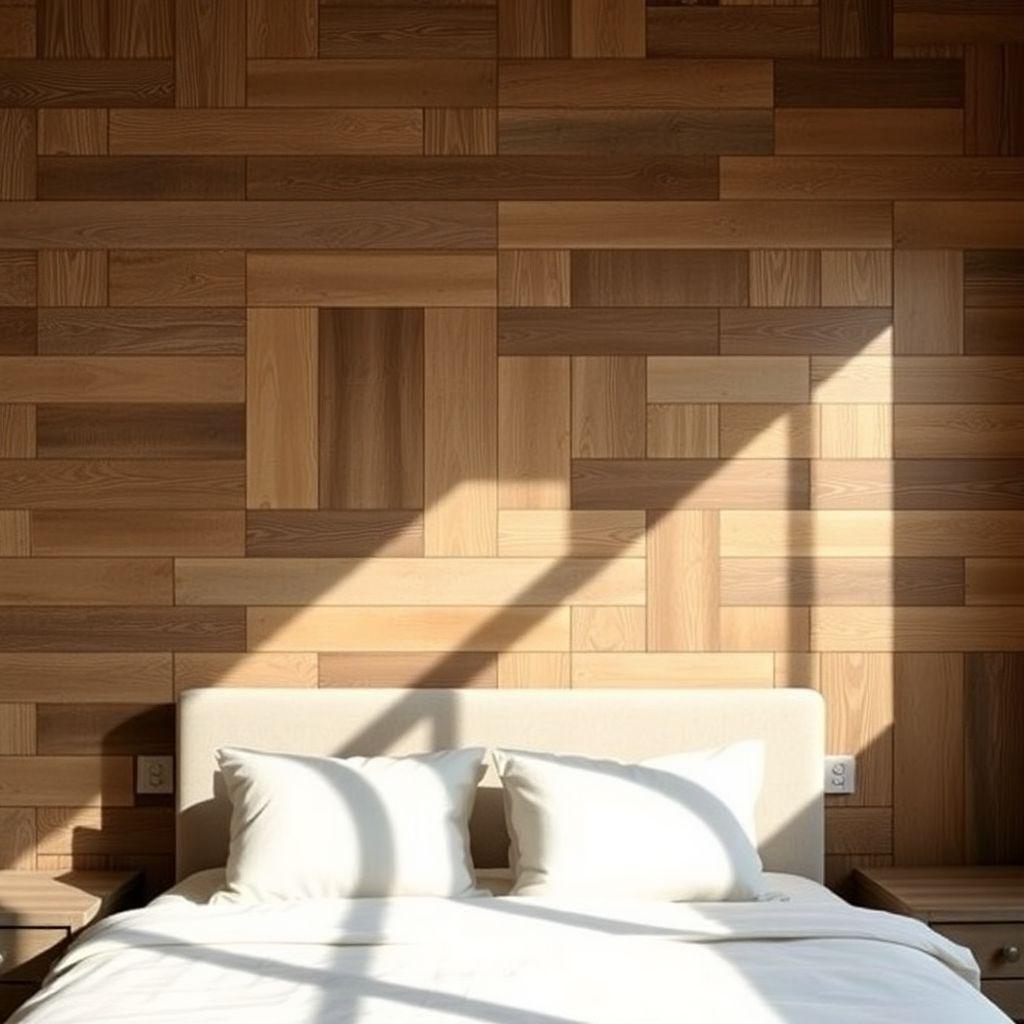
The white shiplap wall that defined the 2010s now dates a room the second guests walk in.
The 2026 replacement is mixed-width barnwood paneling and reclaimed wood. It has crossed from farmhouse cliché into a genuine luxury standard. The appeal is tactile: an accent wall whose texture and tone shift as daylight moves across it.
Vary your plank widths deliberately. Mixing 4-inch, 6-inch, and 8-inch boards reads as intentional and custom. Uniform widths read as a store-bought kit, exactly the look you want to avoid.
Wire-brushed and hand-scraped textures amplify the effect. They catch light and shadow in a way flat, sanded boards never will. Reclaimed stock already carries this character, which is half the reason it works.
Avoid high-gloss sealers here. A shiny finish flattens the texture and instantly dates the wall. Matte or hardwax oil keeps it current and lets the grain breathe.
Best for a feature wall behind a bed or in an entryway where texture gets seen up close. Skip uniform-width or glossy paneling if you want the wall to still look good in five years.
5. Outdoor Woodworking: Pergolas, Cedar Decks, and Privacy Screens
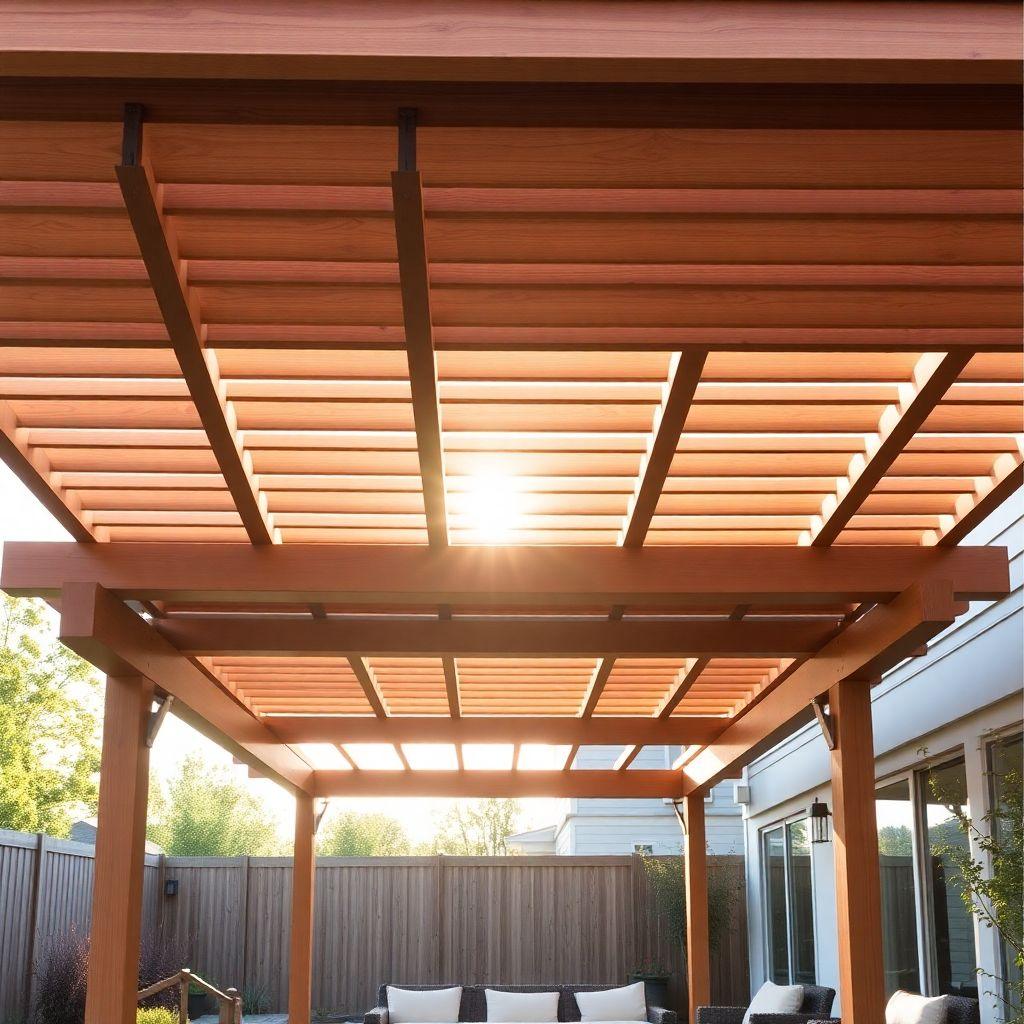
The most budget-friendly outdoor upgrade of 2026 costs a fraction of a deck and instantly makes your yard feel finished.
That upgrade is a wood privacy screen matched to your existing deck. It uses leftover deck stock and the same skills you already have, making it the ideal entry point into outdoor woodworking.
From there the options scale up fast. Cedar pergolas run $2,500 to $12,000 installed, and motorized louvered designs are the top outdoor trend for 2026. Cedar decking runs $25 to $40 per square foot installed, so a full deck is a real investment.
Cedar has one quirk worth planning around. Left unstained, it develops a silver-gray patina over a season or two. Lean into that weathered look or seal it to hold the warm tone, but make the choice on purpose instead of by accident.
A privacy screen ties the whole yard together for a few hundred dollars in lumber and a weekend of work. It hides the neighbor’s view, frames a seating area, and matches your deck when you use the same species and stain.
The verdict: if you have one outdoor weekend and a modest budget, build the matching privacy screen. Save the motorized louvered pergola for when the budget stretches into five figures.
6. Finishes: Hardwax Oil and Dark Stains Take Over
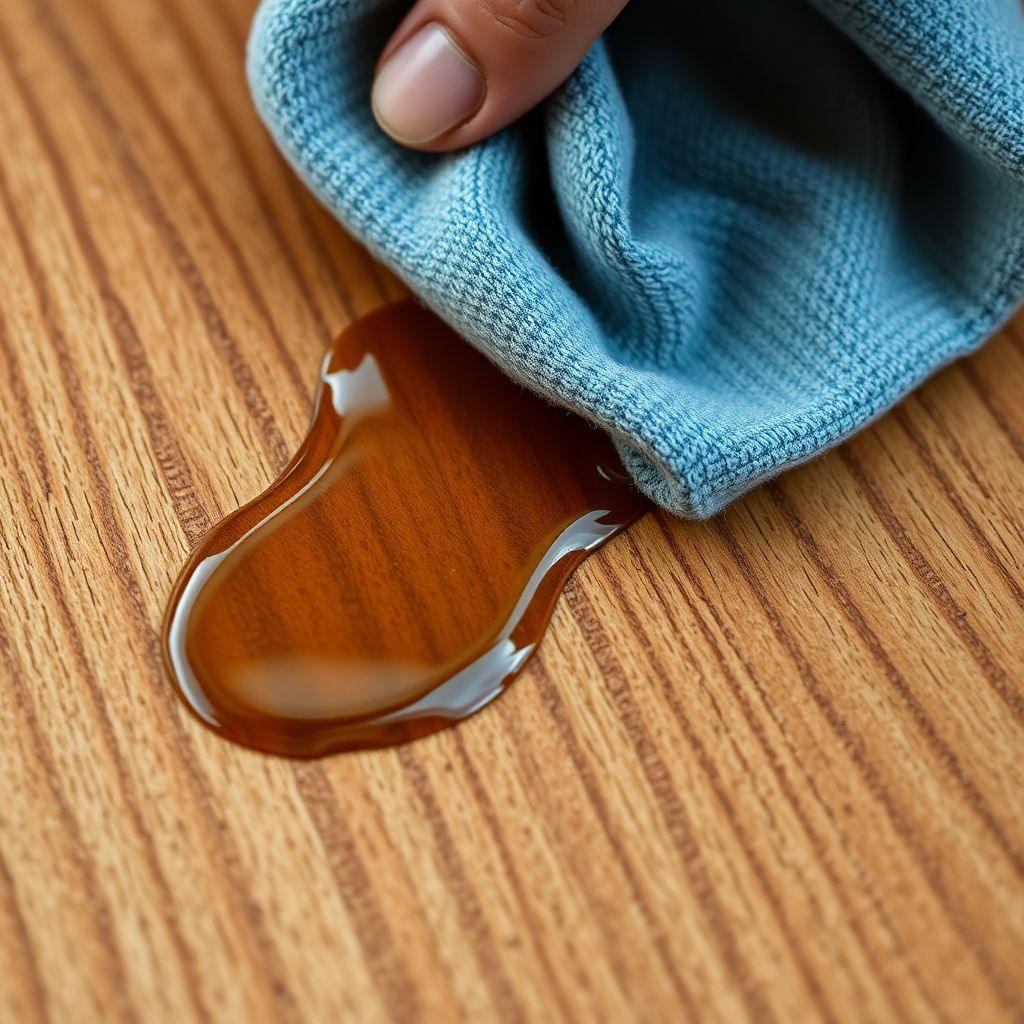
You can build a flawless piece and ruin it in the last hour with the wrong can of finish.
The 2026 top finish trend is low-VOC or zero-VOC hardwax oil. It is matte, repairable, healthier to apply indoors, and the correct finish for Japandi, live edge, and accent walls alike. One product covers most of the trends in this guide.
Stain direction has flipped hard. Medium-to-dark stains, including deep green and nearly-black tones, are replacing the cool grays that ruled the last decade. MasterBrand Cabinets’ 2026 report confirms the shift toward medium and dark stains.
Texture finishes are rising alongside color. Wire-brushed and hand-scraped surfaces add depth that a smooth film finish cannot match, and they pair naturally with reclaimed and live edge stock.
The clear loser is high-gloss varnish. On any wood type, it now reads dated and plasticky. The mirror shine that once signaled quality now signals a project stuck in the wrong decade.
Hardwax oil does ask for clean application and a periodic refresh coat. In exchange it hides wear far better than film finishes, since you spot-repair a scratch instead of stripping the whole surface.
If you finish only one project this year, switch to a low-VOC hardwax oil in a matte medium-to-dark tone. It modernizes everything you build.
7. Smart Tools and CNC: The Honest Reality Check
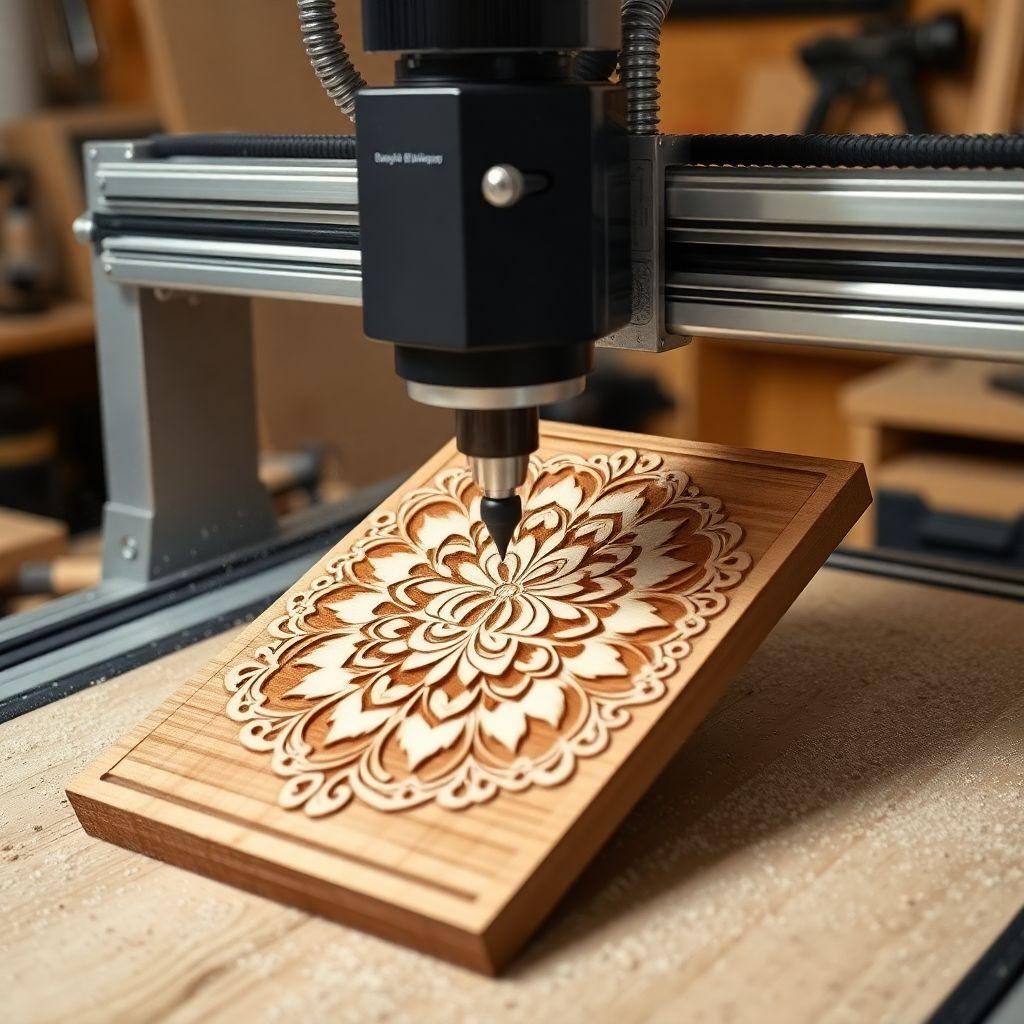
Around 65 percent of small shops now run CNC. So why do so many beginners quietly shove theirs in a closet within a year?
The answer is not cost. It is the learning curve. Software complexity and firmware issues are the number one barrier, not the price tag, and they are why beginners abandon these machines.
The technology itself is no fad. The desktop CNC market sits at $8.2 billion in 2025 and is projected to reach $13.4 billion by 2035. CNC and laser tools are here to stay, and they enable repeatable, intricate work no hand tool can match.
Set realistic expectations before you buy. Budget weeks of learning CAD and CAM software plus troubleshooting before your first clean cut. The machine is the easy part; the design pipeline is the real project.
For a lower-friction way into “smart tools,” start with a laser engraver. It has a gentler learning curve than a full CNC router and gives fast, satisfying results while you build confidence.
Best for builders who enjoy the software side and want repeatable, intricate work. Skip it for now if you expect plug-and-play results or have not yet mastered the fundamentals with hand and power tools.
8. Sustainable Sourcing: Paulownia, FSC, and Reclaimed Wood
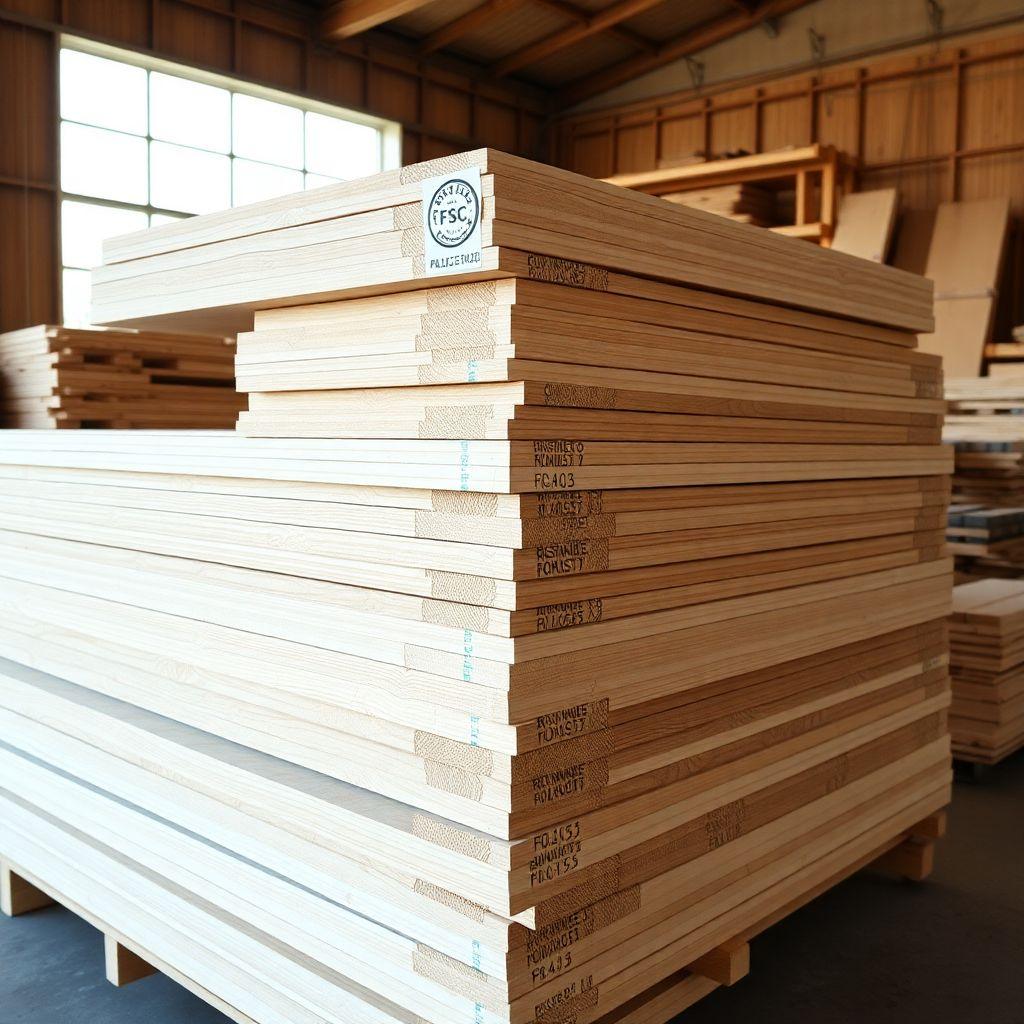
One trending 2026 wood grows 20 feet in a single year, and it is cheaper and greener than the walnut everyone is chasing.
That wood is paulownia. It grows roughly 20 feet a year, matures in about 10 years, and ranks among the lightest hardwoods available. It is sustainable, easy to work, and ideal for painted projects where you do not need dramatic grain.
The broader trend is sourcing itself. FSC-certified and PEFC-certified stock plus reclaimed wood are now standard expectations, not niche extras. More than 70 percent of consumers accept a price premium for sustainably sourced wood.
The economics reinforce the choice. Walnut runs $10 to $30 per board foot and is climbing 8 to 15 percent a year. White oak sits at $5.75 to $9.35. Exotic species face tightening CITES pressure, which pushes builders toward domestic options anyway.
Reclaimed wood does double duty here. It is the same material behind the barnwood accent walls from item four, so one sourcing decision serves two trends. Engineered wood and responsibly sourced domestic hardwoods fill the pragmatic middle ground.
Compared to buying exotic imports, choosing paulownia, domestic oak, or reclaimed stock cuts your cost and sidesteps tightening regulations. This is sustainability that actually saves you money.
9. Wood Species Watch: What’s Trending Up and Cooling Off
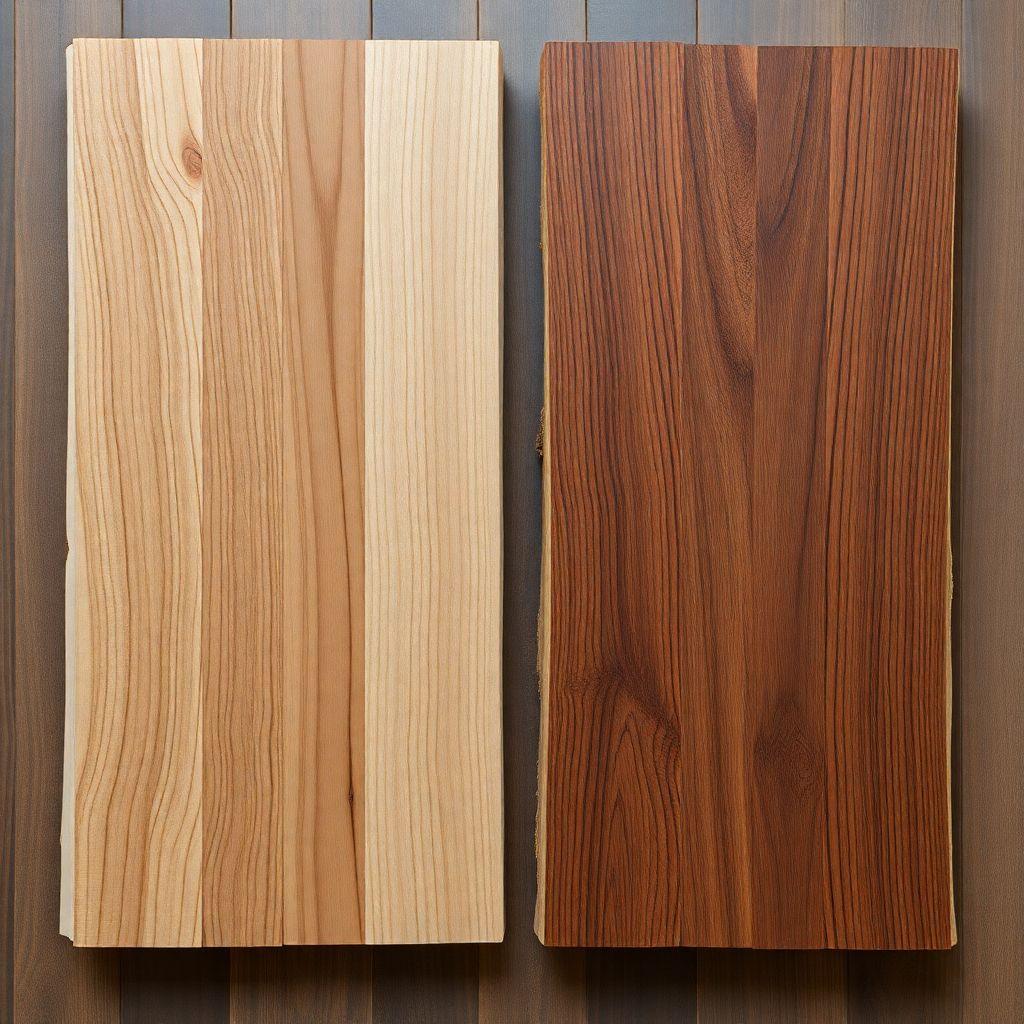
Before your next lumber run, here is the 30-second cheat sheet on which species are winning 2026 and which to leave on the rack.
Trending up:
- White oak leads as the most authentically Japandi choice at $5.75 to $9.35 per board foot, with premium slabs from $750 to $3,250 or more.
- Black walnut is the river-table and dark-Japandi darling at $10 to $30 per board foot, but it is rising 8 to 15 percent a year, so buy now.
- Paulownia rounds out the winners as the sustainable, fast-growing option that takes paint well.
Cooling off:
- Commodity poplar and soft maple are losing favor as builders move toward character species.
- Cool-gray-stained pieces of any wood are aging fast, no matter how nice the underlying lumber.
Tie price trajectory to your buying strategy. Lock in walnut before further increases if a dark statement piece is on your list. Use white oak as the versatile all-rounder for everything from Japandi consoles to live edge shelves.
The verdict: for most 2026 builds, white oak is the safe, on-trend default. Reach for walnut when you want drama and can absorb the price. Skip cool-gray finishes on any of them.
10. What’s OUT in 2026: Trends to Retire Now
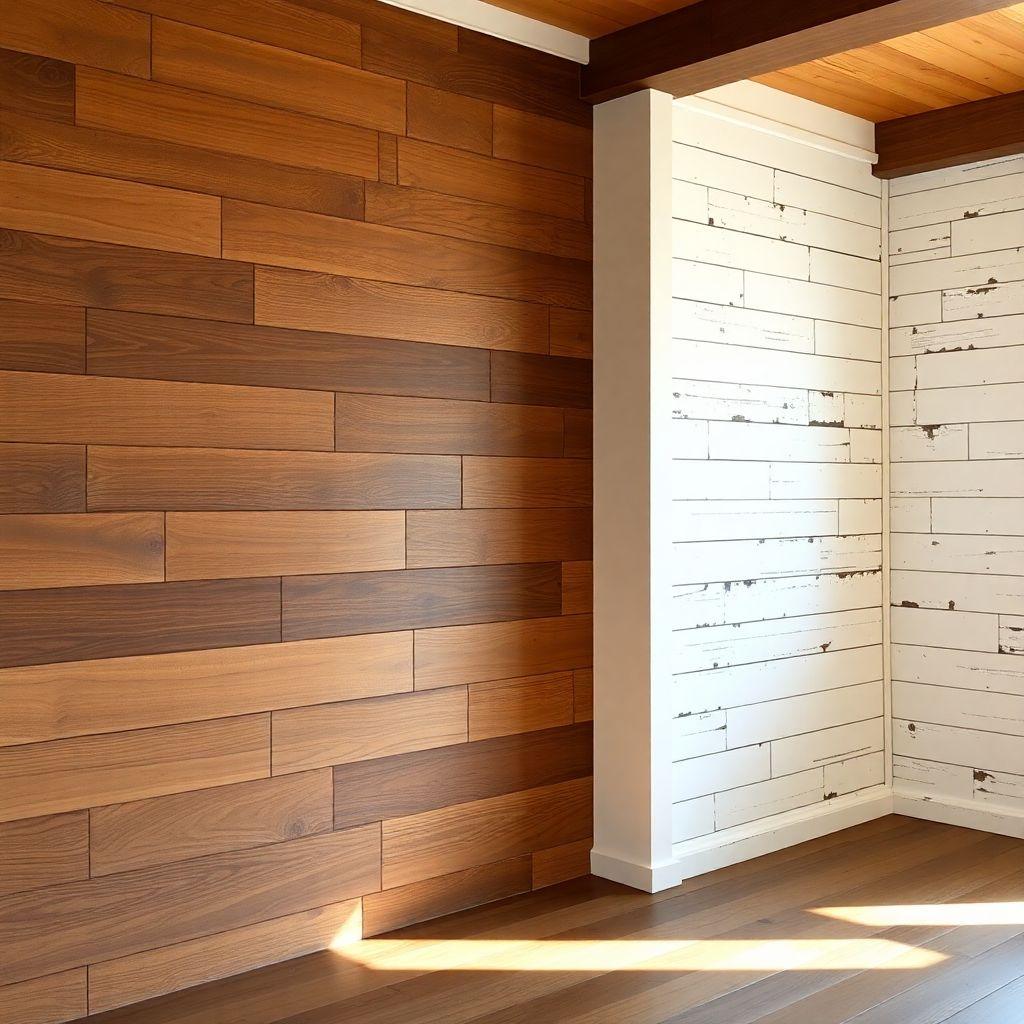
Nothing dates a room faster than a trend you did not realize already peaked, and several are quietly aging your projects right now.
Here is the list, with the reason and the swap for each:
- Cool-gray walls and shiplap-for-shiplap’s-sake. Both peaked years ago. Replace them with warm tones and mixed-width barnwood paneling.
- Ultra-thin floating shelves. Once fresh, they now read as dated builder-grade filler. Swap in a thicker live edge shelf with visible grain.
- Stark white farmhouse aesthetic. It is cooling hard as warmth and texture return. Move toward natural wood tones and matte finishes.
- High-gloss varnish on any wood. The plastic shine signals the wrong decade. Replace it with matte hardwax oil.
- Exotic imported species. CITES pressure and shifting taste both point away from them. Choose domestic white oak, walnut, or paulownia instead.
Notice how each “out” pairs with a concrete “in” from earlier in this guide. Barnwood, hardwax oil, and domestic species are not just trendy; they are the direct upgrades for what is fading.
If you are planning any of these five, stop and swap in the 2026 equivalent from the list above. Your future self, and any future buyer, will thank you.
FAQ
What are the biggest woodworking trends for 2026?
The biggest trends are epoxy river tables, Japandi and slatted wood, live edge slabs, reclaimed barnwood accent walls, and outdoor builds like cedar pergolas and privacy screens. On finishes, matte hardwax oil and medium-to-dark stains dominate, while high-gloss varnish declines. Sustainable species like white oak, walnut, and fast-growing paulownia lead the lumber pile, and cool-gray finishes are on the way out.
How much does it cost to build an epoxy river table?
Around $2,000 for a DIY build. That covers a live edge slab at $400 to $1,200 plus 20 to 30-plus gallons of epoxy resin at roughly $80 per gallon, which pushes resin alone toward $1,200. Add pigment, a mold, and finish to reach the $2,000 total. A comparable table from a pro shop runs $5,000 to $30,000 or more, so building your own saves thousands. Confirm your slab sits at 6 to 10 percent moisture before you pour.
What is Japandi style in woodworking?
Japandi blends Japanese minimalism with Scandinavian warmth. It features curved silhouettes, low profiles, fluted or slatted detailing, and visible wabi-sabi imperfection. White oak is the classic species, with smoked oak and walnut for a darker look. The one firm rule: finish it in matte hardwax oil only, never gloss, since a shiny topcoat kills the soft, natural feel the style depends on.
What wood finish is trending in 2026?
Low-VOC and zero-VOC hardwax oil leads. It is matte, repairable, healthier to apply, and works for Japandi, live edge, and accent walls alike. Medium-to-dark stains, including deep green and nearly-black, are replacing cool gray. Wire-brushed and hand-scraped textures are rising. High-gloss varnish is actively declining because its plastic shine now reads dated.
What woodworking trends are going out of style?
Cool-gray walls and plain white shiplap, ultra-thin floating shelves, the stark white farmhouse aesthetic, high-gloss varnish on any wood, and exotic imported species facing CITES pressure. Each has a clear 2026 replacement: warm barnwood, thicker live edge shelves, natural tones, matte hardwax oil, and domestic hardwoods like white oak, walnut, and paulownia.
Is a CNC machine worth it for beginners?
Only if you enjoy the software side. The number one barrier is not cost; it is the learning curve of CAD and CAM software plus firmware troubleshooting, which is why many beginners abandon their machines within a year. Budget weeks of learning before your first clean cut, or start with a laser engraver for an easier entry that still delivers fast results.
What is the best wood for 2026 projects?
White oak is the safe, on-trend default at $5.75 to $9.35 per board foot, versatile across Japandi and live edge builds. Choose walnut for dramatic dark pieces, but buy soon since prices are rising 8 to 15 percent a year. Pick paulownia for sustainable, lightweight, painted projects.
What are good beginner woodworking projects for 2026?
Start with a single slatted white oak accent panel, a floating live edge shelf, or a deck-matched privacy screen. All three hit a 2026 trend, need only basic tools, and finish in a weekend. Our beginner project guide walks you through plans sized for your first builds.
Ready to start building? Find plans for all skill levels at realwoodworkplans.com, or start with our beginner project guide.

“DIY woodworking enthusiast who started with zero experience and a YouTube tutorial.
I build simple, practical projects for my home and share free plans
so other beginners can skip the guesswork.If I can build it, you can too.”