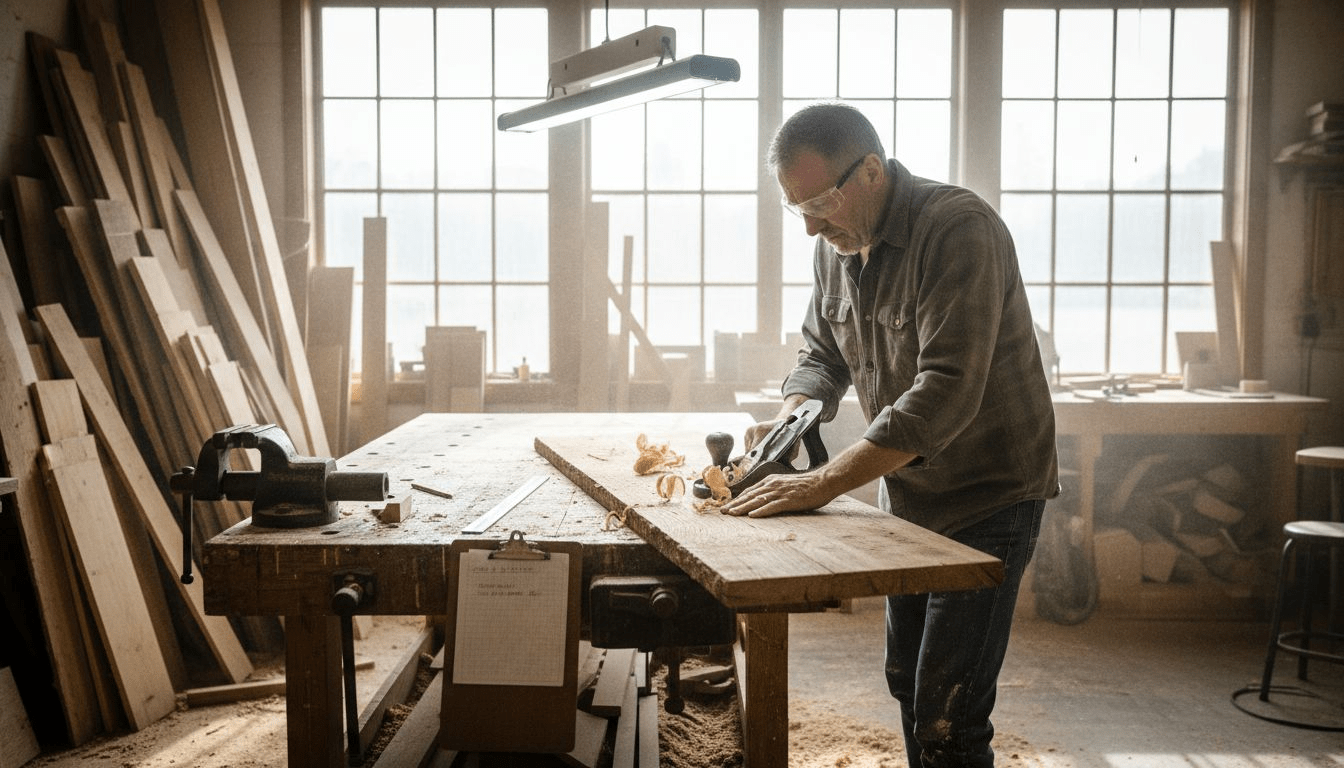
Turning a scrap pile into something beautiful is a moment every DIY woodworker knows well. As more beginners look for ways to balance craftsmanship with environmental care, the shift toward sustainable woodworking practices has become an exciting path forward. By exploring responsible wood sourcing, waste-saving techniques, and non-toxic finishes, you can reduce your impact and create projects that respect both your skill and the natural world.
Table of Contents
- Defining Sustainable Woodworking Practices
- Types of Eco-Friendly Wood Materials
- Techniques for Reducing Workshop Waste
- Selecting Non-Toxic Finishes and Adhesives
- Common Mistakes and How to Avoid Them
Key Takeaways
| Point | Details |
|---|---|
| Sustainable Wood Sourcing | Prioritize wood from certified sustainable sources to ensure environmental responsibility. |
| Waste Reduction Techniques | Implement precision cutting and recycling strategies to minimize workshop waste. |
| Non-Toxic Finishes and Adhesives | Opt for environmentally friendly finishes and adhesives to enhance health and safety. |
| Avoid Common Mistakes | Plan effectively and maintain tools to reduce waste and improve efficiency in woodworking. |
Defining Sustainable Woodworking Practices
Sustainable woodworking represents a holistic approach to crafting wooden items that prioritizes environmental responsibility, resource efficiency, and long-term ecological balance. At its core, this practice goes beyond traditional woodworking by integrating principles of conservation, waste reduction, and mindful material selection.
The fundamental aspects of sustainable woodworking include several critical components:
- Responsible Wood Sourcing: Selecting timber from certified sustainable forest management programs
- Minimal Waste Production: Maximizing material usage and minimizing scrap
- Non-Toxic Processing: Using eco-friendly finishes and treatments
- Energy Efficient Techniques: Reducing carbon footprint during production
Sustainable woodworking also encompasses a broader vision of circular economy principles, where wood products are designed for longevity, repairability, and eventual recycling or biodegradation. This approach recognizes that woodworking isn’t just about creating beautiful objects, but about maintaining ecological integrity throughout the entire production process.
Sustainable woodworking transforms craftsmanship from a purely aesthetic practice into an environmentally conscious discipline.
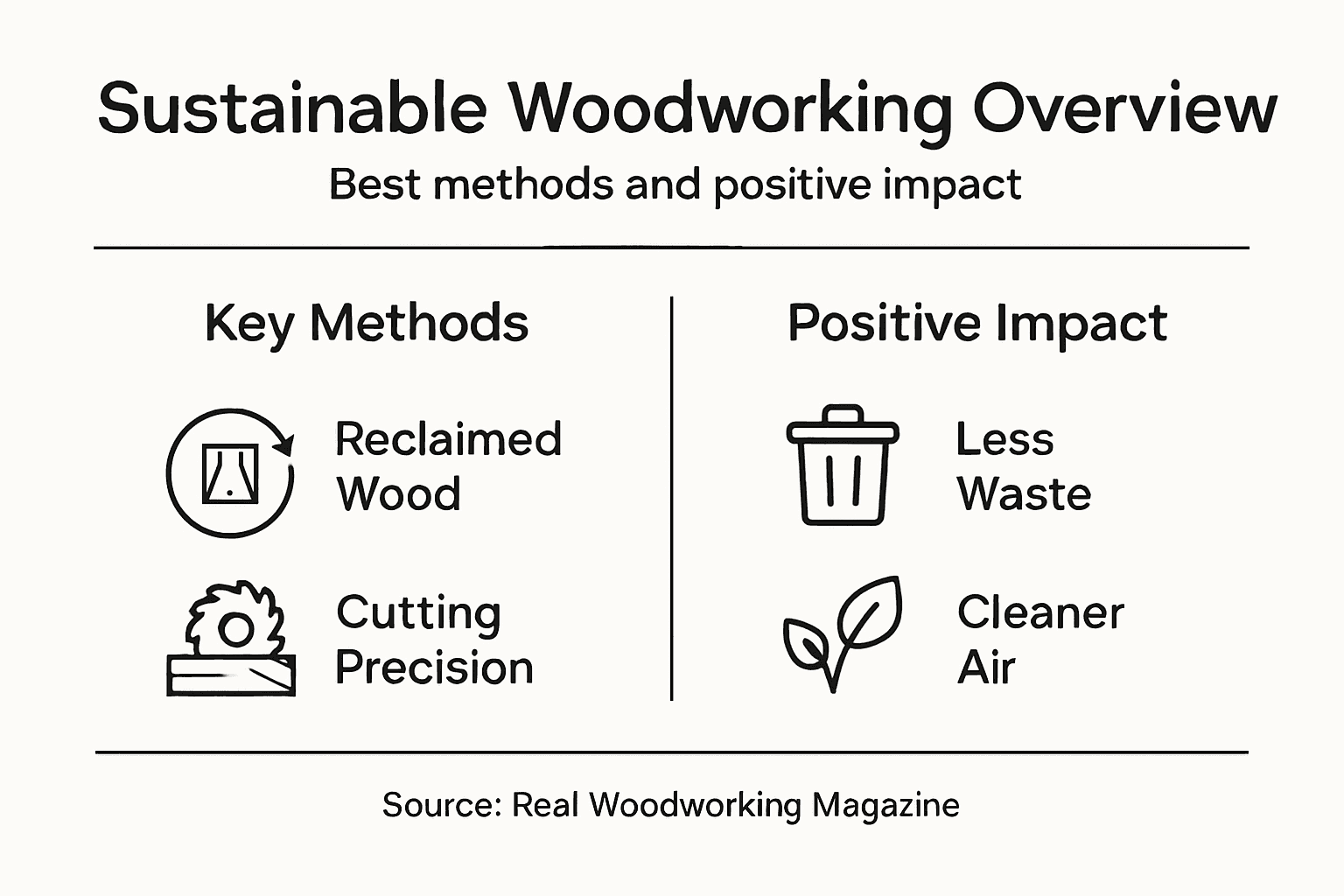
Practitioners achieve sustainability through multiple strategic approaches, such as using reclaimed wood, implementing precise cutting techniques that minimize material loss, and selecting wood species with rapid regeneration rates. These methods not only reduce environmental impact but also often result in unique, character-rich woodworking projects.
Pro Tip: Start by sourcing wood from local, sustainably managed forests to reduce transportation emissions and support regional ecological practices.
Types of Eco-Friendly Wood Materials
Eco-friendly wood materials represent a critical innovation in sustainable woodworking, offering woodworkers environmentally responsible alternatives to traditional timber sources. These materials are carefully selected to minimize environmental impact while maintaining the quality and durability essential for high-performance woodworking projects.
The most prominent eco-friendly wood materials include:
- Bamboo: A rapidly renewable resource with exceptional strength and versatility
- Reclaimed Timber: Salvaged wood from old buildings, pallets, and industrial structures
- FSC-Certified Hardwoods: Wood sourced from responsibly managed forests
- Engineered Wood Products: Composite materials that maximize wood fiber efficiency
Bamboo stands out as a remarkable sustainable material, with unique engineered wood characteristics that make it exceptionally eco-friendly. Growing up to 3 feet per day and reaching maturity in just 3-5 years, bamboo represents a stark contrast to traditional hardwoods that can take decades to regenerate.
Sustainable wood selection is not just about the material, but about understanding its entire ecological lifecycle.
Reclaimed timber offers another powerful approach to sustainable woodworking. By repurposing wood from demolished structures, abandoned barns, and industrial sites, woodworkers can create stunning projects while simultaneously reducing demand for virgin timber. These materials often bring unique character, historical significance, and remarkable structural integrity to new woodworking projects.
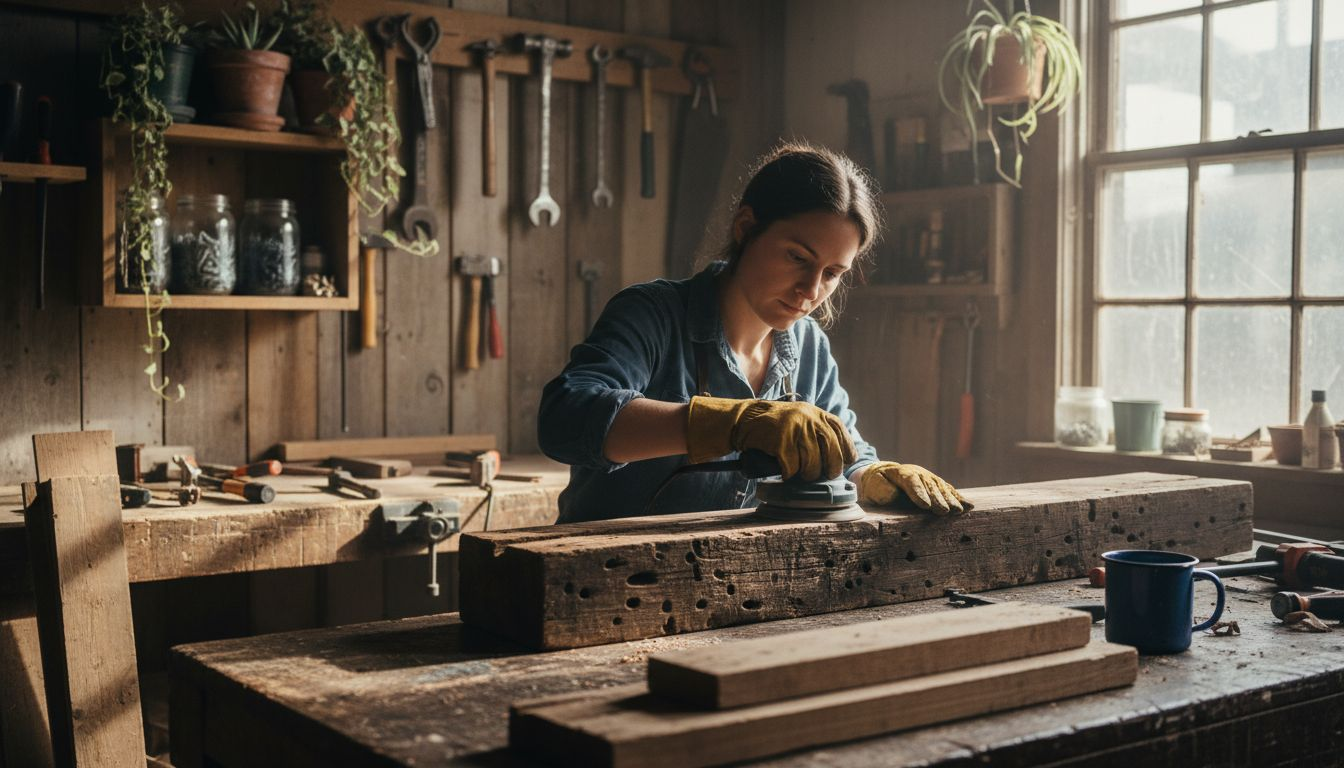
Here’s a comparison of eco-friendly wood materials and their unique advantages:
| Material | Key Benefit | Typical Application |
|---|---|---|
| Bamboo | Grows extremely fast | Flooring, furniture |
| Reclaimed Timber | Preserves historical value | Accent walls, tables |
| FSC-Certified Hardwood | Ensures responsible sourcing | Cabinets, structural parts |
| Engineered Wood | Maximizes fiber efficiency | Shelving, panels |
Pro Tip: Always verify the sustainability credentials of your wood sources by checking for recognized certifications like FSC or PEFC.
Techniques for Reducing Workshop Waste
Woodworking workshops generate significant material waste, but strategic approaches can dramatically minimize environmental impact and improve overall efficiency. Understanding and implementing waste reduction techniques transforms traditional woodworking practices into sustainable, resource-conscious endeavors.
Effective waste reduction strategies include:
- Precision Cutting: Maximizing material usage through careful planning
- Offcut Repurposing: Creating smaller projects from remaining wood pieces
- Digital Planning: Using cutting optimization software to minimize material waste
- Recycling Systems: Converting wood scraps into energy or new materials
Modern woodworkers can significantly reduce waste by adopting a systematic approach to material management. Precision cutting techniques, such as using computer-aided design (CAD) tools and advanced measuring methods, help woodworkers plan cuts that minimize unused wood fragments and maximize material efficiency.
Waste reduction is not just an environmental strategy, but a fundamental aspect of craftsmanship and economic efficiency.
Recycling and repurposing wood scraps represent another critical waste reduction technique. Small offcuts can be transformed into decorative elements, jewelry, custom tool handles, or even integrated into future projects. Some workshops have implemented sophisticated recycling systems that convert wood waste into biomass energy, creating a circular waste management approach.
Pro Tip: Invest in a digital cutting optimization tool to reduce material waste by up to 20% and improve your workshop’s overall sustainability.
Selecting Non-Toxic Finishes and Adhesives
Choosing non-toxic finishes and adhesives is a critical aspect of sustainable woodworking, directly impacting both environmental health and personal safety. These alternative materials represent a significant shift from traditional chemical-laden products toward more responsible, eco-conscious woodworking practices.
Key categories of non-toxic wood finishes include:
- Plant-Based Oils: Natural linseed and tung oils
- Water-Based Finishes: Low volatile organic compound (VOC) options
- Natural Waxes: Beeswax and carnauba-based products
- Milk Paint: Traditional, non-toxic coloring technique
Modern woodworkers now have access to bio-based adhesive alternatives that minimize toxic chemical exposure. These innovative solutions utilize natural materials like tannins, lignin, and starch, providing effective bonding while maintaining environmental and health standards.
Sustainable woodworking is about making conscious choices that protect both craftsmanship and human health.
Water-based finishes have emerged as a particularly promising solution, offering durability and aesthetic appeal while dramatically reducing harmful emissions. These finishes provide excellent protection for wooden surfaces without compromising indoor air quality or introducing dangerous chemical compounds into the workshop environment.
Pro Tip: Always test non-toxic finishes on scrap wood first to ensure compatibility with your specific project and desired aesthetic outcome.
Common Mistakes and How to Avoid Them
Sustainable woodworking requires careful attention to detail and a proactive approach to avoiding common pitfalls that can undermine environmental and craftsmanship goals. Recognizing and addressing these mistakes early can significantly improve both the quality of your work and your commitment to eco-friendly practices.
Key sustainable woodworking mistakes to avoid include:
- Improper Material Selection: Choosing non-sustainable or over-processed woods
- Inefficient Cutting Techniques: Generating excessive material waste
- Ignoring Tool Maintenance: Reducing equipment efficiency and longevity
- Overlooking Finish Environmental Impact: Using toxic or high-VOC finishes
- Neglecting Waste Recycling: Discarding potentially reusable wood scraps
Material waste represents one of the most significant challenges in sustainable woodworking. Inexperienced woodworkers often make the mistake of purchasing more material than necessary or failing to optimize their cutting strategies, which leads to unnecessary resource consumption and increased environmental impact.
Sustainable woodworking is not about perfection, but about making consistent, mindful choices that reduce environmental harm.
Tool maintenance is another critical area where woodworkers frequently fall short. Poorly maintained tools require more energy to operate, generate less precise cuts, and ultimately contribute to increased material waste. Regular cleaning, sharpening, and proper storage can dramatically improve tool performance and extend their operational lifespan.
Below is a summary of mistakes to avoid and proactive solutions for sustainable woodworking:
| Common Mistake | Impact | Sustainable Solution |
|---|---|---|
| Over-purchasing materials | Increased waste, higher costs | Plan cuts, track inventory |
| Using toxic finishes | Poor indoor air quality | Choose water-based, natural |
| Neglecting tool maintenance | Higher energy use, bad cuts | Regular cleaning, sharpening |
| Ignoring scrap recycling | Lost resources, more landfill | Repurpose or recycle offcuts |
Pro Tip: Develop a systematic approach to material inventory and cutting planning to minimize waste and maximize the efficiency of your woodworking projects.
Build Sustainable Projects That Matter Today
Are you ready to transform your woodworking skills while making a positive environmental impact? Sustainable woodworking is about making responsible choices from the wood you source to the finishes you apply. If you want to reduce waste, use eco-friendly materials, and create beautiful handcrafted items with purpose, start by exploring practical plans designed with sustainability in mind. Discover unique projects that honor craftsmanship and respect our planet in the Tables Archives – Real Woodwork Plans where functionality meets eco-conscious design.

Take action now to elevate your woodworking practice with thoroughly detailed and thoughtfully crafted plans from Real Woodwork Plans. Whether you are aiming to perfect precision cutting, incorporate reclaimed wood, or select non-toxic finishes, our resources guide you step-by-step. Visit our Uncategorized Archives – Real Woodwork Plans for inspiration and tips to integrate sustainable methods. Don’t wait to create with care and skill — your sustainable woodworking journey begins here.
Frequently Asked Questions
What are sustainable woodworking practices?
Sustainable woodworking practices involve crafting wooden products that prioritize environmental responsibility, resource efficiency, and long-term ecological balance. This includes responsible wood sourcing, minimal waste production, non-toxic processing, and energy-efficient techniques.
How can I reduce waste in my woodworking workshop?
You can reduce waste by using precision cutting techniques, repurposing offcuts for smaller projects, implementing digital planning tools, and setting up recycling systems for wood scraps. These strategies help improve efficiency and minimize environmental impact.
What types of eco-friendly wood materials are best for sustainable woodworking?
Some of the best eco-friendly wood materials include bamboo, reclaimed timber, FSC-certified hardwoods, and engineered wood products. Each of these options offers unique benefits such as rapid renewability or reduced environmental impact.
How do I choose non-toxic finishes and adhesives for my woodworking projects?
When choosing non-toxic finishes and adhesives, look for plant-based oils, water-based finishes with low VOCs, natural waxes, and bio-based adhesives. These options minimize chemical exposure and maintain indoor air quality while providing effective performance.
Recommended
- Wood Milling Explained: Shaping Better Projects
- Why Finish Wood: Protecting and Enhancing Projects
- Why Use Woodworking Plans for DIY Success
- What Is Wood Turning? Transforming Ideas Into Art
- Floor Sanding Techniques – Restoring Denver Homes

“DIY woodworking enthusiast who started with zero experience and a YouTube tutorial.
I build simple, practical projects for my home and share free plans
so other beginners can skip the guesswork.If I can build it, you can too.”