TL;DR:
- Hardwoods and softwoods are classified botanically, not by density or hardness.
- Choice of wood should be based on properties, not labels, considering durability, workability, and cost.
- Using the right wood for the application and proper techniques ensures better DIY project outcomes.
Most DIYers assume hardwood equals better wood, full stop. That assumption costs real money and leads to frustrating builds. The truth is that classification is botanical, not based on how hard or strong the wood actually feels in your hand. Hardwoods come from flowering trees, softwoods from cone-bearing trees, and that biological line tells you almost nothing about which one belongs in your next project. This guide breaks down what actually matters: density, grain, joinery strength, finish behavior, and cost so you can make smarter, evidence-based choices every time you step into your shop.
Table of Contents
- Understanding hardwoods and softwoods: Beyond the name
- Comparing properties: Durability, workability, and cost
- Joinery and screw-holding: Why strength matters in furniture
- Grain, finish, and aesthetics: Fine-tuning for the perfect result
- Choosing the right wood: Real-world DIY applications
- What most DIYers get wrong about hardwood vs softwood
- Take your DIY woodworking further with expert plans
- Frequently asked questions
Key Takeaways
| Point | Details |
|---|---|
| Botanical differences matter | Hardwoods and softwoods are classified by tree type, not just wood hardness. |
| Choose based on project needs | Pick hardwood for durability and softwood for ease and budget, matching wood to application. |
| Hardwood advantages for joinery | Hardwoods provide superior screw-holding and joint strength for furniture. |
| Finishing requires technique | Both wood types need special prep for flawless finishing in DIY work. |
| Cost vs quality tradeoff | Softwoods offer savings and speed, while hardwoods deliver premium looks and longevity. |
Understanding hardwoods and softwoods: Beyond the name
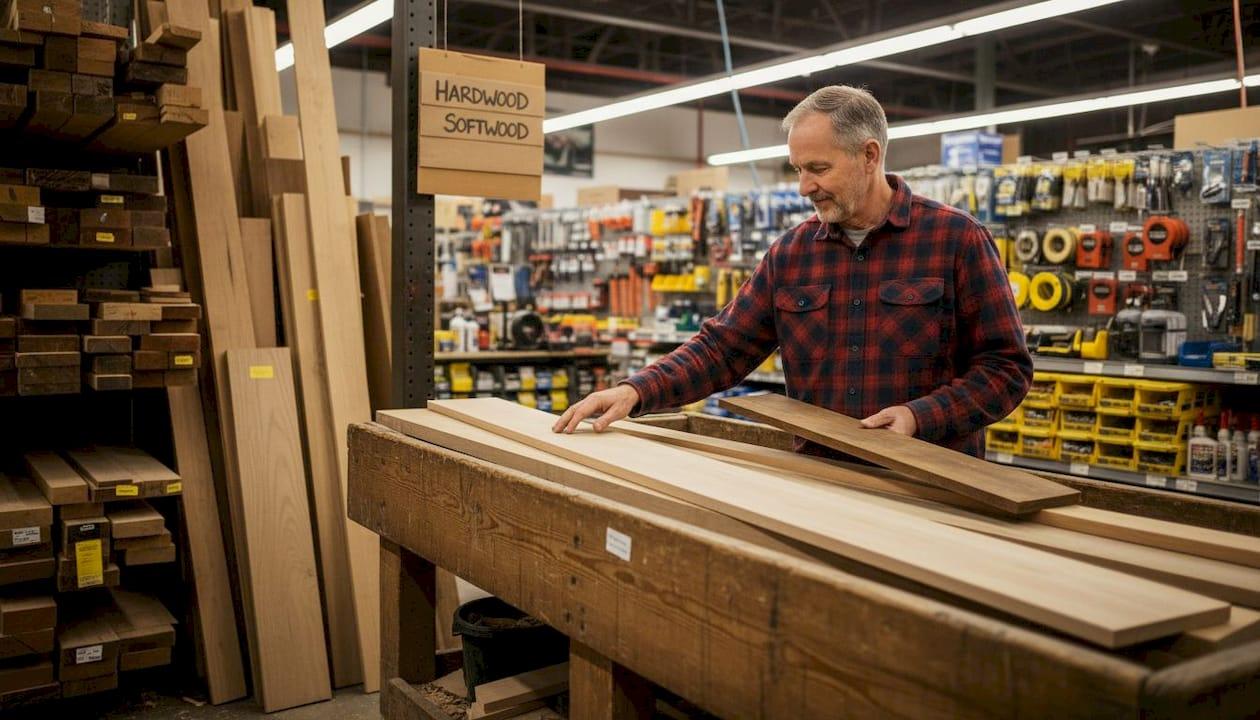
The words “hard” and “soft” are genuinely misleading. Most experienced woodworkers know this, but it still trips up beginners and even seasoned hobbyists when shopping at the lumber yard. The real distinction is botanical, not density-based: hardwoods are angiosperms, meaning they flower and produce seeds enclosed in fruit. Softwoods are gymnosperms, cone-bearing trees like pine, spruce, and cedar.
Here is where it gets interesting. Balsa wood is technically a hardwood, yet it is the lightest, softest wood most of us have ever touched. Poplar is also a hardwood, but it measures just 540 lbf on the Janka hardness scale. Southern yellow pine, a softwood, comes in at a whopping 1,225 lbf. That is more than double poplar’s rating. Knowing this upfront saves you from over-engineering or under-engineering your builds.
Physical traits you will notice when selecting lumber:
- Hardwoods tend to have complex, varied grain patterns and are often denser
- Softwoods usually show straight, uniform grain and are lighter in hand
- Color ranges widely in both categories and is not a reliable indicator of hardness
- Pores (vessels) are visible in most hardwoods under magnification; softwoods lack these
| Species | Type | Janka Rating (lbf) |
|---|---|---|
| Balsa | Hardwood | 100 |
| Poplar | Hardwood | 540 |
| White pine | Softwood | 380 |
| Douglas fir | Softwood | 660 |
| Southern yellow pine | Softwood | 1,225 |
| Red oak | Hardwood | 1,290 |
| Hard maple | Hardwood | 1,450 |
For wood types explained in project contexts, always look up the Janka number before committing to a species.
Pro Tip: Before you buy lumber for any load-bearing furniture piece, look up the Janka hardness rating of that specific species. Do not rely on whether it is labeled hardwood or softwood at the store.
Comparing properties: Durability, workability, and cost
Once you move past the botanical labels, the comparison that actually drives project decisions comes down to three things: how long will it last, how easy is it to work with, and what will it cost you.
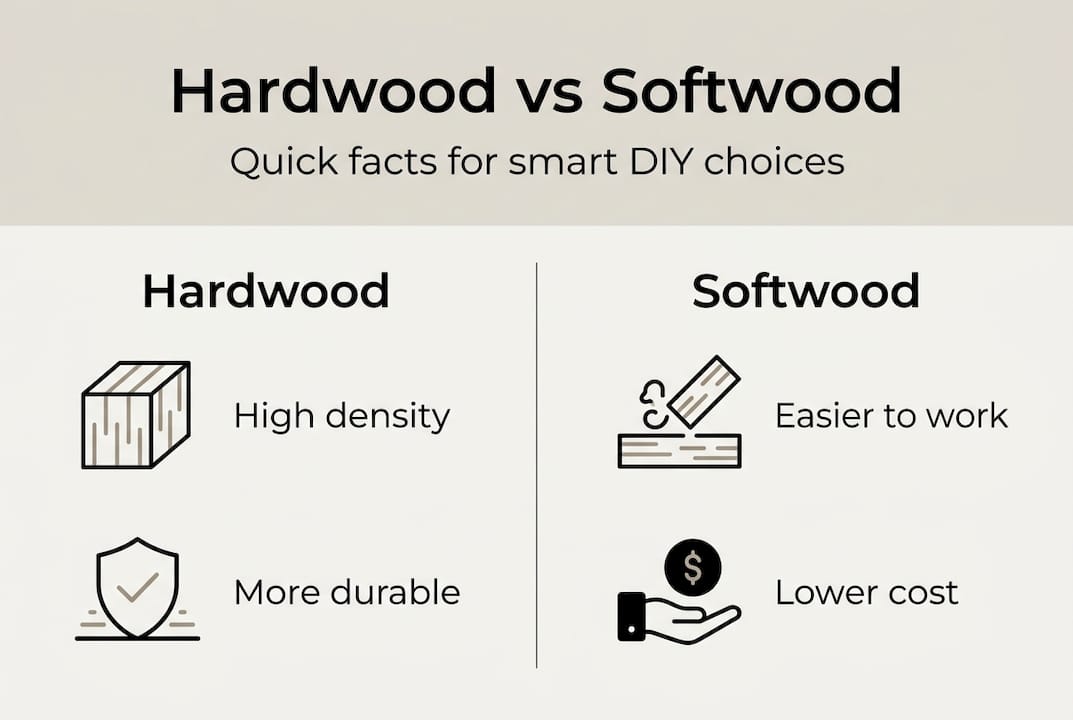
Hardwoods generally exhibit higher density and Janka hardness, making them the go-to choice for dining tables, flooring, and anything that takes daily punishment. But that density comes with trade-offs. Harder woods demand sharper tools, more passes through the planer, and more physical effort during hand-tool work. They also carry a noticeably higher price tag at the lumber yard.
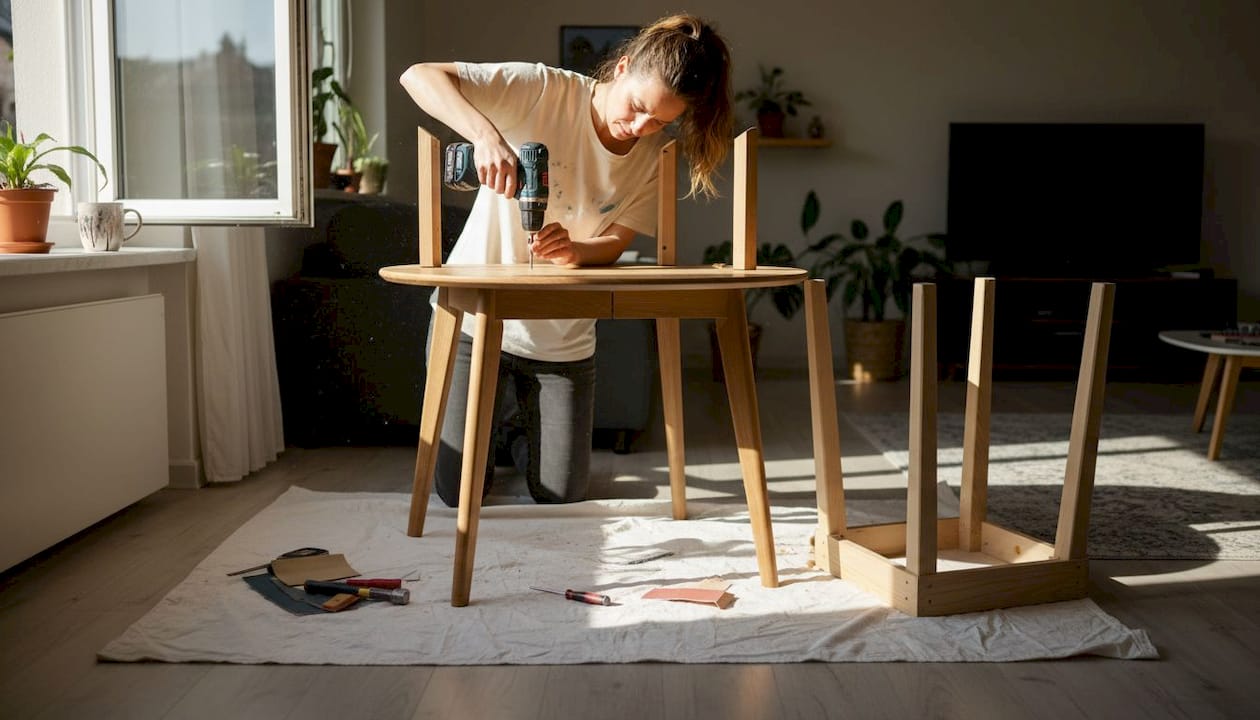
Softwoods are lighter, easier to machine, and typically cost 20 to 40% less per board foot than comparable hardwood species. For a weekend builder working on a tight budget, that difference adds up fast across an entire sheet goods and dimensional lumber order.
| Property | Hardwood (Red Oak) | Softwood (Douglas Fir) |
|---|---|---|
| Janka hardness | 1,290 lbf | 660 lbf |
| Avg. cost per board foot | $5 to $9 | $2 to $4 |
| Machinability | Moderate to difficult | Easy |
| Durability (high wear) | Excellent | Fair |
| Weight | Heavy | Light |
Best uses based on real working properties:
- Hardwood works best for dining tables, chair legs, cabinet doors, and visible drawer faces
- Softwood excels in shop jigs, rough framing, painted cabinetry, and beginner practice builds
- Both can work for bookshelves, bed frames, and benches depending on your finish and budget goals
Review the types of wood for furniture before locking in your species choice for any furniture build. Your wood selection guide should factor in both the durability data and your actual skill level with power tools.
Pro Tip: Building a prototype or testing a joinery method? Use softwood. Save your hardwood budget for the final build once you have worked out the design.
Joinery and screw-holding: Why strength matters in furniture
Physical hardness does not exist in a vacuum. Where it really shows up in a DIY furniture build is at the joints. Every mortise, tenon, pocket screw, or dado you cut depends on the wood fibers holding together under stress. That is where denser wood wins.
Hardwoods offer better screw-holding strength, and in furniture making, that translates directly to longevity. A dining chair that wobbles after six months usually failed at the joint, not in the middle of the rail. Tighter wood fibers grip mechanical fasteners more reliably and resist the gradual loosening that comes from repeated loading.
“Hardwood species can hold screws and fasteners with 20 to 25% greater force than equivalent softwood species of the same cross-section, a difference that becomes critical in chairs, tables, and cabinet carcasses subjected to daily stress.”
Joinery types that benefit most from hardwood:
- Mortise and tenon joints in chair frames
- Dovetail joints in drawer boxes
- Dowel joints in panel assemblies
- Pocket screw connections in face frames
Softwoods can still perform well in butt joints and nail-fastened assemblies when the design distributes load across a larger glue surface area. Outdoor deck frames and interior stud walls use softwood joinery every day without issue.
Steps for preparing any wood for reliable joints:
- Confirm moisture content is below 8% for indoor furniture before machining
- Square all reference faces before cutting joinery
- Test your joinery method on scrap from the same board
- Apply wood glue to both mating surfaces and clamp with even pressure
- Let glue cure fully before removing clamps or adding fasteners
For a deeper look at joinery in furniture construction, or to learn wood joinery basics, those resources will help you choose the right method for the right material. If you want to explore stronger joinery techniques or get essential joinery tips, each of those builds on the foundation you are learning here.
Pro Tip: Always drill pilot holes before driving screws, and make them slightly larger in softwood to prevent splitting the fibers near the surface.
Grain, finish, and aesthetics: Fine-tuning for the perfect result
Joinery strength determines whether your furniture holds together. Grain and finish determine whether it looks like something you built or something you bought. For high-visibility projects, this is where hardwood consistently earns its price premium.
Hardwoods are preferred for fine furniture because their tighter grain structure accepts stain more evenly and holds a clear topcoat without the blotchy, uneven result you sometimes get with softer species. That tight grain is also what gives hardwood furniture its tactile quality: smooth, cool, and consistent under your fingers.
Closed-grain vs open-grain hardwoods, and what it means for finishing:
- Closed-grain hardwoods (maple, cherry, birch): absorb stain evenly, great for pigmented finishes without prep fillers
- Open-grain hardwoods (oak, ash, walnut): require a pore filler before topcoats for a glass-smooth result
- Resinous softwoods (pine, fir): bleed resin through paint and stain unless you seal them first with a shellac-based primer
- Non-resinous softwoods (cedar, spruce): accept paint better but still benefit from a light sealer coat
For your finishing workflow, the wood grain guide is a useful starting point, and the finishing wood tips resource walks through product choices for each scenario.
When painting furniture, softwood can look just as polished as hardwood with the right prep. The difference shows up most in natural or stained finishes where grain visibility matters.
Pro Tip: Before committing your finish to your actual project, test it on a piece of scrap from the exact same board. Grain direction and local resin content can cause surprising variation even within a single species.
Choosing the right wood: Real-world DIY applications
All of the technical detail above should feed one decision: which wood do I buy for this specific project? The answer changes every time, and that is the point. There is no universal winner.
Select hardwoods for visible, load-bearing pieces and softwood for hidden structural elements or budget-focused builds. That principle covers most situations, but the details matter.
Project recommendations by wood type:
- Dining table top: hardwood (oak, maple, walnut) for durability and aesthetics
- Table base and apron: hardwood preferred, but Douglas fir works on a budget
- Cabinet face frames: hardwood for painted or stained visible surfaces
- Cabinet carcass interiors: softwood or plywood saves money without sacrificing strength
- Outdoor furniture: treated softwood (cedar, pressure-treated pine) is standard and performs well
- Shop jigs and fixtures: softwood always, no exceptions needed
- Bookshelves: either works; hardwood for heirloom quality, softwood for painted utility shelving
Outdoors, properly treated and finished softwoods can perform well for years with correct sealing and regular maintenance. Cedar and redwood resist moisture and insects naturally, making them smart softwood choices for deck furniture and garden planters.
Decision factors worth writing down before you shop:
- Will this surface be visible and touched daily?
- What is my realistic budget per board foot?
- What Janka rating does this application require?
- How confident am I machining a denser species?
Explore wood type selection resources to map your answers to actual species choices.
Pro Tip: For any floor or tabletop surface that takes daily use, verify the species has a Janka rating above 1,000 lbf. Below that threshold, you will see dents and wear much sooner than expected.
What most DIYers get wrong about hardwood vs softwood
Here is something we see constantly: woodworkers overspending on hardwood for projects that simply do not need it, then feeling justified because “hardwood is better.” That mindset is costing you money and limiting your output.
The real skill is not knowing which wood is “best.” It is knowing which wood is right for the job in front of you. A pine bookshelf with proper joinery and a quality painted finish will outlast a poorly jointed oak shelf every single time. The wood choice matters, but it does not override technique.
Treated softwoods, when finished correctly, can perform outdoors for a decade or more. Meanwhile, untreated hardwood left exposed to moisture will fail fast. The material alone does not protect you from poor planning.
“The best woodworkers are not the ones who always use the finest materials. They are the ones who use the right material in the right place with the right technique.”
Start every project with clear criteria: load requirements, finish visibility, budget, and expected lifespan. Then choose your wood. The DIY woodworking benefits of working this way go beyond just saving money. You build better judgment with every project.
Take your DIY woodworking further with expert plans
You now have the knowledge to walk into any lumber yard and make a confident, informed choice. But knowing the theory and executing a full build are two different things.
At Real Wood Work Plans, you will find free and beginner-friendly project plans that put these material choices into real-world context. Every plan specifies recommended wood species, explains why those choices were made, and walks you through the build step by step. Whether you are looking for furniture building tips or need structured woodworking tips for beginners, there is a plan ready to match your skill level and your next project idea.
Frequently asked questions
What is the main difference between hardwood and softwood?
Hardwood comes from angiosperms (flowering trees), while softwood comes from gymnosperms (cone-bearing trees); the classification is botanical, not based on how hard or dense the wood actually is.
Is hardwood always stronger than softwood?
No, species like Southern yellow pine at 1,225 lbf are harder than hardwoods like poplar at 540 lbf, so always check the Janka rating of your specific species before buying.
When should I use softwood over hardwood for furniture?
Softwoods are the smart choice for frames, shop jigs, painted cabinetry, and budget builds because they are easier to machine and cheaper, though they may wear faster in high-traffic surfaces.
How does wood type affect finishing techniques?
Open-grain hardwoods need pore fillers for a smooth topcoat, while resinous softwoods require a shellac sealer to prevent blotchy stains from resin canals bleeding through.
Does using hardwood guarantee better DIY results?
Not at all; the best results come from matching the right wood to your project’s specific demands, and verifying Janka ratings above 1,000 lbf only matters when the surface will take real daily wear.
Recommended
- Role of Wood Selection in DIY Woodworking Projects
- Wood Types Explained: Choosing for DIY Projects
- Why select specific wood types: A 2026 beginner’s guide
- Home Decor Woodworking: 4 Best Projects + 10-Hour Guide

“DIY woodworking enthusiast who started with zero experience and a YouTube tutorial.
I build simple, practical projects for my home and share free plans
so other beginners can skip the guesswork.If I can build it, you can too.”