
Choosing the right wood for your furniture project can feel overwhelming when every piece you build seems to dent or scratch too easily. The secret lies in understanding key selection criteria like durability, workability, aesthetics, cost, and whether you’re building for indoor or outdoor use. This guide breaks down six popular wood types including oak, maple, walnut, cherry, pine, and teak, equipping you with the knowledge to create furniture that lasts and looks beautiful.
Table of Contents
- How To Choose The Right Wood For Your Furniture Project
- Oak: Durable And Classic Hardwood For Sturdy Furniture
- Maple: Hard, Dense Wood For Durable And Smooth Furniture
- Other Popular Woods For Furniture: Walnut, Cherry, Pine, And Teak
- Comparing Popular Furniture Woods: Durability, Cost, And Use Cases
- Choosing The Best Wood For Your Project: Situational Recommendations
- Explore Woodworking Plans To Master Your Furniture Projects
- Frequently Asked Questions
Key takeaways
| Point | Details |
|---|---|
| Durability varies by species | Janka hardness ratings measure dent resistance, ranging from pine’s 380 lbf to maple’s 1450 lbf. |
| Workability affects project success | Dense hardwoods require sharper tools and advanced skills, while softwoods suit beginners. |
| Cost influences material choice | Budget options like pine start around $2 per board foot, while premium teak reaches $25+. |
| Indoor vs outdoor suitability matters | Teak’s natural oils resist moisture for outdoor use, while oak and maple excel indoors. |
| Aesthetics shape furniture character | Wood grain patterns and color variations from light pine to dark walnut define your piece’s appearance. |
How to choose the right wood for your furniture project
Selecting wood for furniture requires balancing multiple factors to match your project goals and skill level. Understanding these criteria helps you avoid costly mistakes and build pieces that perform well for years.
Durability stands as the most critical factor for furniture longevity. Janka hardness measures resistance to denting and wear, directly affecting how your furniture holds up to daily use. Hardwoods scoring above 1000 lbf withstand heavy traffic areas, while softer woods below 900 lbf work better for decorative pieces or light use furniture.
Workability determines how easily you can cut, shape, and finish your chosen wood. Dense hardwoods with tight grain patterns demand sharper tools and more experience, making them challenging for beginners. Your current skill level and available tools should guide this choice, as fighting difficult wood leads to frustration and poor results.
Aesthetic preferences shape your furniture’s visual impact. Consider the natural color ranging from pale pine to rich walnut, and grain patterns from oak’s prominent texture to maple’s subtle smoothness. These characteristics become permanent features of your finished piece, so choose wood that matches your design vision.
Cost and local availability affect project feasibility. Premium hardwoods can cost five to ten times more than common softwoods per board foot. Check local lumber suppliers to understand what’s readily available in your area, as shipping large quantities adds significant expense. Budget conscious builders often start with affordable options before investing in exotic species.
Indoor versus outdoor placement requires different wood properties. Moisture resistant species with natural oils survive exterior conditions, while standard hardwoods excel in climate controlled interiors. Environmental sustainability also matters, so look for FSC certified lumber or reclaimed wood when possible.
Pro Tip: Buy extra wood beyond your cutting list to account for defects, mistakes, and future repairs, typically adding 15 to 20 percent to your material estimate.
Understanding wood selection in DIY woodworking transforms how you approach every project. These foundational criteria apply whether you’re building a simple bookshelf or an heirloom dining table.
Oak: durable and classic hardwood for sturdy furniture
Oak dominates furniture making because it combines exceptional durability with classic aesthetics. This hardwood delivers reliable performance for pieces that endure daily wear.
Oak’s Janka hardness ranges from 1290 to 1360 lbf, providing strong resistance to dents and scratches. This durability makes oak ideal for high traffic furniture like dining tables, kitchen islands, and chair frames that take constant abuse. You’ll find both red oak and white oak varieties, with white oak offering slightly better moisture resistance.
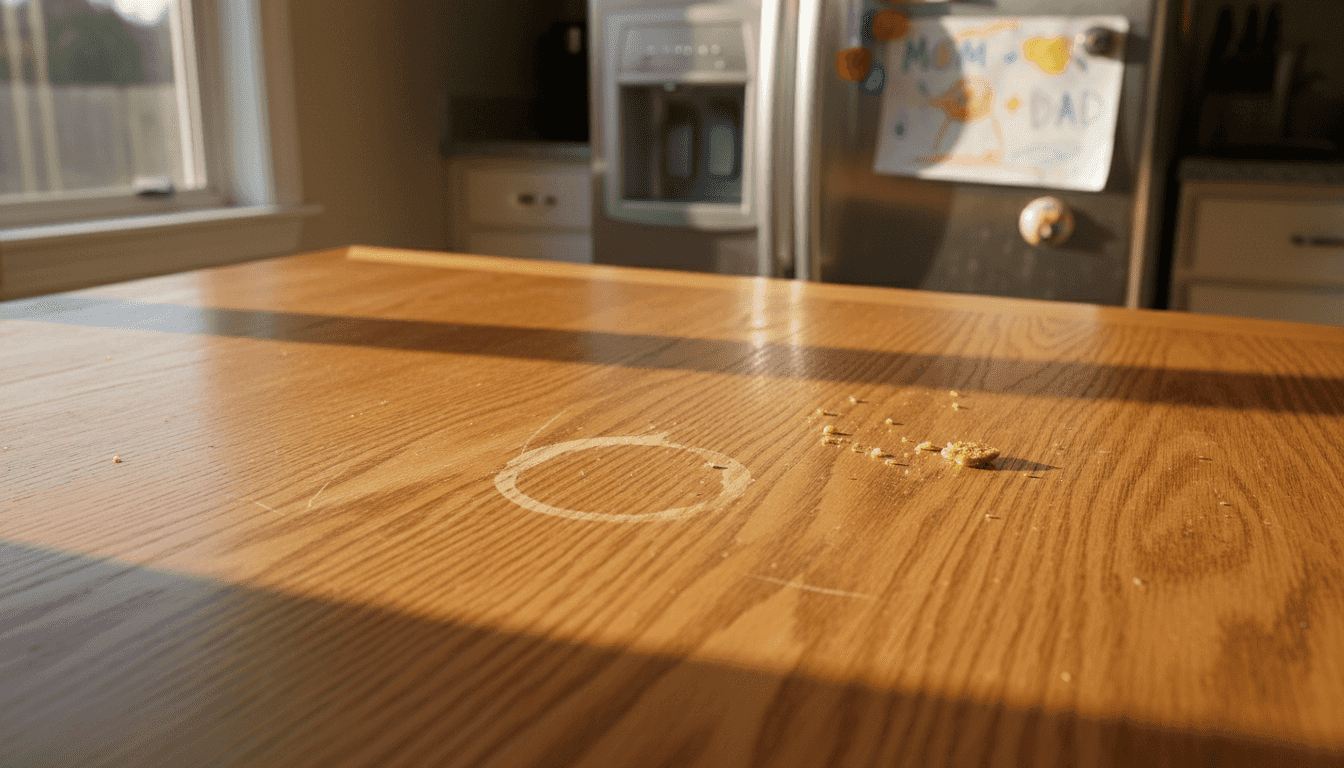
The open grain structure creates oak’s signature textured appearance. This prominent grain pattern accepts stains beautifully, allowing you to achieve rich, deep colors while the natural texture remains visible. Quarter sawn oak reveals stunning ray fleck patterns that add character to fine furniture.
Oak works well for heavy use indoor furniture applications. Tables, chairs, bed frames, and bookshelves benefit from oak’s strength and longevity. The wood machines cleanly with sharp tools, though the hardness requires more effort than softwoods. Sanding removes mill marks effectively, and the open grain accepts various finishes from oil to polyurethane.
Cost sits in the moderate to higher range, typically $4 to $8 per board foot for common grades. Wider boards and premium grades command higher prices. Oak remains widely available throughout the US at most lumber yards and home centers, making it accessible for DIY builders.
Best suited for: Traditional furniture styles requiring long lasting durability, projects where pronounced grain adds visual interest, and pieces that will see heavy daily use.
Exploring oak wood for DIY furniture reveals why this species remains a workshop staple. Its balance of workability, strength, and classic appearance makes oak a versatile choice for countless furniture designs.
Maple: hard, dense wood for durable and smooth furniture
Maple ranks among the hardest domestic woods available, offering exceptional durability when you need furniture that resists wear and damage. This density creates both advantages and challenges for woodworkers.
Maple wood features close grain and high hardness around 1450 lbf, ensuring your furniture withstands decades of use. This extreme hardness means maple resists dents better than most alternatives, making it perfect for surfaces that take abuse like cutting boards, workbenches, and dresser tops.
The tight, uniform grain creates a smooth, refined appearance once finished. Maple’s light cream color with subtle grain provides a clean, modern aesthetic that works in contemporary or traditional designs. The wood occasionally displays figured patterns like bird’s eye or curly maple, which command premium prices for their striking visual effects.
Working with maple demands sharp tools and patience. Dull blades burn the dense wood, leaving marks that require extensive sanding to remove. Carbide tipped saw blades and freshly sharpened hand tools become essential. Pre drilling for screws prevents splitting, and slow feed rates through power tools yield the best results.
Maple costs more than common hardwoods, ranging from $5 to $10 per board foot for standard grades. Figured varieties can exceed $20 per board foot. Availability remains good at specialty lumber dealers, though home centers may stock limited quantities.
Common applications include cabinets, dressers, tabletops, and any furniture requiring smooth, durable surfaces. Maple accepts clear finishes beautifully, allowing the wood’s natural light color to shine through. Some woodworkers find maple challenging to stain evenly due to varying density, so testing on scrap pieces proves crucial.
Pro Tip: Apply wood conditioner before staining maple to achieve more uniform color absorption and prevent blotchy appearance.
Learning about finishing maple furniture ensures your hard work results in a professional looking piece. Proper surface preparation and finish selection maximize maple’s natural beauty and protective qualities.
Other popular woods for furniture: walnut, cherry, pine, and teak
Beyond oak and maple, four additional wood species offer distinct advantages for furniture making. Each serves specific needs from beginner friendly options to premium outdoor materials.
Walnut delivers unmatched visual appeal with its rich color and grain patterns that make it highly prized for aesthetic focused projects. The chocolate brown heartwood features purple and gray undertones that deepen with age. Moderate hardness around 1010 lbf provides good durability without the extreme density of maple. Walnut machines beautifully and takes a lustrous finish with minimal effort. The premium price of $10 to $15 per board foot reflects its desirability for fine furniture, gun stocks, and decorative accents. Use walnut when appearance matters most and budget allows.
Cherry offers excellent workability for hobbyists learning furniture making. Cherry wood darkens over time with light exposure, adding natural aging charm as your furniture matures from pale pink to deep reddish brown. The moderate hardness around 995 lbf balances durability with ease of cutting and shaping. Cherry machines cleanly, glues well, and accepts stains evenly, though many builders prefer clear finishes to showcase the color transformation. Mid range pricing of $6 to $10 per board foot makes cherry accessible for special projects. Perfect for cabinets, decorative boxes, and bedroom furniture where the evolving patina becomes part of the piece’s story.
Pine stands out as the most beginner friendly furniture wood. Softwoods like pine are less dense, making them easier to work with basic tools but less durable than hardwoods. Janka ratings range from 380 to 870 lbf depending on the pine species. The affordability of $2 to $4 per board foot encourages experimentation and skill building without financial risk. Pine’s light color and visible knots create rustic charm in farmhouse style furniture. The softness means dents and dings occur easily, giving pine furniture a lived in character over time. Ideal starter wood for practice projects, children’s furniture, and casual pieces where a relaxed aesthetic fits.
Teak excels for outdoor furniture thanks to natural properties that resist the elements. Teak’s exceptional moisture resistance comes from natural oils that repel water and prevent insect damage. The hardness around 1155 lbf ensures outdoor pieces withstand weather and use for decades. Golden brown color weathers to attractive silver gray if left unfinished outdoors. Teak’s premium cost of $20 to $30 per board foot reflects limited supply and superior outdoor performance. The wood machines well despite density, producing smooth surfaces that feel pleasant to touch. Reserve teak for patio furniture, boat building, and exterior applications where longevity justifies the investment.
Exploring furniture projects using walnut and cherry provides inspiration for applying these beautiful hardwoods. Each species brings unique characteristics that influence both the building process and finished appearance.
Comparing popular furniture woods: durability, cost, and use cases
A side by side comparison clarifies how these six wood types stack up across critical factors. This table helps you quickly assess tradeoffs when planning your next furniture project.
| Wood Type | Janka Hardness (lbf) | Cost per Board Foot | Workability | Best Applications |
|---|---|---|---|---|
| Oak | 1290 to 1360 | $4 to $8 | Moderate | Heavy use indoor furniture, tables, chairs |
| Maple | 1450 | $5 to $10 | Difficult | Durable surfaces, cabinets, modern designs |
| Walnut | 1010 | $10 to $15 | Easy | Fine furniture, decorative pieces, high end projects |
| Cherry | 995 | $6 to $10 | Easy | Cabinets, bedroom furniture, decorative items |
| Pine | 380 to 870 | $2 to $4 | Very Easy | Beginner projects, rustic furniture, practice pieces |
| Teak | 1155 | $20 to $30 | Moderate | Outdoor furniture, patio sets, marine applications |
The hardness ratings reveal dramatic differences in dent resistance. Maple’s 1450 lbf rating means it withstands nearly four times the force before denting compared to soft pine at 380 lbf. This explains why maple kitchen counters stay smooth while pine tabletops develop character marks quickly.
Cost variations reflect both availability and desirability. Teak’s premium price stems from limited supply and unmatched outdoor performance, while abundant pine remains affordable for everyone. Mid range hardwoods like oak and cherry balance quality with reasonable cost for most furniture projects.
Workability ratings guide tool and skill requirements. Very easy woods like pine cut smoothly with basic hand tools, making them perfect for beginners. Difficult woods like maple demand sharp carbide tools and experience to avoid burning or tearout. Easy rating woods such as walnut and cherry occupy the sweet spot where moderate skills produce excellent results.
Indoor applications suit most of these woods when properly finished. Oak, maple, walnut, cherry, and pine all perform well in climate controlled environments. Only teak truly excels outdoors without extensive protective finishes, though cedar and redwood also serve exterior projects well.
Pro Tip: Calculate total material cost including waste by multiplying board footage needed by 1.2, then multiplying by the price per board foot for your chosen wood.
Reviewing this comparison of furniture woods helps match species to specific project requirements. The right wood choice balances your priorities across durability, budget, workability, and intended use.
Choosing the best wood for your project: situational recommendations
Applying wood knowledge to real scenarios ensures you select species that match your specific needs. These recommendations address common furniture building situations.
-
Heavy use indoor furniture requiring maximum durability: Choose oak or maple for dining tables, kitchen islands, and desk tops that endure constant impact. The high Janka ratings prevent denting from dropped items and daily wear. Oak costs less than maple while providing nearly equal durability, making it the value choice for large projects.
-
Beginner friendly projects for skill development: Start with pine or cherry to build confidence without expensive mistakes. Pine’s softness forgives dull tools and uncertain cuts, while cherry offers a step up in quality that still works easily. Both species teach fundamental techniques before investing in premium hardwoods.
-
Outdoor furniture exposed to weather: Select teak for patio tables, benches, and planters that face rain, sun, and temperature swings. The natural oils eliminate the need for constant refinishing while preventing rot and insect damage. Although expensive, teak outdoor furniture lasts decades compared to years for untreated alternatives.
-
Budget conscious projects maintaining good appearance: Pine delivers attractive rustic charm at minimal cost for bookcases, storage boxes, and casual furniture. The visible knots and grain add character that fits farmhouse and cottage styles perfectly. Accept that soft pine will develop dents and marks that contribute to its relaxed aesthetic.
-
High end decorative furniture showcasing wood beauty: Walnut or cherry creates stunning focal pieces like media consoles, accent tables, and display cabinets. Walnut’s dark chocolate tones command attention immediately, while cherry’s color evolution tells a story over years. The moderate hardness of both species allows intricate details and joinery.
-
Modern minimalist designs emphasizing clean lines: Maple’s light color and subtle grain support contemporary aesthetics without competing for visual attention. The smooth, uniform surface serves as a neutral canvas for simple forms and geometric shapes. Hard maple ensures these pieces maintain crisp edges and flat surfaces indefinitely.
Understanding situational wood selection tips transforms vague ideas into concrete material decisions. Your project requirements, skill level, and budget naturally point toward specific wood choices when you evaluate them systematically.
Explore woodworking plans to master your furniture projects
Selecting the right wood represents just the first step toward building beautiful, durable furniture. Free woodworking plans provide the detailed guidance you need to transform raw lumber into finished pieces you’ll treasure for years.
Whether you’re working with affordable pine or premium walnut, having a solid plan prevents costly mistakes and wasted materials. Our collection includes projects designed for all skill levels, from simple beginner builds to advanced joinery techniques. Each plan specifies recommended wood types, cutting lists, and step by step assembly instructions that match your chosen materials.
Inspiring woodworking project ideas help you discover new ways to apply your wood knowledge. Browse furniture styles from rustic farmhouse to modern minimalist, finding designs that match both your aesthetic preferences and skill level. Understanding why using woodworking plans improves your results helps you approach each project with confidence, knowing you have expert guidance throughout the building process.
Frequently asked questions
What is the easiest wood for beginner furniture makers?
Pine and cherry offer the best starting point for new woodworkers due to their softness and workability. Pine cuts, shapes, and finishes easily with basic tools, allowing beginners to focus on techniques rather than fighting difficult materials. Cherry provides a step up in quality while remaining forgiving to work with, giving practice with hardwood characteristics at a moderate price point that won’t devastate your budget if mistakes occur.
How do I know if a wood is suitable for outdoor furniture?
Look for species with natural oils and tight grain structures like teak that inherently resist moisture penetration and insect damage. These woods survive exterior conditions without constant maintenance or rapid deterioration. Alternatively, you can use less resistant woods outdoors by applying marine grade sealants and finishes, though this requires regular reapplication every one to three years to maintain protection against weather exposure.
Why does wood hardness matter for furniture?
Hardness measured by Janka testing determines how well wood resists dents, scratches, and wear from daily use. Choosing appropriately hard wood ensures your furniture maintains its appearance and structural integrity throughout its intended lifespan. Soft woods work fine for decorative pieces with minimal contact, while high traffic surfaces demand harder species to avoid damage that compromises both function and aesthetics over time.
Can I mix different wood types in one furniture piece?
Mixing wood species in a single project works when you account for differences in expansion rates, grain patterns, and finishing characteristics. Combining woods with similar hardness levels prevents uneven wear, while matching expansion properties across the grain prevents joints from failing as humidity changes. Consider contrast carefully, as dramatic color differences create intentional accents while subtle variations may look unplanned or mismatched in the finished piece.
How do I calculate how much wood I need for a project?
Start with your furniture dimensions to determine the total board footage required by multiplying length times width times thickness in inches, then dividing by 144 to convert to board feet. Add 15 to 20 percent extra to account for defects, cutting mistakes, and future repairs. Multiply this adjusted total by your chosen wood’s price per board foot to estimate material costs before purchasing lumber.
Recommended
- Wood Types Explained: Choosing for DIY Projects
- Role of Wood Selection in DIY Woodworking Projects
- Top 6 Woodreality.com Alternatives in 2026 for DIY Woodworkers
- Real Woodwork Plans – Free Woodworking Plans

“DIY woodworking enthusiast who started with zero experience and a YouTube tutorial.
I build simple, practical projects for my home and share free plans
so other beginners can skip the guesswork.If I can build it, you can too.”