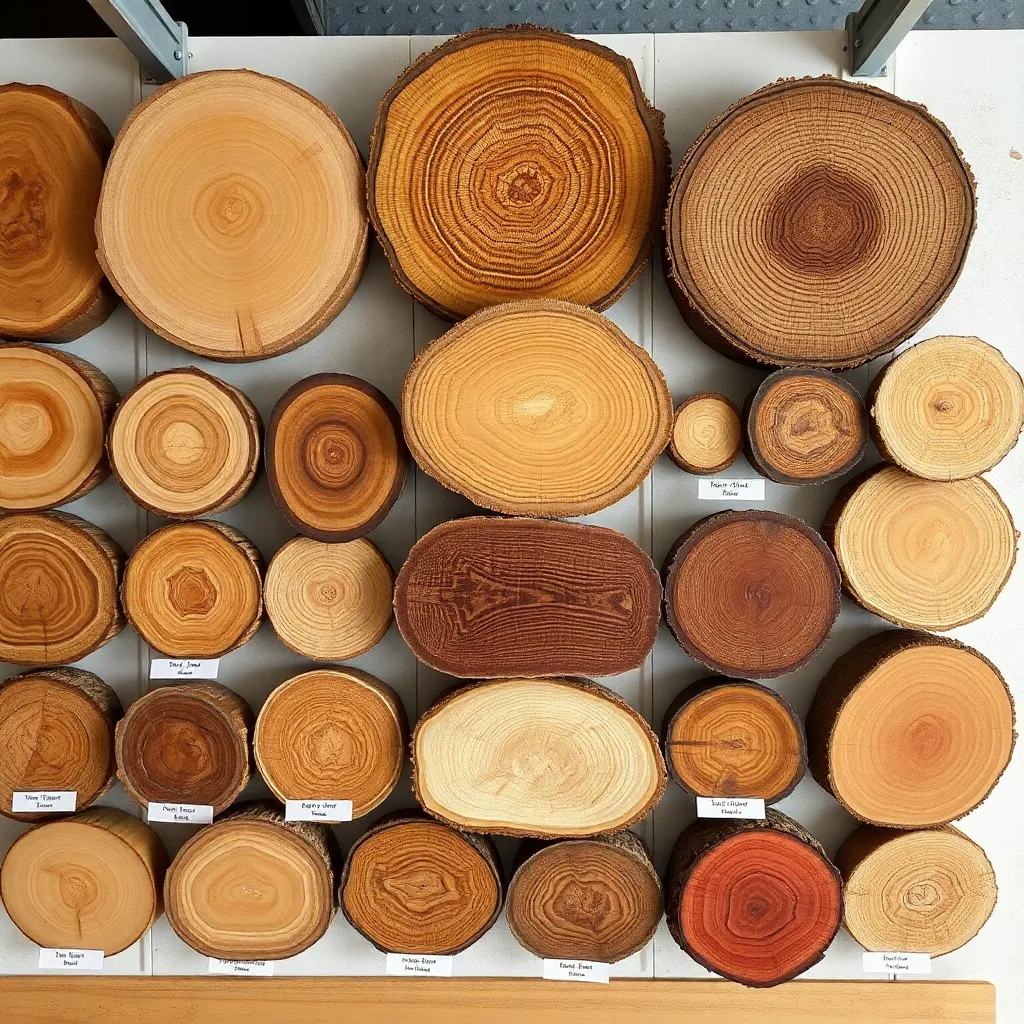
Wood comes in hundreds of species, but for woodworking purposes, most projects draw from a core group of 15–20 species available at lumber yards and hardwood dealers. Understanding the types — hardwood vs softwood, open vs closed grain, stable vs unstable — lets you match the right material to each project and predict how a new species will behave in the shop.
Ted’s Woodworking has complete project plans with wood species recommendations for every build. Browse Ted’s plans →
Wood also moves with humidity — learn why wood warps and how to prevent it.
Step 1: Understand the Hardwood vs Softwood Distinction
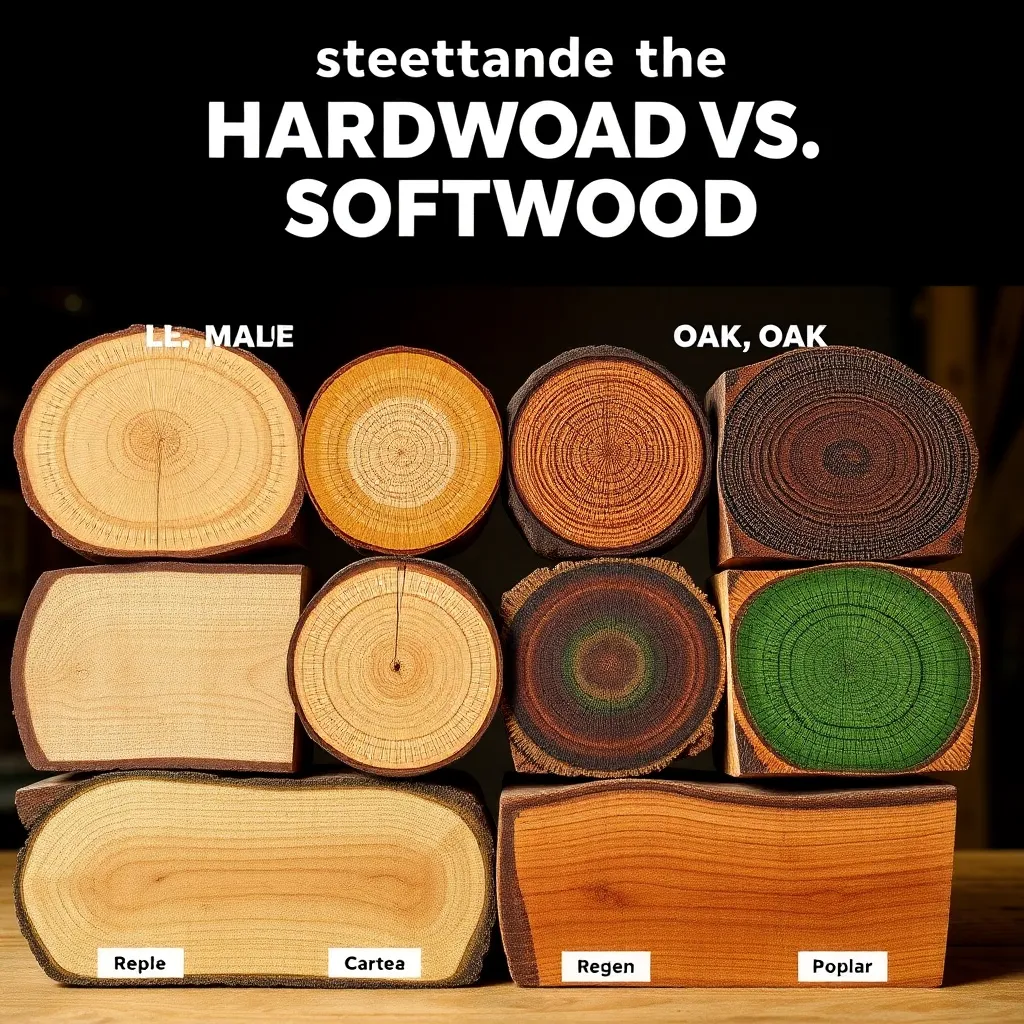
Goal: Know the botanical basis for the hardwood/softwood classification and what it means in practice.
The hardwood/softwood distinction is botanical, not physical:
The correlation with actual physical hardness is imperfect. Balsa is classified as a hardwood (it’s deciduous) but is extremely soft. Longleaf pine is classified as softwood but is harder than many hardwoods. In practice: furniture and cabinetry typically use hardwoods; framing, construction, and outdoor structures typically use softwoods.
Milestone: Given five species names, correctly classify each as hardwood or softwood.
Step 2: Learn the Open-Grain vs Closed-Grain Distinction
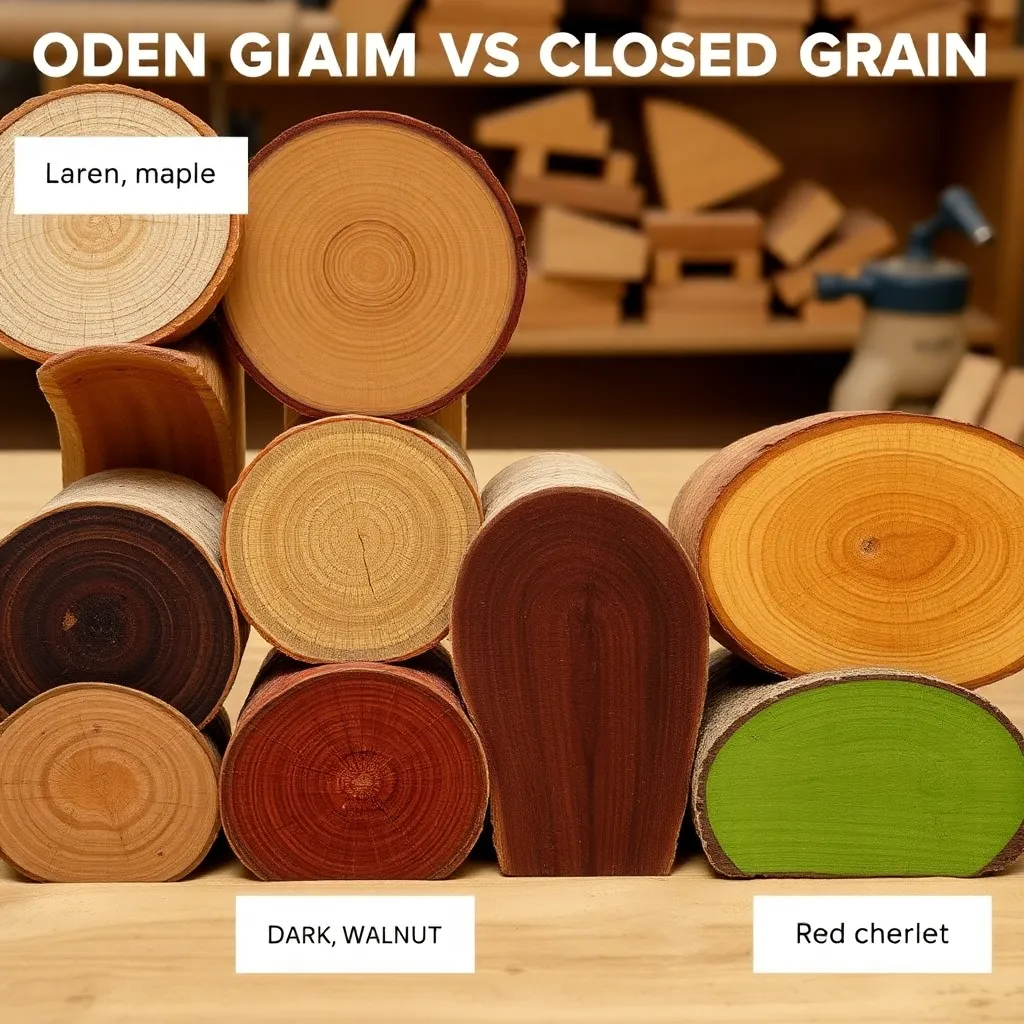
Goal: Identify open-grain and closed-grain species and understand the finishing implications.
Open-grain (ring-porous) hardwoods: oak, ash, walnut, hickory. These species have large pores visible to the naked eye. When finishing, the pores must be filled (with a grain filler or pore-filling primer) for a glassy smooth surface. Without filling, the pores show through the finish as texture. For rustic or natural finishes, this texture is often desirable.
Closed-grain (diffuse-porous) hardwoods: maple, cherry, birch, poplar, beech. These species have small, evenly distributed pores. They sand smooth easily and take a glossy finish without grain filling. The downside: closed-grain woods (especially maple) absorb stain unevenly (blotching) and require a pre-conditioner or gel stain for even color.
Softwoods: always closed-grain by structure, but contain resin canals that can cause bleed-through on painted surfaces — use shellac as a barrier coat before painting.
Milestone: From a set of boards, identify which are open-grain and which are closed-grain.
Step 3: Identify Common Hardwood Species
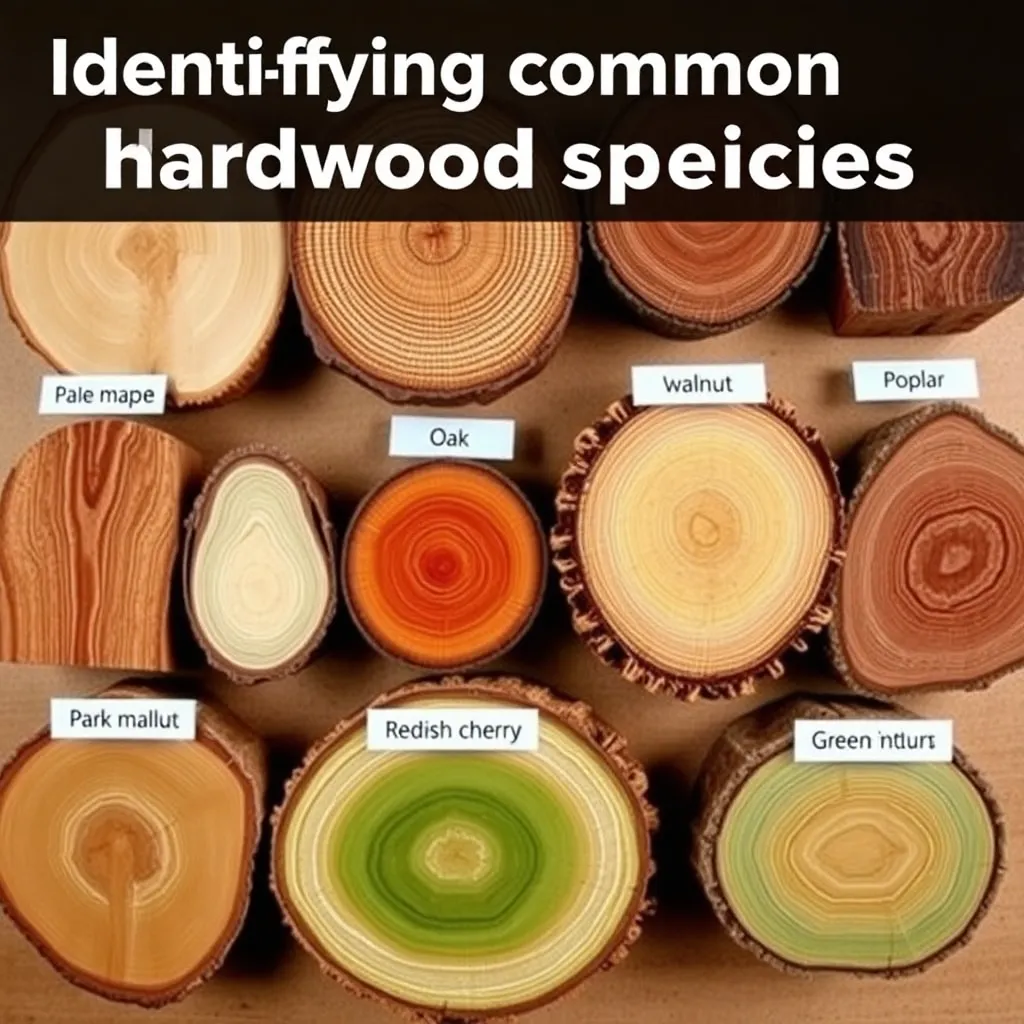
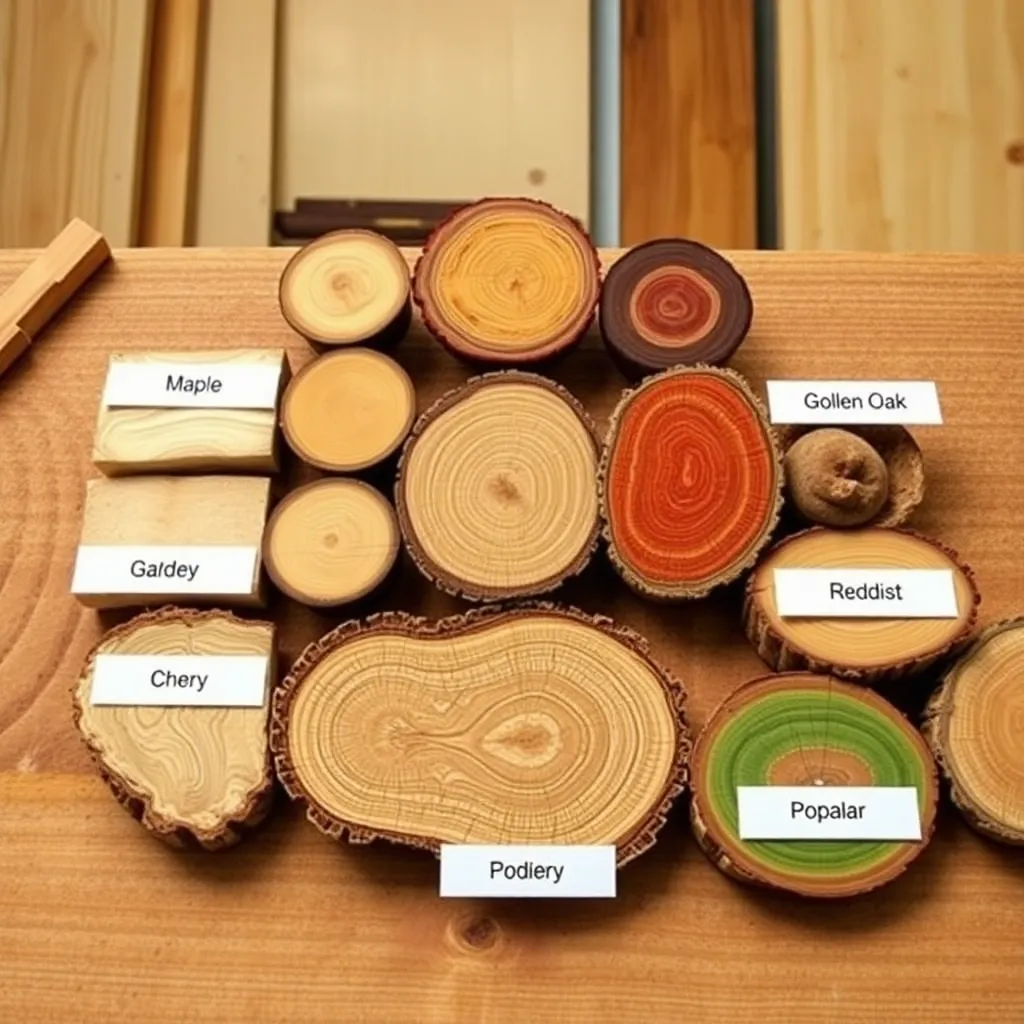
Goal: Recognize the 8 most common furniture hardwoods by color, grain, and weight.
Red oak: tan-brown with a pinkish tinge, large open pores, distinctive ray flecks on quartersawn face, heavy. The most available and affordable furniture hardwood.
Hard maple: very pale (nearly white to cream), fine closed grain, very heavy and hard. Used for cutting boards, workbench tops, flooring.
Cherry: light pink-brown when fresh, darkens dramatically to rich reddish-brown over years, fine closed grain, medium weight. One of the finest American furniture woods.
Black walnut: dark chocolate brown heartwood, straight to slightly wavy grain, distinctive, medium-heavy. Premium pricing — a luxury furniture wood.
White ash: light tan-beige, open grain (similar to oak), excellent shock resistance. Used for tool handles and sports equipment as well as furniture.
Poplar: pale green-yellow with occasional dark streaks, closed grain, lightweight. The standard painted-furniture wood — smooth surface, takes paint beautifully.
Birch: pale cream to light tan, very similar to hard maple, fine grain. Available as plywood (birch plywood is a cabinetmaking staple).
Hickory: very pale sapwood, contrasting brown heartwood, very hard and heavy, dramatic figure. The hardest common domestic hardwood.
Milestone: At a lumber yard, identify each of these species by visual inspection alone.
Step 4: Identify Common Softwood Species
Goal: Recognize the most common softwood species used in woodworking.
Pine (various species): white to yellow, visible resin canals, knots common in lower grades. Eastern white pine is softer and more consistent; southern yellow pine is harder. Widely used for painted furniture, trim, and framing.
Douglas fir: straight, pronounced grain lines (darker latewood alternating with lighter earlywood), medium-hard for a softwood. The standard structural softwood in North America.
Western red cedar: reddish-brown, aromatic, lightweight, naturally rot-resistant. Used for outdoor projects, closet linings, and siding.
Redwood: similar to cedar, deep red-brown, lightweight, rot-resistant. Primarily used for outdoor decking and furniture in California and the western US.
Sitka spruce: nearly white, straight tight grain, lightweight and stiff. Used for guitar soundboards and aircraft components — the highest strength-to-weight ratio of common species.
Milestone: Identify pine, cedar, and Douglas fir by color and grain pattern in a home center lumber section.
Step 5: Understand Wood Movement and Stability
Goal: Predict how different wood types expand and contract with humidity changes.
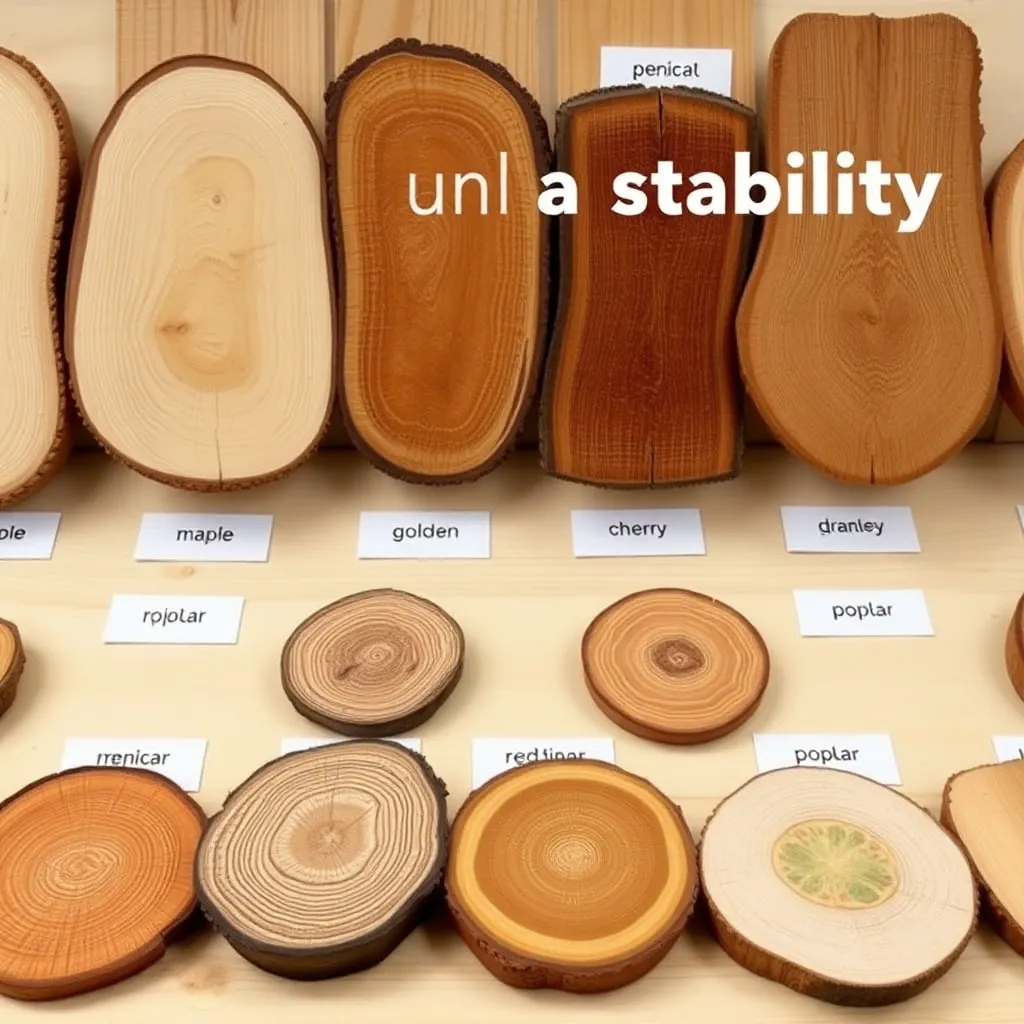
All wood expands in high humidity and contracts in low humidity — across the grain (width and thickness), never along the grain (length). The amount of movement varies dramatically by species.
Movement comparison (approximate % change in width from green to dry):
Practical implication: a 12-inch wide tabletop in red oak can move ¾ inch or more between a dry winter and a humid summer. Design wide panels with floating joints (not fixed glue bonds at the edges) and attach tabletops with clips or buttons that allow movement.
Milestone: Calculate the expected seasonal movement of a 10-inch wide cherry panel. (Answer: 10 × 0.071 = approximately ⅝ inch seasonal movement.)
Step 6: Select the Right Wood Type for Your Project
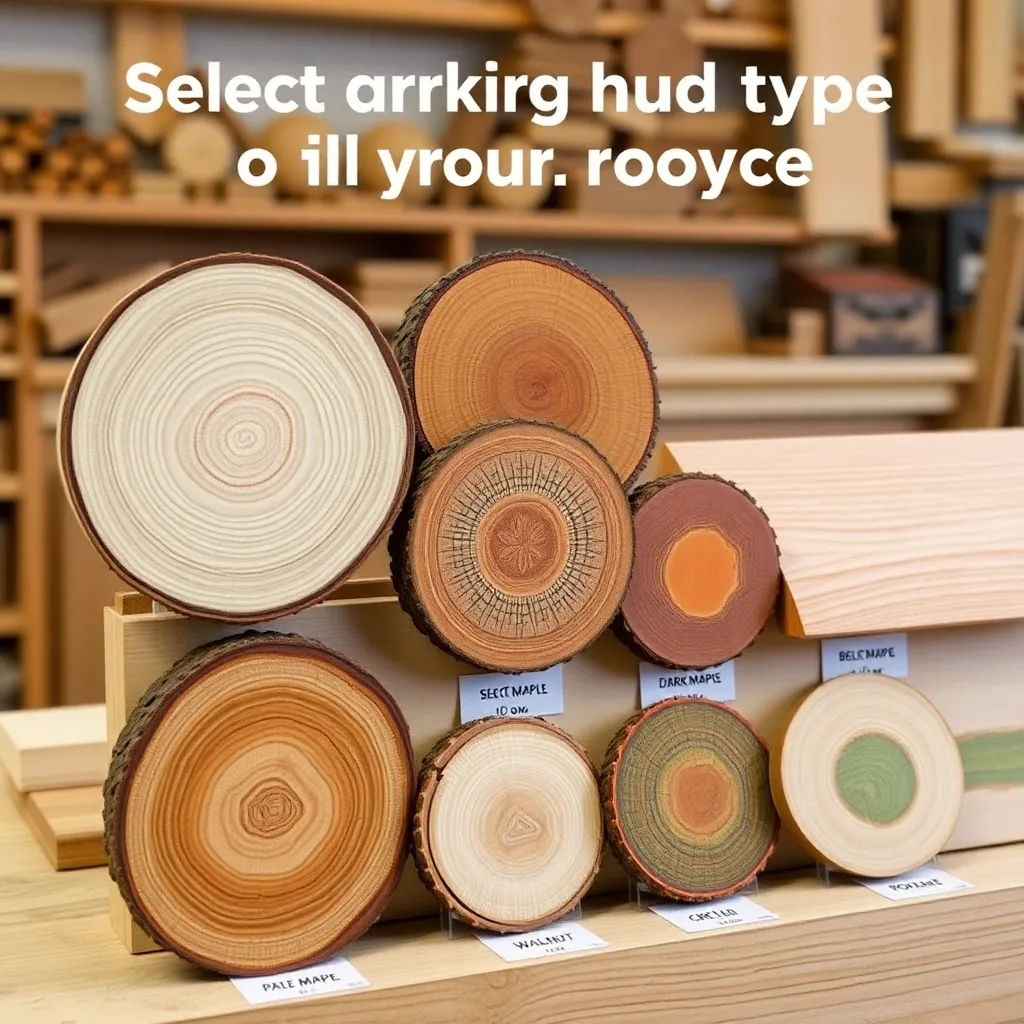
Goal: Match wood type to application using hardness, stability, appearance, and budget.
| Project | Best Species | Why |
|---|---|---|
| Cutting board | Hard maple, end-grain walnut | Hardness resists cutting marks; food-safe |
| Painted furniture | Poplar | Smooth, accepts paint without blotching |
| Natural-finish dining table | Walnut, cherry, or white oak | Beautiful grain, durable, furniture-grade |
| Outdoor furniture | Cedar, teak, ipe | Rot-resistant; teak/ipe most durable |
| Workbench top | Hard maple or Douglas fir | Hard surface; resists dents |
| Cabinet boxes | Birch plywood | Stable, consistent, affordable |
| Drawer boxes | Baltic birch plywood | Void-free, holds screws at edges |
| Turned bowls | Cherry, maple, walnut | Dense, even grain for smooth surfaces |
Milestone: For a specific project you’re planning, select the appropriate wood type and justify the choice using at least two of the criteria above.
Common Pitfalls in Wood Selection
Most woodworking mistakes happen before you make a single cut. Poor wood selection sabotages even well-designed projects. Understanding what to avoid transforms your success rate dramatically.
Beginners often overlook wood defects entirely. A knot that seemed minor becomes a structural weak point. A hidden crack splits wider as the wood moves. Warping ruins joinery that took hours to fit. These aren’t rare problems—they’re preventable with proper inspection.
Common wood defects like knots and cracks compromise structural integrity and finish quality significantly. Failing to identify these issues during selection multiplies problems exponentially. Better material choice and understanding wood’s natural imperfections prevent most disasters.
Mistakes That Cost Time and Money
Ignoring wood movement causes joint failure and cosmetic damage. Wood expands and contracts with humidity changes. Selecting wood without accounting for seasonal movement creates warped tabletops and sticking doors. Plan for movement before you design joinery.
Mismatching wood type to project demands wastes both materials and effort. Soft wood in high-traffic areas gets marked and dinged. Inappropriate grain orientation creates tear-out during cutting. Wrong species for outdoor use leads to rot within seasons.
Common selection errors include:
- Choosing based solely on appearance without checking durability ratings
- Buying the cheapest option without understanding grade differences
- Ignoring moisture content, which causes warping and movement
- Overlooking sustainability impacts or sourcing problems
- Failing to inspect boards for hidden defects before purchasing
- Selecting wood without considering finishing requirements
Spend 15 minutes inspecting wood at purchase time or spend 15 hours fixing problems during construction.
How to Avoid These Pitfalls
Inspect every board carefully before buying. Look for warping, cracks, knots, and color inconsistencies. Run your hand across the surface to feel defects. Check moisture content with a meter if possible—wood should be acclimated to your workshop humidity.
Understand wood grading. Clear grades cost more but eliminate defects. Lower grades suit structural applications where knots don’t matter. Match grade to application rather than treating all wood equally.
Know your species before purchasing. Research durability, stability, workability, and finishing characteristics. A 10-minute internet search prevents costly mistakes. Local woodworking groups often share species-specific knowledge freely.
Consider sustainable sourcing practices when selecting vendors and species. Responsible choices protect forests while building projects you’ll keep longer.
The wood you reject at the store prevents problems that would derail projects months later.
Pro tip: Create a personal defect checklist—warp test, crack inspection, knot assessment—and photograph good and bad examples side-by-side; this reference prevents impulse buys of questionable material.
Comparing popular furniture woods: durability, cost, and use cases
A side by side comparison clarifies how these six wood types stack up across critical factors. This table helps you quickly assess tradeoffs when planning your next furniture project.
| Wood Type | Janka Hardness (lbf) | Cost per Board Foot | Workability | Best Applications |
|---|---|---|---|---|
| Oak | 1290 to 1360 | $4 to $8 | Moderate | Heavy use indoor furniture, tables, chairs |
| Maple | 1450 | $5 to $10 | Difficult | Durable surfaces, cabinets, modern designs |
| Walnut | 1010 | $10 to $15 | Easy | Fine furniture, decorative pieces, high end projects |
| Cherry | 995 | $6 to $10 | Easy | Cabinets, bedroom furniture, decorative items |
| Pine | 380 to 870 | $2 to $4 | Very Easy | Beginner projects, rustic furniture, practice pieces |
| Teak | 1155 | $20 to $30 | Moderate | Outdoor furniture, patio sets, marine applications |
The hardness ratings reveal dramatic differences in dent resistance. Maple’s 1450 lbf rating means it withstands nearly four times the force before denting compared to soft pine at 380 lbf. This explains why maple kitchen counters stay smooth while pine tabletops develop character marks quickly.
Cost variations reflect both availability and desirability. Teak’s premium price stems from limited supply and unmatched outdoor performance, while abundant pine remains affordable for everyone. Mid range hardwoods like oak and cherry balance quality with reasonable cost for most furniture projects.
Workability ratings guide tool and skill requirements. Very easy woods like pine cut smoothly with basic hand tools, making them perfect for beginners. Difficult woods like maple demand sharp carbide tools and experience to avoid burning or tearout. Easy rating woods such as walnut and cherry occupy the sweet spot where moderate skills produce excellent results.
Indoor applications suit most of these woods when properly finished. Oak, maple, walnut, cherry, and pine all perform well in climate controlled environments. Only teak truly excels outdoors without extensive protective finishes, though cedar and redwood also serve exterior projects well.
Pro Tip: Calculate total material cost including waste by multiplying board footage needed by 1.2, then multiplying by the price per board foot for your chosen wood.
Reviewing this comparison of furniture woods helps match species to specific project requirements. The right wood choice balances your priorities across durability, budget, workability, and intended use.
Choosing the best wood for your project: situational recommendations
Applying wood knowledge to real scenarios ensures you select species that match your specific needs. These recommendations address common furniture building situations.
-
Heavy use indoor furniture requiring maximum durability: Choose oak or maple for dining tables, kitchen islands, and desk tops that endure constant impact. The high Janka ratings prevent denting from dropped items and daily wear. Oak costs less than maple while providing nearly equal durability, making it the value choice for large projects.
-
Beginner friendly projects for skill development: Start with pine or cherry to build confidence without expensive mistakes. Pine’s softness forgives dull tools and uncertain cuts, while cherry offers a step up in quality that still works easily. Both species teach fundamental techniques before investing in premium hardwoods.
-
Outdoor furniture exposed to weather: Select teak for patio tables, benches, and planters that face rain, sun, and temperature swings. The natural oils eliminate the need for constant refinishing while preventing rot and insect damage. Although expensive, teak outdoor furniture lasts decades compared to years for untreated alternatives.
-
Budget conscious projects maintaining good appearance: Pine delivers attractive rustic charm at minimal cost for bookcases, storage boxes, and casual furniture. The visible knots and grain add character that fits farmhouse and cottage styles perfectly. Accept that soft pine will develop dents and marks that contribute to its relaxed aesthetic.
-
High end decorative furniture showcasing wood beauty: Walnut or cherry creates stunning focal pieces like media consoles, accent tables, and display cabinets. Walnut’s dark chocolate tones command attention immediately, while cherry’s color evolution tells a story over years. The moderate hardness of both species allows intricate details and joinery.
-
Modern minimalist designs emphasizing clean lines: Maple’s light color and subtle grain support contemporary aesthetics without competing for visual attention. The smooth, uniform surface serves as a neutral canvas for simple forms and geometric shapes. Hard maple ensures these pieces maintain crisp edges and flat surfaces indefinitely.
Understanding situational wood selection tips transforms vague ideas into concrete material decisions. Your project requirements, skill level, and budget naturally point toward specific wood choices when you evaluate them systematically.
Table of Contents
- What is wood grain?
- Types of wood grain: open vs. closed
- How wood grain affects finishing and staining
- Choosing the right wood grain for your project
- Tips for working with wood grain
- Next steps for woodworking success
- Frequently asked questions
Table of Contents
- What is wood grain?
- Types of wood grain: open vs. closed
- How wood grain affects finishing and staining
- Choosing the right wood grain for your project
- Tips for working with wood grain
- Next steps for woodworking success
- Frequently asked questions
Types of Wood FAQ
What is the strongest type of wood?
For structural applications: the strongest domestic species by compression strength are black locust, osage orange, and hickory. For workbench tops and tool handles where impact resistance matters: hickory and white ash. For tension applications (bending strength): hickory and white oak have the highest modulus of rupture. For the best strength-to-weight ratio: Sitka spruce (used in aircraft). For most furniture applications, “strongest” is less important than stability and workability — cherry, maple, and oak are all more than strong enough for furniture while being much easier to work than the extreme hardwoods.
What type of wood doesn’t warp?
No wood is completely warp-proof — all wood moves with humidity. The species with the least movement: mahogany, teak, western red cedar, and black locust. For maximum warp resistance within a species: use quartersawn lumber (the rays run perpendicular to the face rather than at an angle — this orientation shrinks and swells more evenly, reducing cup and bow). Kiln-dried lumber is more stable than air-dried. Wood acclimated to the shop environment before cutting is more stable than freshly arrived lumber. Store lumber flat with stickers (spacers) between layers to allow air circulation and prevent differential drying that causes warping.
Is pine a hardwood or softwood?
Pine is a softwood — it comes from coniferous trees (Pinus genus) that bear needles and cones. Despite its botanical classification, some pine species (particularly longleaf pine and southern yellow pine) are physically quite hard and dense — harder than some hardwoods like poplar and basswood. Eastern white pine, on the other hand, is very soft and easy to dent. The key distinction for woodworking: pine is a softwood that works easily, takes paint well, and is widely available at home centers in dimensional form (2×4s, 1×6s). For furniture with natural finishes, choose a hardwood; for painted furniture on a budget, pine or poplar both work well.
What is the most beautiful wood for furniture?
Beauty in wood is subjective, but the species most consistently cited by woodworkers and furniture makers: (1) black walnut — the rich chocolate brown with subtle grain variation is difficult to replicate synthetically; (2) figured maple — curly, quilted, and bird’s-eye figure create optical effects unmatched by other species; (3) cherry — the way it darkens from pale pink to deep reddish-brown over years of light exposure is unique among furniture species; (4) wenge — a tropical species with dramatic black and brown striping; (5) bubinga — a tropical hardwood with rich pinkish-red color and interlocked grain that produces a wavy ribbon figure when quartersawn.

“DIY woodworking enthusiast who started with zero experience and a YouTube tutorial.
I build simple, practical projects for my home and share free plans
so other beginners can skip the guesswork.If I can build it, you can too.”