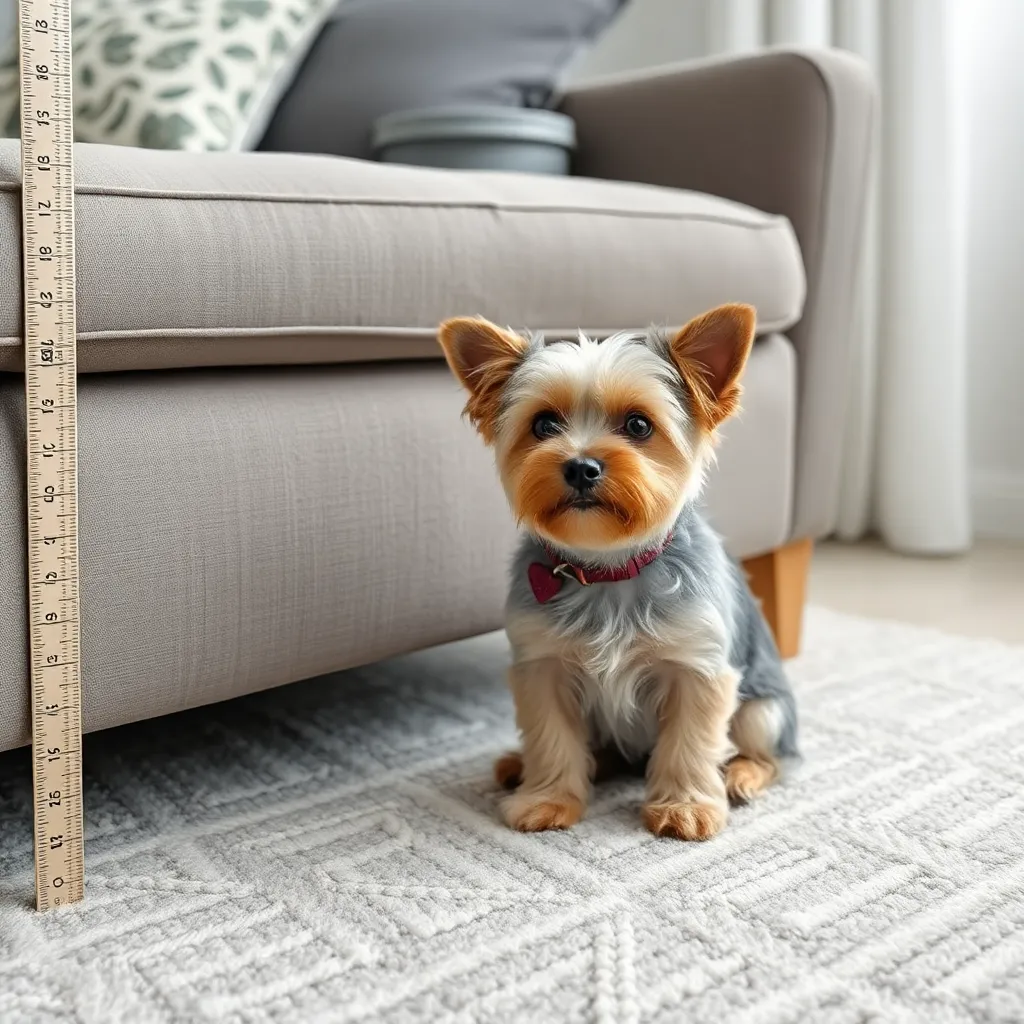
Dog bed steps are the compact alternative to full stairs — two wide, low platforms that step up to sofa or bed height, with a smaller footprint and simpler construction. These plans cover a 2-step platform in solid pine with removable, washable fleece pad covers, a non-slip rubber base, and optional rope handles for moving between rooms. The finished steps are 18 inches wide × 14 inches deep × 18 inches tall — the right height for most sofas and low beds, and compact enough to slide under the sofa when not in use.
Ted’s Woodworking has complete dog step and pet furniture plans sized for every breed and bed height. Browse Ted’s pet plans →
Step 1: Determine the Right Height and Step Count
Dog bed steps work best at sofa height (18–20 inches) — the 2-step design reaches this height in just two wide, gentle rises of 9 inches each. For higher beds (24–26 inches), use a 3-step version by extending the plan with an additional step box.
Step dimensions for a 2-step design (18 inches total height):
- Bottom step: 9-inch rise, 14-inch run, 18-inch width
- Top step: 9-inch rise, 14-inch run, 18-inch width (sits on top of the bottom step, set back 4 inches)
- Total footprint: 18 inches wide × 18 inches deep (bottom step depth) + 14 inches (top step depth) = 18×32 inches
The 4-inch setback between the bottom and top step creates the classic two-step silhouette and gives the dog’s back paws room to push off the bottom step while the front paws are on the top step.
Step 2: Build the Bottom Step Box
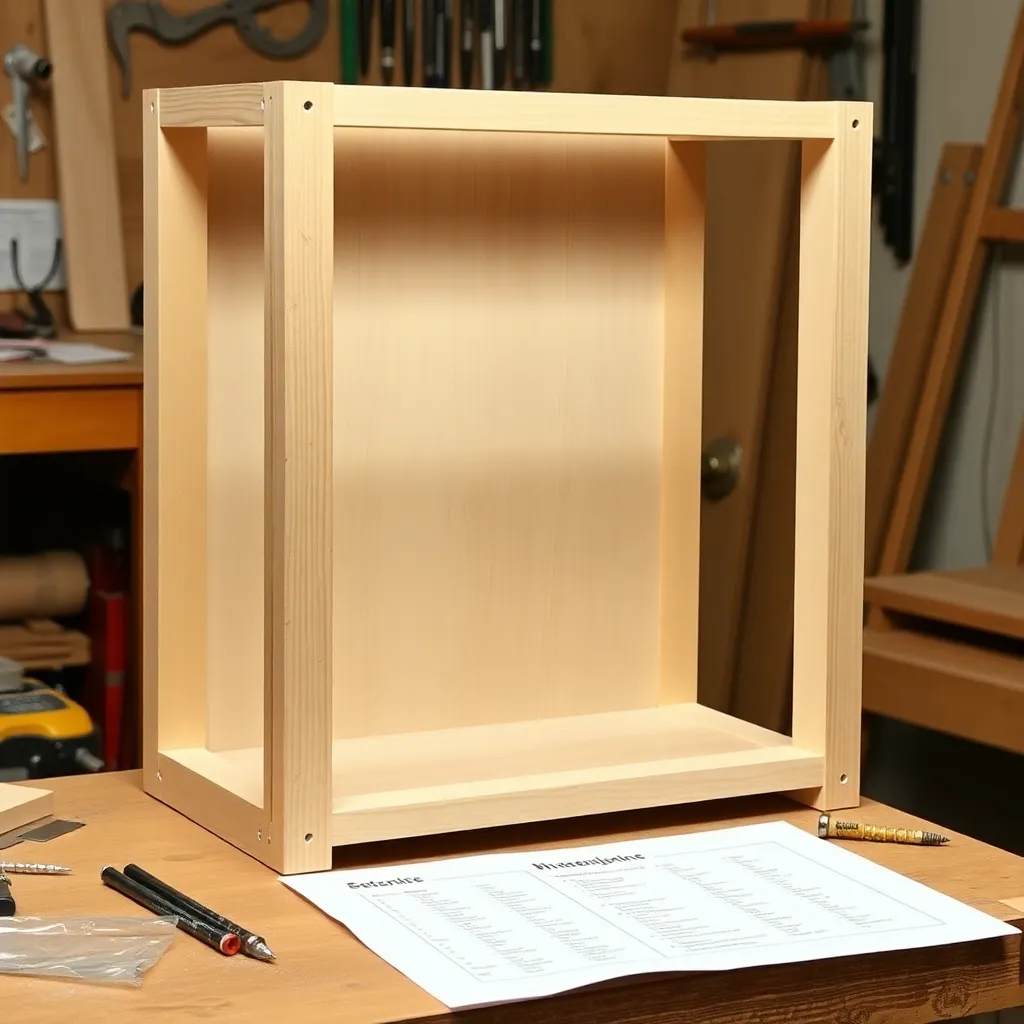
Each step is a hollow plywood box — lightweight, strong, and easy to cover with fabric.
Cut list for the bottom step box:
- 2 × sides: ¾-inch plywood at 9×14 inches
- 1 × front: ¾-inch plywood at 9×16½ inches (between the sides)
- 1 × back: ¾-inch plywood at 9×16½ inches
- 1 × top: ¾-inch plywood at 14×18 inches (the step surface)
Assembly:
- Glue and nail (or screw) the two sides to the front and back panels — forming a rectangular box open at the top
- Nail the top panel onto the assembled box
- Sand all edges to remove splinters
The bottom box is a simple four-sided frame with a top surface. No bottom panel needed — the floor provides the base. Total weight of the assembled bottom box in ¾-inch plywood: approximately 8 lbs.
Step 3: Build the Top Step Box
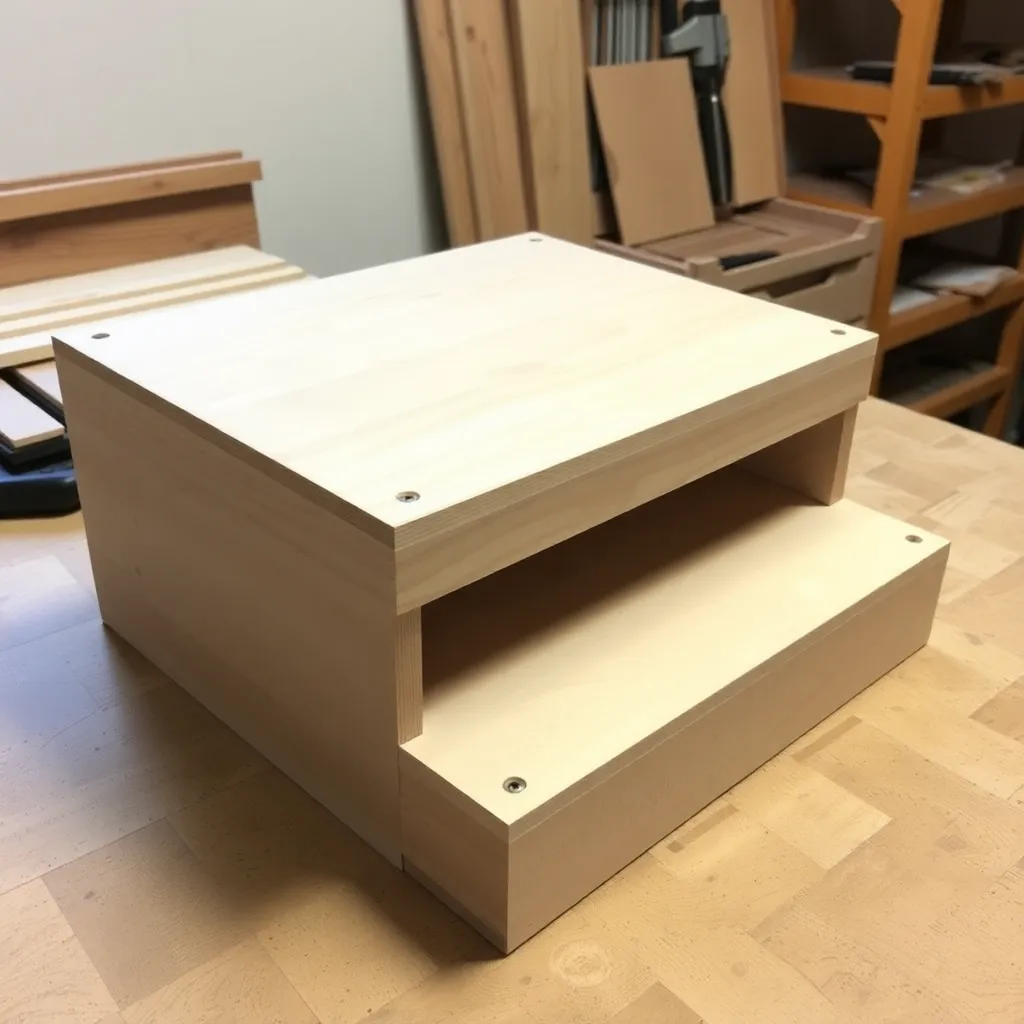
The top step box sits on the rear section of the bottom step, creating the elevated second step.
Cut list for the top step box:
- 2 × sides: ¾-inch plywood at 9×14 inches
- 1 × front: ¾-inch plywood at 9×16½ inches
- 1 × back: ¾-inch plywood at 9×16½ inches
- 1 × top: ¾-inch plywood at 14×18 inches
The top box is identical to the bottom box in construction. After assembling, position it on the rear 14 inches of the bottom step top panel (set back 4 inches from the front edge of the bottom step) and screw it down from the inside with 1½-inch screws through the bottom of the top box into the top panel of the bottom box.
Checking stability: Once assembled, press down on the top step with your body weight. The whole unit should be completely rigid without any flexing or rocking. If it rocks, check that all joints are tight and the floor is level.
Step 4: Sew the Fleece Pad Covers
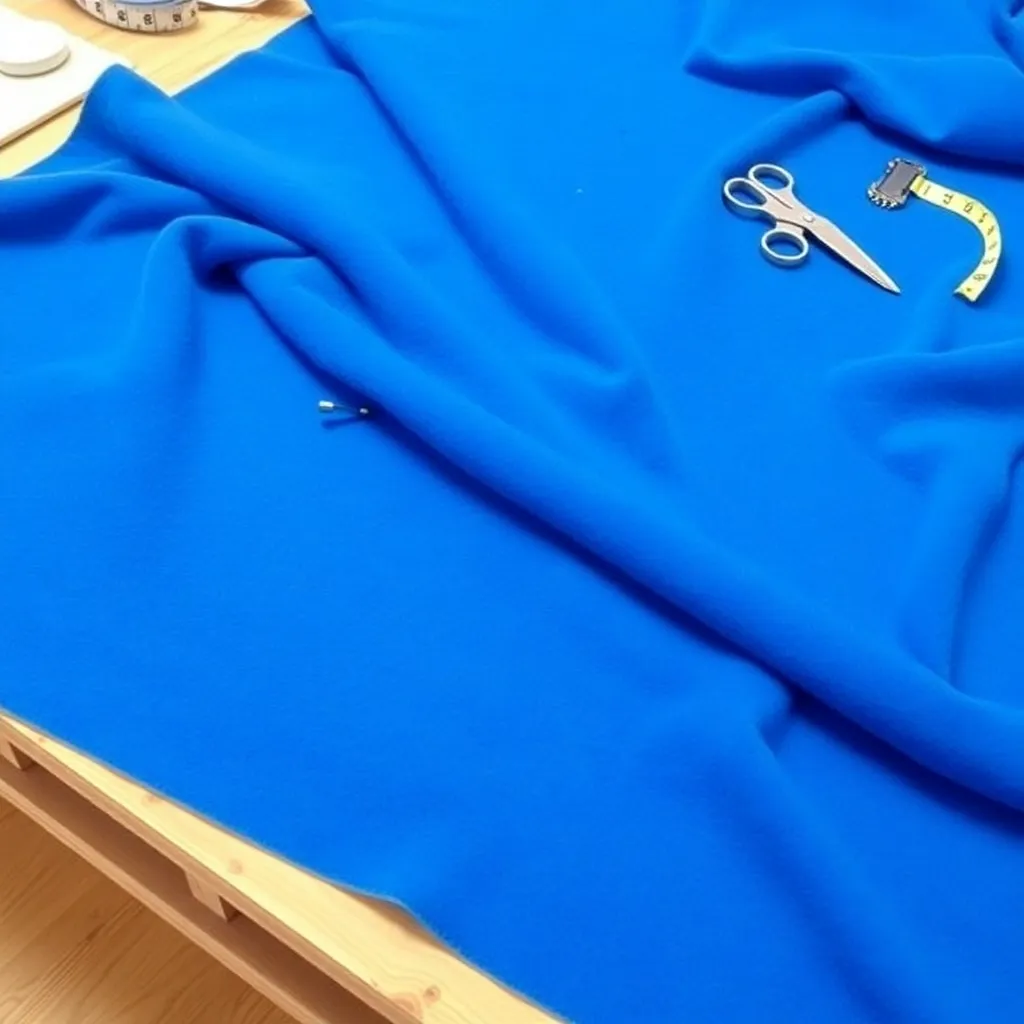
Removable washable covers are what distinguish these steps from a plain plywood box — they make the steps comfortable for the dog and easy to keep clean.
Materials for two fleece pad covers:
- 1 yard of anti-pill fleece fabric (any color or pattern)
- Velcro or elastic hem (for the closure underneath)
Simple envelope cover (no sewing machine needed):
Cut two pieces of fleece for each step: one the exact size of the step top, one 3 inches larger on all sides. Lay the larger piece fleece-side down, center the step top face-down on it, fold the edges over the plywood, and secure with hot glue or iron-on hem tape. This creates a no-sew cover that can be pulled off for washing.
Fitted cover (with sewing machine):
Cut the fleece 2 inches larger than each step surface on all four sides. Sew the four corners with a box stitch (or fold and sew a mitered corner). Leave one short edge open; fold and hem with a ½-inch elastic casing that holds the cover snugly around the step edge.
Anti-pill fleece is the best fabric for pet steps — it’s machine washable, dries quickly, is soft for the dog’s paws, and doesn’t fray badly when cut. Avoid velvet or velour (too hot, harder to clean) and smooth polyester (dogs slide on it).
Step 5: Add Non-Slip Base and Handles
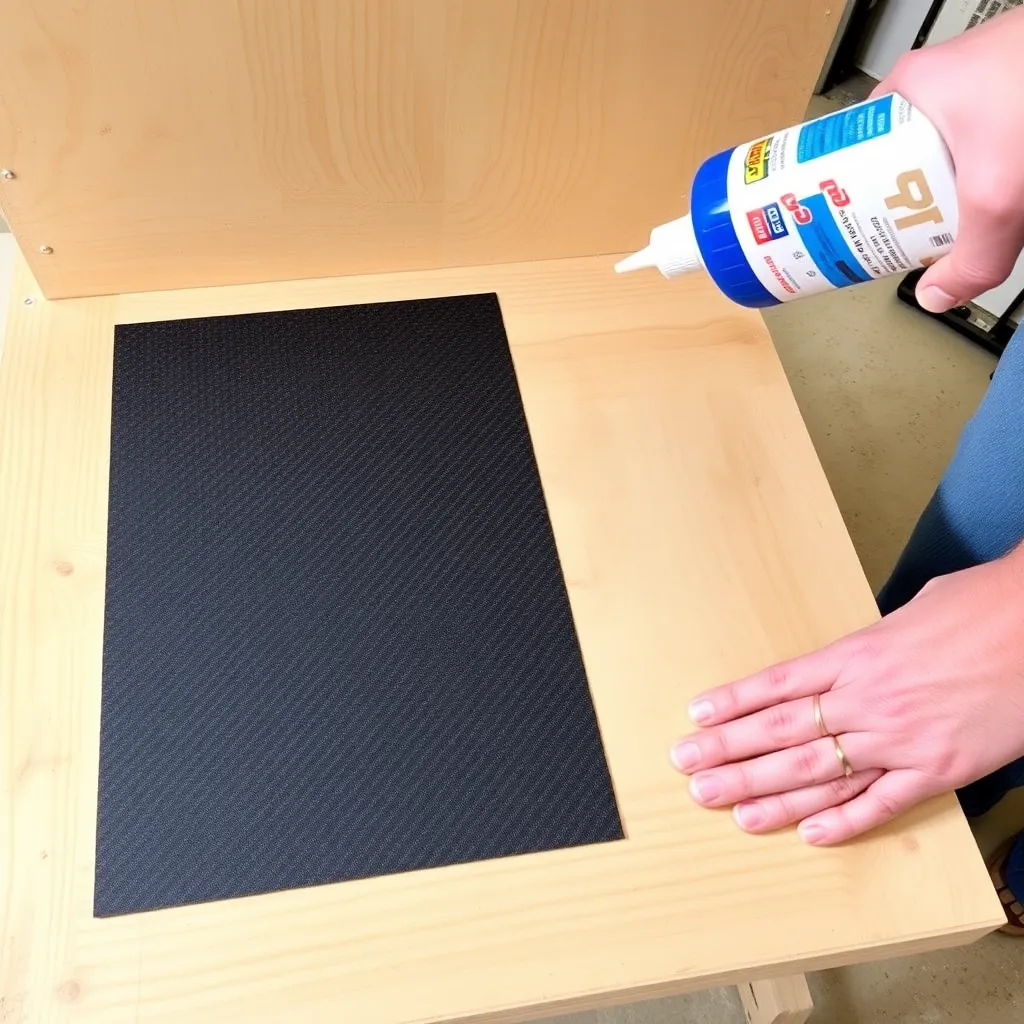
Non-slip base:
Cut a piece of rubberized non-slip shelf liner to the footprint of the bottom step (18×18 inches). Glue it to the underside of the bottom step with contact cement or double-sided tape. This keeps the steps from sliding on hardwood or tile floors — the single most important safety feature after the steps themselves.
Rope handles (optional):
Drill two ¾-inch holes through each side panel of the bottom step, centered and 2 inches from the top edge. Thread a 16-inch loop of ½-inch natural rope through each pair of holes and knot the ends inside the box. These handles let you pick up and move the assembled unit without disturbing the covers.
Finish options:
- Paint the plywood (the covers hide the top, but the sides and front face are visible) with two coats of latex paint
- Apply iron-on wood veneer to the front faces before painting for a clean furniture look
- Leave natural and seal with water-based polyurethane — pairs well with neutral fleece covers
Dog Bed Steps FAQ
What is the difference between dog stairs and dog steps?
Dog stairs have a connected stringer (side panel) with individual treads between them — like a small version of a human staircase. Dog steps are separate platform boxes stacked at increasing heights. Steps tend to have a smaller footprint and simpler construction; stairs are more elegant and work better for tall beds. Both accomplish the same goal — reducing the jump distance for small or senior dogs.
How high should dog steps be for a sofa?
Measure from the floor to the top of the sofa cushion surface. Most sofas are 18–20 inches. For an 18-inch sofa, two 9-inch steps reach exactly. For a 20-inch sofa, two 10-inch steps or two 9-inch steps plus a thin foam pad on the top step. Always err slightly low — the dog makes a small step up at the top, which is fine; a small jump down at the top defeats the purpose.
Can I build dog steps out of foam?
Yes — high-density foam (at least 2 lbs/cubic foot density) can be cut to step shape, stacked, and covered with fabric. This is the softest option and easiest for arthritic dogs. The limitations: foam steps can compress over time, are harder to keep clean, and dogs with separation anxiety may chew them. A plywood frame with a foam top pad (¼–½ inch foam glued to the step top before adding the cover) is the best hybrid approach.
How do I teach a dog to use bed steps?
Start with the dog at floor level. Place a treat on the first step. Let the dog eat it. Place a treat on the second step. Let the dog eat it. Repeat until the dog is stepping up to the top step voluntarily. Most dogs learn in 5–10 minutes. Never push the dog onto the steps — patience is faster than force. Once the dog uses the steps to go up, teach the down direction with treats on each lower step.
How much weight can DIY dog steps hold?
A ¾-inch plywood box step holds 150+ lbs — far more than any dog. The weak points in dog steps are the joints between boxes (secure with screws from inside) and the covers (choose machine-washable fabric and wash them weekly for a dog that sheds). The structure itself will outlast the covers many times over.

“DIY woodworking enthusiast who started with zero experience and a YouTube tutorial.
I build simple, practical projects for my home and share free plans
so other beginners can skip the guesswork.If I can build it, you can too.”