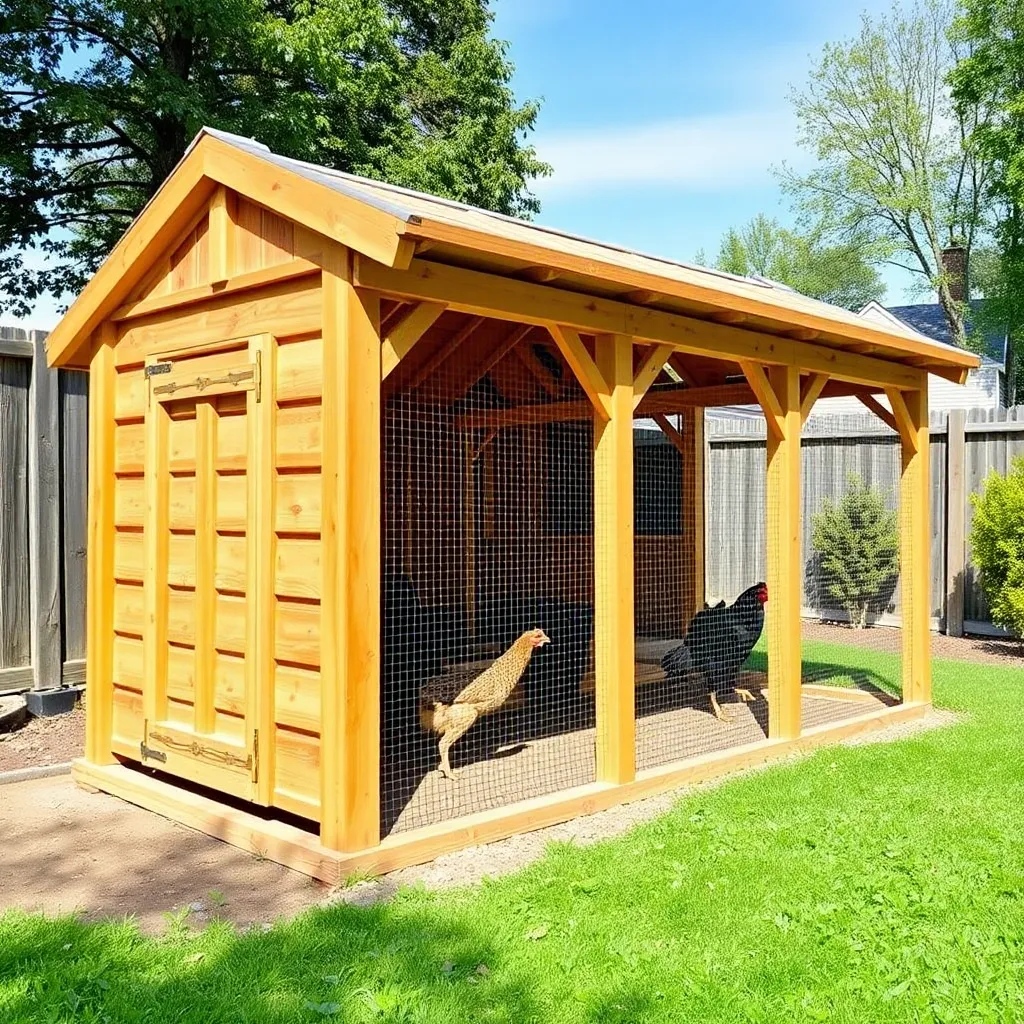
Wildlife structures are among the most satisfying woodworking builds — practical, quick to complete, and immediately used by the animals they’re designed for. A well-built birdhouse goes up from one board in a Saturday morning; a proper chicken coop takes a weekend and houses a flock for a decade. These six builds cover the full range of backyard wildlife structures: simple songbird houses, multi-species designs, a bat house, and a full chicken coop — all from standard lumber with no specialty tools required.
Ted’s Woodworking has over 200 birdhouse, bird feeder, and wildlife shelter plans with species-specific dimensions, mounting guides, and material lists. Browse Ted’s wildlife plans →
Part of our complete guide to Shed and Outdoor Structure Plans — six outdoor builds for your backyard.
Chicken Coop Plans
A chicken coop is the most complex build in this cluster — but still achievable in a weekend — and provides the highest practical return of any backyard woodworking project. Chicken coop plans cover a 4×6-foot walk-in coop for 4–6 hens, with a ventilated roost area, nesting boxes, a droppings board for easy cleaning, a predator-proof apron, and a covered run attached to the side. Built from pressure-treated framing and exterior-grade plywood, a well-built coop lasts 15–20 years.
Bird House Plan
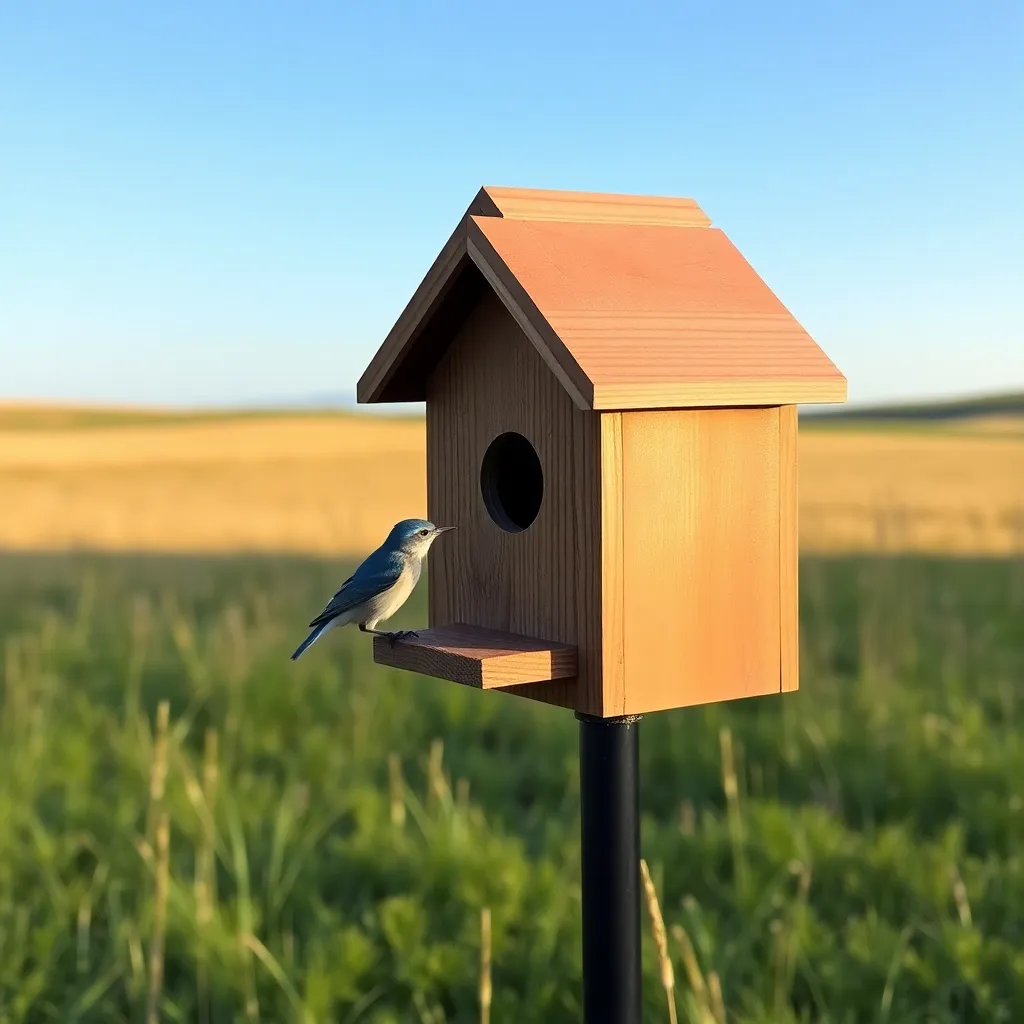
The classic bluebird house is the entry point for backyard birdhouse building — one board of 1×6 cedar yields a complete house in two hours. Bird house plan covers the standard Eastern Bluebird box (NABS dimensions: 5×5-inch floor, 10-inch depth, 1½-inch entrance hole) with a pivoting front panel for monitoring and cleaning, a slotted floor for drainage, and a rough-cut interior surface so fledglings can climb to the entrance. Mountable on a 5-foot conduit pole.
Bird House Plans
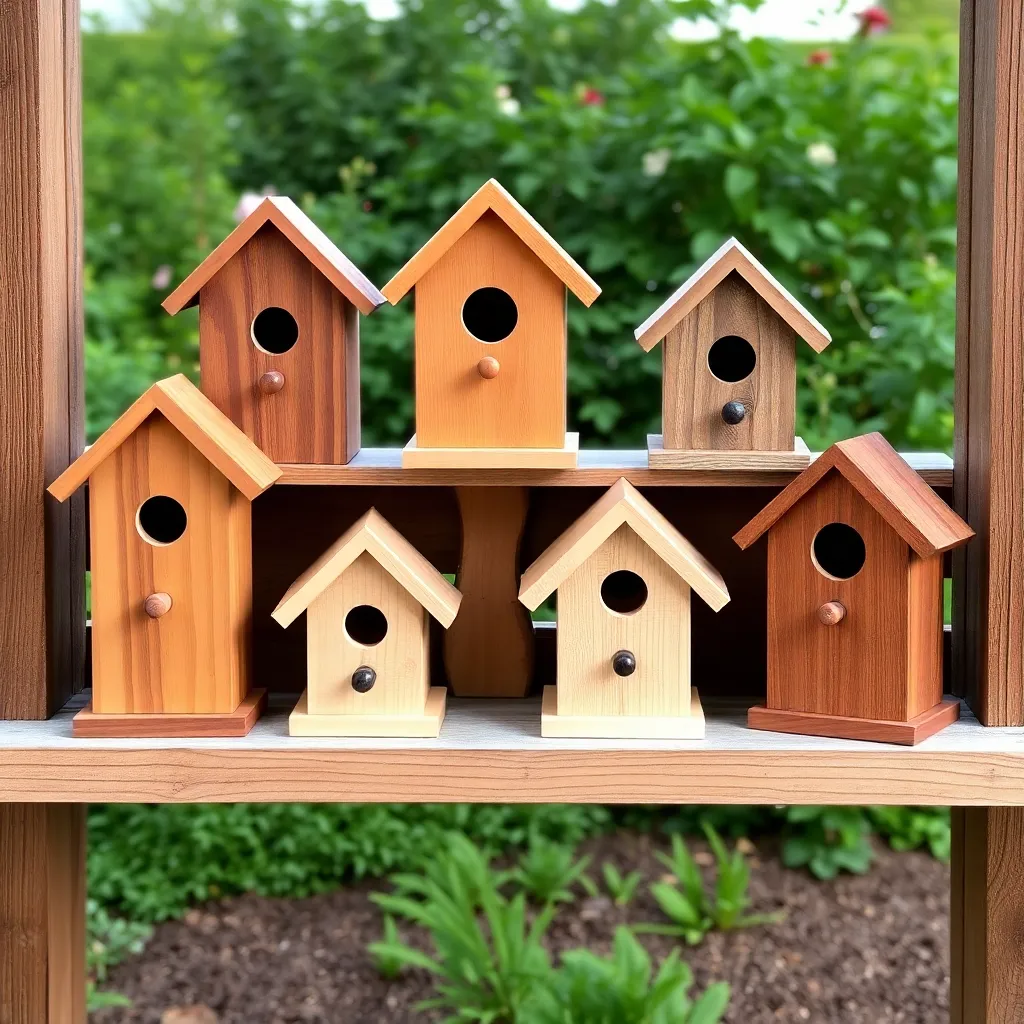
Birdhouses aren’t one-size-fits-all — different species need different interior dimensions, entrance hole sizes, and mounting heights. Bird house plans cover a collection of five designs: the bluebird box, a wren house (4×4-inch floor, 1-inch entrance), a purple martin house (6×6-inch floor, 2½-inch entrance), a chickadee house, and a wood duck nest box. Each with a complete cut list and species-specific mounting guide.
Bird Houses Designs
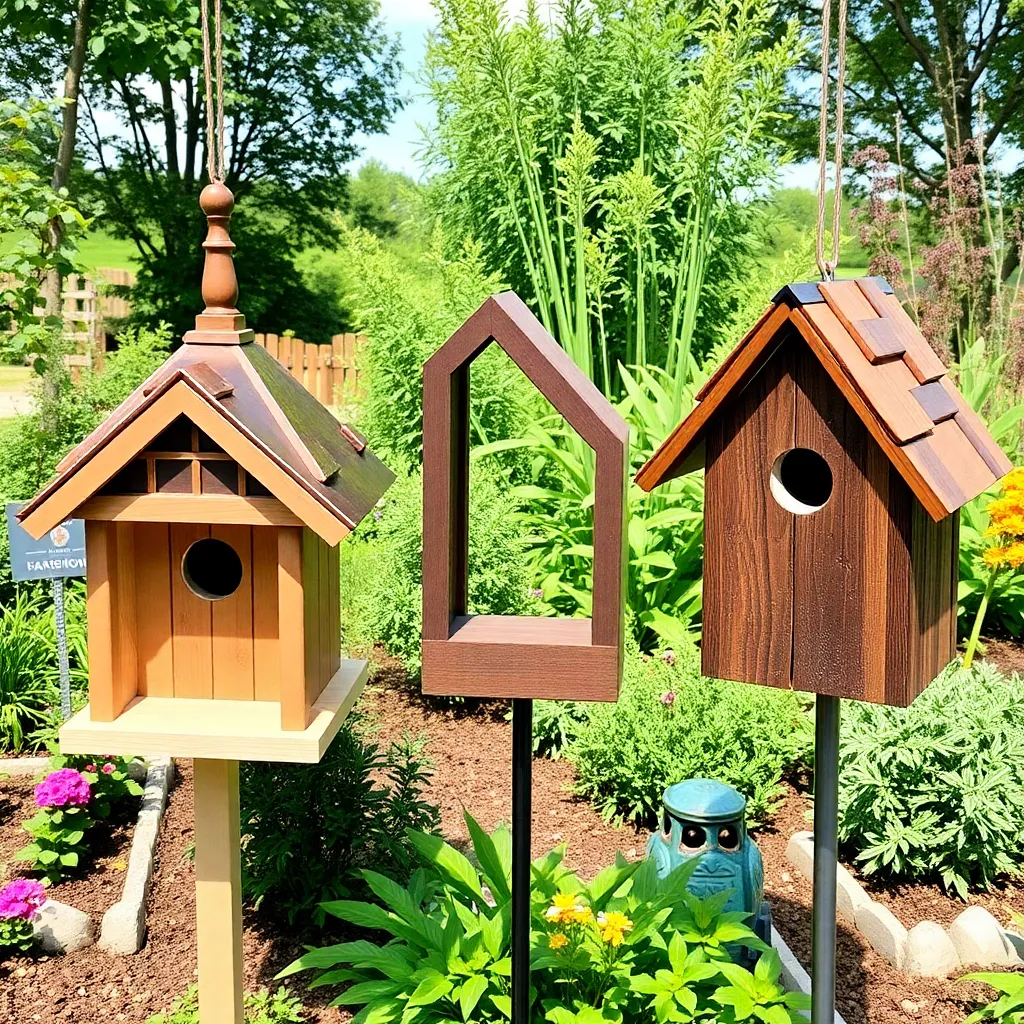
Beyond function, birdhouses can be woodworking showcases — a well-designed house attracts birds and looks intentional in the garden. Bird houses designs covers six design approaches: the classic Craftsman house with lap siding and a copper roof cap, a modern geometric house from cedar slats, a reclaimed barn-wood house, a stacked-duplex martin house, a gourd-style turned house, and a minimalist Japanese-influenced design. All include species compatibility notes so the design actually gets used.
Bird House Building Plans
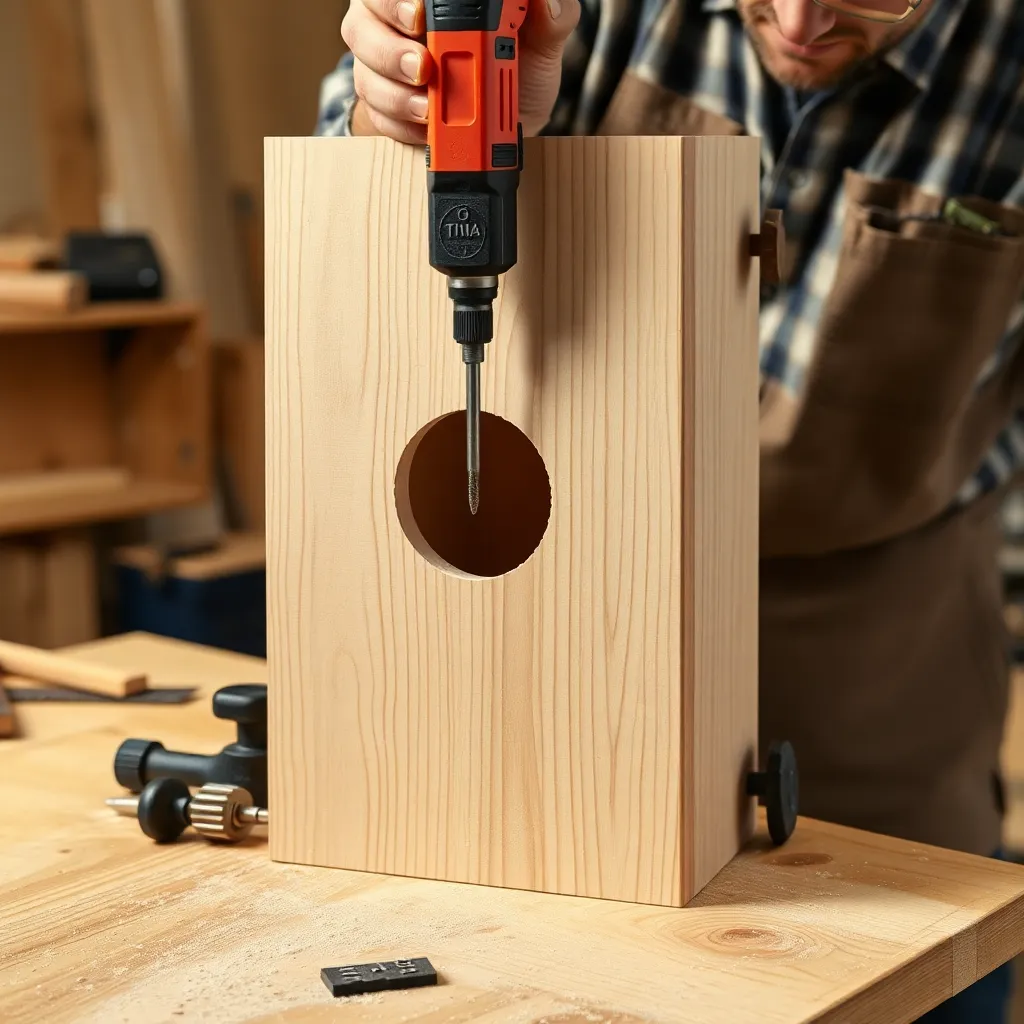
Learning to build birdhouses teaches the core skills of outdoor woodworking: working with outdoor-rated wood, sizing entrance holes precisely, creating proper ventilation and drainage, and finishing for weather resistance. Bird house building plans cover technique over specific designs — how to size any birdhouse for any species, how to cut a clean entrance hole without a drill press, how to assemble without glue (for cleanout access), and how to seal the exterior while keeping the interior untreated.
Bat House Plans
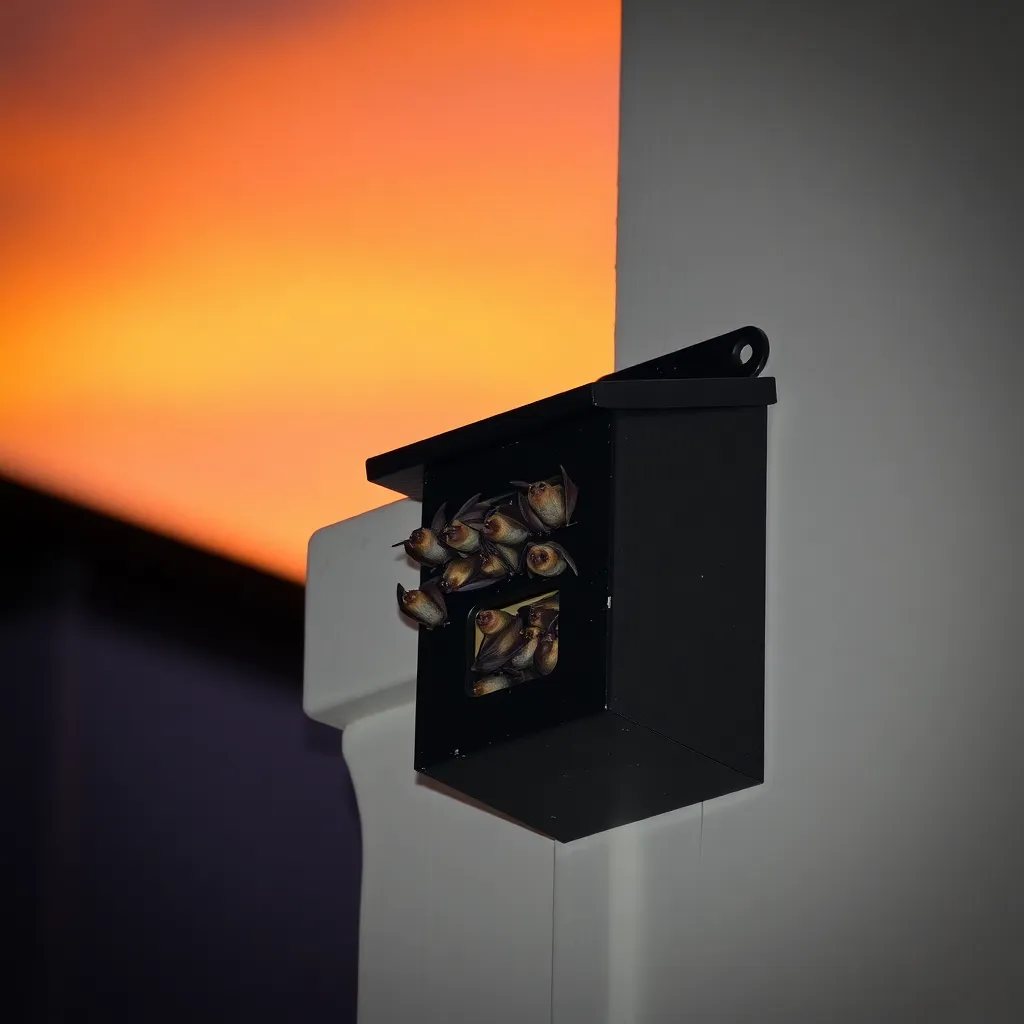
A bat house is the most functional wildlife structure in a backyard — a single bat eats 1,000 mosquitoes per hour, making a well-placed bat house more effective than any mosquito trap. Bat house plans cover a two-chamber bat house (the most successful design for temperate climates) in rough-sawn cedar, with 3/4-inch landing mesh on the interior chambers, a dark exterior finish for solar heat gain, and ventilation slots sized for the thermal requirements of nursing colonies. Mounts under a south-facing eave or on a 15-foot pole.
Choosing the Right Wildlife Structure Build
| Structure | Skill Level | Build Time | Materials Cost |
|---|---|---|---|
| Bluebird house | Beginner | 2 hours | $8–$15 |
| Wren/chickadee house | Beginner | 2–3 hours | $8–$15 |
| Bat house | Beginner | 3–4 hours | $15–$25 |
| Duck nest box | Intermediate | 4–5 hours | $20–$35 |
| Multi-species birdhouse | Intermediate | 4–6 hours | $25–$50 |
| Chicken coop (4–6 hens) | Advanced | 2 days | $200–$500 |
Birdhouse Plans FAQ
What wood is best for birdhouses?
Cedar and redwood are the top choices — naturally rot-resistant, splinter-resistant when weathered, and contain no toxic preservatives. Untreated pine is acceptable but needs a painted exterior and lasts half as long. Never use pressure-treated lumber (the arsenic compounds are toxic to birds), OSB or MDF (collapse when wet), or plywood with urea formaldehyde glue (off-gasses inside the cavity). For the interior, always leave the wood unfinished — birds won’t enter a house that smells of paint or finish.
How do I attract birds to a birdhouse?
The two biggest factors are entrance hole size and mounting height — both species-specific. A box with the wrong entrance hole attracts house sparrows and starlings (invasive species that evict native birds and destroy eggs). Mount at the correct height, face the entrance away from prevailing wind (generally east or southeast in North America), provide a clear flight path to the entrance, and add a predator baffle on the mounting pole. No perch — native songbirds don’t need one and it gives predators a foothold.
When should I clean out a birdhouse?
After each nesting season — in most of North America, late September or October. Remove old nesting material (it harbors mites and parasites), scrub the interior with a stiff brush and diluted bleach (1:9), rinse, and allow to dry completely before closing. Bluebird boxes should be monitored weekly during nesting season — this allows you to track progress and identify problems (blown eggs, cowbird parasitism, house sparrow intrusion) early enough to intervene.
How many birdhouses should I put in my yard?
One per species, spaced at least 25 feet apart for cavity nesters (bluebirds, wrens, chickadees). Multiple boxes of the same species in close proximity causes territorial conflicts and reduces occupancy. Exception: purple martins and tree swallows are colonial nesters and benefit from multiple-unit structures placed close together. A backyard of half an acre can support 2–4 different species in separate boxes placed on different sides of the yard.
Do bat houses actually work?
Yes — in the right location. The three requirements for a successful bat house: south or southeast facing (for solar heat gain — bats need a cavity temperature of 80–100°F), mounted at least 15 feet high (bats drop before flying on exit), and located within a quarter mile of water. Bats are habitat-specific and won’t move into a bat house if there’s no foraging habitat nearby. Occupancy typically occurs 1–2 years after installation — if unoccupied after 3 years, relocate or repaint darker for more heat absorption.

“DIY woodworking enthusiast who started with zero experience and a YouTube tutorial.
I build simple, practical projects for my home and share free plans
so other beginners can skip the guesswork.If I can build it, you can too.”