Every experienced woodworker started with a box or a shelf — something small, forgiving, and immediately useful. The gap between wanting to do woodworking and actually doing it is not skill; it’s knowing where to start. These six project categories are organized by what they teach: joinery, measuring, shaping, finishing, organization, and shop setup. Complete them in order and you’ll have the core skills needed for any furniture or outdoor structure project, plus six finished pieces to show for it.
Ted’s Woodworking has 16,000+ plans including step-by-step beginner projects sized for the first workbench, the first tool set, and the first weekend. Browse Ted’s beginner plans →
Woodworking Projects
The right first projects teach fundamental skills without requiring specialty tools or expensive wood. Woodworking projects covers ten builds organized by skill level — from a simple wall shelf (one board, four screws, two brackets) to a workbench, a storage cabinet, and a live-edge side table. Each project introduces one new technique: measuring, crosscutting, dadoes, pocket screws, mortise-and-tenon, or finishing. Complete them in sequence and every subsequent project will go faster.
Projects With Wood
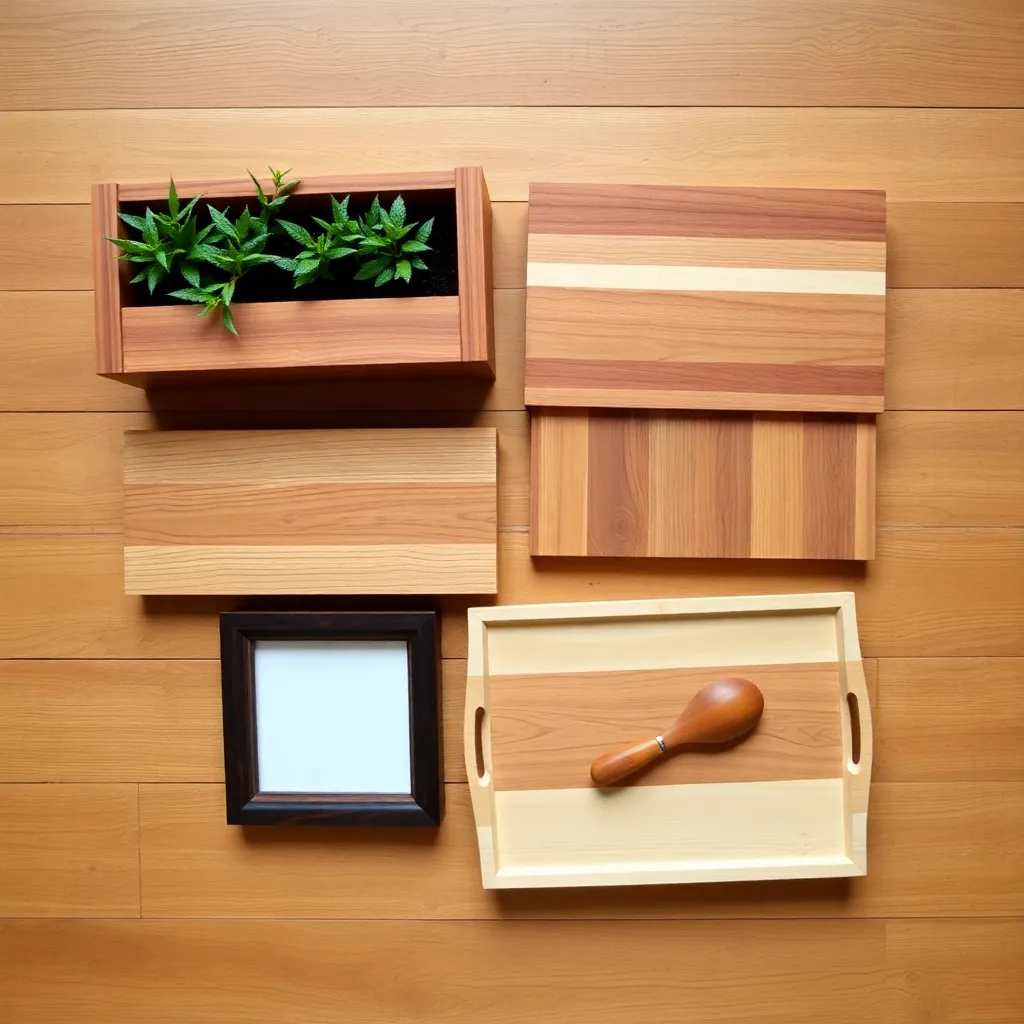
Wood is the most forgiving material for hand-built objects — mistakes can be sanded, filled, repainted, or planed away. Projects with wood covers twelve builds across four categories: home décor (floating shelf, picture frame, candle holder), garden (planter box, garden stake, birdhouse), kitchen (cutting board, utensil holder, cookbook stand), and gifts (jewelry box, pencil box, serving tray). All use common dimensional lumber or hardwood offcuts available at any home center.
Woodworking Crafts
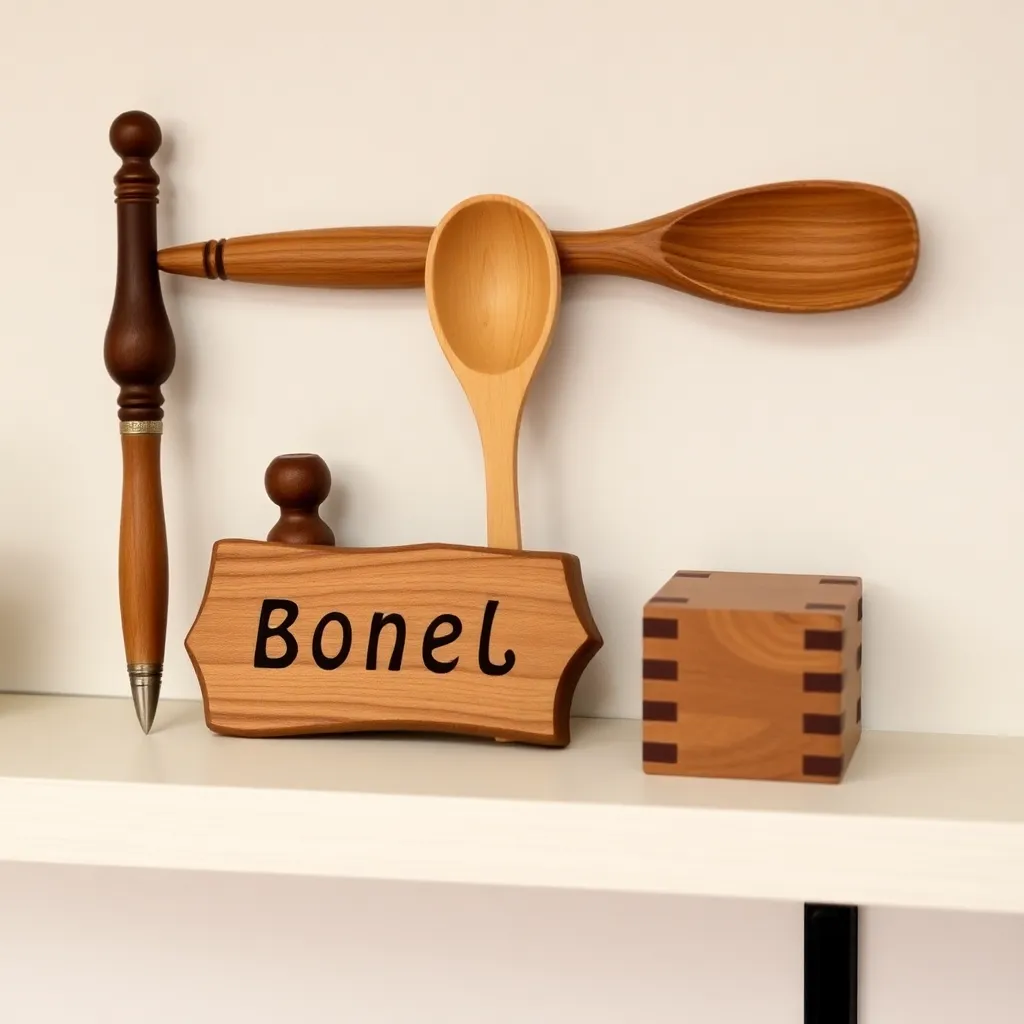
Craft-scale woodworking — smaller projects completed in an hour or two — is the fastest way to build tool confidence and produce gift-quality results without a full shop setup. Woodworking crafts covers ten craft builds: a segmented wood bowl (using a scroll saw), a turned pen on a mini lathe, a carved spoon, a pyrography sign, an intarsia tile, a dovetail box, a marquetry coaster set, a whittled knife handle, a chip-carved frame, and a burned and dyed decorative panel. Each introduces a different hand or power tool technique.
Wood Projects
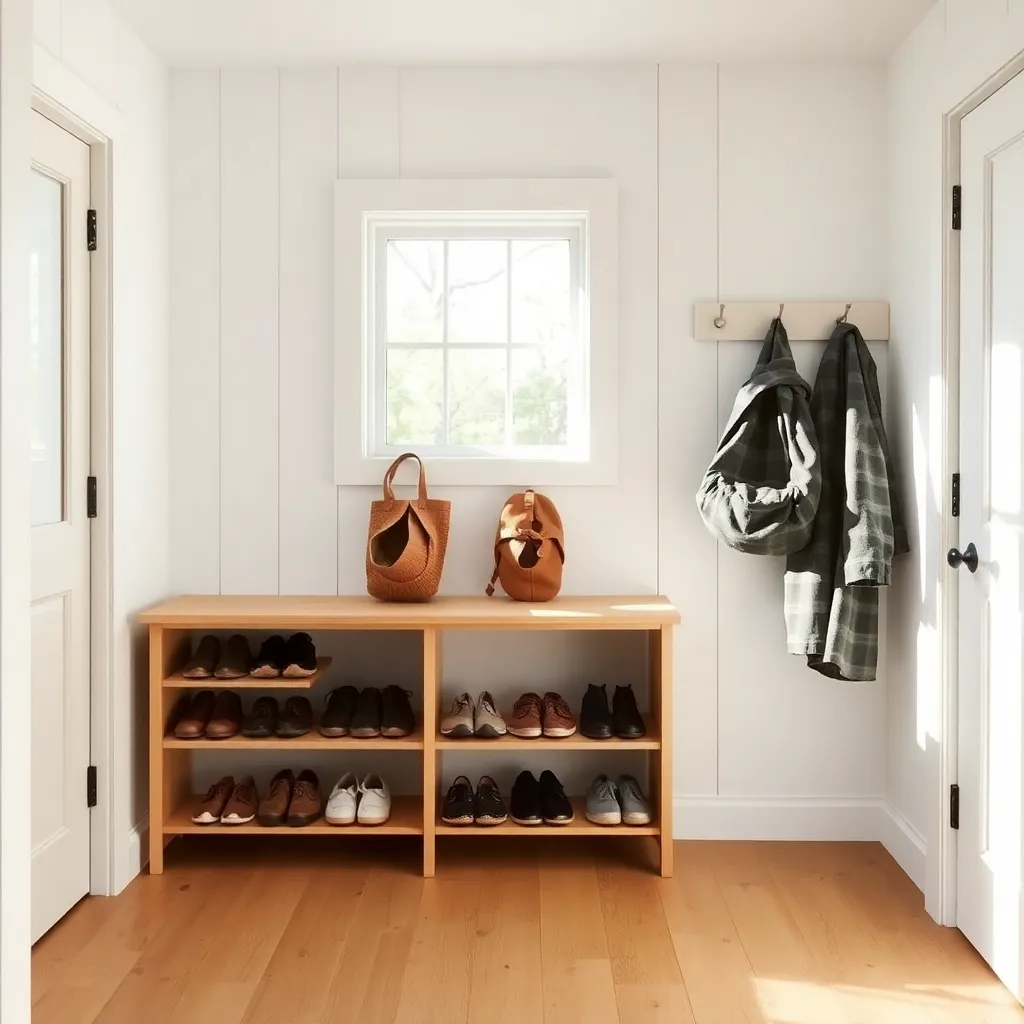
Simple wood projects — buildable in a single afternoon with minimal tools — are where most woodworkers find their groove. Wood projects covers fifteen weekend builds: a coat rack, a key holder, a mail organizer, a charging station, a sofa table, a shoe rack, a plant stand, a bottle opener board, a trivet, a serving board, a towel ladder, a bath caddy, a wine rack, a kids’ step stool, and a floating nightstand. All use 2×4s, 1×6s, or 1×8s from the home center lumber aisle.
Woodworking Shop Setup
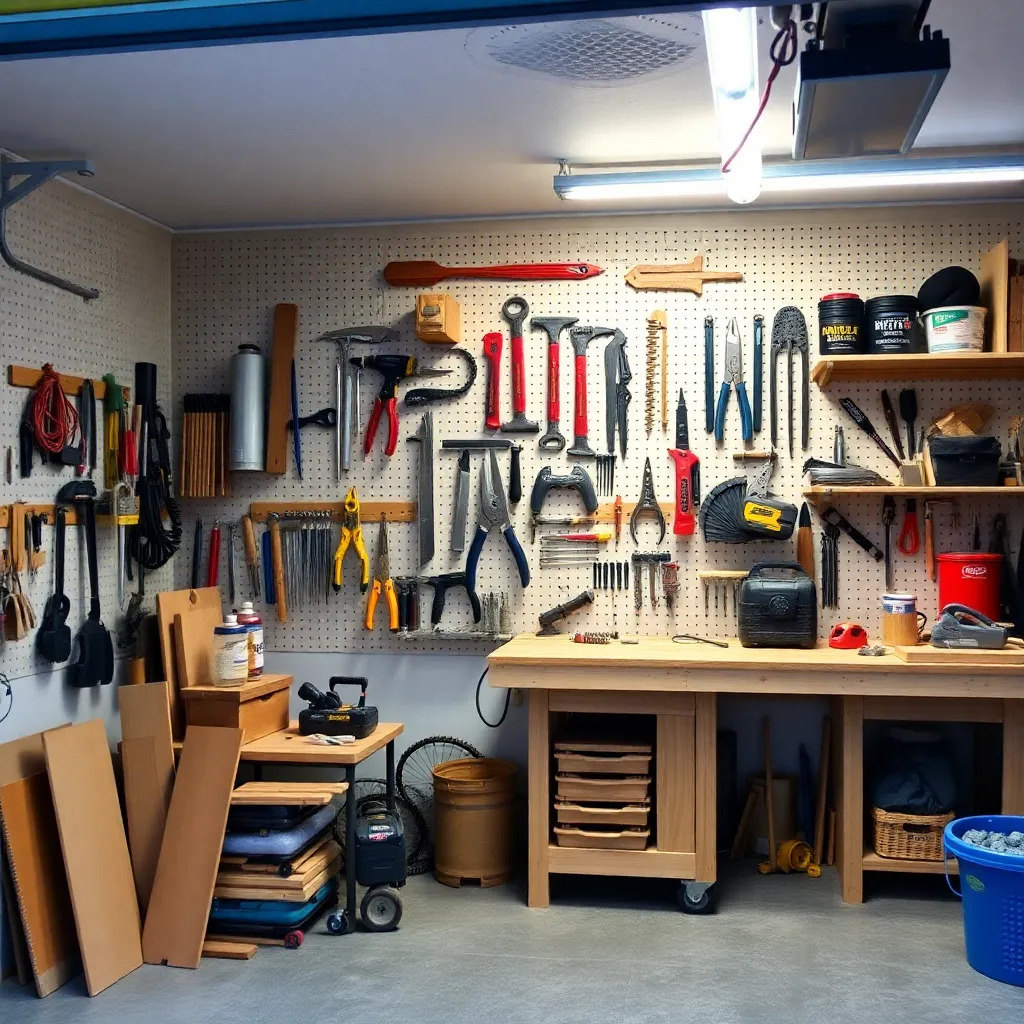
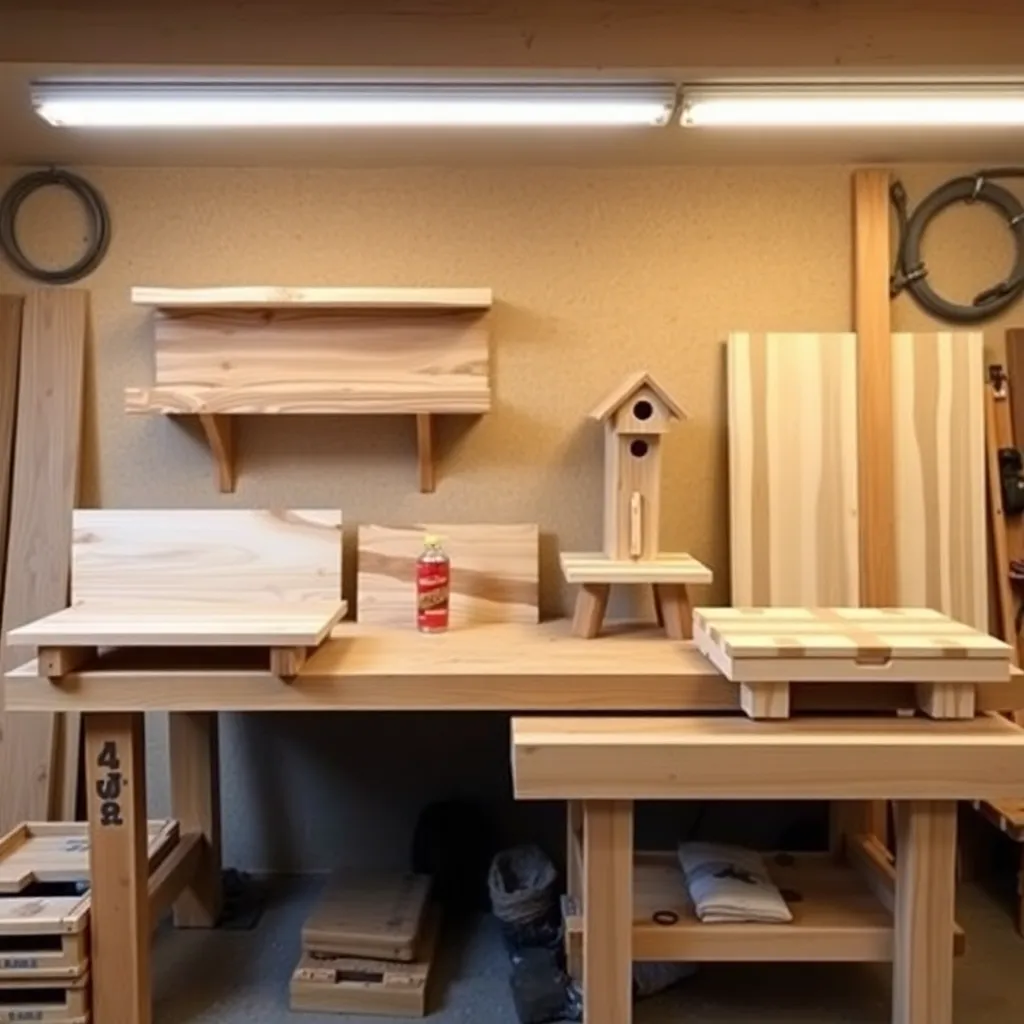
The right shop setup makes every project faster and more precise — and a beginner shop doesn’t require a dedicated building or thousands of dollars of equipment. Woodworking shop setup covers building a functional one-car-garage workshop from scratch: a mobile workbench, a lumber rack, a wall-mounted tool cabinet, a dust collection system, an assembly table, and a finishing station. Includes tool priority lists (what to buy first, second, and third), lumber storage solutions, and lighting recommendations.
Garage Organization
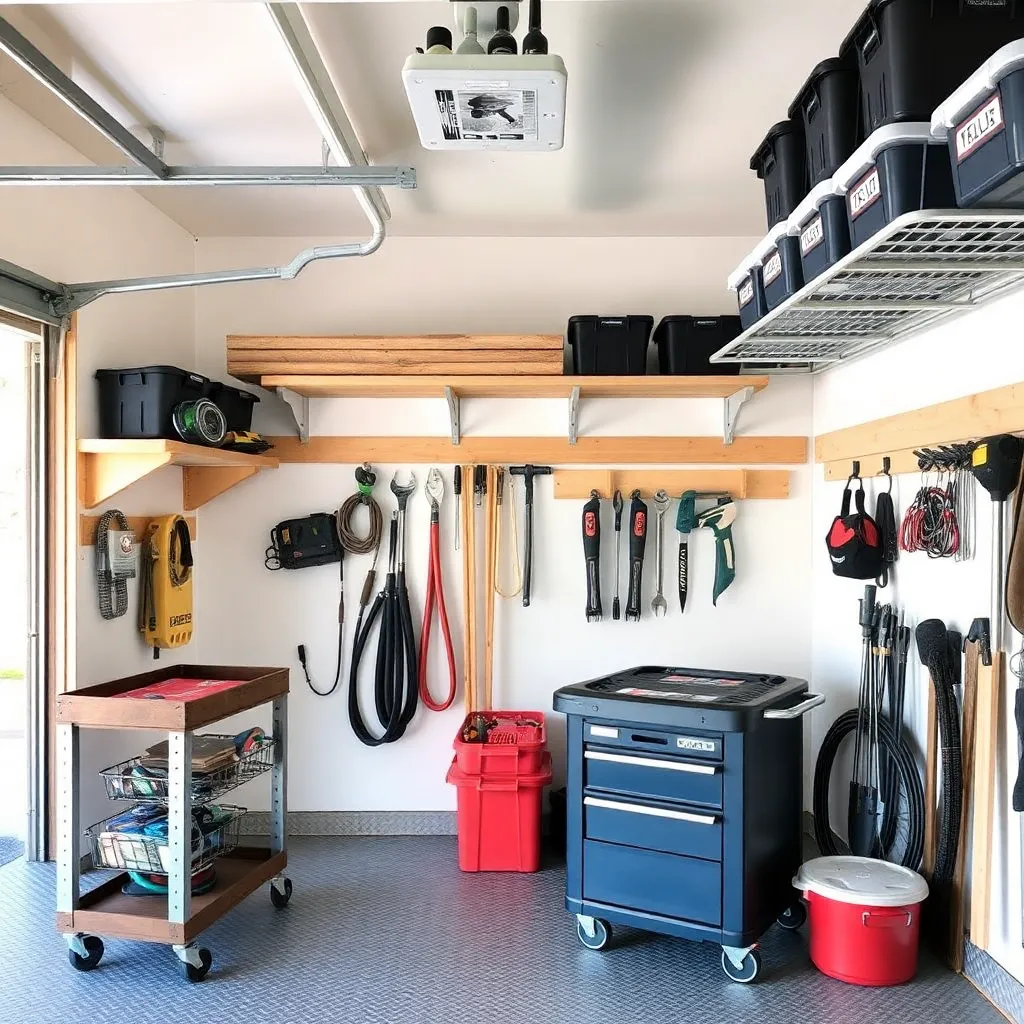
A well-organized garage is the foundation of a productive workshop — when tools are stored properly, jobs that should take an afternoon don’t get put off for a month. Garage organization covers six storage builds: a wall shelf system, a pegboard organizer, a rolling tool cart, a lumber storage rack, a cabinet for power tools, and overhead storage for seasonal items. All designed to maximize a single-car garage’s usable space without requiring a permit or permanent installation.
Beginner Project Skill Progression
| Project | Key Skill | Tools Needed | Time |
|---|---|---|---|
| Floating shelf | Measuring, drilling | Drill, level, stud finder | 1 hour |
| Birdhouse | Crosscutting, box assembly | Saw, drill, hammer | 2 hours |
| Cutting board | Glue-up, planing | Saw, clamps, sander | 3 hours |
| Shoe rack | Dadoes, pocket screws | Kreg jig, drill | 4 hours |
| Workbench | Full frame construction | Circular saw, drill, clamps | 8 hours |
| Storage cabinet | Doors, hinges, finish | Full basic shop | 2 days |
Beginner Woodworking Projects FAQ
What is the best first woodworking project?
A simple floating shelf — one board, two wall brackets, four screws. It teaches the two skills used in every subsequent project: measuring accurately and drilling cleanly into a stud. Once a shelf goes up level, on the wall, and holds weight, the builder’s confidence is established. The second project should be a birdhouse or small box — these introduce crosscutting, right angles, and glued-and-nailed assembly.
What tools do I need to start woodworking?
The essential five: a circular saw (or miter saw), a drill/driver, a tape measure, a speed square, and sandpaper. With these tools and $30–$50 in lumber, a beginner can build 90% of the projects in this guide. Add a Kreg pocket hole jig ($40) and you can build furniture-quality joints without learning traditional joinery. The tools that wait until later: a table saw, router, lathe, and planer — useful eventually but not necessary for the first year of projects.
What is the cheapest wood for beginner projects?
Common pine dimensional lumber (2×4, 1×6, 1×8) from a home center is the least expensive wood suitable for beginner projects — $1–$3 per linear foot. It’s soft (easy to cut and sand), widely available, and finishes well with paint. For projects that will be stained rather than painted, poplar is the cheapest hardwood option — similar price to premium pine but smoother grain and more consistent color. Avoid oak or maple as a beginner wood — they’re much harder to cut and sand and significantly more expensive.
How long does it take to learn woodworking?
The first project takes 3–5 times longer than it should — that’s normal. By the fifth project, most beginners work at 60–70% of the speed they’ll eventually reach. By the twentieth project, nearly every technique becomes intuitive. The fastest path: build the same project twice in a row — the second time goes twice as fast and cements the technique. Avoid jumping between wildly different project types in the first year — depth builds faster than breadth.
Can I do woodworking in a small space?
Yes — a kitchen table, a folding workbench in a bedroom, or a corner of a parking space will work for small projects. A circular saw, drill, and clamps can substitute for a full shop setup for most beginner builds. The practical limit of a small space is dust (use a shop vac) and the size of lumber you can cut (a full sheet of plywood needs 8 feet of clear space). Projects sized for dimensional lumber (not sheet goods) are the most apartment- and small-space-friendly builds.

“DIY woodworking enthusiast who started with zero experience and a YouTube tutorial.
I build simple, practical projects for my home and share free plans
so other beginners can skip the guesswork.If I can build it, you can too.”