Most free woodworking plans on the internet are either too vague to build from or designed for tools you don’t own. This guide covers what separates a usable free plan from one that wastes your afternoon, plus six specific categories where quality free plans are easy to find — from beginner furniture to outdoor structures. At the end, Ted’s Woodworking offers the largest paid plan library available if you need guaranteed step-by-step detail.
Ted’s Woodworking has 16,000+ plans that solve exactly what free plans often lack: complete cut lists, material lists, and step-by-step photos. Browse Ted’s plans →
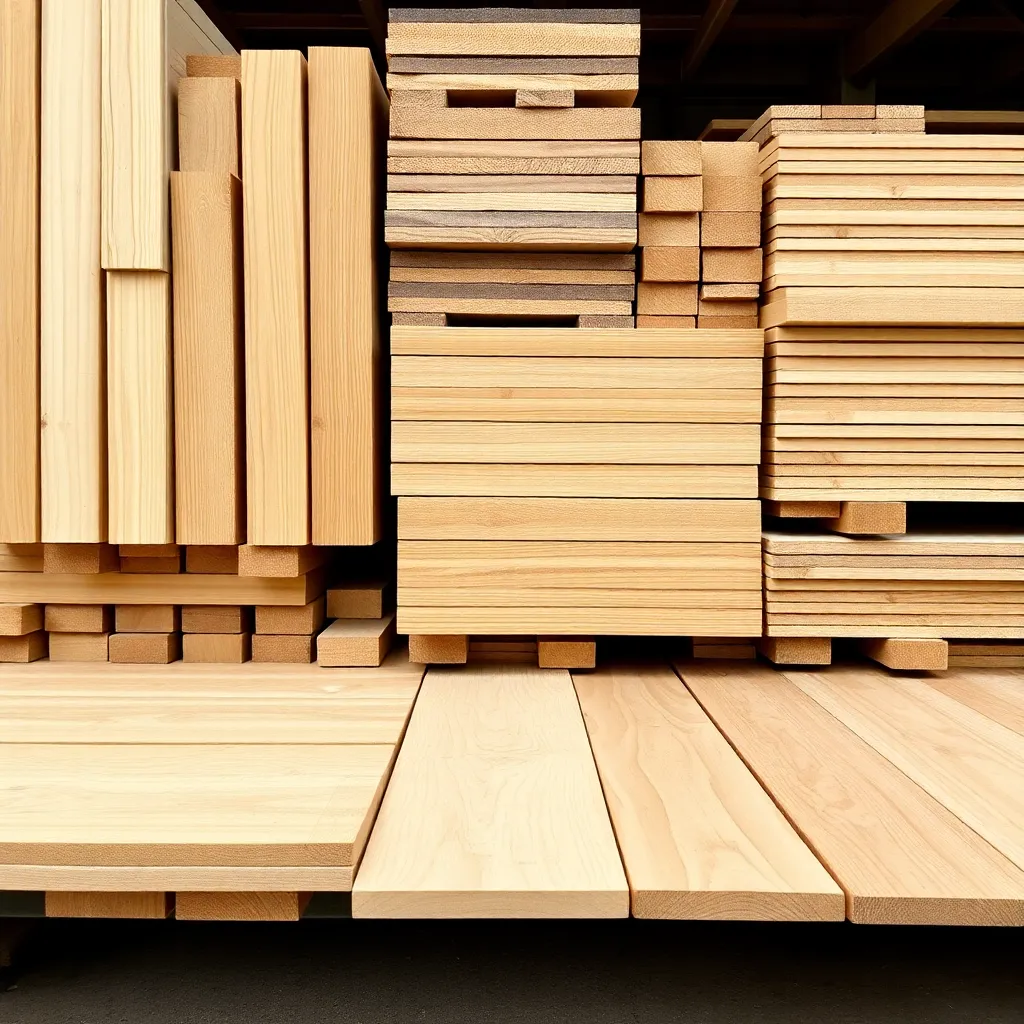
Wood Planks
Understanding wood planks — how they’re dimensioned, graded, and priced — is the first step to using any plan. Wood planks covers how lumber dimensions work (a 2×4 is actually 1½ × 3½ inches), the difference between S4S (surfaced four sides, smooth and straight) and rough-sawn lumber, how to read a lumber grade stamp, and which plank species are available at most home centers. Knowing this prevents the most common beginner mistake: buying the wrong board for the plan’s listed dimensions.
Free Woodworking Plans for Beginners
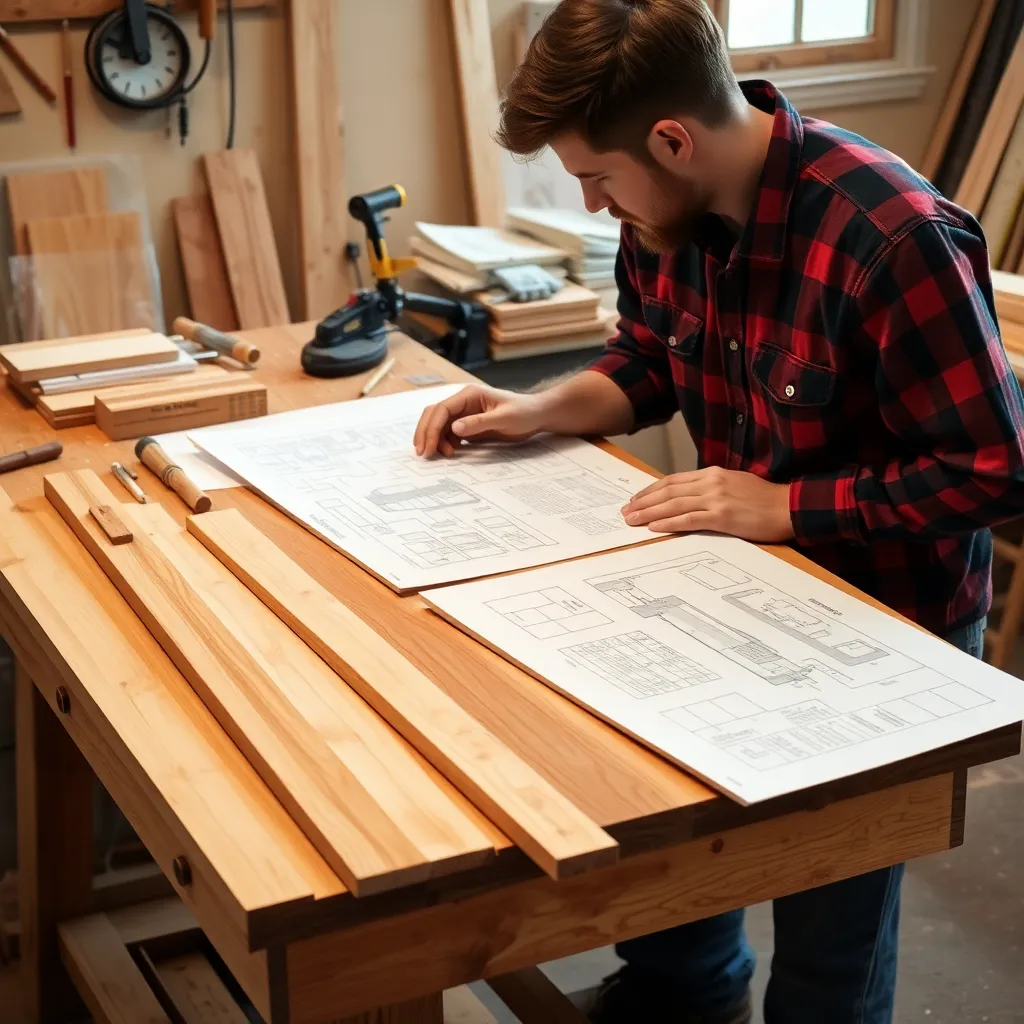
The best free beginner plans are sized for three to five tools, use dimensional lumber (no specialty wood), and take less than a day to complete. Free woodworking plans for beginners covers ten beginner-friendly builds with step-by-step instructions: a floating shelf, a coat rack, a birdhouse, a shoe rack, a wooden box, a plant stand, a picture frame, a key holder, a step stool, and a simple workbench. All use 2×4s, 1×6s, or 1×8s and require only a drill and a circular saw or miter saw.
Free Furniture Plans
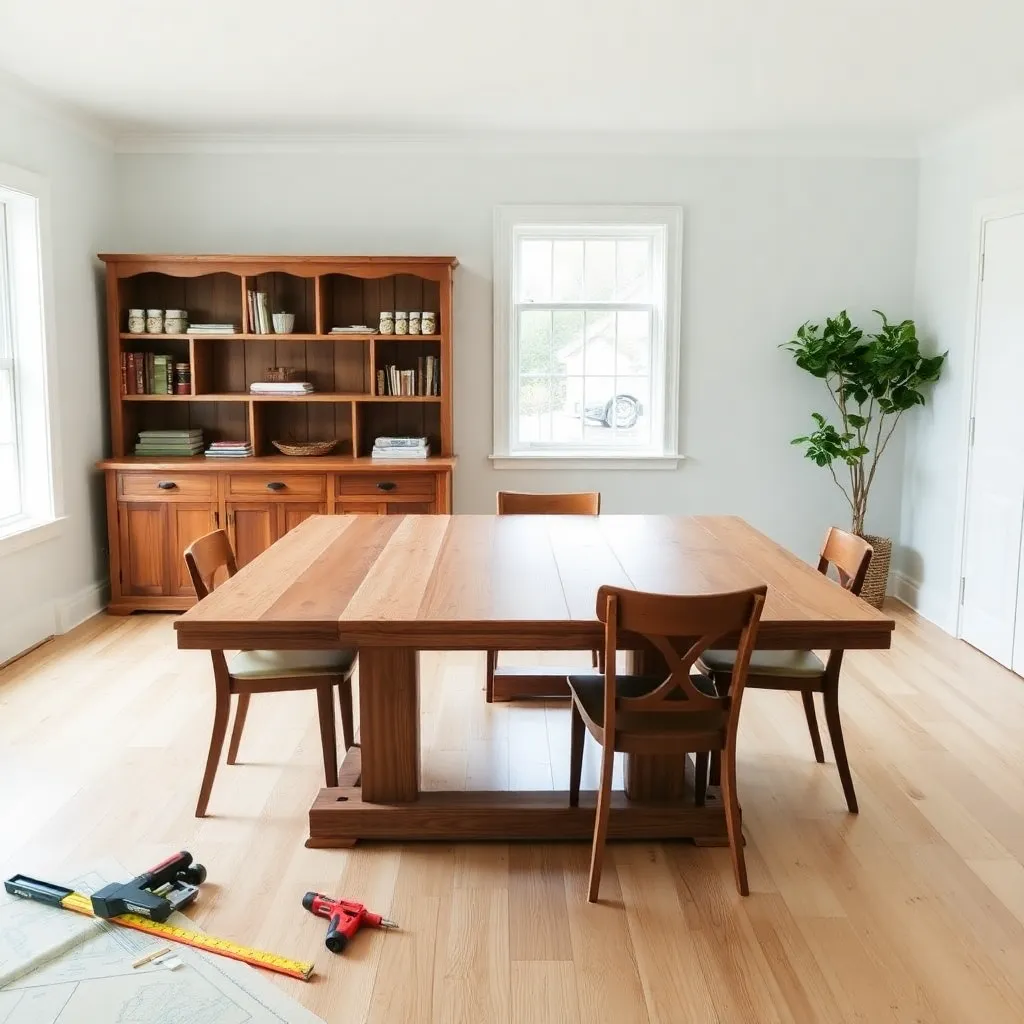
Furniture plans require more precision than simple shelf builds — tolerances, squareness, and joinery all matter. Free furniture plans covers six furniture builds with complete dimensions: a farmhouse dining table (72 × 36 inches, seats six), a coffee table, a media console, a bookcase, a platform bed frame, and a storage ottoman. Each plan includes a cut list, a materials list with costs, and a sequence of assembly steps. All builds use standard home center lumber.
Free Outdoor Furniture Plans
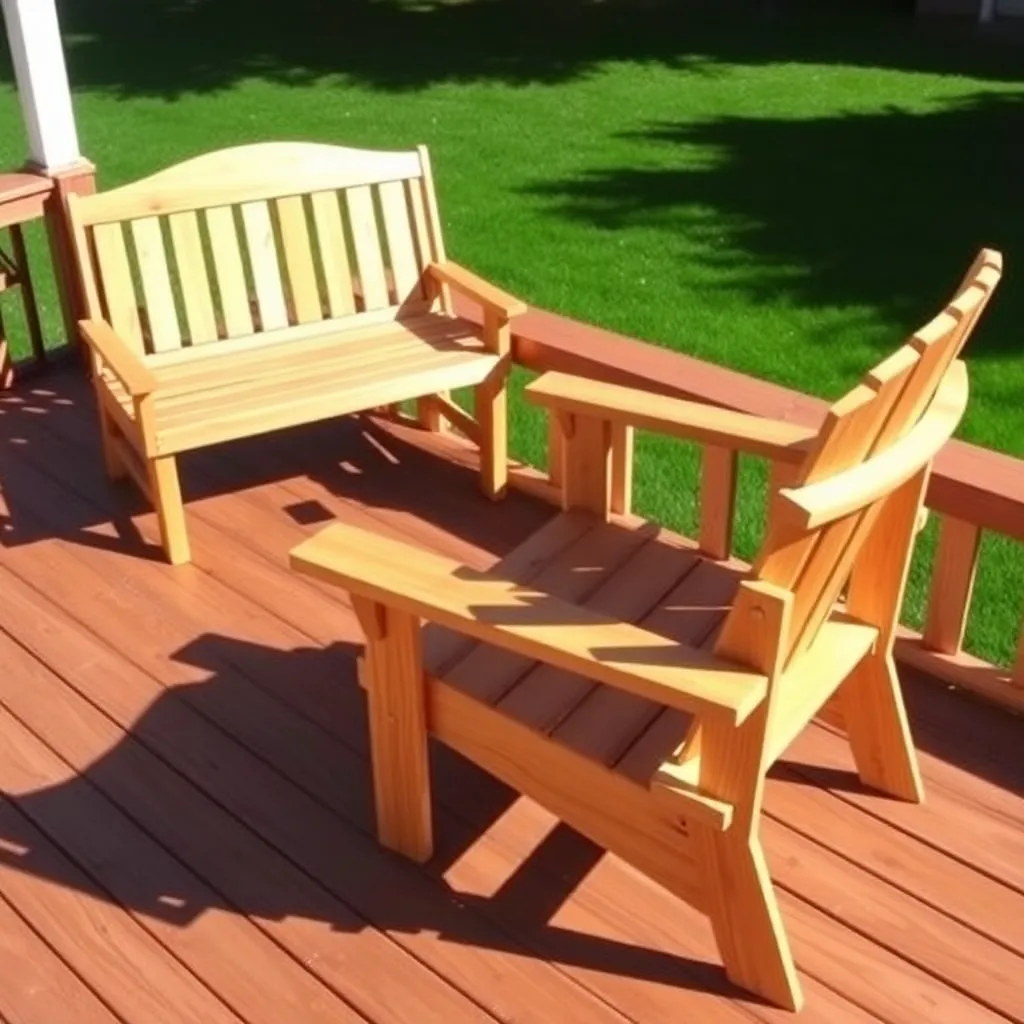
Outdoor furniture builds have additional requirements: wood species selection (cedar, redwood, or pressure-treated), hardware corrosion resistance (stainless or galvanized), and finish choices that survive UV and moisture. Free outdoor furniture plans covers six outdoor builds: an Adirondack chair, a teak bench, a picnic table, a porch swing, a garden planter bench combo, and a lounge chair. Each includes notes on which wood to buy for your climate and how long the finish will last before re-coating is needed.
Woodworking Plan Symbols
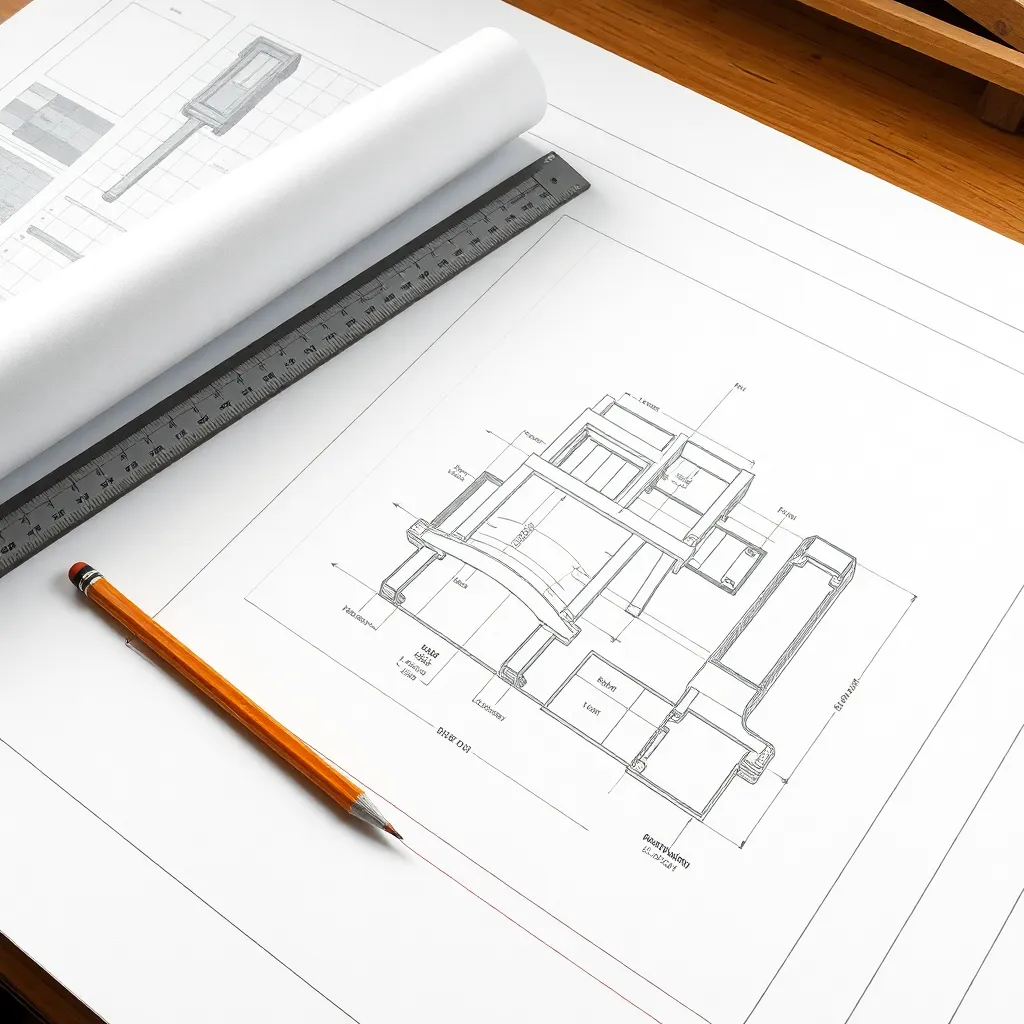
Every woodworking plan uses a set of standard symbols for dimensions, joinery, grain direction, section cuts, and hardware. Woodworking plan symbols covers the complete symbol set: how to read dimension lines and arrows, what the centerline symbol means, how section views work, how to read an exploded-view drawing, and what the standard abbreviations mean (TYP, CL, R, DIA, DP). Understanding these symbols lets you use professional plans from any source — including the plans in Ted’s library.
Downloadable Woodworking Plans
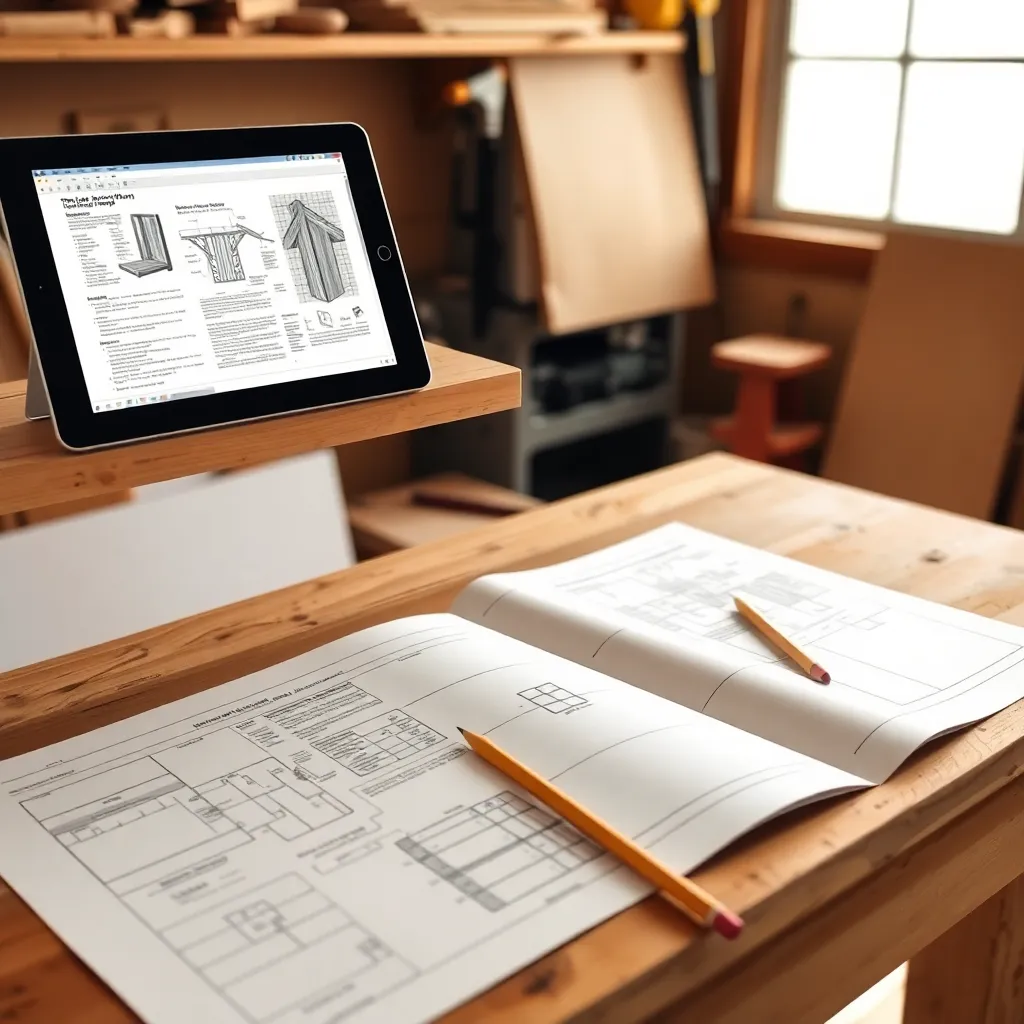
Downloadable plans — PDF format with full-size or scaled drawings — are more reliable to build from than plans described only in text or shown only in photos. Downloadable woodworking plans covers what to look for in a downloadable plan: whether it includes a cut list, whether dimensions are in imperial or metric, whether it shows exploded views, and whether it specifies hardware. Includes sources for free downloadable plans organized by project type: furniture, outdoor structures, toys, storage, and workshop equipment.
What Makes a Free Woodworking Plan Actually Usable
| Element | Why It Matters |
|---|---|
| Cut list | Know what to buy before you start |
| Materials list with quantities | Prevents mid-build trips to the store |
| Exploded view drawing | Shows how parts fit together |
| Step-by-step sequence | Order of assembly prevents mistakes |
| Hardware list | Screws, bolts, and brackets specified |
| Finish recommendations | What to apply and how many coats |
Most free plans online include only 2–3 of these six elements. Plans that include all six are worth bookmarking — they’re rare.
Free Woodworking Plans FAQ
Where can I find free woodworking plans?
The most reliable sources for usable free woodworking plans: Ana White (anawhtie.com) for furniture builds with complete cut lists; The Wood Whisperer (thewoodwhisperer.com) for technique-focused plans; Fine Woodworking’s free plan archive (finewoodworking.com/free); and Wood Magazine’s free plan download section. For outdoor structures, the Forest Products Laboratory (fpl.fs.usda.gov) offers free PDF plans for sheds, picnic tables, and outdoor furniture with full engineering specifications.
Are free woodworking plans accurate?
Variable. Plans from established woodworking magazines (Fine Woodworking, Popular Woodworking, Wood Magazine) are editor-reviewed and generally accurate. Plans from individual bloggers may contain dimensional errors or missing steps. Best practice: before cutting any wood, read the entire plan, trace through the cut list, and identify any ambiguities. If a dimension conflicts between the drawing and the text, ask in the comments or on a woodworking forum before proceeding.
What’s the difference between free and paid woodworking plans?
The main differences are completeness and illustration quality. Free plans often omit the cut list, use fewer views, or skip intermediate steps. Paid plans (like those in Ted’s Woodworking at $67 for 16,000 plans) include full-size drawings, exploded views, step-by-step photos, and pre-calculated material lists. For a beginner, paid plans reduce the time spent interpreting the plan and increase the probability of a successful first build.
Can I modify a woodworking plan to different dimensions?
Yes, but some modifications are straightforward and others require understanding structural principles. Scaling a shelf up 20% in all dimensions is simple — scale all dimensions by 1.2. Changing the height of a table affects leg joinery and stability. Changing the width of a cabinet requires recalculating shelf span sag (spans over 36 inches in ¾-inch plywood need a center support). When modifying plans significantly, sketch the new dimensions on paper and verify that joinery still works before cutting.

“DIY woodworking enthusiast who started with zero experience and a YouTube tutorial.
I build simple, practical projects for my home and share free plans
so other beginners can skip the guesswork.If I can build it, you can too.”