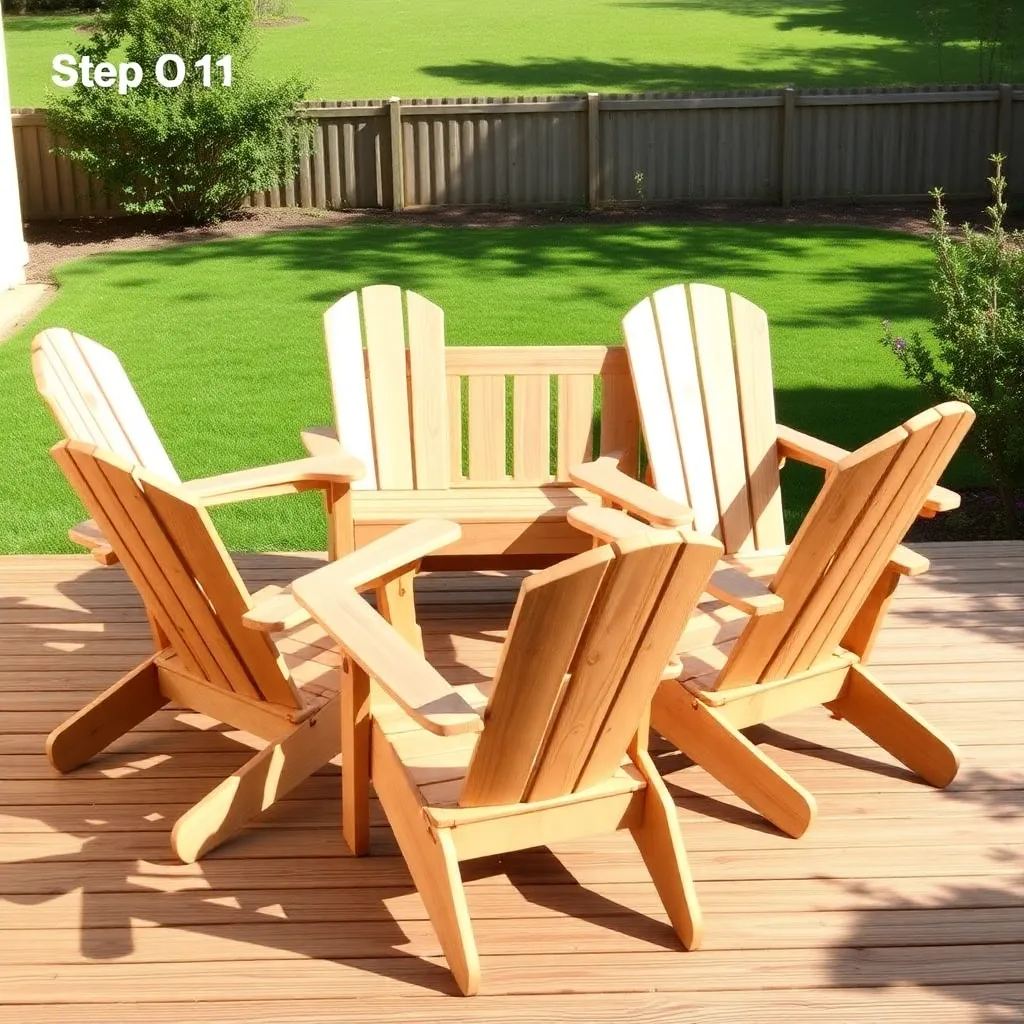
Outdoor furniture fails for one of three reasons: wrong wood species, wrong hardware, or wrong finish. All three are specified here. These six builds use weather-appropriate materials and produce furniture that lasts 10–20 years in a normal residential yard — not two seasons before it splits and grays.
Ted’s Woodworking has full outdoor furniture plans with complete hardware lists and finish specs for all climate types. Browse Ted’s outdoor plans →
Step 1: Build an Adirondack Chair
Dimensions: 30 × 33 × 36 inches tall. Seat height: 14 inches.
Materials: ¾-inch cedar or redwood. All hardware: stainless steel or hot-dipped galvanized.
Cut list:
- Two back legs 1×6 at 34 inches (curved rear profile, jigsaw cut)
- Two front legs 1×4 at 21 inches
- Five seat slats 1×4 at 22 inches
- Seven back slats 1×4 at varying lengths (28–36 inches, fanned)
- Two arms 1×6 at 27 inches (curved front, jigsaw cut)
- Two front aprons 1×4 at 22 inches
- One back stretcher 1×4 at 20 inches
Jigsaw the curved back legs using a paper template (arc from 6 to 3 inches width over 34 inches). Assemble the seat frame: two back legs + front apron + back stretcher. Attach seat slats with ⅛-inch spacers between them (screws from above). Fan and attach back slats to the back stretcher and a top rail. Attach arms to front legs and back legs. Finish: Two coats of exterior teak oil or solid exterior stain.
Tools: Jigsaw, circular saw, drill/driver, belt sander, clamps.
Materials cost: ~$45–$65. Build time: One day.
Milestone: A chair you can sit in comfortably for an hour without back fatigue.
Step 2: Build a Cedar Garden Bench
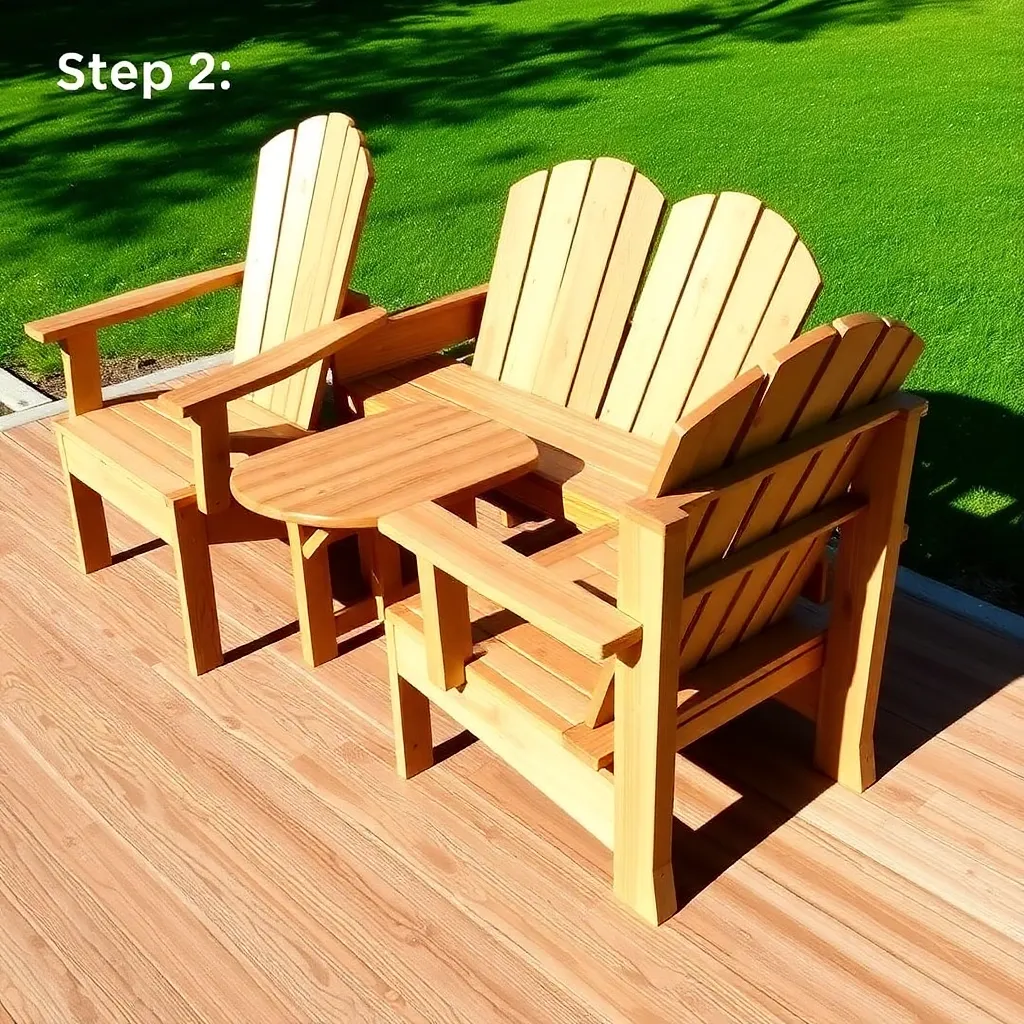
Dimensions: 60 × 18 × 17 inches tall (seat height).
Materials: Cedar 2×4 and 2×6. Stainless steel screws throughout.
Cut list:
- Two end frames: each has two legs 2×4 at 17 inches, one back support 2×4 at 18 inches, one front rail 2×4 at 17 inches
- Three seat slats 2×6 at 60 inches
- One back rail 2×4 at 57 inches connecting the two end frames
- Two backrest slats 2×4 at 60 inches (optional)
Assemble each end frame with three 2½-inch exterior screws at each joint. Stand end frames up and connect with the three seat slats and back rail using 3-inch screws. Space seat slats ¼ inch apart for drainage. Finish: Leave cedar natural (it will silver gracefully) or apply exterior oil every 12 months.
Tools: Miter saw, drill/driver, speed square.
Materials cost: ~$35–$50. Build time: 3 hours.
Milestone: A bench that seats three adults and doesn’t flex when they sit simultaneously.
Step 3: Build a Classic Picnic Table
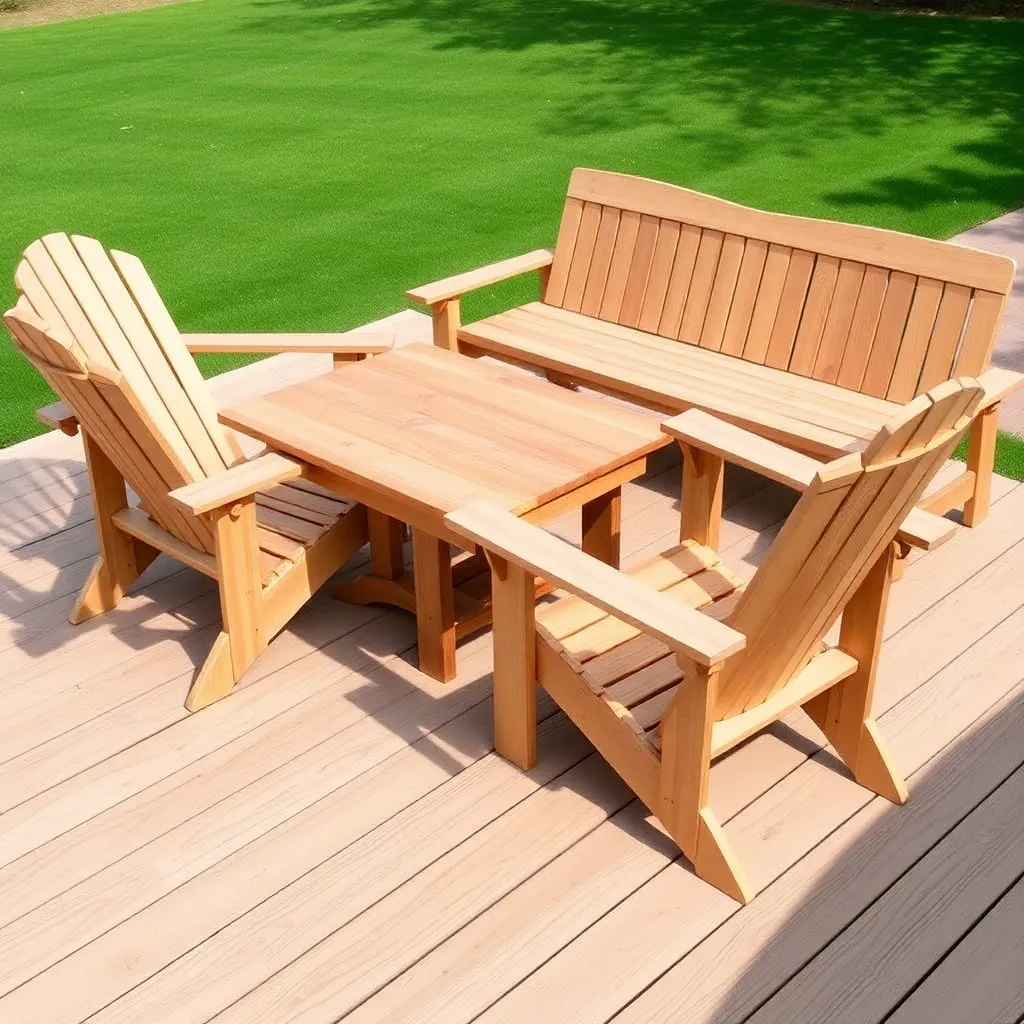
Dimensions: 72 × 60 × 30 inches tall.
Materials: 2× Douglas fir or pressure-treated pine (UC3B for above-ground use).
Cut list:
- Tabletop: five 2×6 boards at 72 inches
- Seats: four 2×6 boards at 72 inches (two per side)
- Four legs: 2×6 at 30 inches, cut at 55° on each end (parallel angled cuts)
- Two leg braces: 2×4 at 28 inches (connecting the two leg pairs at the center)
- One center brace: 2×4 at 60 inches (connecting both leg assemblies under the table)
Lay the two leg pairs flat and connect each pair with a brace at center height. Stand up the A-frames and connect with the center brace. Attach tabletop boards to the leg frames with 3½-inch screws from above. Attach seat boards to leg frames. Finish: Exterior deck stain or let pressure-treated lumber weather naturally.
Tools: Miter saw (bevel cuts for legs), drill/driver, speed square, clamps.
Materials cost: ~$75–$110. Build time: One day.
Milestone: A table that seats six adults with no wobble on flat ground.
Step 4: Build a Porch Swing
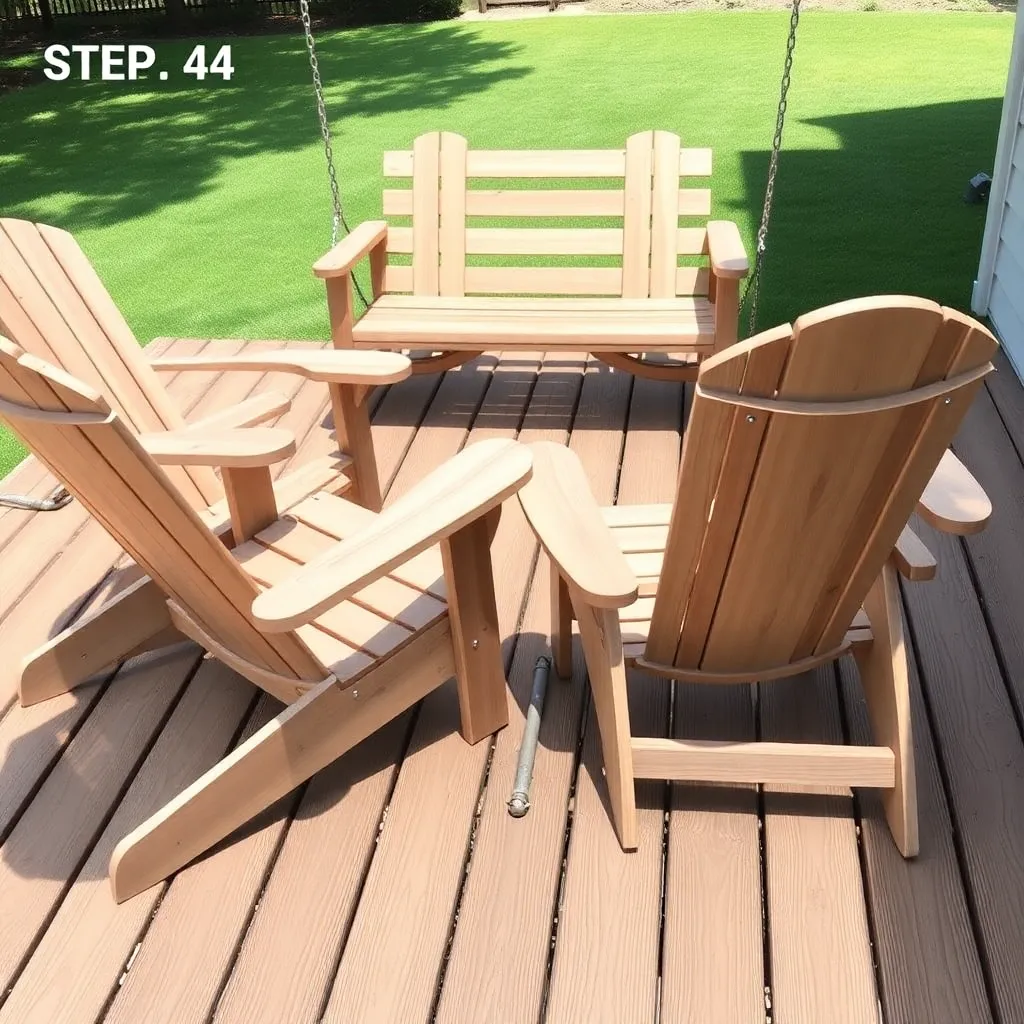
Dimensions: 48 inches wide × 22 inches deep × 24 inches tall.
Materials: Cedar or redwood. Stainless eye bolts. 4000-lb rated chain (minimum per seat).
Cut list:
- Back frame: two verticals 2×4 at 24 inches, one horizontal 2×4 at 44 inches
- Front frame: two verticals 2×4 at 16 inches, one horizontal 2×4 at 44 inches
- Six seat slats: 1×4 at 44 inches
- Four back slats: 1×4 at 20 inches
- Two arms: 1×4 at 22 inches (angled 15° down toward front)
- Two side aprons: 2×4 at 20 inches connecting front and back frames
Assemble front and back frames. Connect with side aprons using 3-inch exterior screws. Attach seat slats to aprons with ¼-inch spacing. Attach back slats. Attach arms. Install ½-inch eye bolts through arms (two per arm) for chain attachment. Verify that mounting hardware in the porch ceiling can handle 400 lbs dynamic load before hanging. Finish: Exterior teak oil.
Tools: Miter saw, drill/driver, ½-inch auger bit for eye bolt holes, clamps.
Materials cost: ~$55–$80 (plus chain and hardware ~$30). Build time: 5 hours.
Milestone: A swing that moves smoothly and holds two adults without the chains binding.
Step 5: Build a Planter Bench Combination
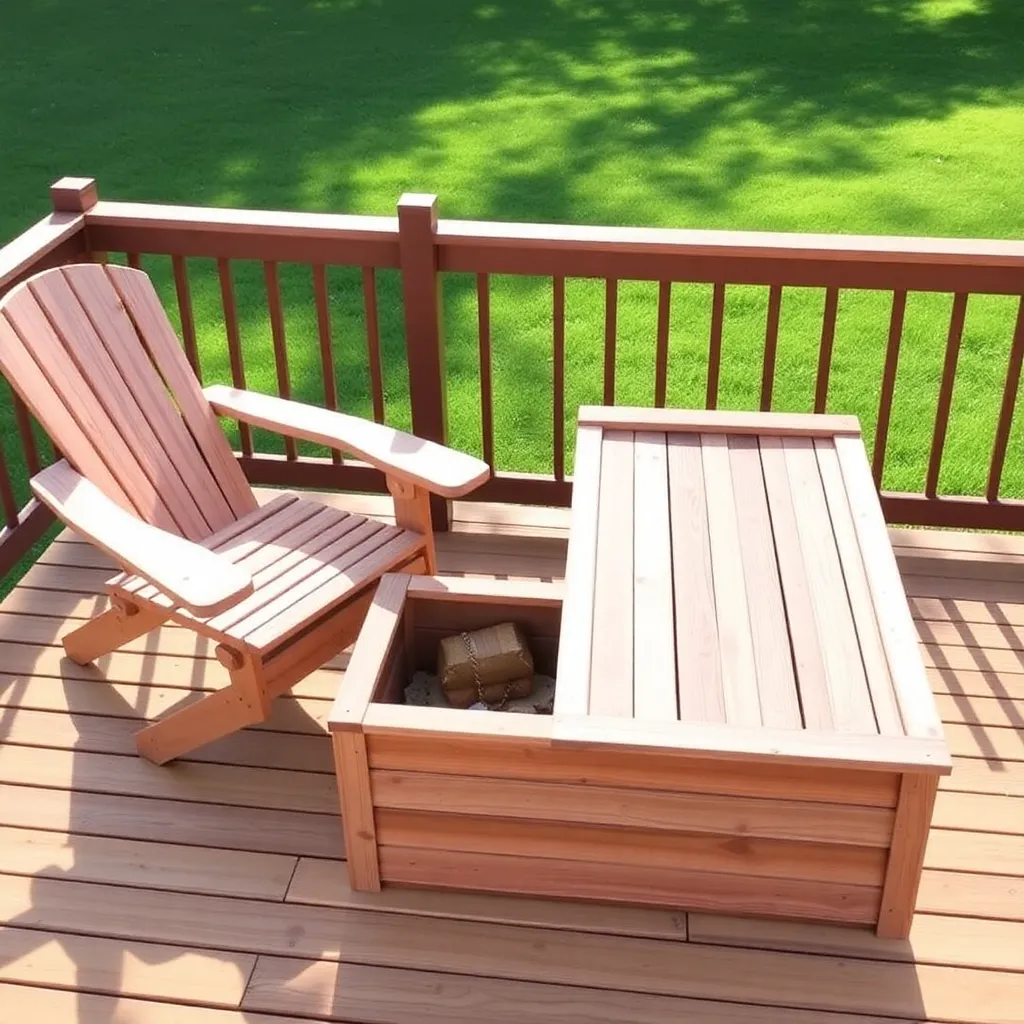
Dimensions: 60 × 18 × 30 inches tall with an 18 × 18 × 14-inch planter box at each end.
Materials: Cedar throughout. Exterior stainless screws.
Cut list:
- Bench seat: three 1×6 boards at 24 inches (between the two planter boxes)
- Four planter corners: 4×4 at 30 inches
- Planter sides: eight 1×6 boards at 18 inches, stacked two high per side
- Planter bottoms: ¾-inch cedar slats with drainage gaps
Build the two planter boxes first using 4×4 corner posts and 1×6 side boards stacked two high, screwed into the posts. Attach the three bench seat boards between the two planter boxes at 18 inches from the ground, connecting to the planter corner posts. Line the planter interiors with landscape fabric. Finish: Teak oil on all exterior surfaces.
Tools: Miter saw, drill/driver, speed square, level.
Materials cost: ~$70–$90. Build time: 5 hours.
Milestone: A bench with two planters that functions as a visual divider in a yard or on a deck.
Step 6: Build a Lounge Chair With Storage
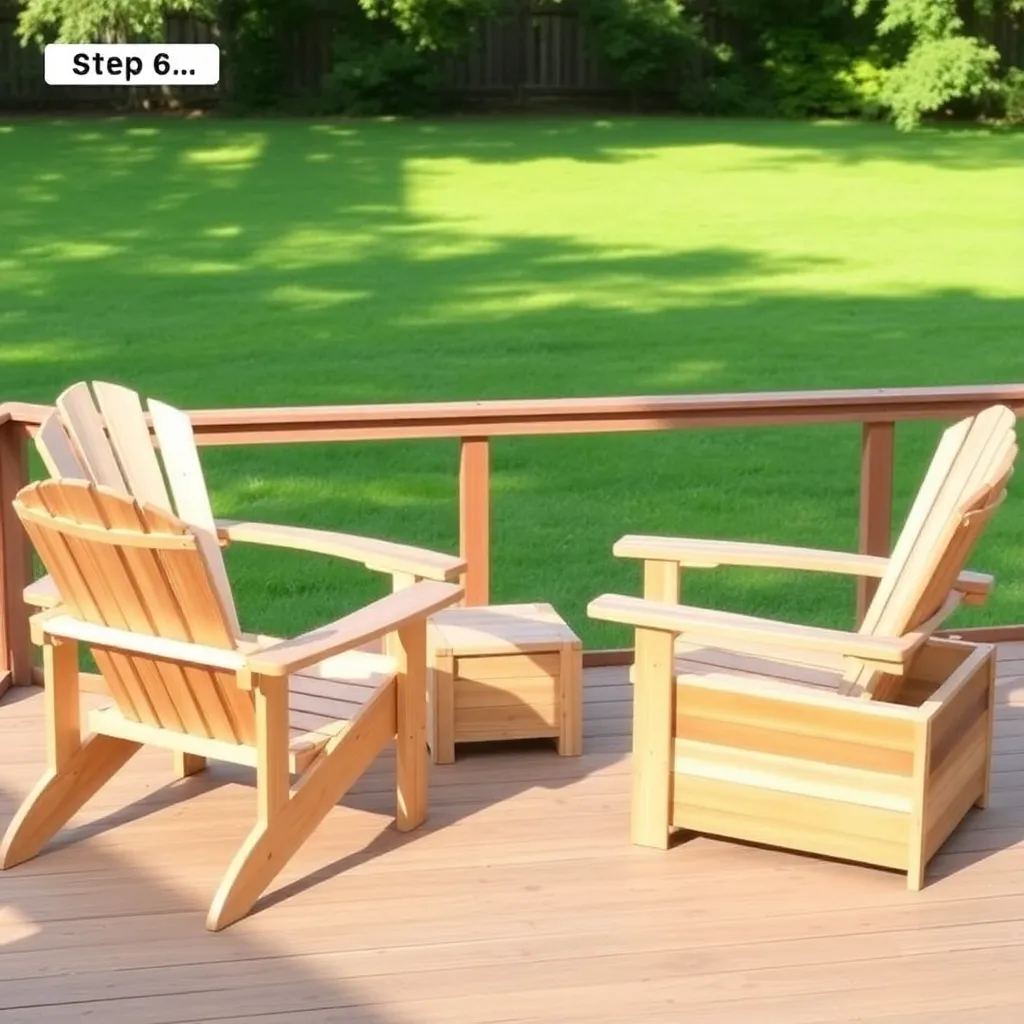
Dimensions: 75 × 26 × 14 inches tall (seat height). Recline angle: 25°.
Materials: Teak, cedar, or black locust. Stainless hardware.
Cut list:
- Main frame: two side rails 2×4 at 75 inches with a notch at 52 inches for backrest pivot
- Four legs: 2×4 at 14 inches
- Eight seat slats: 1×4 at 26 inches
- Backrest: 1×4 slats on a 2×4 frame at 24 × 24 inches, pivoting at the notch
- Under-seat storage: open box from 1×6 boards between the lower stretchers
Assemble the two side rails and four legs into the main frame. Attach seat slats ¼ inch apart. Pivot the backrest at the notch using a 3/8-inch carriage bolt and wing nut (allows backrest angle adjustment). Add the storage box between the front and rear legs under the seat frame. Finish: Three coats of exterior teak oil on all surfaces.
Tools: Circular saw, miter saw, drill/driver, jigsaw (for notch), clamps.
Materials cost: ~$70–$100. Build time: 6 hours.
Milestone: A chair with an adjustable recline that holds 300 pounds with no deflection.
Outdoor Furniture Plans FAQ
What wood lasts longest outdoors without treatment?
Teak is the most durable outdoor wood — it contains natural oils that prevent rot and insect damage and can last 75+ years outdoors untreated. More accessible alternatives: black locust (similar durability, much cheaper, available at specialty mills), cedar (15–20 years with occasional oiling), and redwood (similar to cedar). Pressure-treated pine is the budget choice for painted pieces — it’s preserved to resist rot but doesn’t look as good natural.
What screws should I use for outdoor furniture?
Stainless steel (type 316 for marine environments, type 304 for typical outdoor use) is the best choice — never rusts and won’t stain the wood. Hot-dipped galvanized is the economical alternative — durable but may develop surface rust streaks on light-colored wood over time. Avoid regular zinc-plated screws (the silver screws in most home center bins) — they rust within 1–2 seasons when exposed to weather.
How often do I need to refinish outdoor furniture?
Penetrating oils (teak oil, Danish oil, deck oil): every 12 months, or when water stops beading on the surface. Exterior stain: every 2–3 years. Exterior paint: every 3–5 years (longer with quality paint). Spar urethane (varnish): every 2–3 years with light sanding between coats. Cedar and redwood left unfinished require no maintenance — they gray naturally and remain structurally sound for decades.
Can I leave outdoor furniture outside year-round?
Yes, if built from the right materials. Cedar, redwood, teak, and properly pressure-treated pine can remain outside in all seasons without cover. Pine, poplar, and other non-treated softwoods should be brought inside or covered for winter — they’ll deteriorate in 2–3 seasons with constant freeze-thaw and moisture cycling. Furniture covers (polyester, not plastic) protect finish and extend time between refinishing on any species.

“DIY woodworking enthusiast who started with zero experience and a YouTube tutorial.
I build simple, practical projects for my home and share free plans
so other beginners can skip the guesswork.If I can build it, you can too.”