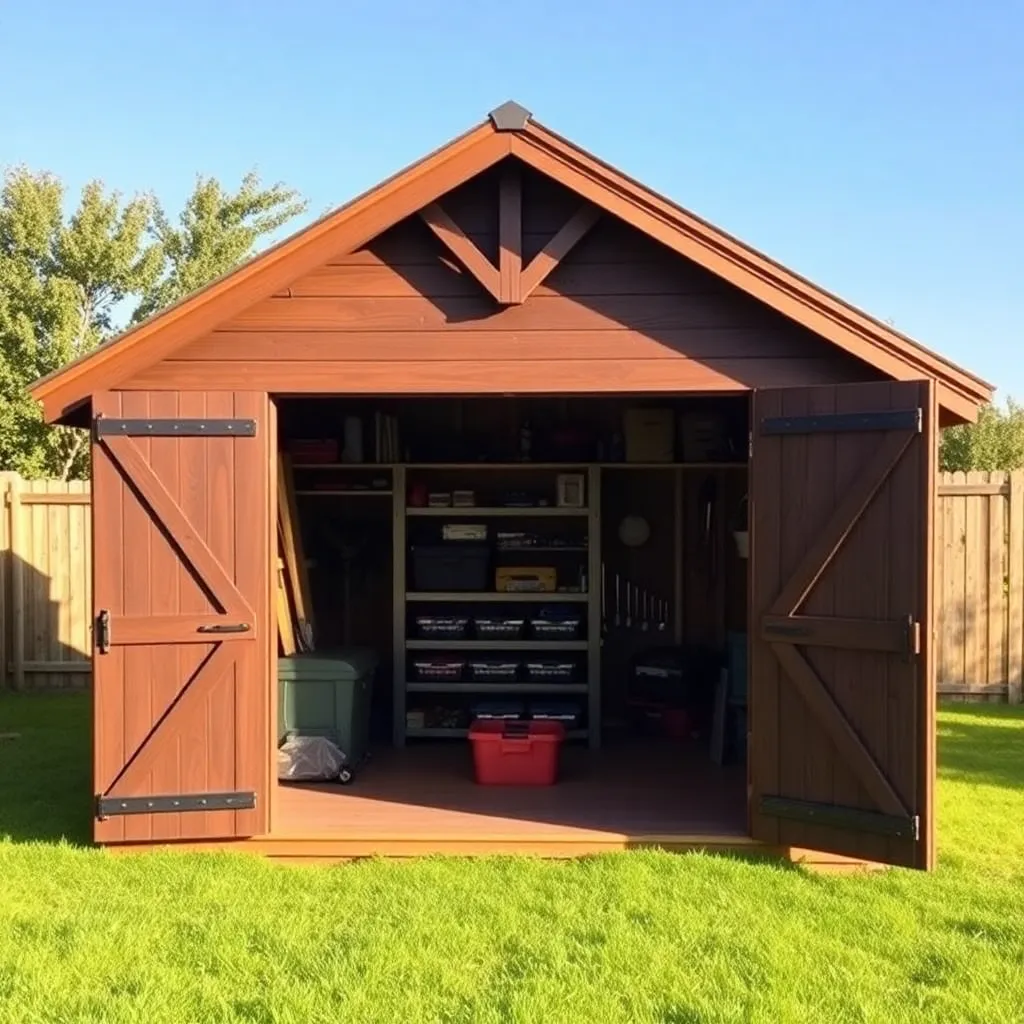
Outdoor structures are the most impactful woodworking projects you can build — a well-built shed adds usable square footage to your property, a chicken coop pays for itself in eggs within a year, and a properly placed bat house eliminates mosquito problems more effectively than any spray. These six project categories cover every major backyard structure: sheds for storage, garage and shop organization, treehouses and playhouses, firewood storage, pet housing, and wildlife structures. All are buildable with standard lumber and basic tools, with complete plans covering cut lists, framing details, and finishing instructions.
Ted’s Woodworking has 16,000+ projects including complete plans for sheds, coops, treehouses, and every outdoor structure in this guide. Browse Ted’s outdoor structure plans →
Shed Plans
A shed is the highest-ROI structure in any backyard — it frees garage space, protects tools from weather, and adds more usable square footage per dollar than any home addition. Shed plans cover six designs from a simple lean-to shed to a full workshop shed: lean-to, small gable, gambrel (barn-style), she-shed, workshop, and wood shed. Every design includes a complete cut list, framing plan, roofing details, and door hardware specifications.
Garage and Shop Storage
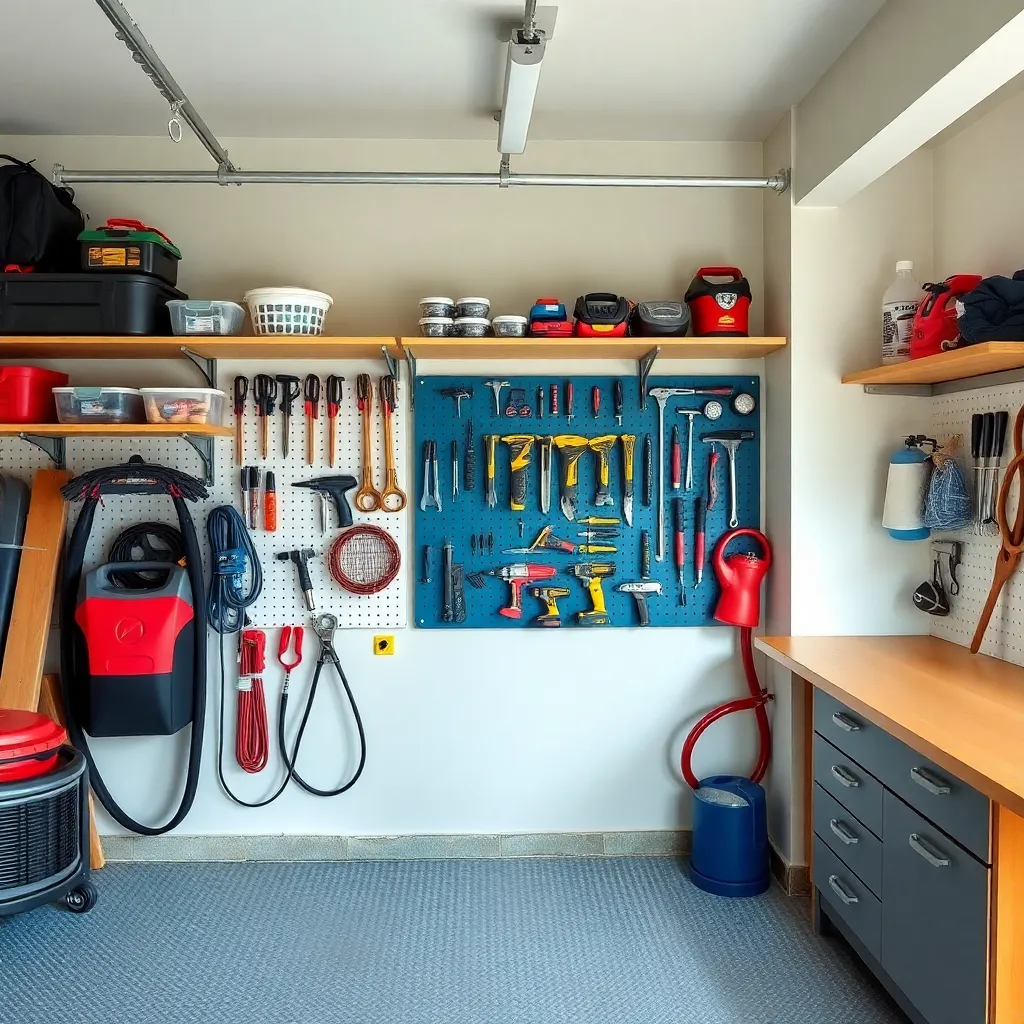
A disorganized garage is the most common reason woodworkers can’t work efficiently — tools lost, lumber piled on the floor, no clear workspace. Garage and shop storage covers six storage builds: wall shelving systems, custom garage cabinets, a sturdy workbench, pegboard wall organizer, overhead storage for seasonal items, and a mobile tool storage cart. Together they transform a cluttered garage into a functional workshop.
Treehouse and Playhouse Plans
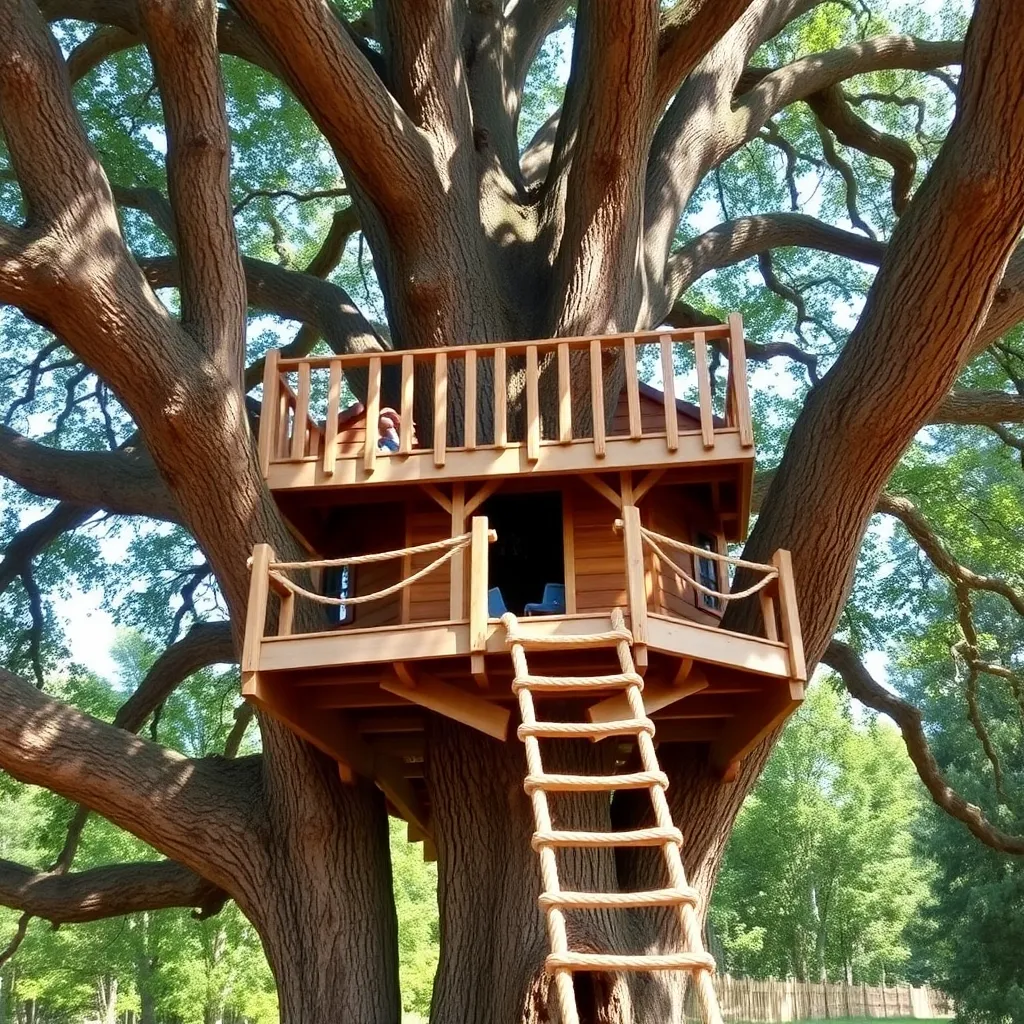
A treehouse or playhouse is the woodworking project children remember for decades — and one of the most technically interesting builds in the backyard, combining structural engineering, exterior finishing, and creative design. Treehouse and playhouse plans cover six designs: a classic platform treehouse, a simple ground-level treehouse, a DIY playhouse, a kids’ cottage playhouse, an A-frame treehouse, and a treehouse platform base. Each with structural load calculations, lag bolt specifications, and deck-building techniques.
Firewood Storage
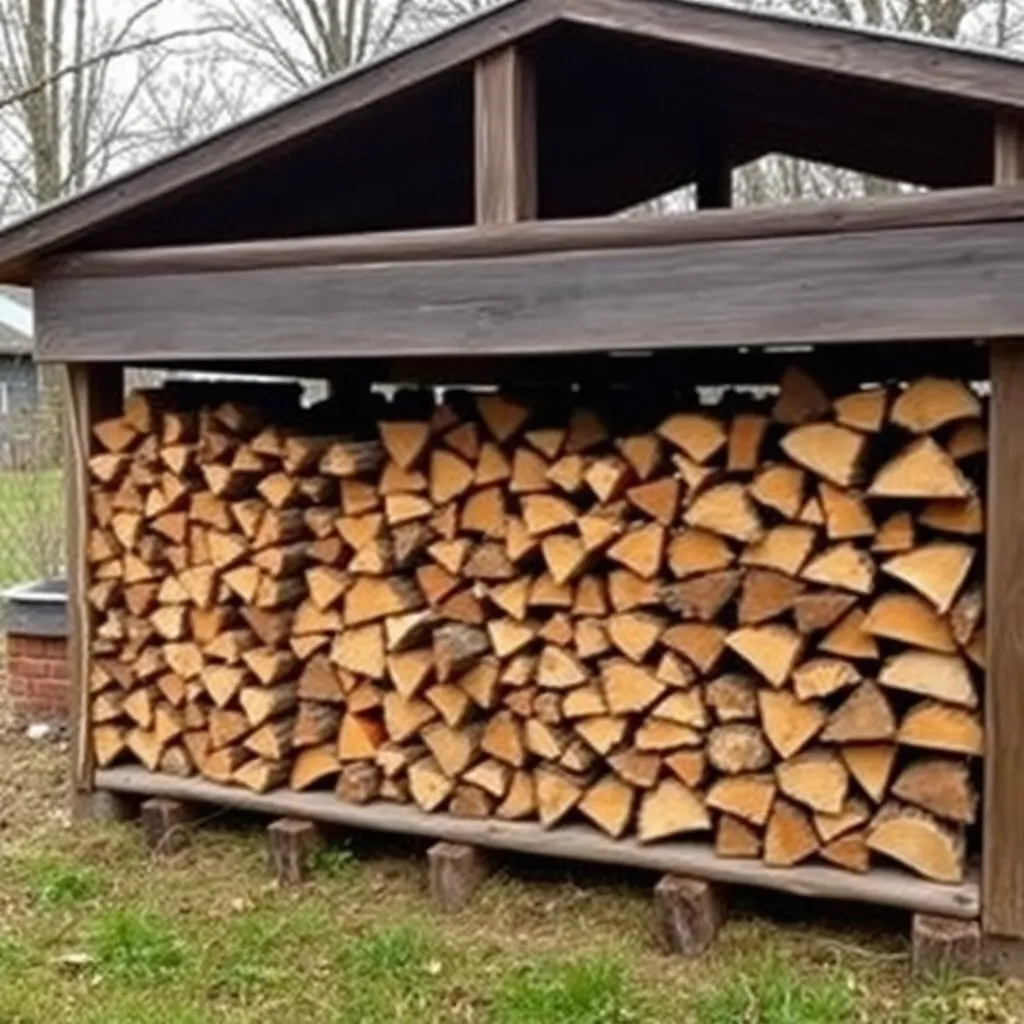
Properly stored firewood burns hotter, lights faster, and produces less creosote than wet wood — and the difference between good and bad firewood storage is entirely in the structure. Firewood storage covers six builds: a rack selection guide, a permanent firewood shed, a free-standing rack, an indoor holder, a decorative storage box, and outdoor bulk storage systems. All designed to maximize airflow for seasoning while protecting wood from rain.
Dog House and Pet Furniture
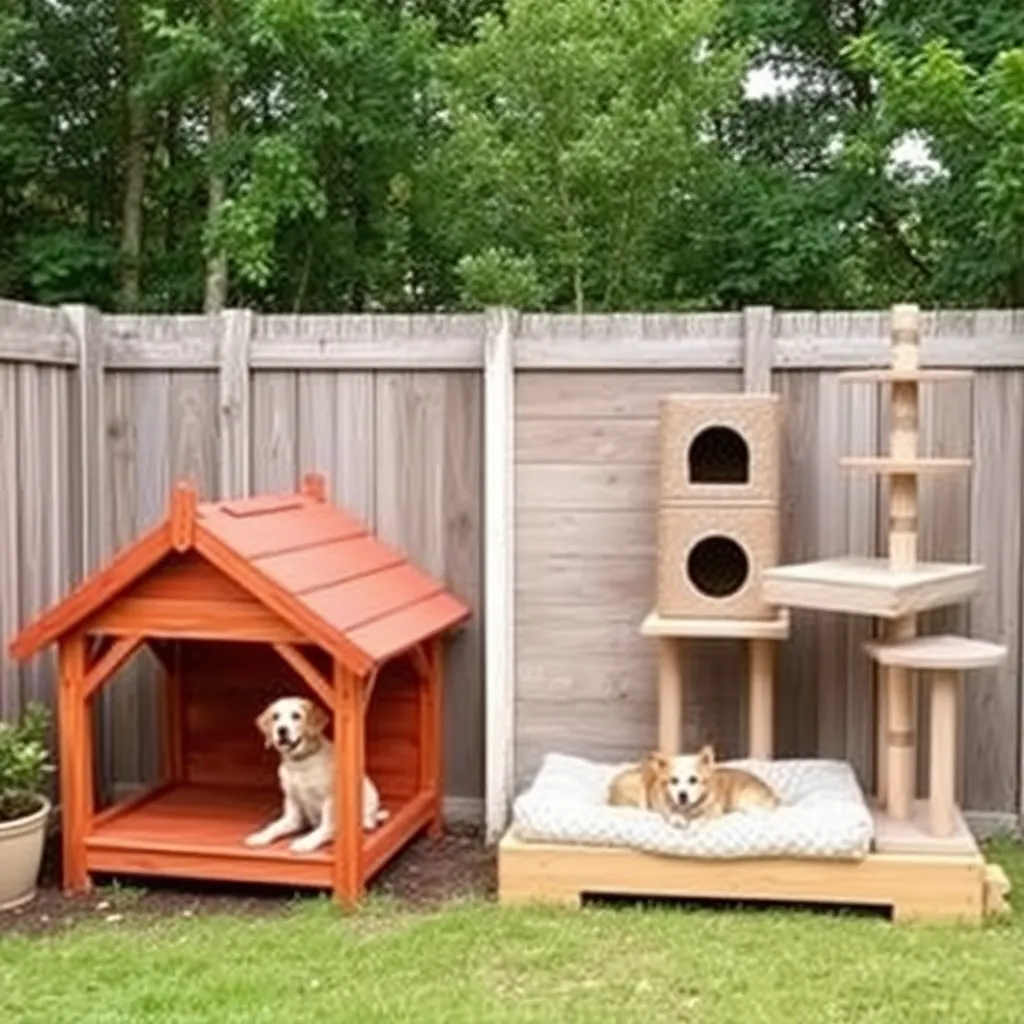
Pet furniture from a store is expensive, poorly sized, and built to a price point — a DIY dog house, elevated bed, or cat tree costs 30–60% less, uses better materials, and is sized exactly for your animal. Dog house and pet furniture covers six builds: dog stairs for bed, dog bed steps, a classic dog house, an elevated dog bed frame, an outdoor kennel, and a cat tree. All from standard lumber with step-by-step instructions.
Birdhouse Plans
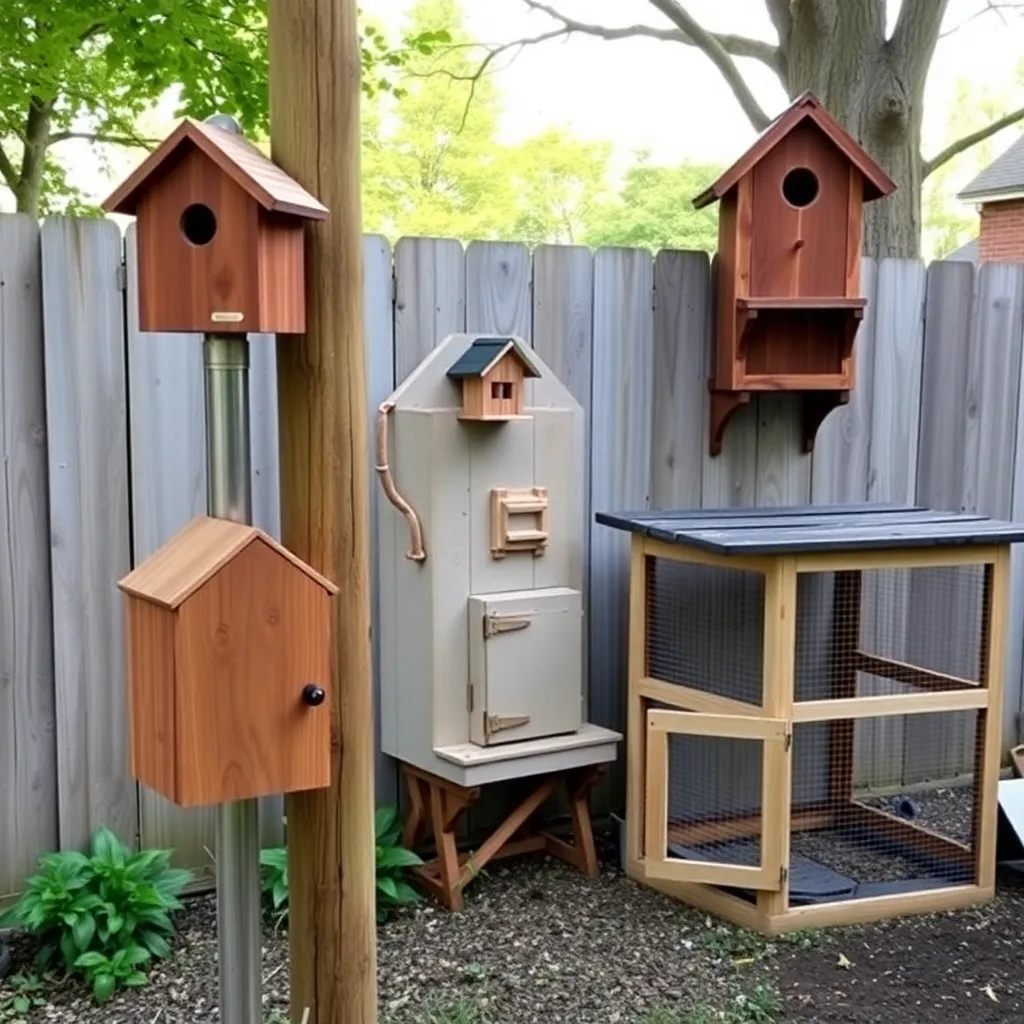
Wildlife structures are among the most immediately rewarding woodworking builds — a correctly placed bluebird box is occupied within days, and a bat house eliminates a mosquito problem within a season. Birdhouse plans cover six builds: a complete chicken coop for 4–6 hens, a classic bluebird house, a five-species birdhouse collection, decorative birdhouse designs, birdhouse building techniques, and a two-chamber bat house. Each with species-specific dimensions verified against ornithological research.
Choosing the Right Outdoor Structure
| Structure | Weekend Build | Material Cost | Primary Benefit |
|---|---|---|---|
| Lean-to shed | Yes (1 day) | $150–$400 | Tool and equipment storage |
| Full garage storage system | Yes (2 days) | $200–$600 | Workshop organization |
| Platform treehouse | No (3–5 days) | $400–$1,200 | Play structure, lasting memory |
| Firewood rack + shed | Yes (1–2 days) | $50–$300 | Properly seasoned firewood |
| Dog house | Yes (1 day) | $80–$150 | Weatherproof pet shelter |
| Chicken coop | Yes (2 days) | $200–$500 | Fresh eggs daily |
| Bluebird box | Yes (2 hours) | $8–$15 | Natural pest control |
Shed and Outdoor Structure Plans FAQ
What outdoor structure should I build first?
Build the structure that solves your most pressing problem. If tools are getting rained on, build a shed first. If the garage is unusable, start with storage. If you have children, a playhouse or treehouse delivers the most emotional return. If you have a mosquito problem and space, a bat house is the fastest-return build — 2 hours of work, zero materials cost beyond wood scraps. The bluebird box is the best first build for a complete beginner — one board, two hours, immediate results.
Do outdoor woodworking structures need permits?
In most jurisdictions: sheds over 120 square feet require a permit; sheds under 120 square feet do not. Treehouses almost never require permits but may be subject to HOA restrictions. Chicken coops are regulated by local zoning — many suburban jurisdictions allow 4–6 hens with restrictions on roosters and minimum setbacks from property lines. Check your local municipality’s zoning code before building any structure that’s permanent or above a certain size threshold.
What wood should I use for outdoor structures?
Pressure-treated lumber for any wood that contacts the ground (posts, skids, ledger boards). Cedar or redwood for siding, trim, and any surface that will be exposed to weather without ground contact. Exterior-grade plywood (CDX or better) for sheathing and decking. Regular pine framing lumber is acceptable for above-ground framing that will be covered by siding. Avoid OSB outdoors — it absorbs moisture and swells permanently within one wet season.
How long do DIY outdoor structures last?
A well-built shed in pressure-treated framing, exterior plywood siding, and metal roofing: 25–40 years. A cedar birdhouse: 10–20 years. A dog house in cedar with exterior latex: 15–25 years. A chicken coop in PT framing with exterior plywood: 15–20 years. A treehouse: 15–25 years depending on how the tree grows and how the lag bolts are installed. The common failure mode in all outdoor structures is moisture at joints — proper flashing, caulking, and paint maintenance extend any structure’s life significantly.
Can I build outdoor structures without a concrete foundation?
Yes — most of the structures in this guide rest on concrete blocks, compacted gravel, or pressure-treated skids instead of a poured foundation. A concrete foundation is required only for structures over 200 square feet, permanent structures in frost-prone areas (where frost heave can damage fixed footings), and structures attached to the house (which require a ledger board anchored to the foundation). For a 10×12-foot shed or smaller, concrete blocks at the corners on compacted gravel is a code-compliant, frost-resistant foundation in most jurisdictions.

“DIY woodworking enthusiast who started with zero experience and a YouTube tutorial.
I build simple, practical projects for my home and share free plans
so other beginners can skip the guesswork.If I can build it, you can too.”