Pet furniture from a pet store is expensive, poorly made, and sized for the average dog — not your dog. A DIY dog house, elevated bed, or cat tree costs 30–60% less than comparable commercial products, uses better materials, and can be sized exactly to your pet. These six builds cover the full range of pet furniture: stairs and steps to help dogs reach beds, a classic dog house, a raised dog bed frame, an outdoor kennel, and a cat tree. All are buildable with basic tools from standard lumber and hardware.
Ted’s Woodworking has complete pet furniture plans including dog houses, kennels, elevated beds, and cat trees with cut lists and hardware specs. Browse Ted’s pet plans →
Part of our complete guide to Shed and Outdoor Structure Plans — six outdoor builds for your backyard.
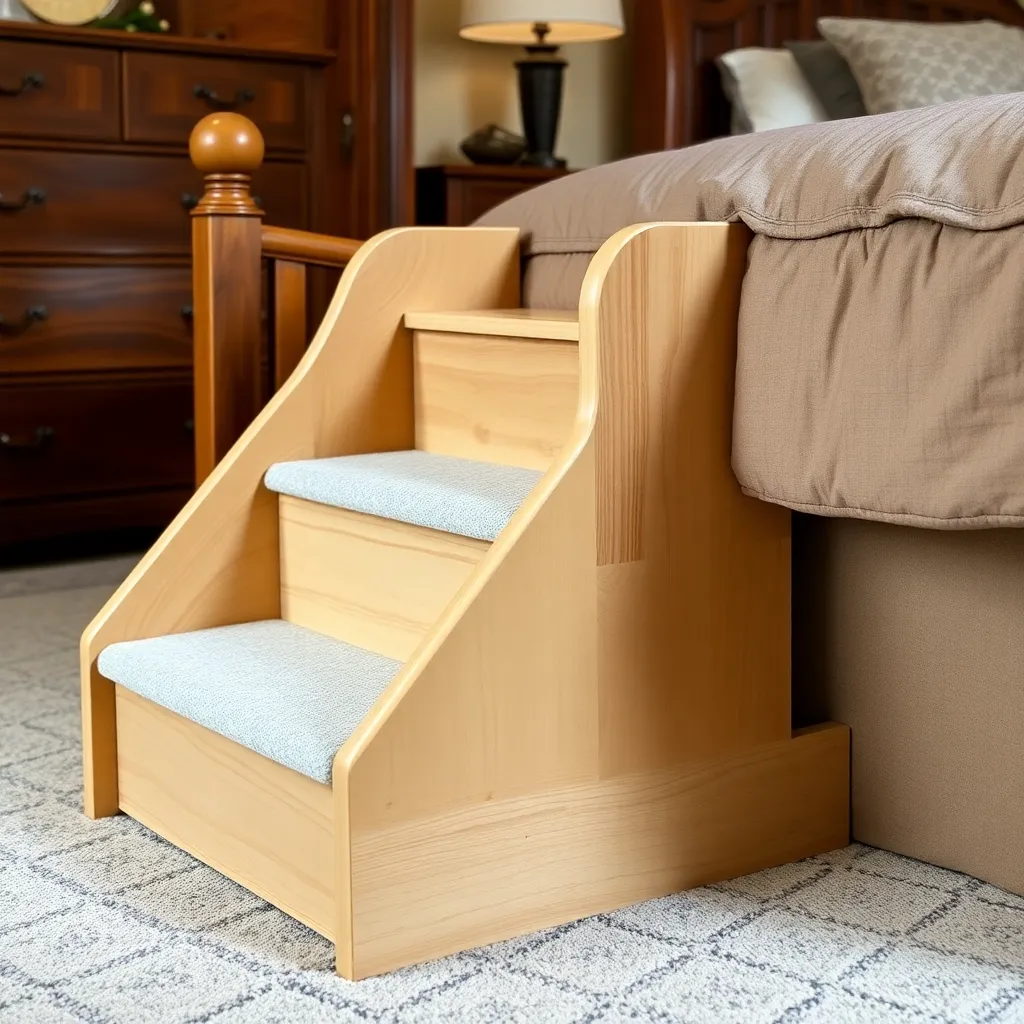
Dog Stairs for Bed
Dog stairs are the most-needed pet furniture build for small and senior dogs — they protect joints from the repeated impact of jumping on and off beds and sofas. Dog stairs for bed cover a 3-step plywood staircase sized to reach a standard bed height (24–26 inches), with non-slip carpet tread on each step and a hidden storage drawer inside the bottom step. The same design scales to 2 steps for sofa height and 4 steps for extra-tall beds.
Dog Bed Steps
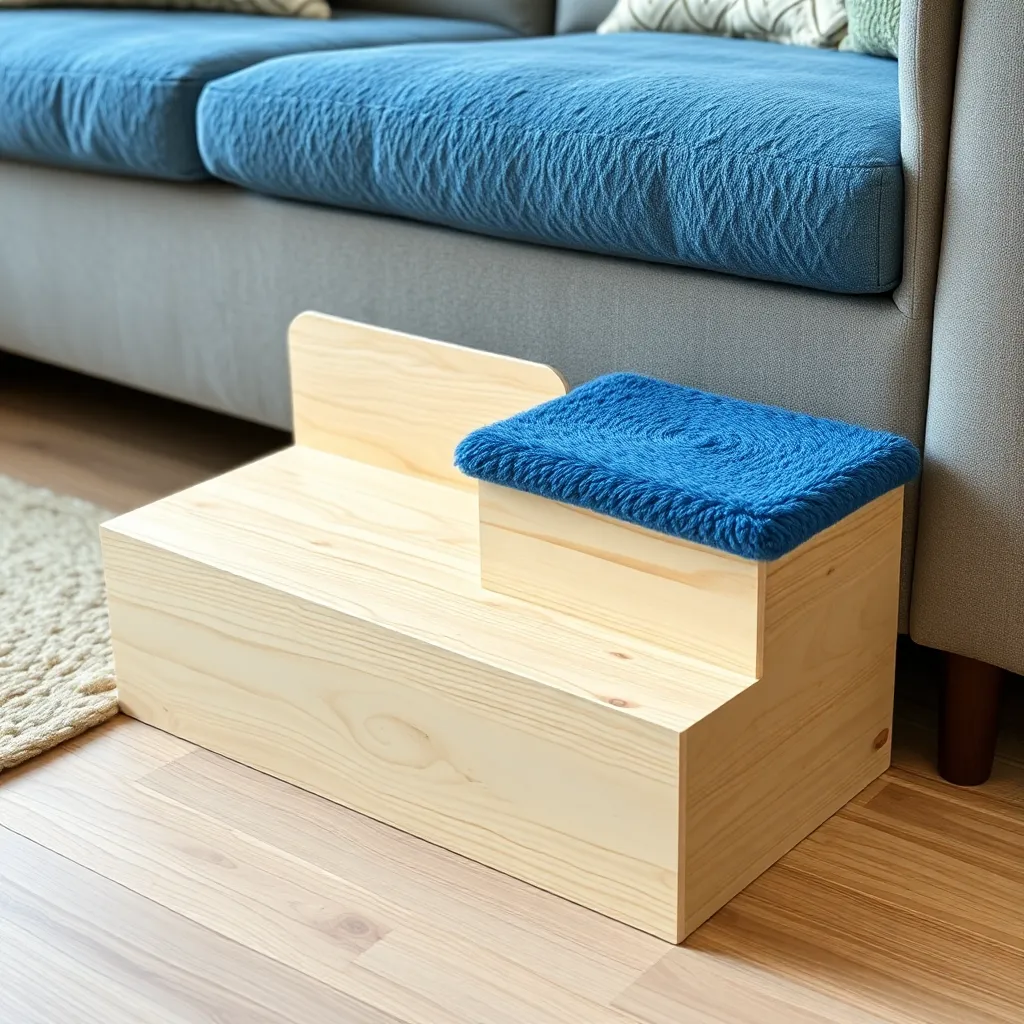
Dog bed steps are a more compact alternative to full stairs — two or three wide, low platforms that step up to bed height. Dog bed steps cover a 2-step platform design in solid pine with removable, washable fleece pad covers on each step, a non-slip rubber base, and optional side handles for moving the steps between rooms. Easier to build than stairs and works for most small and medium dogs.
Dog House Plans
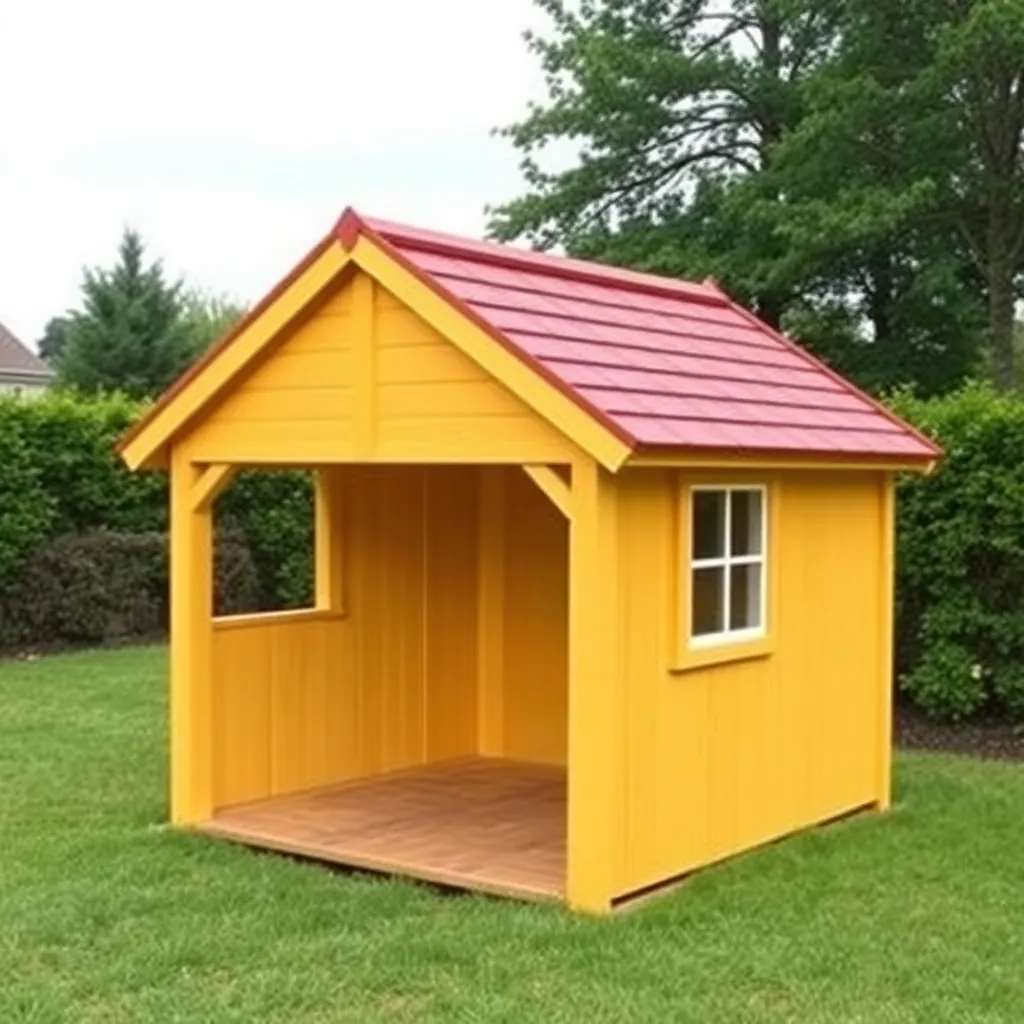
A well-built dog house keeps dogs warm in winter, cool in summer, and dry in rain — commercial dog houses rarely achieve all three. Dog house plans cover a classic gabled dog house in exterior-grade lumber sized for medium to large dogs (interior floor 30×24 inches), with a hinged roof for easy cleaning, an offset door to block wind from the sleeping area, and a removable floor board for winter insulation. Builds in one day for $80–$150 in materials.
Elevated Dog Bed Plans
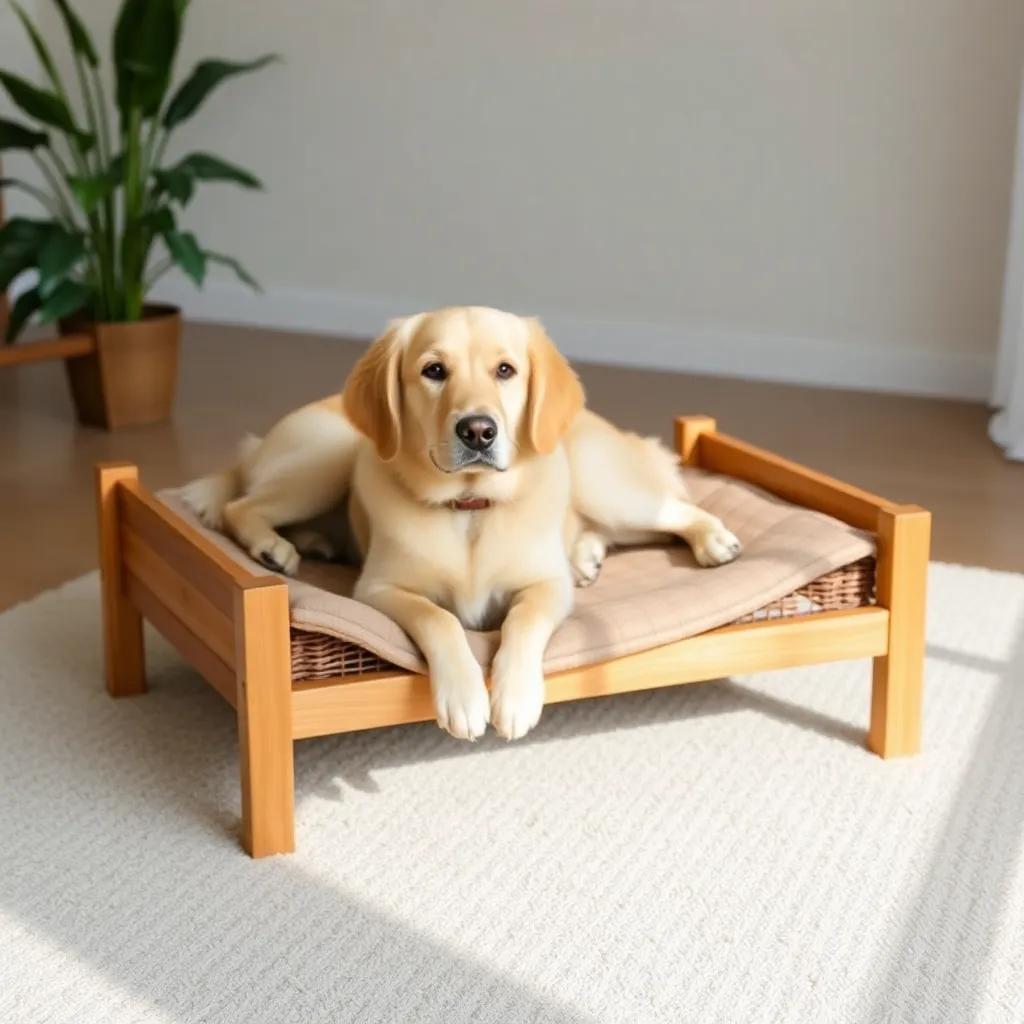
An elevated dog bed keeps dogs off cold floors, improves airflow in summer, and is easier to clean than a floor-level bed. Elevated dog bed plans cover a raised bed frame in Douglas fir with a woven canvas or PVC mesh sleeping surface — the same design sold commercially as “Kuranda” style beds for $80–$200, buildable for $20–$40 in materials. Available in three sizes: small (18×24 inches), medium (24×36 inches), and large (30×48 inches).
Dog Kennel Plans
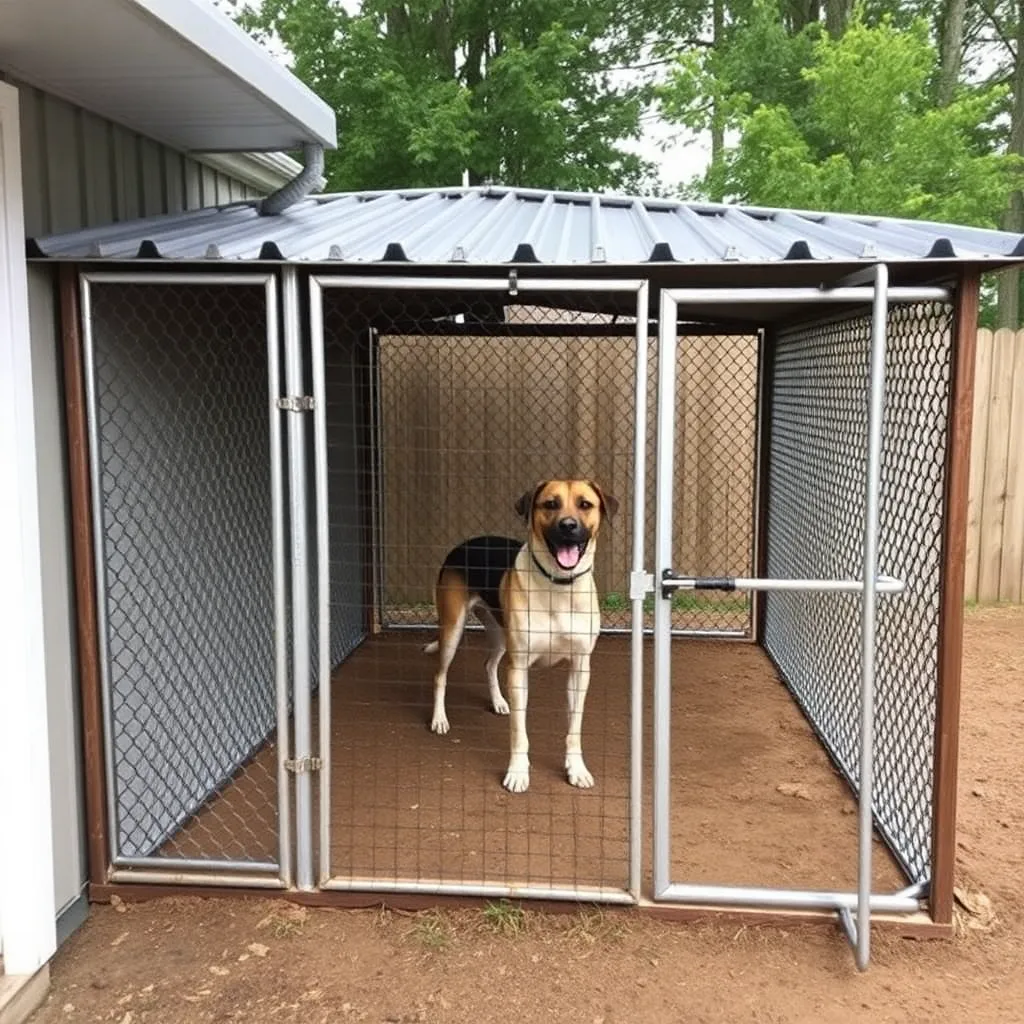
An outdoor dog kennel provides a secure, weatherproof space for dogs when unsupervised outside — better than a chain and more humane than a crate. Dog kennel plans cover a 6×10-foot outdoor kennel with a covered sleeping area on one end, a chain-link run on the other, a concrete or gravel floor, and a locking gate. Sized for one large dog or two medium dogs. Fully covered with metal roof panels to protect from rain and sun.
Cat Tree Plans
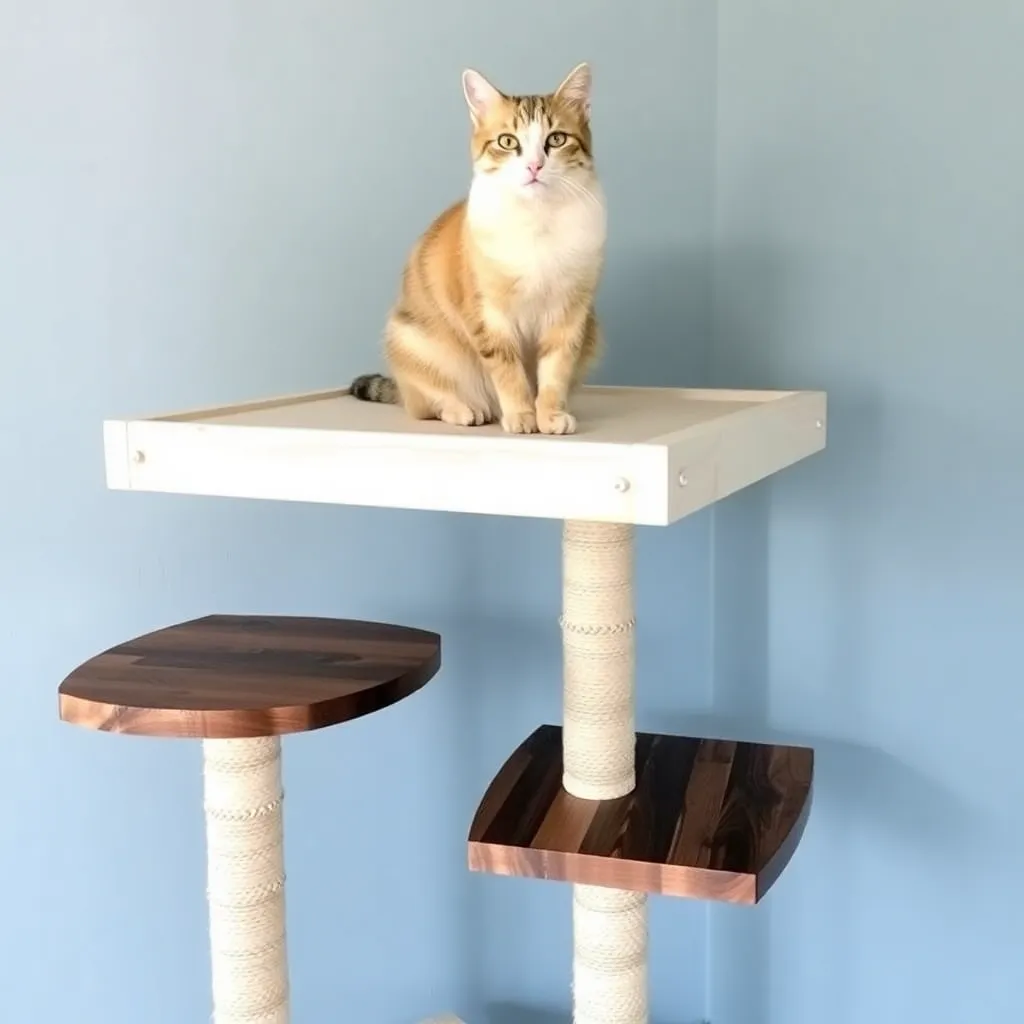
A DIY cat tree is built from materials a cat actually prefers — real sisal rope for scratching (not plastic-wrapped posts), solid wood platforms (not particleboard), and washable fleece covers. Cat tree plans cover a 5-foot tall cat tree with three platforms, a ground-level scratching post, a suspended rope bridge between platforms, and a top-level sleeping hammock. Buildable for $40–$70, compared to $120–$250 for commercial equivalents of similar height and quality.
Choosing the Right Pet Furniture Build
| Pet | Problem | Best Build | Cost |
|---|---|---|---|
| Small/senior dog | Can’t reach bed | Dog stairs or steps | $30–$60 |
| Any dog (outdoor) | Needs shelter | Dog house | $80–$150 |
| Dog (joint issues) | Cold floor sleeping | Elevated bed | $20–$40 |
| Dog (unsupervised outside) | Needs safe outdoor space | Kennel | $200–$400 |
| Cat | No scratching/climbing outlet | Cat tree | $40–$70 |
Dog House and Pet Furniture FAQ
What wood is safe for pet furniture?
Untreated Douglas fir, pine, cedar, and plywood are all safe for pet furniture. Avoid pressure-treated lumber (the preservatives are toxic if chewed), MDF (breaks down rapidly when wet and dogs chew it), and any wood finished with oil-based paints or stains that haven’t fully cured. Water-based latex paint and food-safe oils (linseed oil, tung oil) are safe once dry. Cedar has natural insect-repellent properties — excellent for outdoor dog houses.
How big should a dog house be?
The interior floor should be large enough for the dog to turn around and lie down fully stretched, but not much larger — a too-large dog house loses the dog’s body heat and stays cold in winter. Rule of thumb: floor area = 1.5× the dog’s length squared. Door height: 75% of the dog’s shoulder height. For a 60-lb Labrador: approximately 30×36-inch floor, 14-inch-tall door.
Are DIY pet stairs hard to build?
Dog stairs are one of the easiest woodworking projects — a beginner can build them in 3–4 hours with basic tools. The only required cuts are straight box cuts (no angles). The main skill is measuring consistently for the step rise and run. A 3-step staircase uses approximately one sheet of ¾-inch plywood and costs $25–$40 in materials.
How do I make pet furniture chew-proof?
No wood is truly chew-proof, but some materials resist chewing better than others. Solid hardwood (oak, maple) is much harder to chew than soft pine or plywood. Round all exposed edges — sharp corners invite chewing. Avoid exposed end grain on plywood edges (seal with edge banding). For confirmed chewers, use PVC pipe frames instead of wood — PVC is unpleasant to chew and holds up to most dogs.
How long does a DIY dog house last?
A dog house built from cedar or pressure-treated framing lumber with exterior-grade plywood, painted with exterior latex, and kept off the ground on a treated wood or concrete base: 10–20 years. The roof is the first component to fail — use metal roofing instead of asphalt shingles for a longer-lasting dog house with minimal maintenance.

“DIY woodworking enthusiast who started with zero experience and a YouTube tutorial.
I build simple, practical projects for my home and share free plans
so other beginners can skip the guesswork.If I can build it, you can too.”