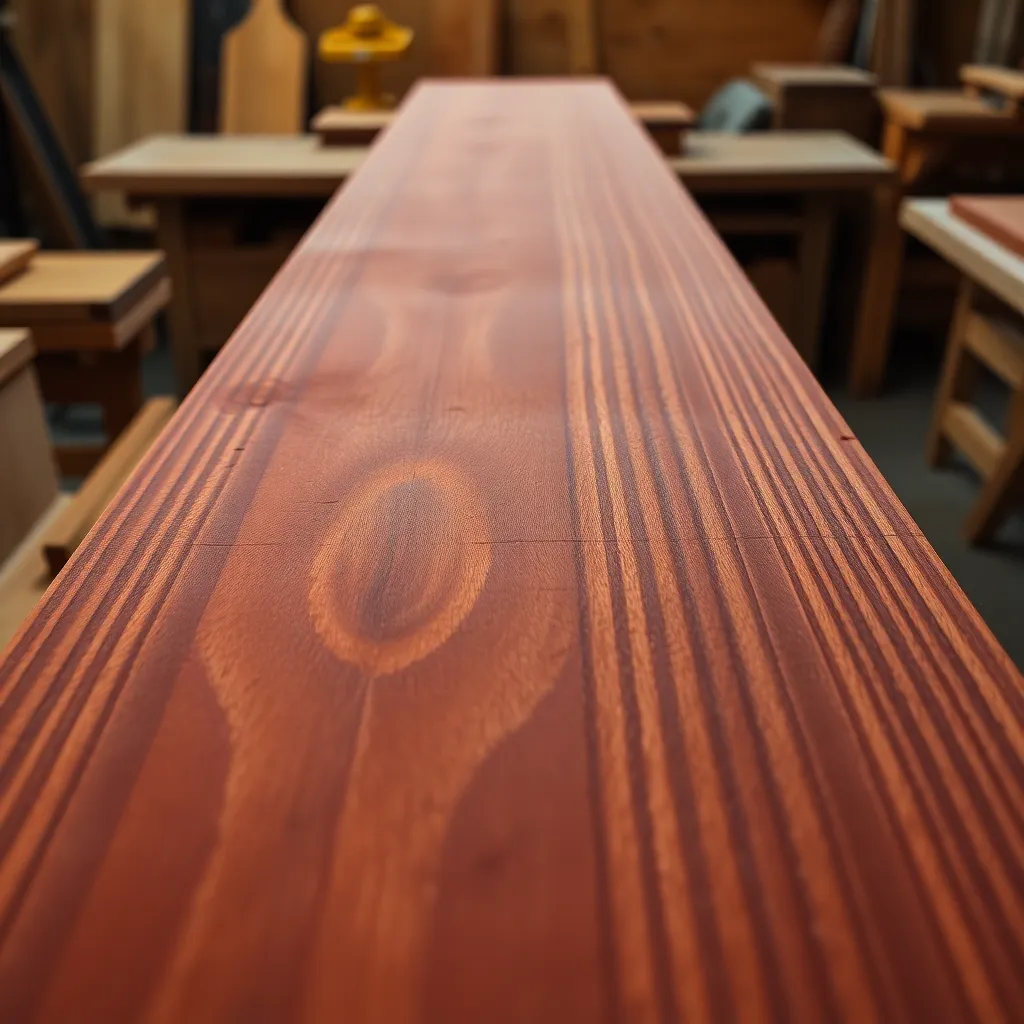
Mahogany is the benchmark fine furniture wood — straight-grained, stable, easy to work, and beautiful under a finish. It dominated European and American furniture making from the 1700s through the 1900s and remains a reference point for what a fine furniture wood should be. Understanding mahogany means understanding both the true species (Swietenia mahagoni and Swietenia macrophylla) and the look-alikes sold under the mahogany name at most lumber yards.
Ted’s Woodworking has complete furniture plans designed for mahogany and mahogany alternatives. Browse Ted’s plans →
Step 1: Identify True Mahogany vs Mahogany Alternatives
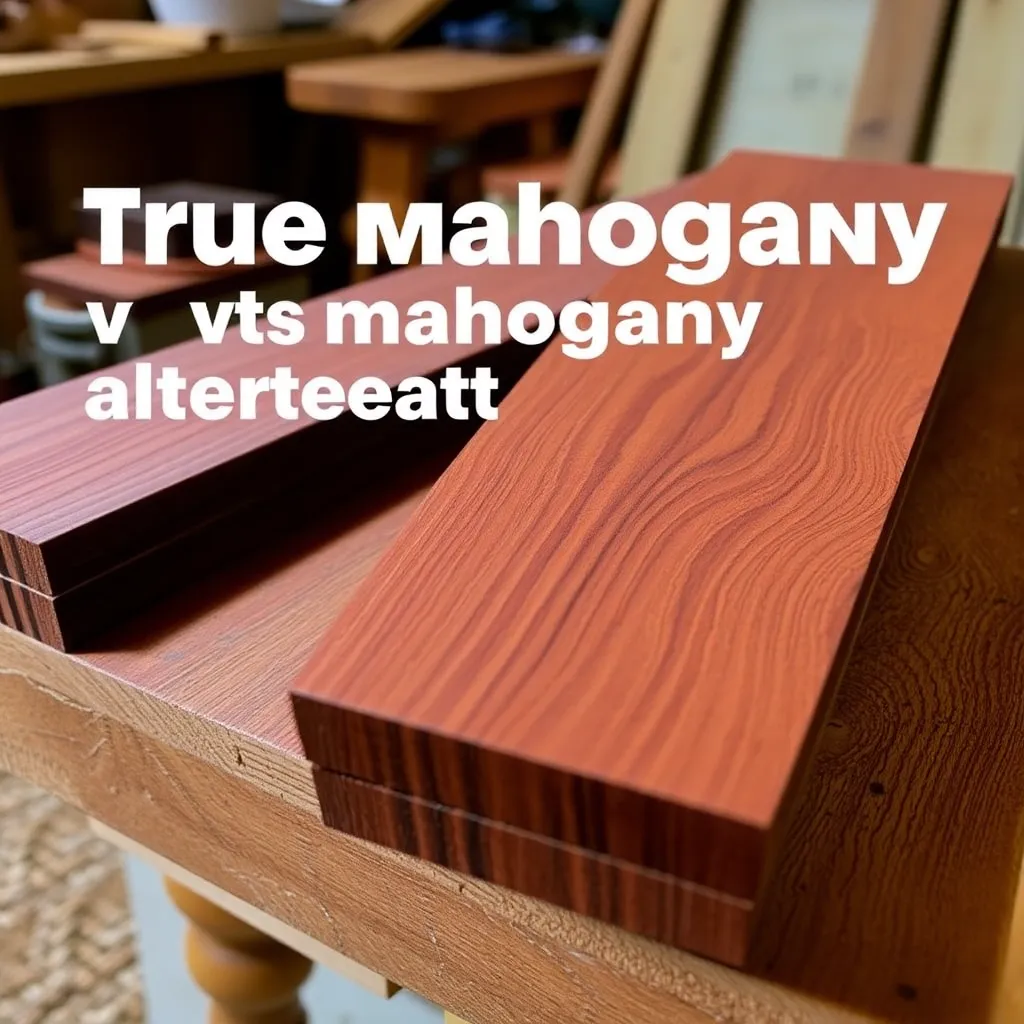
Goal: Distinguish true mahogany (Swietenia) from the common alternatives sold under the mahogany name.
True mahogany (Swietenia genus):
Common alternatives (NOT true mahogany):
Milestone: At a lumber yard, ask for both “mahogany” and “sapele” — compare grain, color, and weight between them.
Step 2: Learn Mahogany’s Working Properties
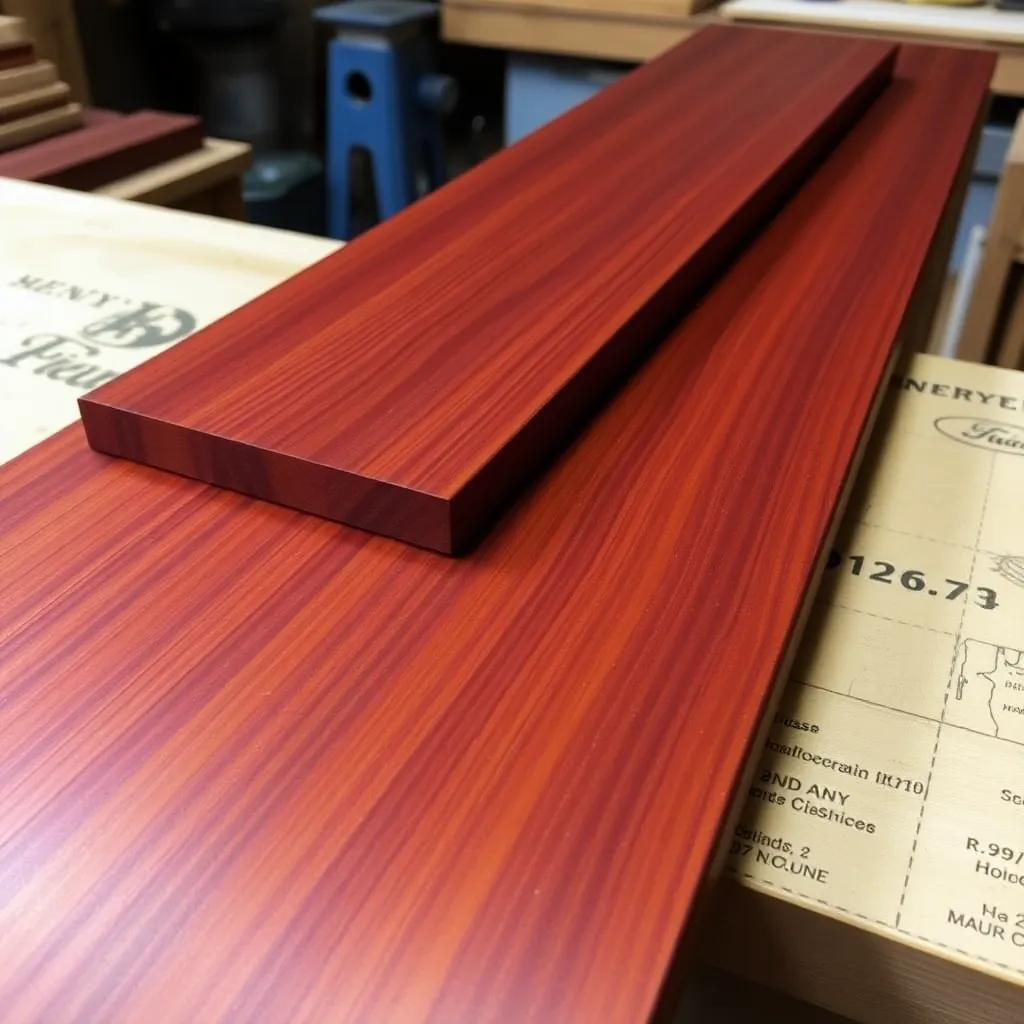
Goal: Understand what makes mahogany exceptional to work with and the one challenge it presents.
Why mahogany works so well:
The one challenge: interlocked grain produces the prized ribbon figure on quartersawn surfaces, but planes with significant tearout if planed in the wrong direction. Solution: hand plane with the grain and take light passes; machine plane with a spiral or helical cutterhead that shears rather than chops the grain.
Janka hardness: 800–900 lbf (moderate — between cherry at 950 and walnut at 1010; much softer than hard maple at 1450).
Milestone: Surface a test board of African mahogany with a hand plane and find the grain direction that produces a clean cut.
Step 3: Understand Mahogany’s Appearance and Aging
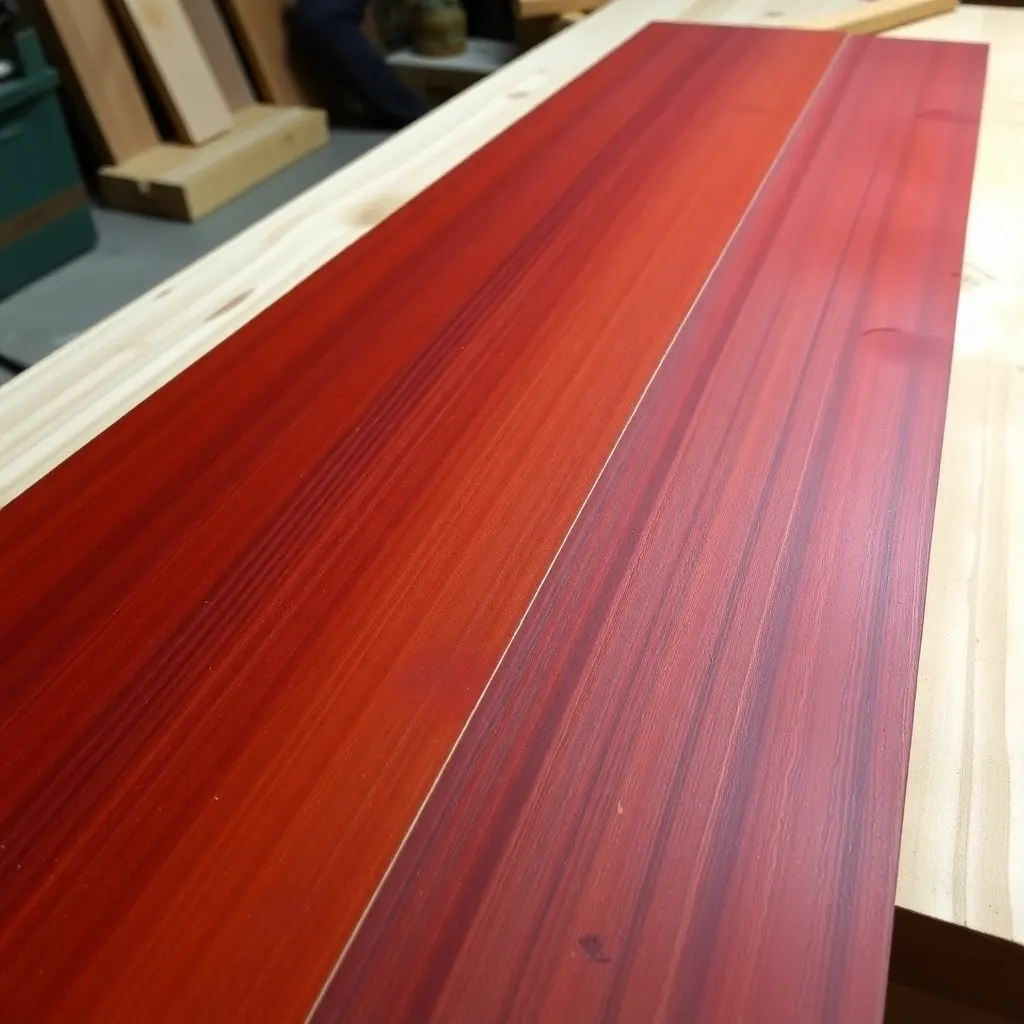
Goal: Know what mahogany looks like fresh and how it changes over time.
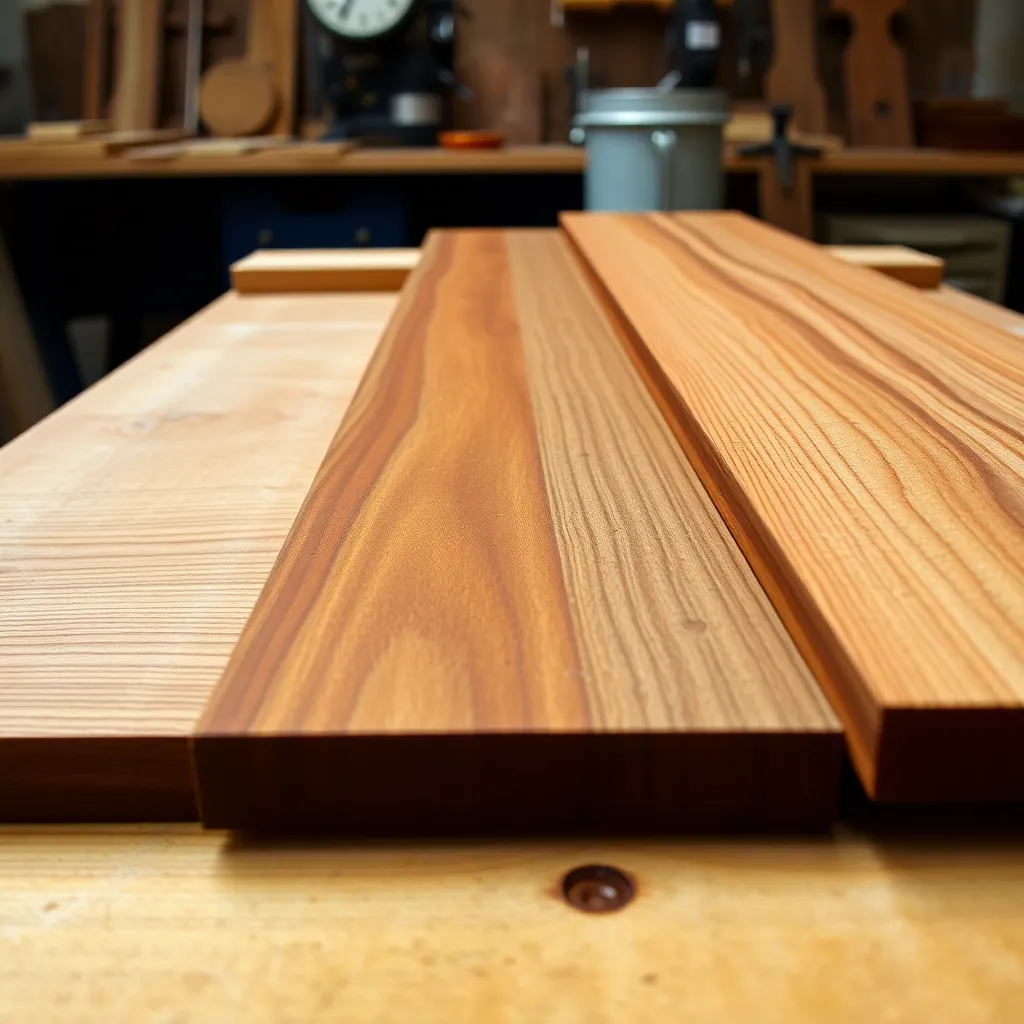
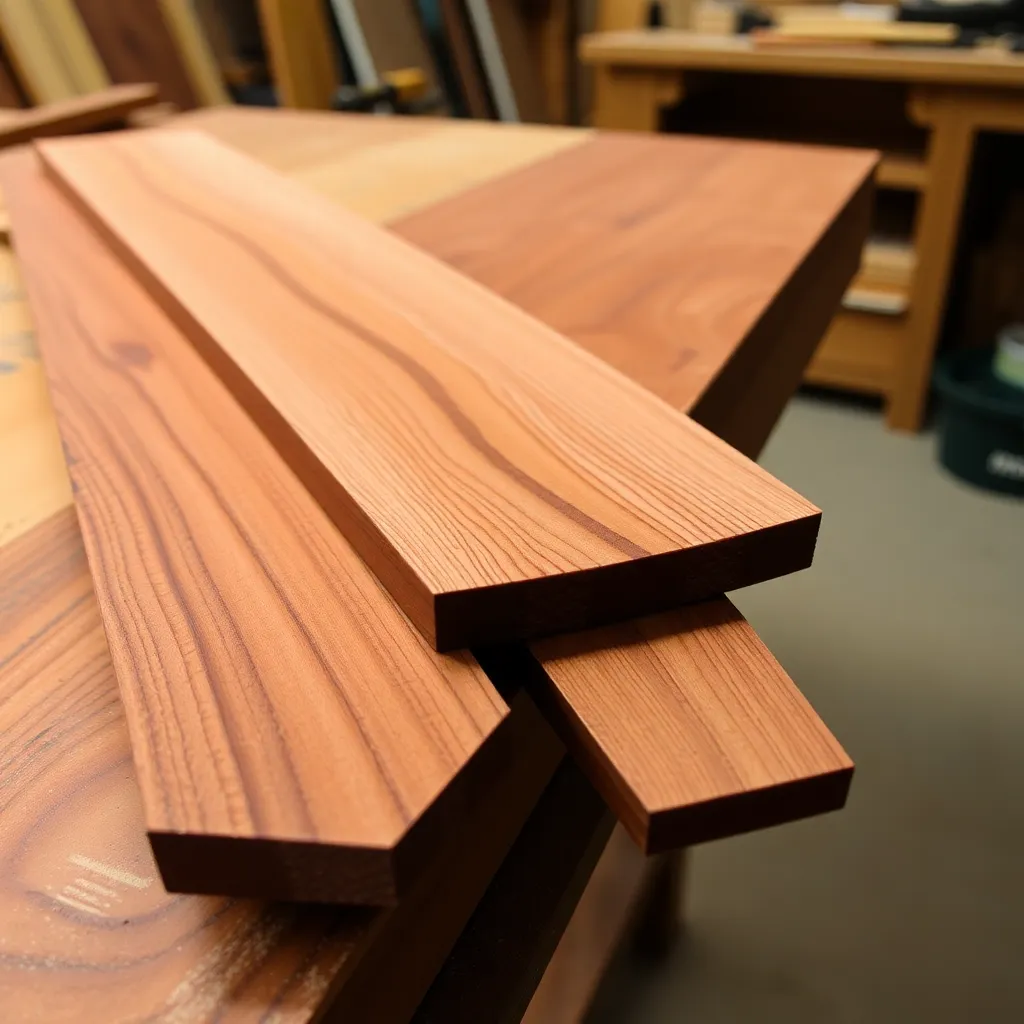
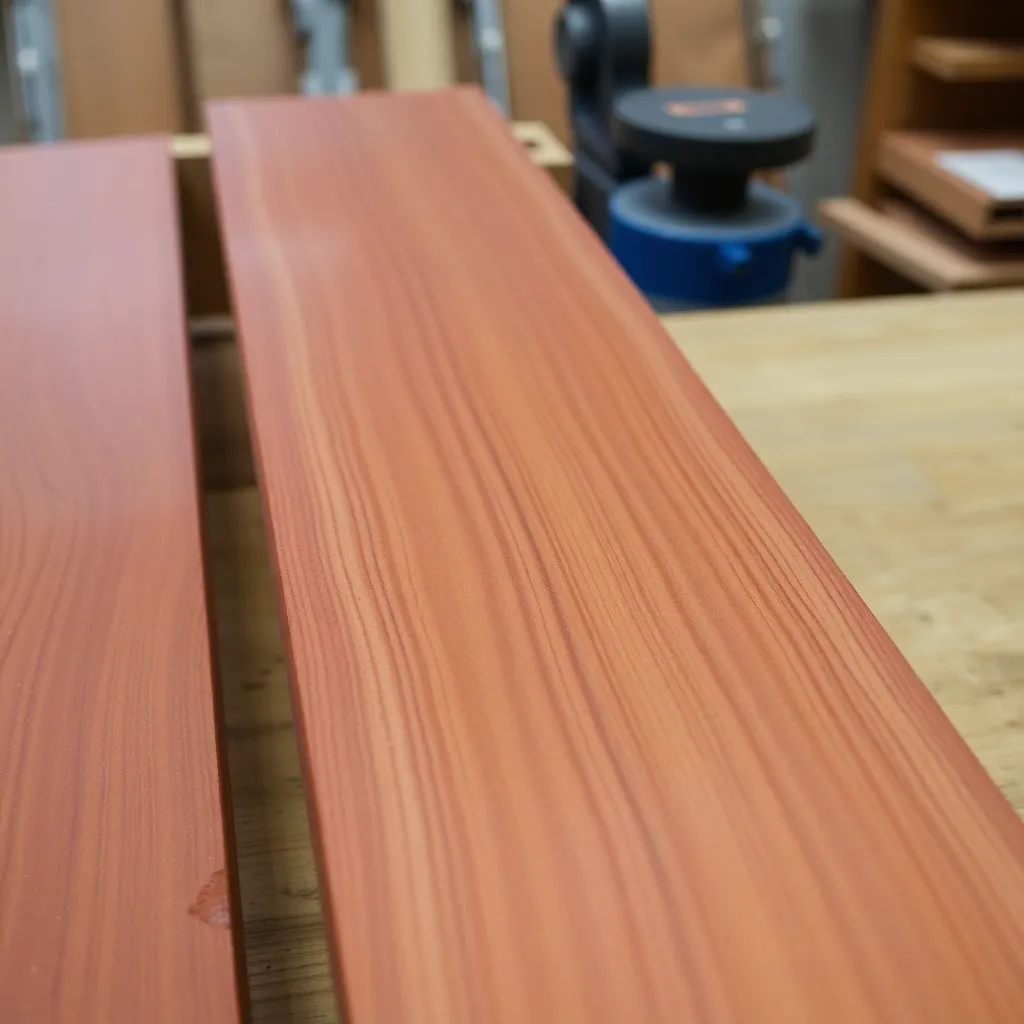
Fresh-cut mahogany: medium pinkish-brown to salmon-red; the color varies significantly between boards (some are much darker than others at the same source).
Aged mahogany (6 months to several years): deepens to a rich reddish-brown that’s the classic “mahogany color” of antique furniture. The color change is driven by UV exposure — mahogany in a dark room ages more slowly than mahogany near windows.
Ribbon figure (quartersawn): the interlocked grain of mahogany produces a distinctive alternating light-and-dark ribbon pattern when quartersawn. Each ribbon band is approximately ¼ to ½ inch wide. This figure is more pronounced in African mahogany and sapele than in Honduras mahogany.
Ray pattern: mahogany has fine rays that are not visible as flecks on the face (unlike white oak). The surface appears smooth and even-toned.
Milestone: Compare a fresh mahogany board to a piece of antique mahogany furniture and observe the color difference.
Step 4: Master Mahogany Finishing
Goal: Apply a finish that enhances mahogany’s natural color and protects the surface.
Mahogany’s moderate open grain requires a decision: fill the pores for a glassy surface, or leave them for a natural feel.
For a glassy smooth finish (traditional furniture):
For a natural oil finish:
Staining: mahogany rarely needs stain — its natural color is the goal. If staining darker: use a gel stain (reduces blotching risk on the open grain). Avoid water-based dyes that raise the grain excessively.
Milestone: Apply a grain-filled oil finish to a test piece and achieve a smooth, even surface with no pore texture.
Step 5: Source Mahogany Responsibly
Goal: Understand mahogany sourcing regulations and find responsibly sourced material.
True Honduras mahogany (Swietenia macrophylla) is listed on CITES Appendix II — it can be legally traded but requires export permits and documentation from the country of origin. Purchasing from a reputable hardwood dealer who can verify legality is essential.
What to ask:
Practical alternatives:
Milestone: Contact a local hardwood dealer and ask specifically about mahogany sourcing documentation before purchasing.
Step 6: Use Mahogany in a Furniture Project
Goal: Apply mahogany’s properties to a specific furniture build decision.
Mahogany excels for:
Where to substitute:
Milestone: Plan a furniture project in mahogany, selecting species (true vs African) based on the application and budget.
Mahogany Wood FAQ
What does mahogany wood look like?
Fresh-cut mahogany ranges from pale pinkish-brown to medium reddish-brown, depending on the species and the individual board. On a flat-sawn surface, the grain is straight and even with a subtle sheen. On a quartersawn surface, many mahogany boards show the distinctive ribbon figure — alternating bands of light and dark as the light plays across the interlocked grain. Over time (and especially with sunlight exposure), mahogany deepens to the rich reddish-brown color associated with antique furniture. The pores are medium-sized and visible to the naked eye but less pronounced than oak.
Is African mahogany as good as Honduras mahogany?
African mahogany (Khaya) is excellent lumber in its own right — it works similarly to Honduras mahogany, is more widely available, and is generally less expensive. The differences: Honduras mahogany is slightly more stable (less seasonal movement), has a finer texture, and is considered the more historically authentic material for period furniture reproduction. African mahogany has more variable figure (some boards show strong ribbon, others are plain) and can have more interlocked grain that causes tearout in planing. For most contemporary furniture projects, African mahogany performs as well as Honduras mahogany. For museum-quality reproduction work or period authenticity, Honduras mahogany is the correct choice.
How hard is mahogany?
True mahogany (Honduras) has a Janka hardness of approximately 800 lbf. African mahogany is similar (830 lbf). Sapele is slightly harder (1410 lbf). For comparison: soft maple is 950 lbf, black walnut is 1010 lbf, hard maple is 1450 lbf, and white oak is 1360 lbf. Mahogany is soft enough to dent with a thumbnail but hard enough for furniture surfaces that won’t see heavy abrasive use. For a tabletop that will be used as a work surface (not just a display surface), consider a harder species or add a protective finish coat.
Can I use mahogany outdoors?
True Honduras mahogany has moderate natural durability — it resists decay better than most North American hardwoods but is not in the class of teak, ipe, or black locust for outdoor use. With a quality exterior finish (spar varnish, penetrating oil, or paint) and regular maintenance, mahogany performs well outdoors for furniture and trim. It’s a traditional boat-building wood precisely because it holds up to marine conditions when properly maintained. Without any finish protection, mahogany will gray and eventually begin to deteriorate after 2–3 seasons of direct exposure. For low-maintenance outdoor furniture: teak or ipe are better choices.

“DIY woodworking enthusiast who started with zero experience and a YouTube tutorial.
I build simple, practical projects for my home and share free plans
so other beginners can skip the guesswork.If I can build it, you can too.”