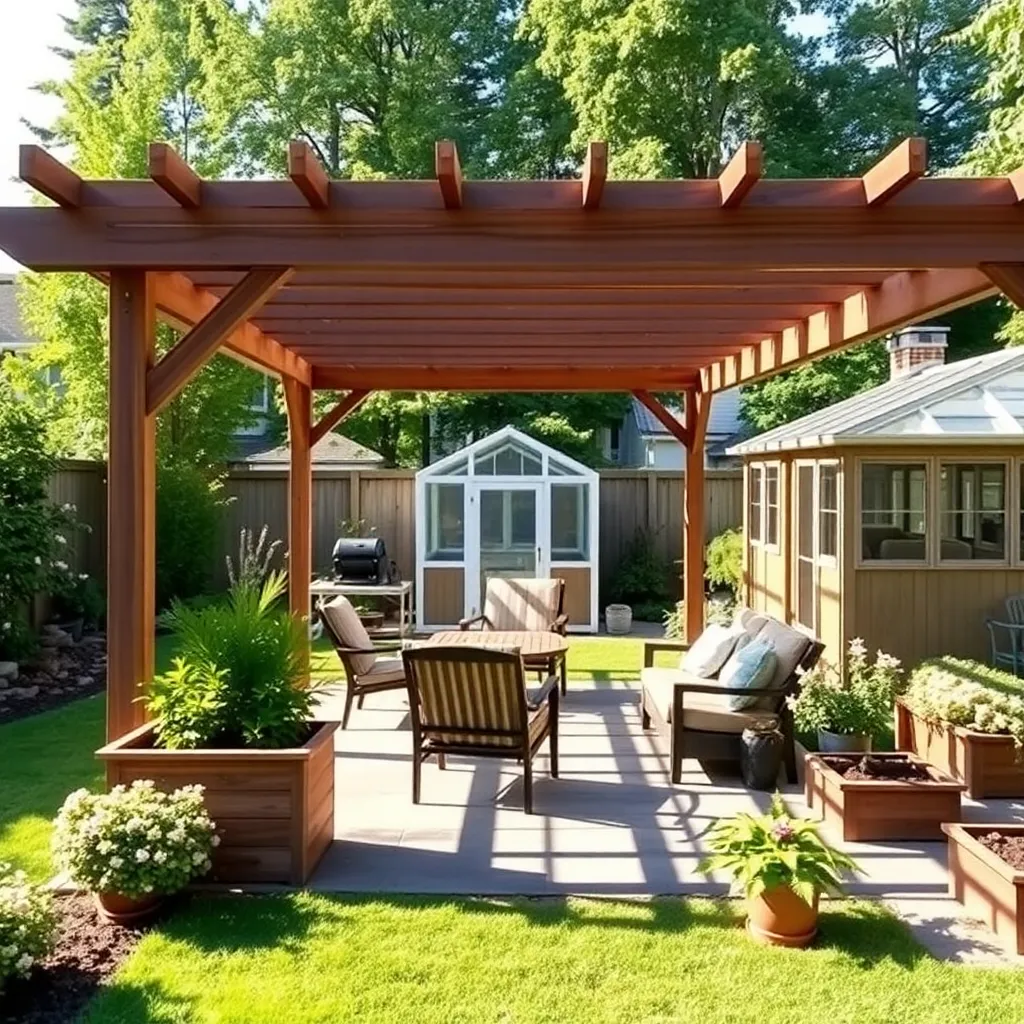
Outdoor woodworking rewards you differently than indoor furniture builds. A bench that survives three winters, a pergola that anchors a garden for twenty years, a greenhouse that extends your growing season — these projects change how you use your property, not just how it looks. Every build here uses standard dimensional lumber and basic tools. No CNC router, no exotic joinery, no skills that take years to develop.
This is the complete guide to outdoor woodworking plans for backyard, patio, deck, and garden. Seven categories, each with detailed plans for the most useful builds in that category: furniture for sitting and dining, planters and garden structures, shade structures and archways, picnic tables, swings, the classic Adirondack chair, and greenhouses.
Outdoor Furniture Plans
Want 16,000+ step-by-step woodworking plans?
Ted’s Woodworking has plans for every skill level — from simple shelves to full bedroom sets. Each plan includes a cut list, material list, and detailed diagrams. Browse Ted’s plans →
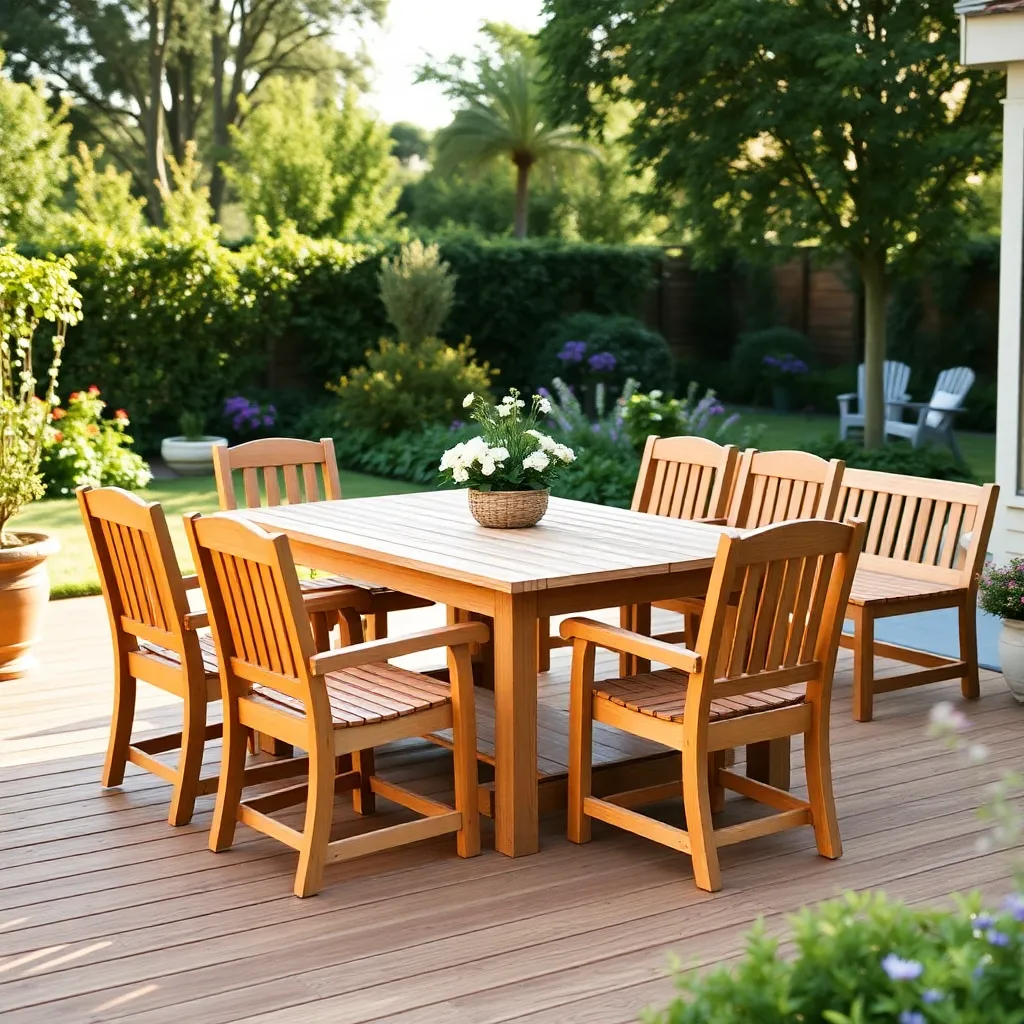
Outdoor furniture built from cedar or teak outlasts anything from a garden center by decades. Outdoor furniture plans cover the six core pieces every patio needs: a garden bench, outdoor dining table, patio end table, teak steamer chair and side table, garden chair in three styles, and a patio coffee table. Each plan includes dimensions, cut list, and a finishing guide for painted cedar or unfinished teak.
Best first build: The classic cedar slatted garden bench — four legs, two rails, seat slats, done in a weekend with under $50 in materials.
Planter Box Plans
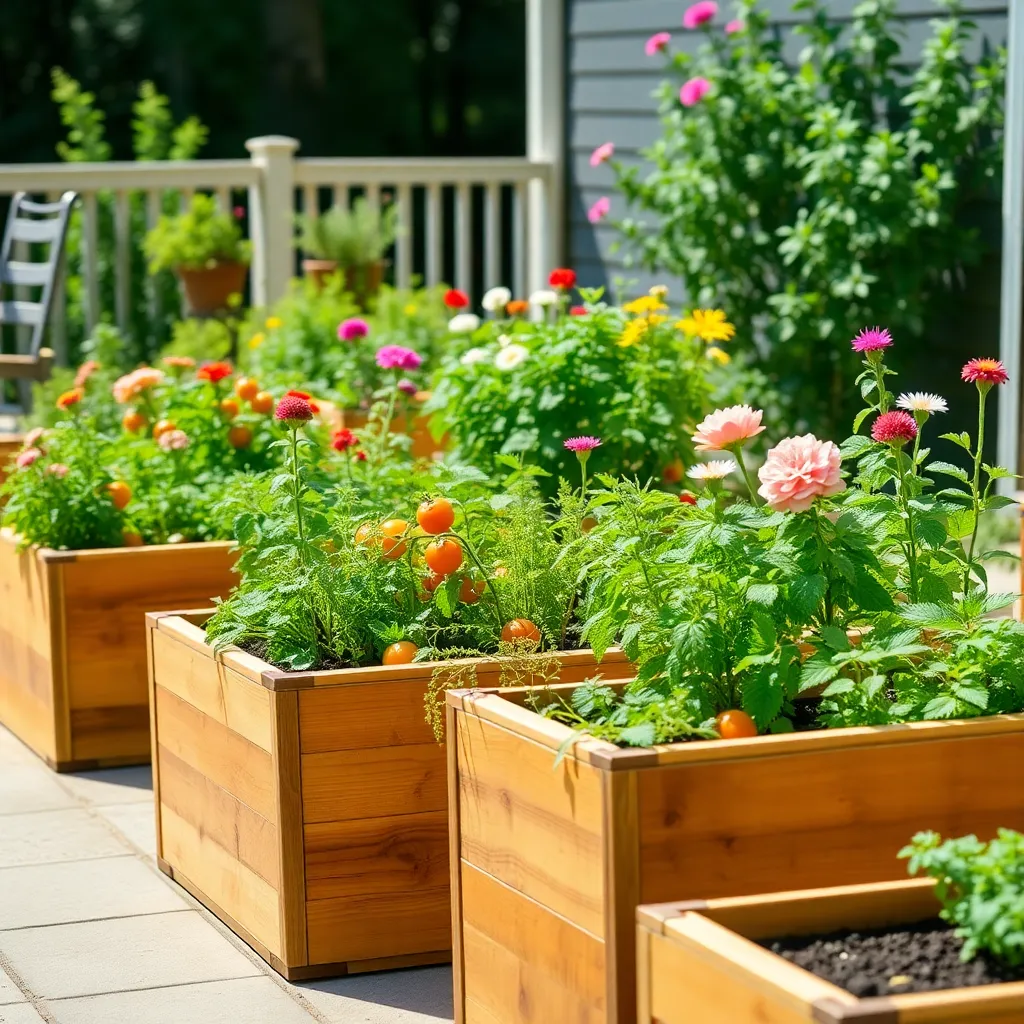
A well-built planter box is one of the highest-value outdoor woodworking projects per hour of build time. Planter box plans cover cedar planter boxes in every size and style: basic rectangular boxes, window boxes, vertical planters, self-watering designs, and elevated plant stands. Cedar naturally resists rot without treatment, making it ideal for soil contact.
Best first build: A 12×36-inch cedar rectangular planter — three boards, simple box joinery, holds three full-size tomato plants, and lasts 15+ years.
Pergola and Arbor Plans
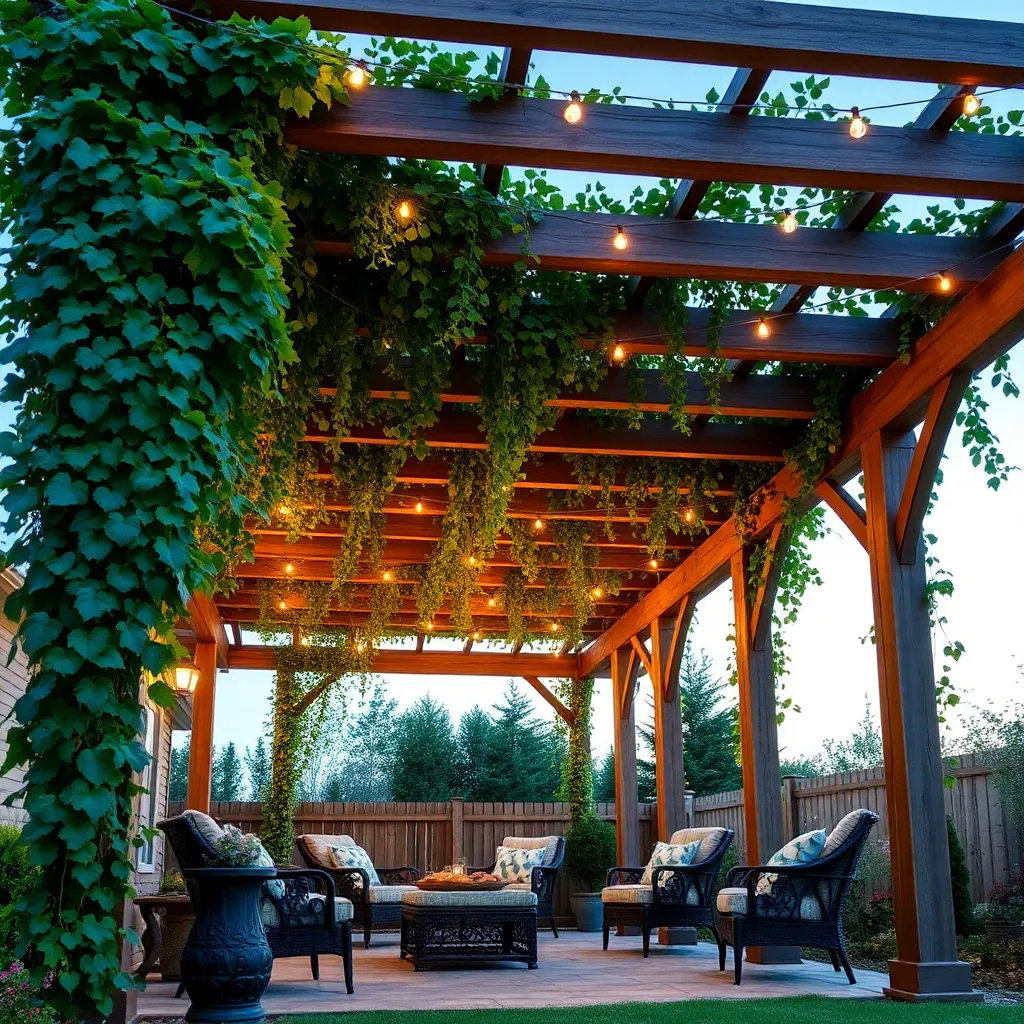
A pergola defines outdoor space the way a room defines interior space — it creates shelter, shade, and a sense of enclosure without walls. Pergola and arbor plans cover freestanding pergolas, attached pergolas that connect to a house wall, garden arbors with gates, wedding arches, shade cover systems, and arbor gates. All designs use 4×4 or 6×6 posts with standard lumber rafters and purlins.
Best first build: A 10×12-foot freestanding pergola — four posts, two beams, five rafters, and seven purlins. Takes one weekend with two people. No concrete footings required if you use surface-mount post anchors.
Picnic Table Plans
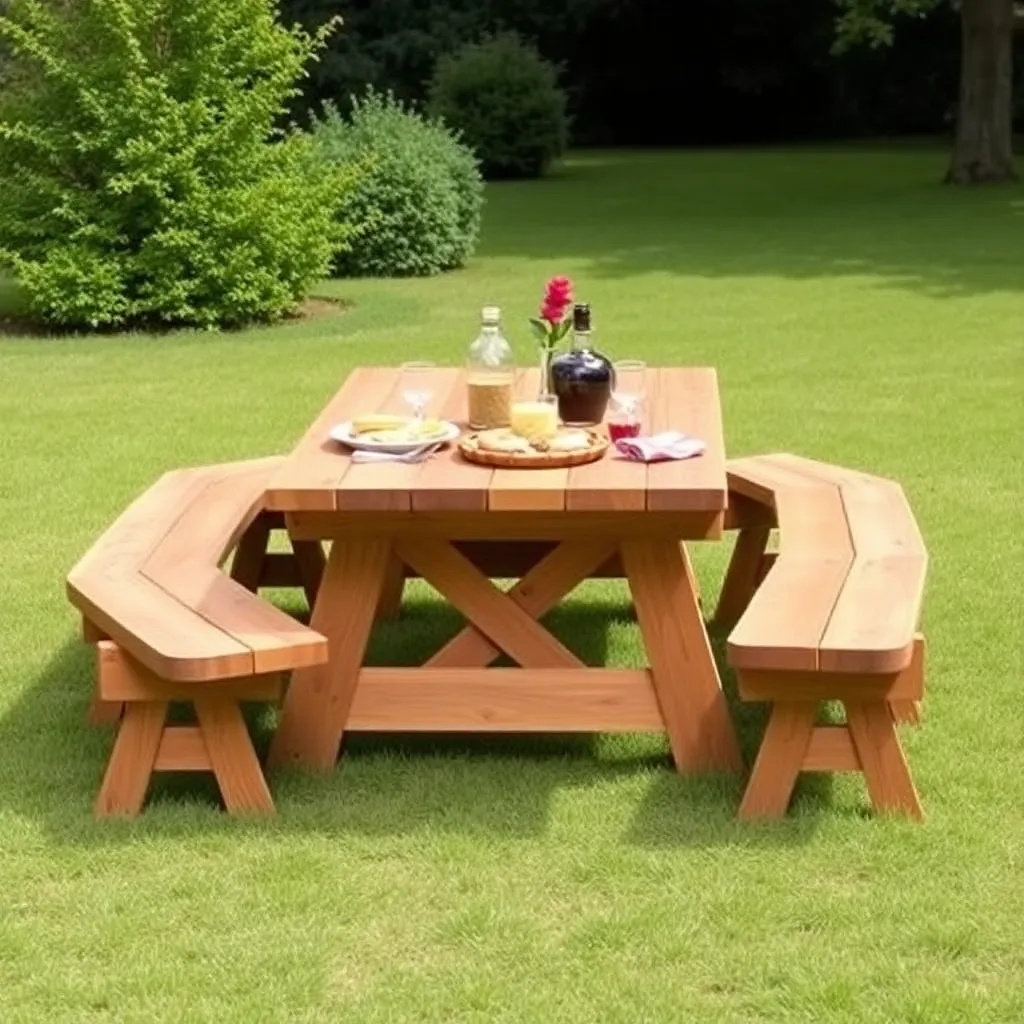
The picnic table is the most-built outdoor woodworking project in North America — and for good reason. Picnic table plans cover the classic 6-foot attached-bench style, foldable designs for storage, kids’ tables, round tables that seat more people in less space, hexagonal tables for group gatherings, and farmhouse-style tables with separate benches. Most designs use pressure-treated 2×6 lumber and take one day to complete.
Best first build: The classic 6-foot attached-bench picnic table — the design has been unchanged for 70 years because it works. Six 8-foot 2×6 boards, one afternoon, total material cost under $80.
Porch Swing Plans
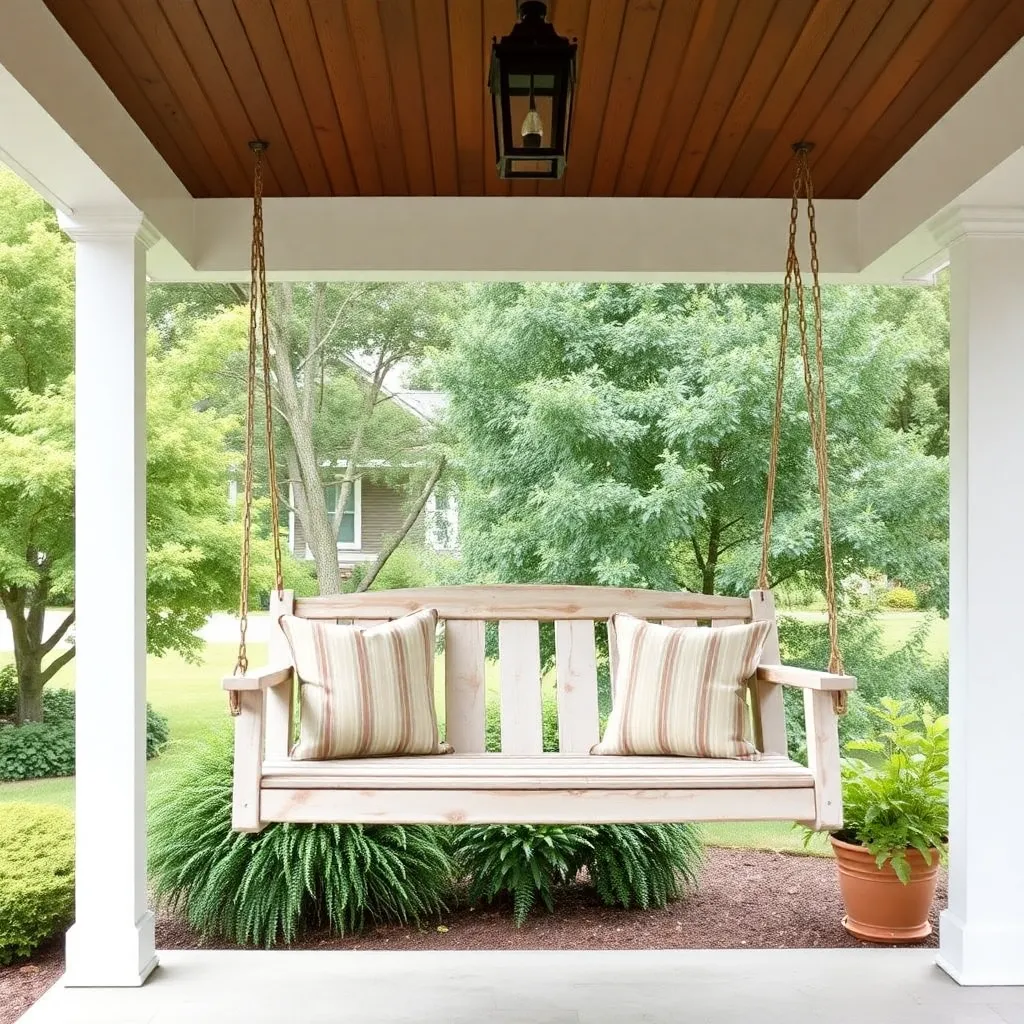
A porch swing is one of the few outdoor furniture pieces that actually gets more use than intended — nobody sits on a porch swing for five minutes. Porch swing plans cover the classic cedar or pine slat swing, swing beds wide enough to lie down on, swings with their own A-frame stands (no porch required), 2×4 minimalist designs, Adirondack-style swings, and double-wide swings for two people side by side.
Best first build: The classic 4-foot cedar slat swing — the simplest hanging outdoor furniture project, recognizable from every porch in the American South, and buildable in half a day.
Adirondack Chair Plans
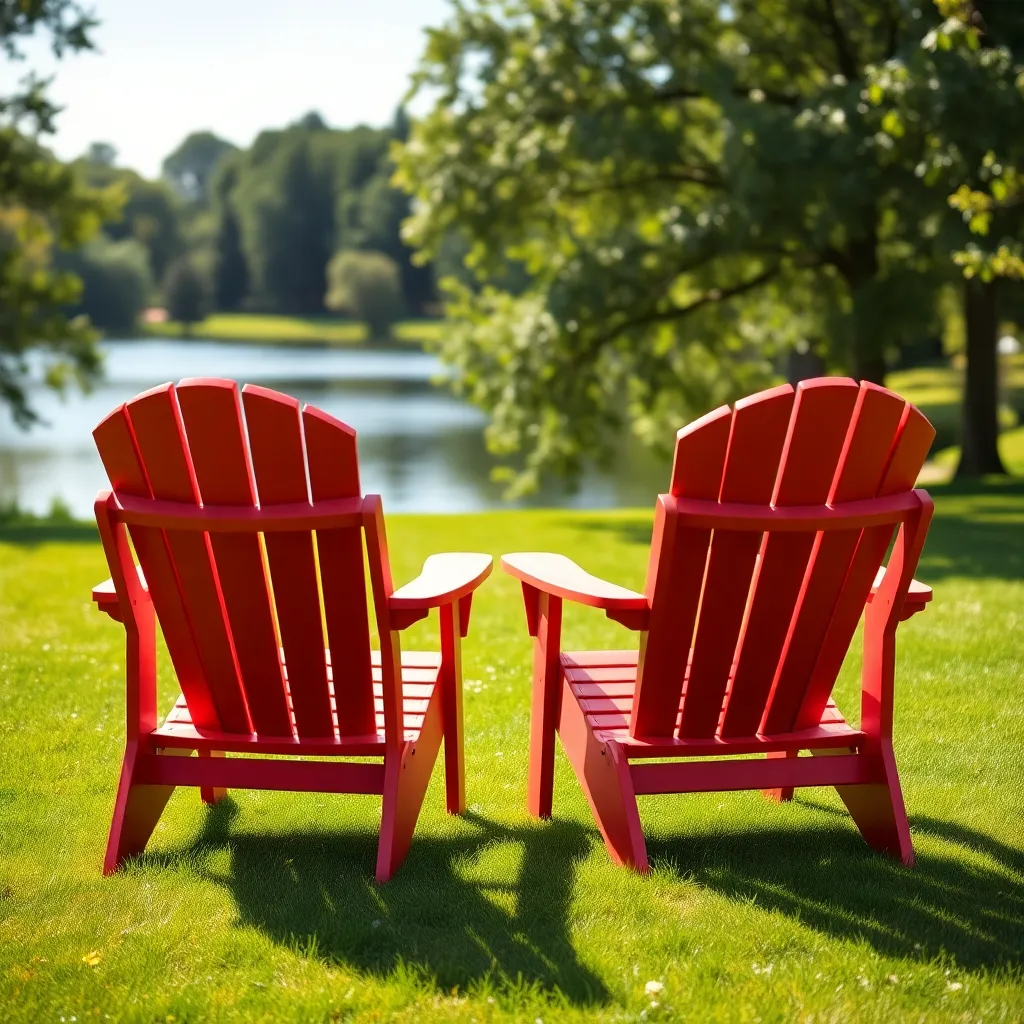
The Adirondack chair is the most recognizable outdoor furniture silhouette in North America — wide flat arms, reclined seat, fanned back slats. Adirondack chair plans cover the classic original design, a folding version that stores flat in winter, matching ottoman, loveseat for two, the popular 2×4 version that uses only standard dimensional lumber, and a rocking Adirondack.
Best first build: The 2×4 Adirondack chair — built entirely from a single material (2×4 cedar or pine), no special stock required, and the most comfortable outdoor chair for the build time invested.
Greenhouse Plans
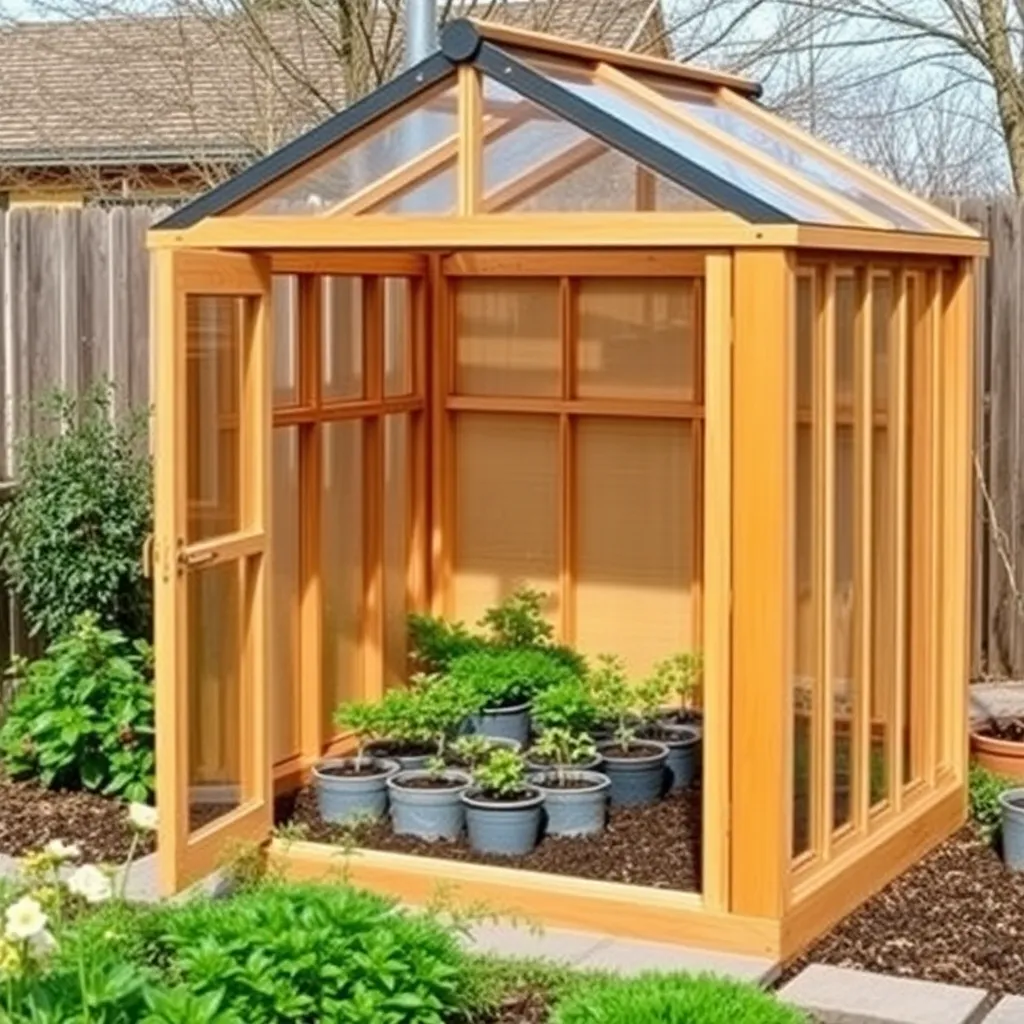
A backyard greenhouse extends your growing season by 6–8 weeks at each end, protects seedlings from late frosts, and pays for its build cost in plant starts and vegetables within two seasons. Greenhouse plans cover lean-to greenhouses attached to a south-facing house wall, PVC hoop greenhouses for a budget-friendly start, small 6×8 freestanding designs, gothic arch structures with better headroom, cold frames for season extension without a full structure, and attached greenhouses for serious year-round growing.
Best first build: A PVC hoop greenhouse — $150 in materials, builds in one afternoon with no power tools, and covers a 10×16-foot growing area. Not permanent, but instantly useful.
How to Choose Your First Outdoor Build
Every outdoor project falls into one of three categories based on build complexity:
| Level | Typical Projects | Time | Skills Required |
|---|---|---|---|
| Beginner | Planter boxes, simple bench, picnic table, cold frame | 1 day | Measuring, straight cuts, screws |
| Intermediate | Porch swing, Adirondack chair, pergola | 1–2 weekends | Angled cuts, drilling, hardware installation |
| Advanced | Attached pergola, freestanding greenhouse, teak furniture | 2–4 weekends | Concrete footings, post anchoring, complex cuts |
The picnic table and rectangular planter box are the two best first builds — both can be completed in a single day, require only a circular saw and drill, and produce a result you’ll use immediately.
Want 16,000+ step-by-step woodworking plans?
Ted’s Woodworking has plans for every skill level — from simple shelves to full bedroom sets. Each plan includes a cut list, material list, and detailed diagrams. Browse Ted’s plans →
Outdoor Woodworking Plans FAQ
What is the easiest outdoor woodworking project to start with?
A cedar rectangular planter box is the simplest — four sides, a bottom with drainage holes, no complex joinery. The classic picnic table is a close second: slightly more complex cuts but still completable in one day. Both projects cost under $60 in materials and require only a saw, drill, and tape measure.
What wood should I use for outdoor projects?
Western red cedar is the best all-around choice for most outdoor projects — naturally rot-resistant, lightweight, takes paint or stain well, and widely available at home centers. Pressure-treated pine is more economical and equally durable; use it for posts, legs, and structural members. Teak is the premium option for furniture that will stay outside year-round — it requires no maintenance and outlasts cedar significantly.
Do outdoor woodworking projects need special fasteners?
Yes. Use exterior-grade fasteners only: hot-dipped galvanized or stainless steel screws and bolts. Standard zinc-plated screws rust quickly in outdoor conditions, staining cedar black and weakening the joint. For structural joints (post bases, beam connections), use 3/8-inch hot-dipped galvanized carriage bolts with washers and nuts.
How long do outdoor wood structures last?
A cedar pergola or fence properly painted and maintained: 20–25 years. A pressure-treated pine picnic table: 15–20 years. A teak bench left unfinished: 50+ years. The biggest factors are wood species, finish maintenance, and whether the piece has ground contact — direct soil contact accelerates rot significantly on any species except teak and ipe.
Do I need a permit to build a pergola or greenhouse?
In most jurisdictions: pergolas under 200 square feet and greenhouses under 120 square feet don’t require a permit if they’re freestanding and not attached to the house. Attached structures (lean-to pergolas, attached greenhouses) typically do require a permit. Rules vary by municipality — check with your local building department before starting any structure over 100 square feet.

“DIY woodworking enthusiast who started with zero experience and a YouTube tutorial.
I build simple, practical projects for my home and share free plans
so other beginners can skip the guesswork.If I can build it, you can too.”