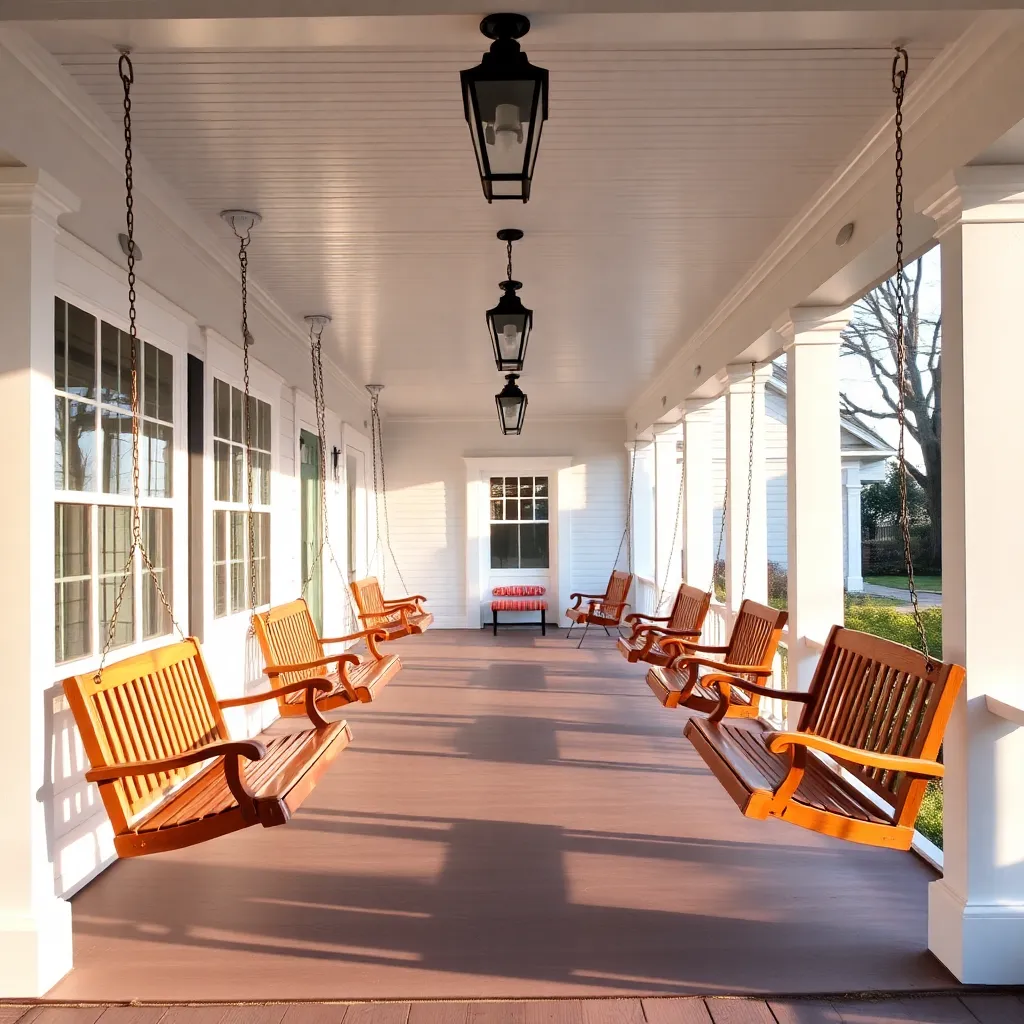
A porch swing is one of the most rewarding outdoor woodworking projects you can build. It takes a weekend, costs $60–200 in lumber, and produces something you’ll use every day of good weather for decades. The mechanical challenge is real — a swing has to carry adult body weight under dynamic load, resist the lateral forces of swinging, and stay structurally sound through years of outdoor exposure — but none of it requires advanced woodworking skills. Good joinery, the right hardware, and correct hanging are the whole job.
These porch swing plans cover six distinct styles, from a simple 48-inch slat-back classic to a full-width swing bed. Each plan includes dimensions, a cut list, step-by-step build instructions, and hardware specifications. Whether you’re hanging a swing from an existing porch beam, building a freestanding A-frame stand for a yard without a covered porch, or looking for a swing wide enough to lie down on, there’s a plan below that fits.
Want 16,000+ step-by-step woodworking plans?
Ted’s Woodworking has plans for every skill level — from simple shelves to full bedroom sets. Each plan includes a cut list, material list, and detailed diagrams. Browse Ted’s plans →
Classic Porch Swing Plans
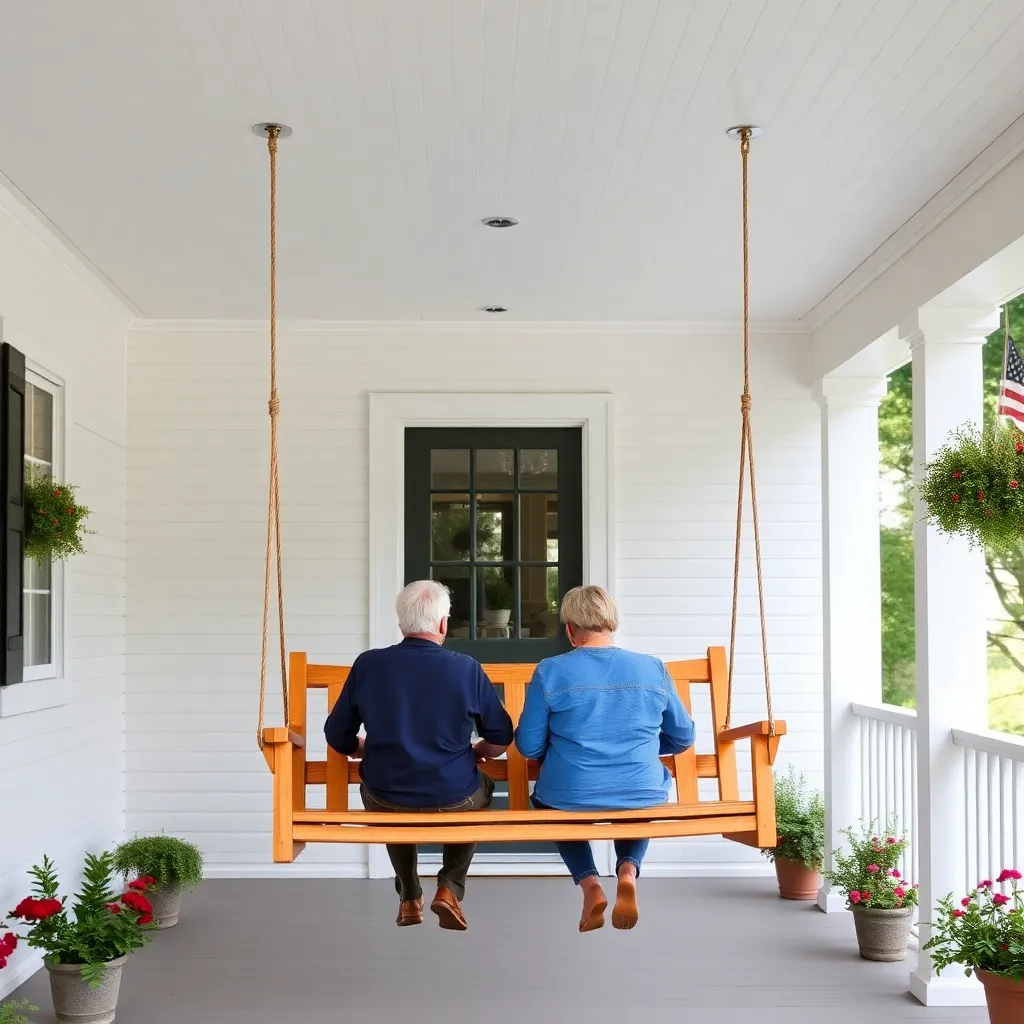
The 48-inch classic slat-back porch swing is the baseline: a straight seat, a vertical slat back, flat armrests, and four eye bolts with rope or chain for hanging. It seats two adults comfortably and fits a standard 8-foot porch bay. Build from 1×4 cedar or pine slats on a 2×4 structural frame — the slat spacing keeps weight down while the frame carries the load. This is the right project if you want a proven, uncomplicated swing that hangs from an existing porch beam.
Porch Swing Bed Plans
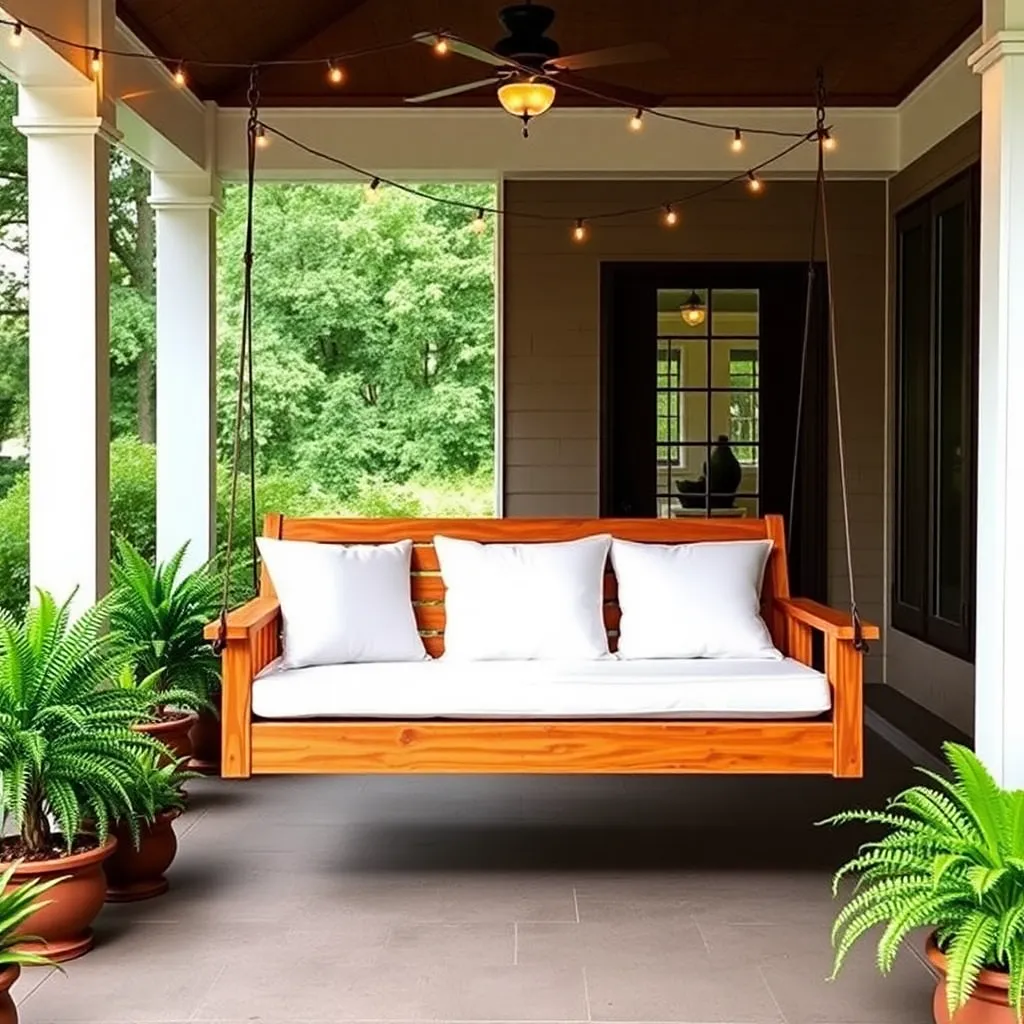
A swing bed is a wider, deeper version of a porch swing — typically 48 to 60 inches wide and 72 to 80 inches long, hung from four points instead of two. Where a standard swing seats two side by side, a swing bed lets one or two people recline fully. The frame is heavier (2×6 rather than 2×4) and the hanging hardware must support significantly more weight, but the build sequence is similar to a standard swing scaled up. Cedar is the preferred material for swing beds because the grain and color look good with outdoor cushions and bedding.
Porch Swing With Stand Plans
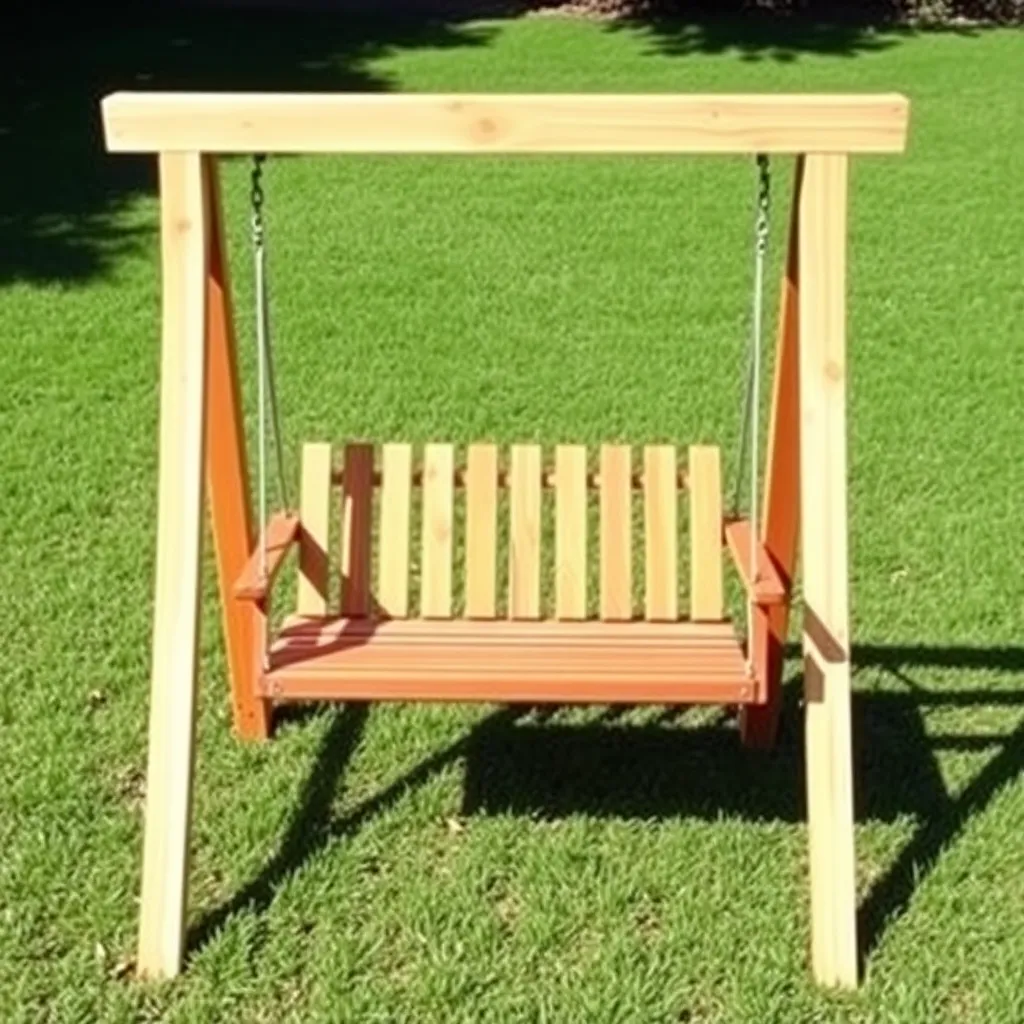
A porch swing with stand is a freestanding A-frame assembly that holds the swing without requiring a porch beam or ceiling attachment. It works anywhere — a backyard, a patio, a deck without overhead structure, or a porch where the beam isn’t strong enough to carry a swing. The stand is the more complex part of the build: two A-frame legs at each end, a horizontal top beam spanning between them, and angled braces for racking resistance. The swing itself can be a standard 48-inch classic or any other style.
2×4 Porch Swing Plans

Building a porch swing entirely from 2×4 lumber keeps materials cost under $60 and eliminates the need for specialty boards. The 2×4 swing uses a heavier visual profile than a slat-back design — thicker seat boards, thicker back boards, thicker armrests — which gives it a chunky, solid appearance that suits rustic and farmhouse aesthetics. Structurally, 2×4 framing is more than adequate for a swing; the challenge is managing the extra weight compared to 1×4 slat designs. This plan produces a 48-inch swing that seats two.
Adirondack Porch Swing Plans
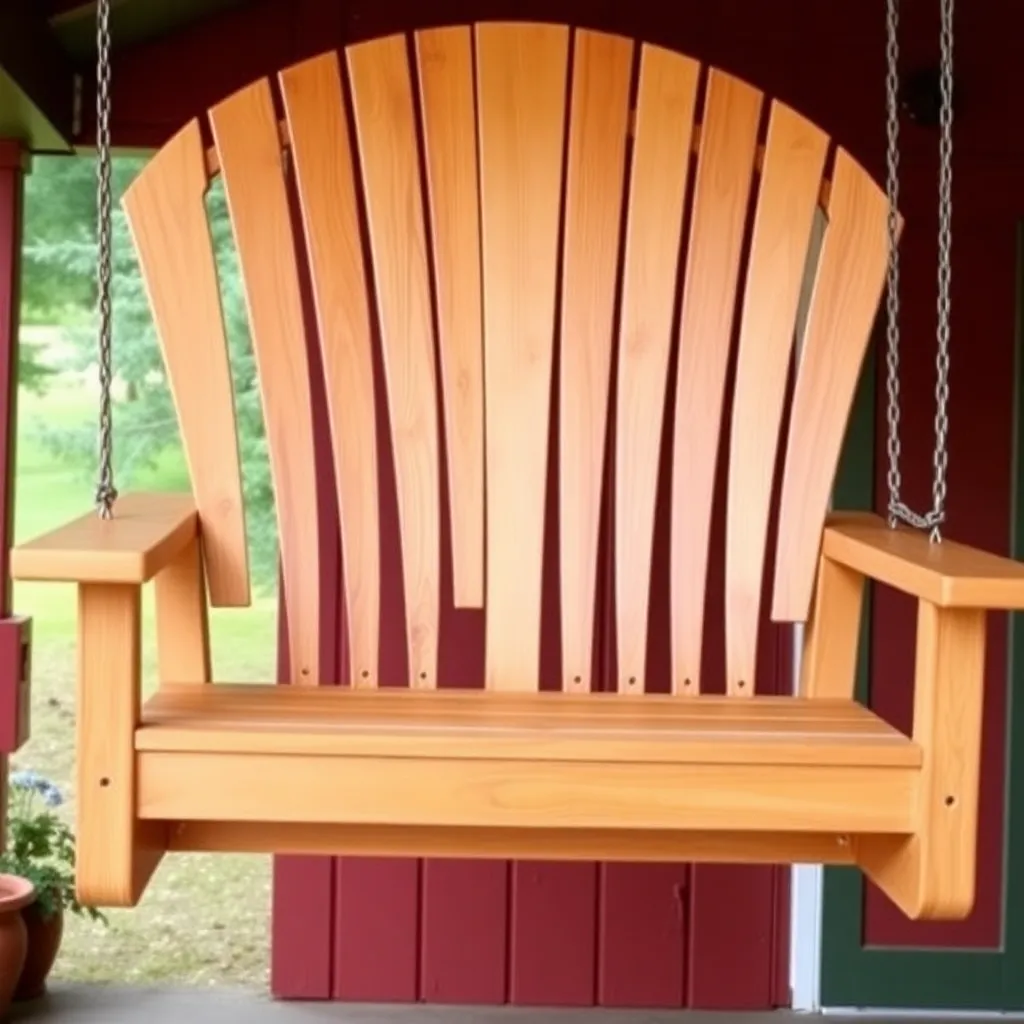
An Adirondack porch swing applies the fan-back and sloped-seat geometry of an Adirondack chair to a hanging swing. The back slats fan outward from a central bottom rail, the seat angles back at 5–8 degrees for a reclined sitting position, and the armrests are wide and flat. It’s more complex to build than a standard slat-back swing — the fan-back requires cutting multiple slats to different lengths and angles — but produces a more distinctive, comfortable result. Build from cedar or white oak for best outdoor durability.
Double Porch Swing Plans
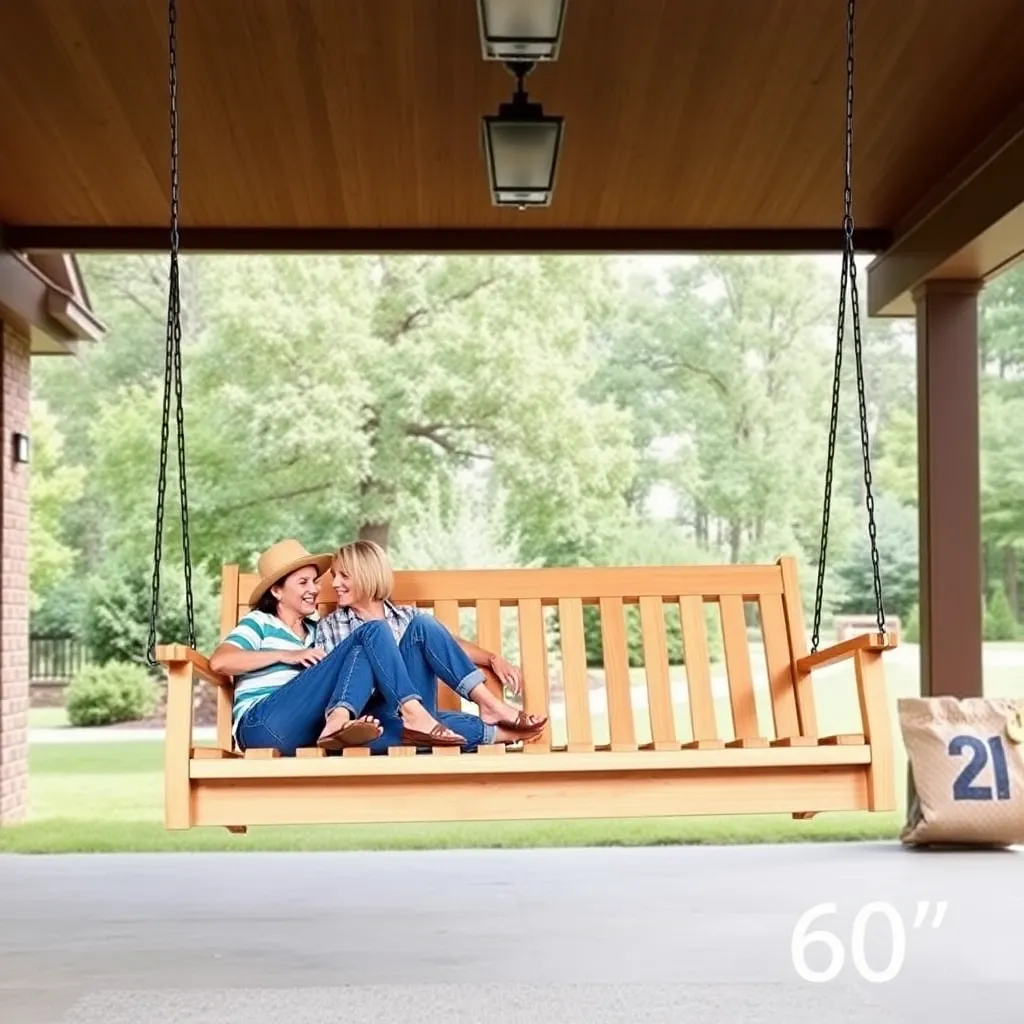
A double porch swing is a 60-inch-wide version of the classic swing, designed to seat three adults or two adults with room to stretch out. The wider span requires a stronger frame — 2×6 side rails instead of 2×4, with a center support rail — and the hanging hardware needs to be rated for 800+ pounds. A double swing looks best on a wide porch bay of 10 feet or more. Build from cedar for the best combination of weight, strength, and outdoor durability.
Want 16,000+ step-by-step woodworking plans?
Ted’s Woodworking has plans for every skill level — from simple shelves to full bedroom sets. Each plan includes a cut list, material list, and detailed diagrams. Browse Ted’s plans →
Porch Swing Plans FAQ
What wood is best for a porch swing?
Cedar is the standard choice for outdoor porch swings: naturally rot-resistant, lightweight relative to its strength, and the grain takes stain and clear finish well. Pine is an acceptable lower-cost alternative if sealed and painted — untreated pine will rot within a few seasons of outdoor exposure. Pressure-treated lumber is structurally sound but heavier than cedar and harder to work with; it’s appropriate for the structural frame of a freestanding stand but typically avoided for the swing seat and back where appearance matters. White oak is an excellent premium option with better hardness and longer rot resistance than cedar.
How do you hang a porch swing safely?
Safe hanging requires three things: a beam with adequate load capacity, the right hardware, and correct spacing. The beam must be solid lumber (not engineered lumber with hidden defects), rated to carry at least 500 pounds at the hanging point — have a structural engineer confirm if you’re uncertain. Use eye bolts with a 3/8″ diameter shank and a 500-pound minimum working load rating, threaded through the beam with a washer and nut on top. Hang with 5/16″ proof-coil chain or 3/4″ braided nylon rope. Hang the swing so the front hangs 1–2 inches lower than the back, and set the seat height at 17–19 inches from the floor when loaded.
How wide should a porch swing be?
A 48-inch swing seats two adults comfortably. A 60-inch swing seats three or gives two people room to spread out. A 72-inch swing is the minimum for a swing bed where someone will lie down fully. Match the swing width to your porch bay: leave at least 12–18 inches of clearance from the swing ends to the porch posts or walls on each side, and plan for 3–4 feet of fore-and-aft swing travel clearance.
What hardware do you need to hang a porch swing?
Per hanging point: one 3/8″ forged eye bolt (with washer and nut), one 3/8″ quick link or S-hook, and chain or rope to span from the ceiling to the swing. Most swings have four hanging points — two at the front and two at the back of the swing frame. Use 5/16″ proof-coil chain (rated 1,900+ lbs) or 3/4″ braided nylon rope (rated 1,000+ lbs). Avoid lightweight decorative chain, which is not load-rated for dynamic swinging forces.
Can you build a porch swing without a porch?
Yes — a freestanding A-frame stand lets you place a porch swing anywhere. The stand requires more lumber than the swing itself (typically two 4×4 or 6×6 leg assemblies and a 4×6 or 6×6 top beam) but the build is straightforward and the result can be moved seasonally. See the porch swing with stand plans for the full design.

“DIY woodworking enthusiast who started with zero experience and a YouTube tutorial.
I build simple, practical projects for my home and share free plans
so other beginners can skip the guesswork.If I can build it, you can too.”