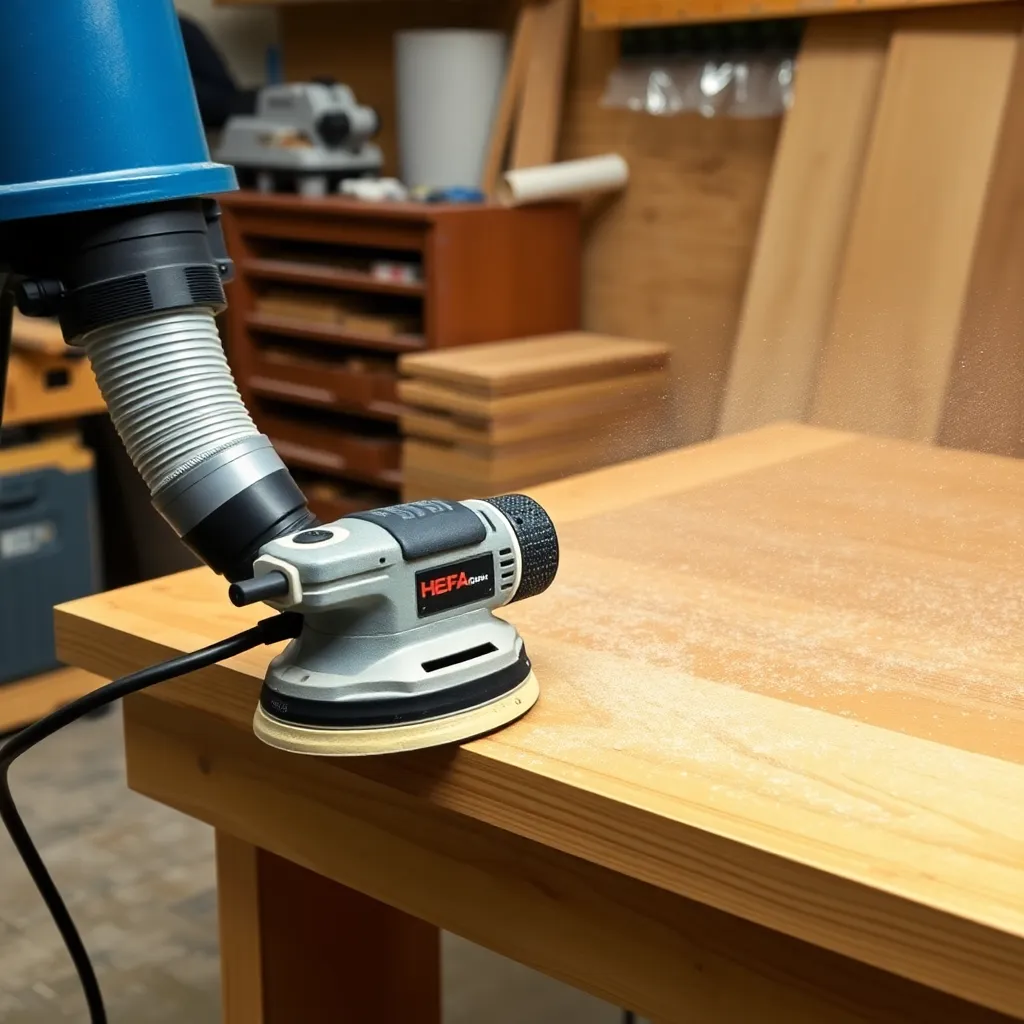
Sanding produces the most hazardous dust in woodworking — fine particles in the 1–10 micron range that stay airborne for hours and penetrate deep into lung tissue. A vacuum connected directly to your sander is the single most effective health protection measure in the shop. This guide covers the best vacuum options for sanding, how to connect them correctly, and what filter specifications actually matter for health protection.
Ted’s Woodworking has 16,000+ woodworking plans including complete shop setup guides. Browse Ted’s plans →
This guide is part of our complete Shop Layout and Dust Collection: Plan Your Workshop for Efficiency — covering workshop layout, dust collection systems, and shop organization.
Step 1: Understand Why Sanding Dust is the Priority

Goal: Know why sanding dust requires dedicated vacuum extraction with HEPA filtration.
Random orbital sanders and belt sanders generate dust at particle sizes that are most dangerous to respiratory health. The blade of a table saw produces chips and coarse particles alongside fine dust — the fine fraction is hazardous, but the coarse fraction can be captured by standard filters. Sanding produces almost exclusively fine particles (under 10 microns for 120-grit and finer sandpaper) because the abrasive is breaking wood into the finest possible particles by design.
The numbers: a 5-inch random orbital sander at 150-grit generates approximately 100,000 particles per cubic centimeter of air per minute in the 0.5–5 micron range. At that concentration, working without extraction for 30 minutes produces a lung dose equivalent to smoking multiple cigarettes.
Standard shop vac filters don’t capture this: a standard shop vac filter (30-micron rating) passes virtually all sanding dust particles through. They capture the wood chips and coarse particles but not the fine fraction. The shop vac appears to collect dust (the bag fills) while blowing the hazardous fine fraction back into the shop.
HEPA is the minimum: a true HEPA filter (99.97% at 0.3 microns) captures essentially all sanding dust particles. This is the minimum specification for a vacuum used in sanding applications.
Milestone: Check the filter specification on your current shop vac — look for the micron rating. If it’s not labeled as HEPA (H13 or H14 class), upgrade the filter before your next sanding session.
Step 2: Best Option — Dedicated Dust Extractor with HEPA
Goal: Identify the best dedicated extraction units for sanding.
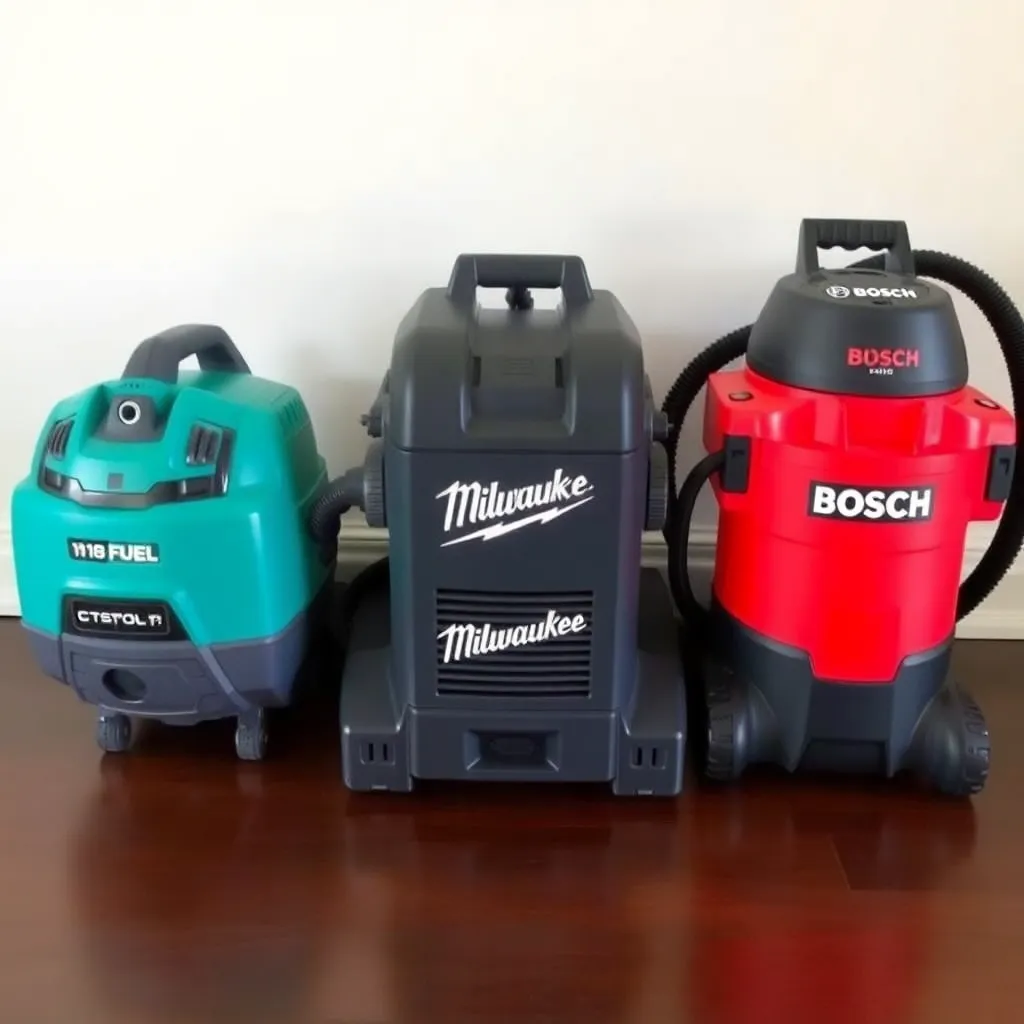
A purpose-built dust extractor outperforms a shop vac for sanding in every relevant metric: filtration efficiency, auto-clean filter, tool-triggered power, and continuous-duty rating.
Top picks:
Festool CT 26 ($550–$600): the professional benchmark. H-class filtration (99.995% at 0.3 microns — stricter than standard HEPA), auto-clean filter that pulse-cleans automatically during use, plug-in tool trigger, 6.9-gallon capacity. The CT 26 is what professional furniture makers and cabinet shops use. Hose connectors match all Festool tools perfectly.
Milwaukee M18 FUEL ($300–$350 body only): true HEPA, auto-clean, Bluetooth tool trigger with M18 tools, cordless freedom. The best choice for woodworkers already in the M18 ecosystem or who need portable extraction outside the shop.
Bosch VAC090A ($200–$250): HEPA, auto-clean, tool trigger, 9-gallon capacity. The best value in HEPA dust extraction — performs at 80–90% of the Festool at 40–45% of the price. The right choice for woodworkers who want genuine HEPA extraction without the premium brand cost.
Makita XCV04Z ($200–$250 body only): cordless 18V, HEPA, 4 gallons. Good choice for Makita LXT ecosystem users.
Milestone: Match the extractor to your existing tool ecosystem — the cordless extractor in your battery platform is usually the best value if you already own batteries.
Step 3: Using a Shop Vac with HEPA Upgrade for Sanding
Goal: Get acceptable sanding dust extraction from an existing shop vac with the right filter upgrade.
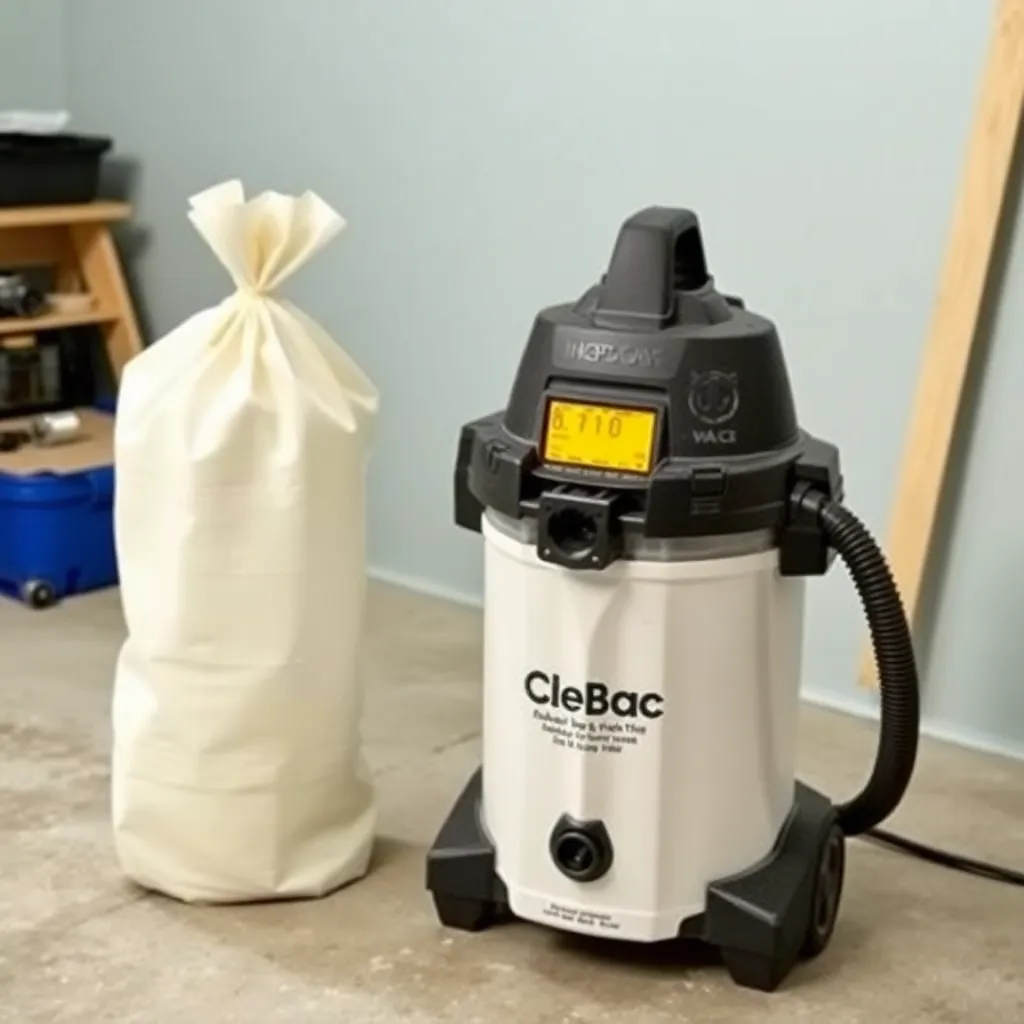
If a dedicated dust extractor isn’t in the budget, a quality shop vac with a genuine HEPA filter handles sanding adequately — not at the level of a Festool CT, but sufficiently for hobby woodworking.
Required upgrades:
1. True HEPA filter: replace the stock filter with the HEPA-rated filter for your shop vac brand. Brands that offer genuine HEPA filters for their shop vacs: Ridgid (VF6000 HEPA filter), DeWalt (DXVC6912B HEPA), Milwaukee (49-90-1900), Festool (for CT series). Cost: $20–$45.
2. HEPA collection bag: in addition to the HEPA filter, use a HEPA collection bag (or fine-dust bag). The bag contains the collected material so it doesn’t re-enter the airstream when you empty the vac. Cost: $10–$20 for a pack.
3. Cyclone separator (optional but recommended): a Dust Deputy cyclone pre-separator extends HEPA filter life by keeping coarse particles out of the filter. For sanding specifically (where the particles are all fine), the cyclone benefit is less dramatic than for routing or saw use, but it still helps maintain suction consistency.
The limitation vs a true dust extractor: a shop vac’s filter clogs progressively during a sanding session, and without an auto-clean mechanism, suction drops noticeably over a 30-60 minute session. A dust extractor maintains consistent suction with auto-clean. For long sanding sessions, pause every 20–30 minutes and tap the filter clean.
Milestone: After upgrading the filter, hold a white cloth over the shop vac exhaust during sanding — no visible dust should pass through a true HEPA filter.
Step 4: Connect the Vacuum to the Sander Correctly
Goal: Make the right physical connection between sander and vacuum for maximum dust capture.
Random orbital sander connection (5-inch and 6-inch):
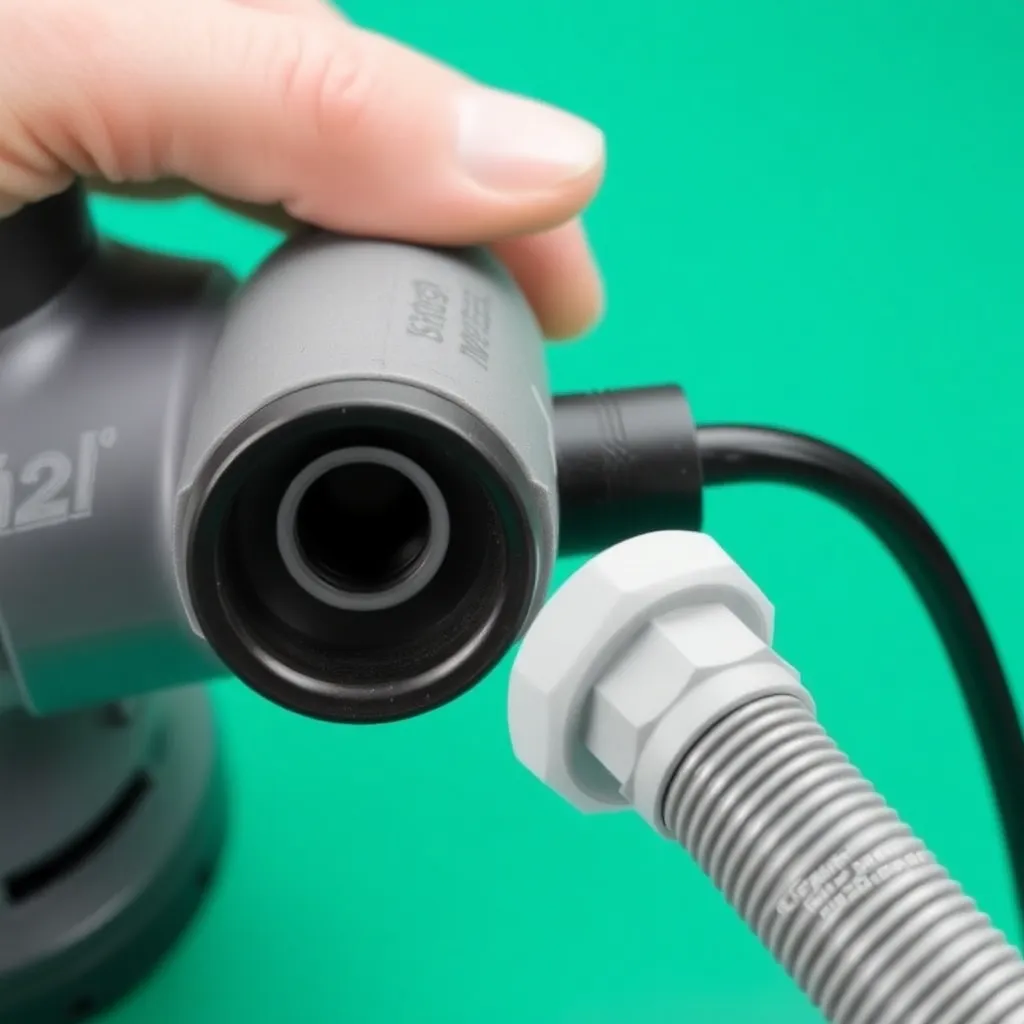
Most random orbital sanders have a round dust port on the underside (typically 27mm diameter for Festool, Makita, and Bosch; various sizes for others). The vacuum hose connects to this port via an adapter.
Connection method:
- Find the sander’s dust port diameter (check the manual or measure)
- Purchase a matching hose adapter (universal adapter sets cover 27mm, 35mm, 1.25-inch, and 1.5-inch)
- Connect the adapter to the sander port (friction fit)
- Connect the vacuum hose to the adapter
- Verify the connection is snug — air leaks at the connection point mean poor capture
Hose length: keep the hose between sander and vacuum under 10 feet where possible. Longer hoses reduce suction. Use the coiled flexible hose that comes with most extractors rather than adding rigid extensions.
5-inch vs 6-inch sanders and vacuum extraction: 5-inch random orbital sanders typically have 8 dust holes in the pad (capturing from both the edge and center of the sanding disc); 6-inch sanders may have more holes and a larger port, producing better extraction. Both work well when connected to HEPA extraction.
Milestone: Sand a test piece with the vacuum running and compare the surface left on the work piece to sanding without extraction — properly connected extraction leaves a cleaner surface because extracted dust isn’t being embedded back into the wood by the sanding action.
Step 5: Sanders with Built-In Dust Bags vs Vacuum Extraction
Goal: Understand the significant difference between bag collection and vacuum extraction.
Most portable sanders ship with a built-in dust bag — a small fabric or paper bag that attaches to the sander’s dust port. These bags are convenient but inadequate for health protection.
Dust bag limitations:
- Capture efficiency: approximately 70–80% of total dust generated
- Fine dust penetration: fine particles (under 5 microns) pass through most bag fabrics
- Suction loss: as the bag fills, suction drops, reducing capture efficiency further
- No mechanism to capture the fine fraction released when the bag is removed and emptied
Vacuum extraction vs bag comparison (independent testing data):
- Dust bag: 70–80% capture of total dust; fine fraction largely released to air
- Shop vac with standard filter: 80–90% total capture; fine fraction mostly released through exhaust
- Shop vac with HEPA filter: 90–95% total capture; fine fraction captured
- Dedicated HEPA dust extractor: 95–99% total capture; fine fraction captured; auto-clean maintains efficiency
The bottom line: remove the dust bag and connect a vacuum. The difference in fine dust capture between a bag and a HEPA vacuum is not marginal — it’s the difference between most of the hazardous fraction entering your lungs and almost none of it.
Milestone: Remove the dust bag from your sander, connect it to a vacuum, and observe the collection bag on the vacuum fill significantly faster than the sander’s bag did — that material was previously going into the air.
Step 6: Respiratory Protection as a Backup
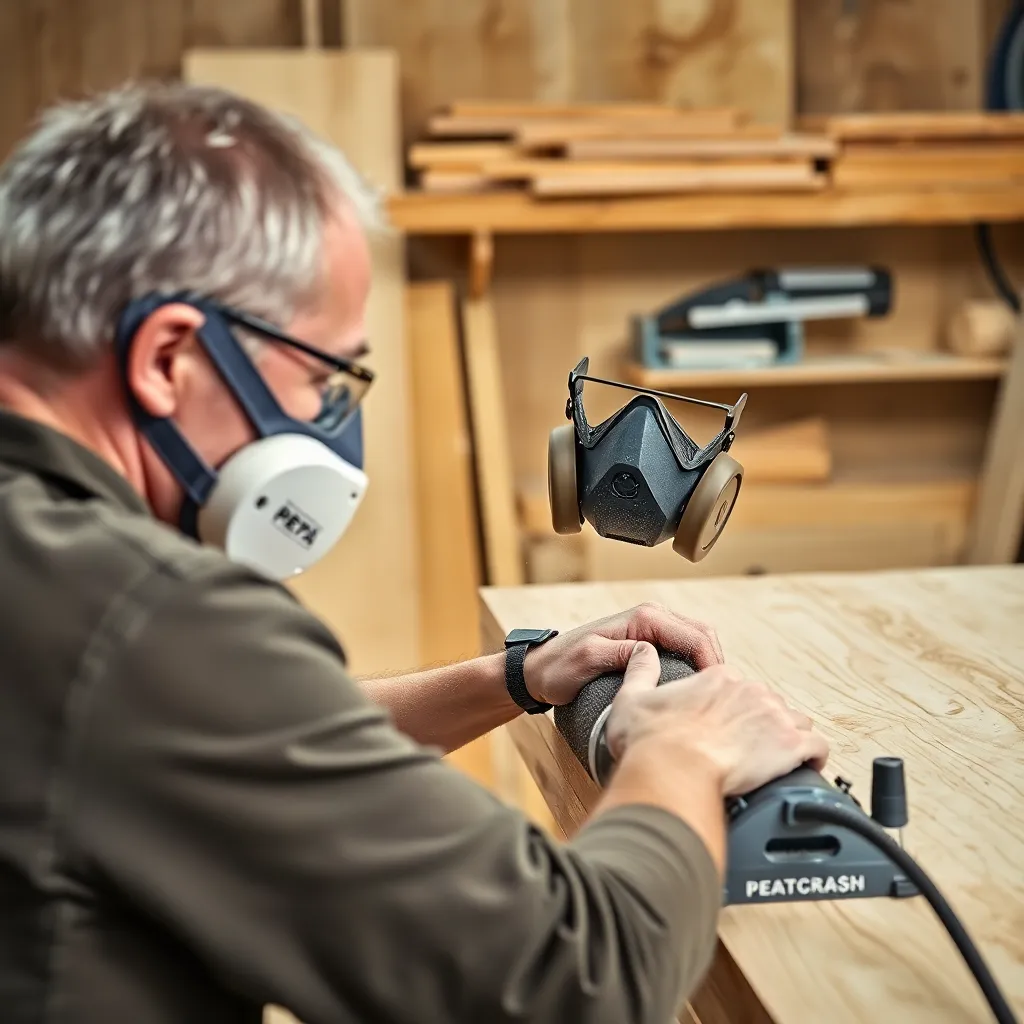
Goal: Use respiratory protection alongside vacuum extraction for complete fine-dust protection.
Vacuum extraction is the primary defense, but no system captures 100% of fine dust. A respirator provides backup protection for the fraction that escapes.
N95 vs P100 for woodworking:
- N95: filters 95% of airborne particles at 0.3 microns. Adequate for most woodworking with good dust collection. Disposable, comfortable for shorter sessions.
- P100 (half-face respirator with P100 cartridges): filters 99.97% at 0.3 microns, oil-proof. Better than N95 for extended sanding sessions or wood species with hazardous dust (teak, MDF, rosewood, cocobolo).
When to wear respiratory protection during sanding:
- Always: when sanding MDF (formaldehyde-impregnated dust)
- Always: when sanding species known to cause sensitization (teak, rosewood, cocobolo, western red cedar)
- For extended sessions (1+ hour) even with good dust extraction
- When working in a shop without ambient air filtration
The combination: HEPA vacuum extraction + ambient air filtration + P100 respirator for hazardous species provides near-complete protection from sanding dust.
Milestone: Identify the wood species you sand most frequently and look up their IARC dust classification — if any are classified as carcinogenic or sensitizers, commit to P100 respiratory protection for those species.
Vacuum for Sanding FAQ
What is the best vacuum for sanding wood?
For the best sanding dust protection: the Festool CT 26 or CT 36 dust extractor (H-class filtration, auto-clean, continuous duty). For the best value: the Bosch VAC090A (true HEPA, auto-clean, tool trigger) at $200–$250. For cordless use: the Milwaukee M18 FUEL dust extractor. For woodworkers on a budget: an existing shop vac upgraded with a genuine HEPA filter. In all cases, HEPA filtration is non-negotiable for sanding applications — the fine dust fraction from sanding is the most hazardous dust in the shop, and standard shop vac filters don’t capture it.
How do I know if my vacuum is capturing fine sanding dust?
Two tests: (1) hold a white cloth in front of the vacuum’s exhaust while sanding — any visible dust passing through the exhaust indicates insufficient filtration; (2) after a sanding session, check the shop air by shining a bright flashlight beam horizontally across the shop — visible particles floating in the beam indicate fine dust in the air that escaped collection. For confirmation of HEPA performance, hold the white cloth test against a new HEPA filter and against a standard filter side by side — the difference is dramatic. If the exhaust cloth test shows any visible dust, upgrade your filter.
Can I use a regular household vacuum cleaner for sanding?
No — household vacuum cleaners are not designed for wood dust collection. The reasons: (1) the filters are not rated for fine wood dust and will clog quickly; (2) the motors are not rated for continuous duty under chip load; (3) the connectors don’t fit tool dust ports; (4) household vacuums bypass fine dust at the filter seal. More importantly, household vacuums are fire and explosion hazards in a woodworking context — wood chips and fine dust can ignite in the motor. Use only shop-rated vacuums (shop vacs or dust extractors) in a woodworking shop.
Should I sand with or against the grain when using vacuum extraction?
Always sand with the grain for final passes — this is a woodworking rule independent of dust collection. Vacuum extraction doesn’t affect grain direction requirements. What vacuum extraction does affect: you can use finer grits earlier in the sanding sequence because the extracted sanding dust doesn’t accumulate between the abrasive and the wood surface (accumulated dust between abrasive and surface acts as a buffer, reducing abrasive efficiency). With good extraction, 120-grit cuts faster and cleaner than without extraction, allowing you to reach 180 or 220 grit sooner with a better surface result.

“DIY woodworking enthusiast who started with zero experience and a YouTube tutorial.
I build simple, practical projects for my home and share free plans
so other beginners can skip the guesswork.If I can build it, you can too.”