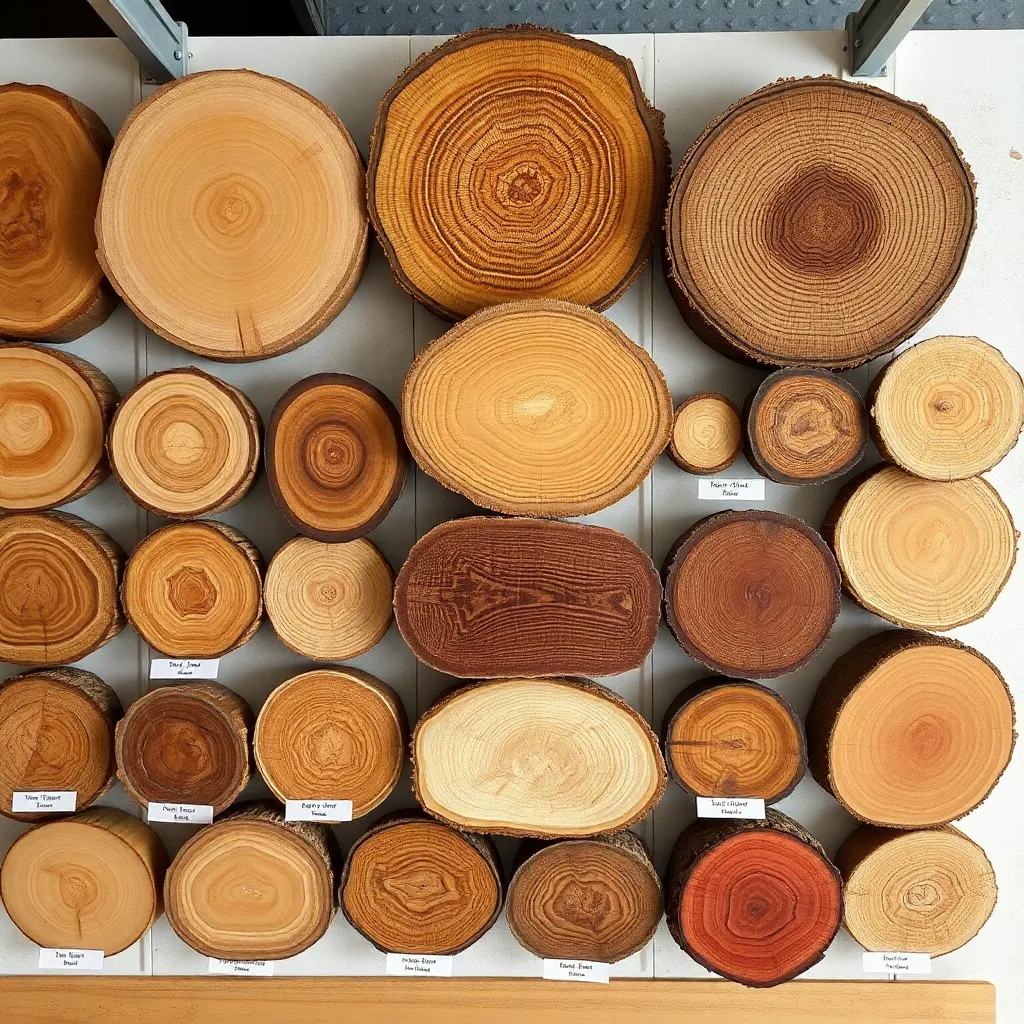
Wood comes in hundreds of species, but for woodworking purposes, most projects draw from a core group of 15–20 species available at lumber yards and hardwood dealers. Understanding the types — hardwood vs softwood, open vs closed grain, stable vs unstable — lets you match the right material to each project and predict how a new species will behave in the shop.
Ted’s Woodworking has complete project plans with wood species recommendations for every build. Browse Ted’s plans →
Step 1: Understand the Hardwood vs Softwood Distinction
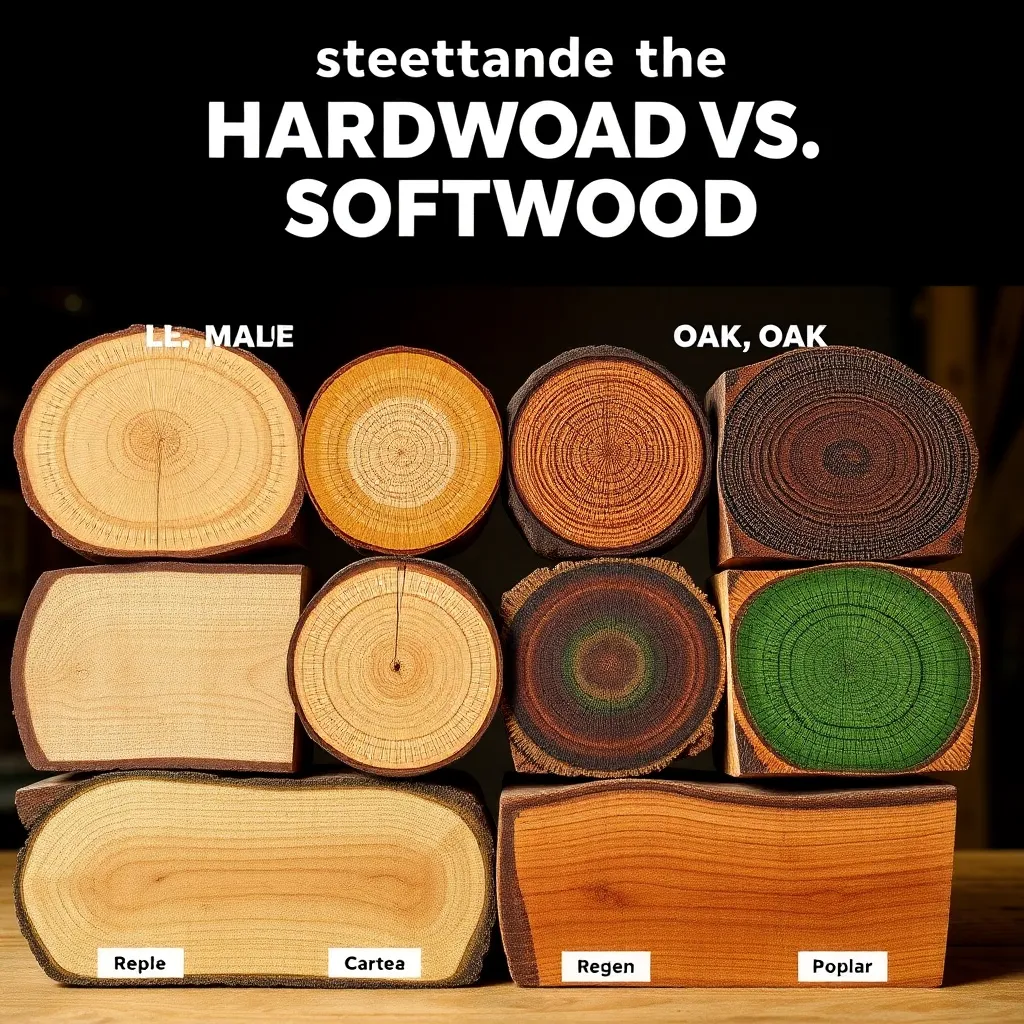
Goal: Know the botanical basis for the hardwood/softwood classification and what it means in practice.
The hardwood/softwood distinction is botanical, not physical:
The correlation with actual physical hardness is imperfect. Balsa is classified as a hardwood (it’s deciduous) but is extremely soft. Longleaf pine is classified as softwood but is harder than many hardwoods. In practice: furniture and cabinetry typically use hardwoods; framing, construction, and outdoor structures typically use softwoods.
Milestone: Given five species names, correctly classify each as hardwood or softwood.
Step 2: Learn the Open-Grain vs Closed-Grain Distinction
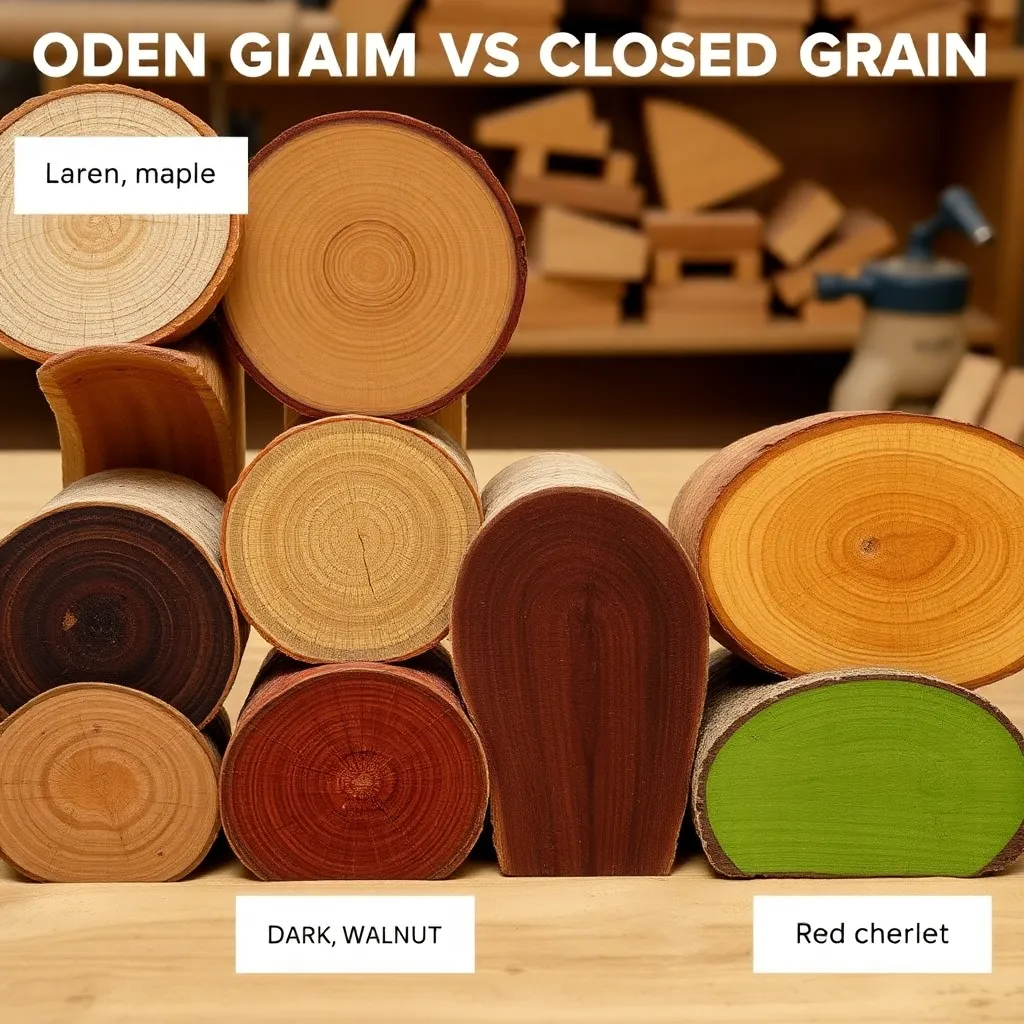
Goal: Identify open-grain and closed-grain species and understand the finishing implications.
Open-grain (ring-porous) hardwoods: oak, ash, walnut, hickory. These species have large pores visible to the naked eye. When finishing, the pores must be filled (with a grain filler or pore-filling primer) for a glassy smooth surface. Without filling, the pores show through the finish as texture. For rustic or natural finishes, this texture is often desirable.
Closed-grain (diffuse-porous) hardwoods: maple, cherry, birch, poplar, beech. These species have small, evenly distributed pores. They sand smooth easily and take a glossy finish without grain filling. The downside: closed-grain woods (especially maple) absorb stain unevenly (blotching) and require a pre-conditioner or gel stain for even color.
Softwoods: always closed-grain by structure, but contain resin canals that can cause bleed-through on painted surfaces — use shellac as a barrier coat before painting.
Milestone: From a set of boards, identify which are open-grain and which are closed-grain.
Step 3: Identify Common Hardwood Species
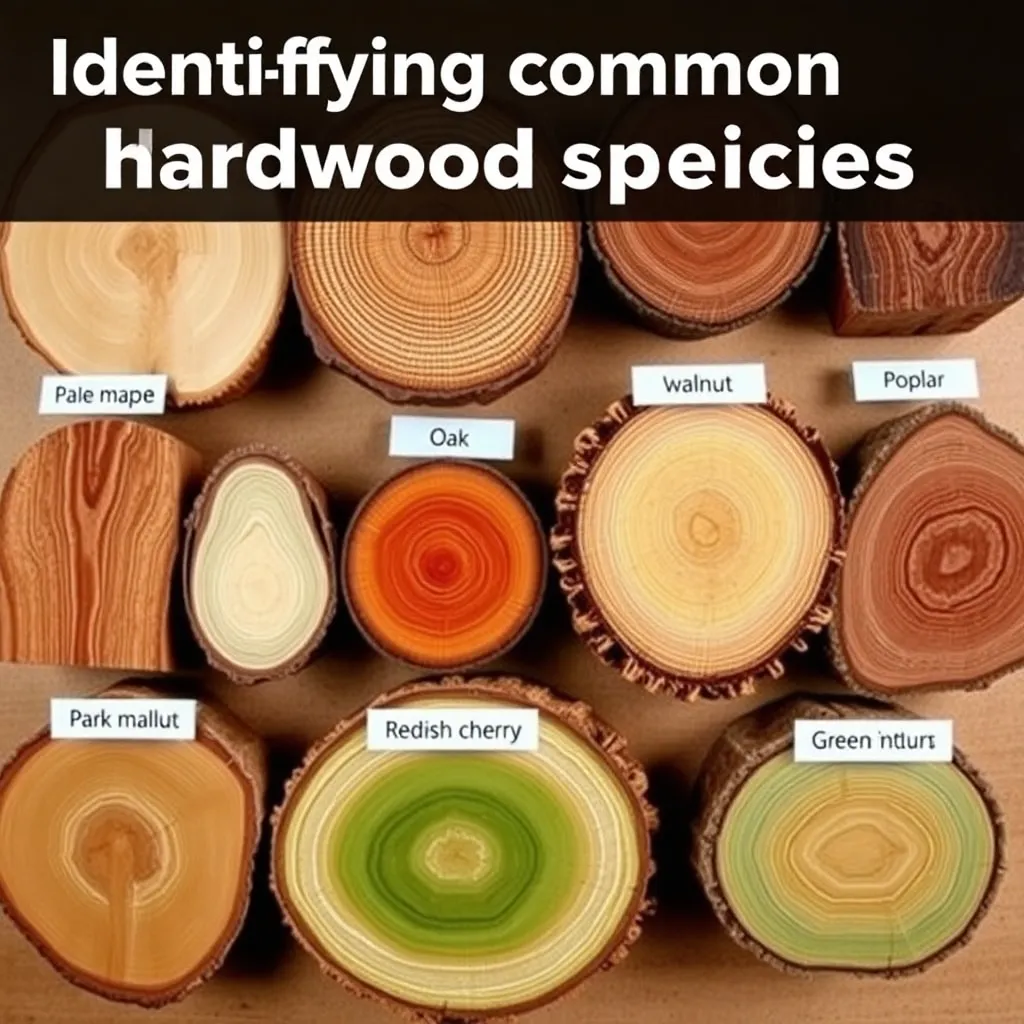
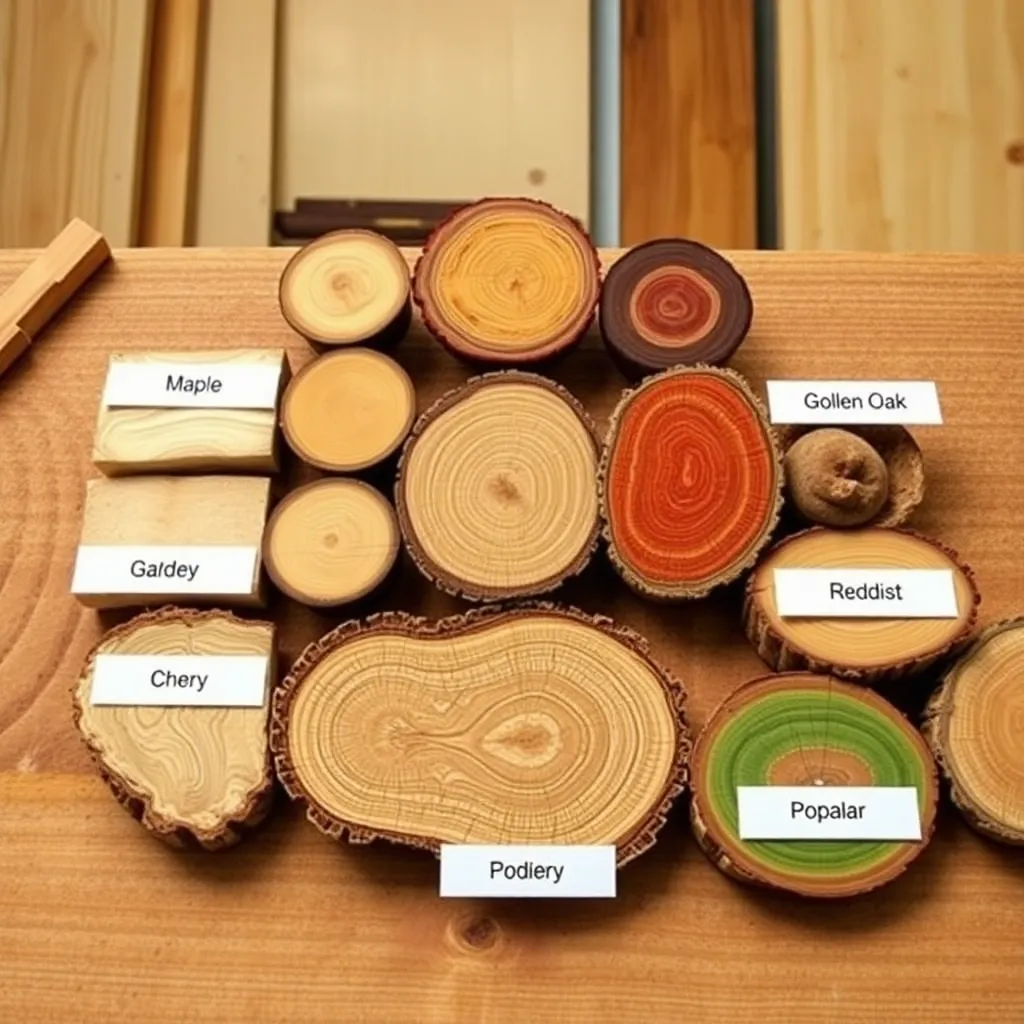
Goal: Recognize the 8 most common furniture hardwoods by color, grain, and weight.
Red oak: tan-brown with a pinkish tinge, large open pores, distinctive ray flecks on quartersawn face, heavy. The most available and affordable furniture hardwood.
Hard maple: very pale (nearly white to cream), fine closed grain, very heavy and hard. Used for cutting boards, workbench tops, flooring.
Cherry: light pink-brown when fresh, darkens dramatically to rich reddish-brown over years, fine closed grain, medium weight. One of the finest American furniture woods.
Black walnut: dark chocolate brown heartwood, straight to slightly wavy grain, distinctive, medium-heavy. Premium pricing — a luxury furniture wood.
White ash: light tan-beige, open grain (similar to oak), excellent shock resistance. Used for tool handles and sports equipment as well as furniture.
Poplar: pale green-yellow with occasional dark streaks, closed grain, lightweight. The standard painted-furniture wood — smooth surface, takes paint beautifully.
Birch: pale cream to light tan, very similar to hard maple, fine grain. Available as plywood (birch plywood is a cabinetmaking staple).
Hickory: very pale sapwood, contrasting brown heartwood, very hard and heavy, dramatic figure. The hardest common domestic hardwood.
Milestone: At a lumber yard, identify each of these species by visual inspection alone.
Step 4: Identify Common Softwood Species
Goal: Recognize the most common softwood species used in woodworking.
Pine (various species): white to yellow, visible resin canals, knots common in lower grades. Eastern white pine is softer and more consistent; southern yellow pine is harder. Widely used for painted furniture, trim, and framing.
Douglas fir: straight, pronounced grain lines (darker latewood alternating with lighter earlywood), medium-hard for a softwood. The standard structural softwood in North America.
Western red cedar: reddish-brown, aromatic, lightweight, naturally rot-resistant. Used for outdoor projects, closet linings, and siding.
Redwood: similar to cedar, deep red-brown, lightweight, rot-resistant. Primarily used for outdoor decking and furniture in California and the western US.
Sitka spruce: nearly white, straight tight grain, lightweight and stiff. Used for guitar soundboards and aircraft components — the highest strength-to-weight ratio of common species.
Milestone: Identify pine, cedar, and Douglas fir by color and grain pattern in a home center lumber section.
Step 5: Understand Wood Movement and Stability
Goal: Predict how different wood types expand and contract with humidity changes.
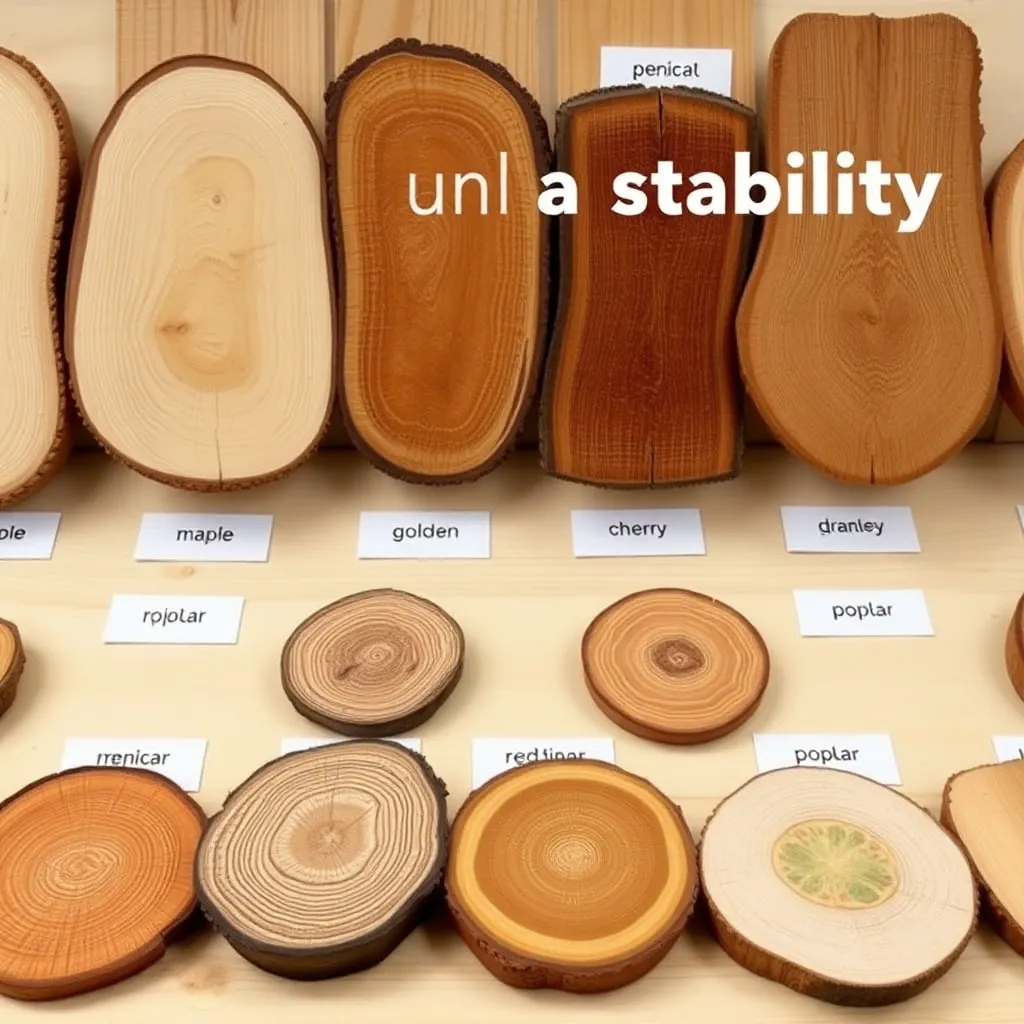
All wood expands in high humidity and contracts in low humidity — across the grain (width and thickness), never along the grain (length). The amount of movement varies dramatically by species.
Movement comparison (approximate % change in width from green to dry):
Practical implication: a 12-inch wide tabletop in red oak can move ¾ inch or more between a dry winter and a humid summer. Design wide panels with floating joints (not fixed glue bonds at the edges) and attach tabletops with clips or buttons that allow movement.
Milestone: Calculate the expected seasonal movement of a 10-inch wide cherry panel. (Answer: 10 × 0.071 = approximately ⅝ inch seasonal movement.)
Step 6: Select the Right Wood Type for Your Project
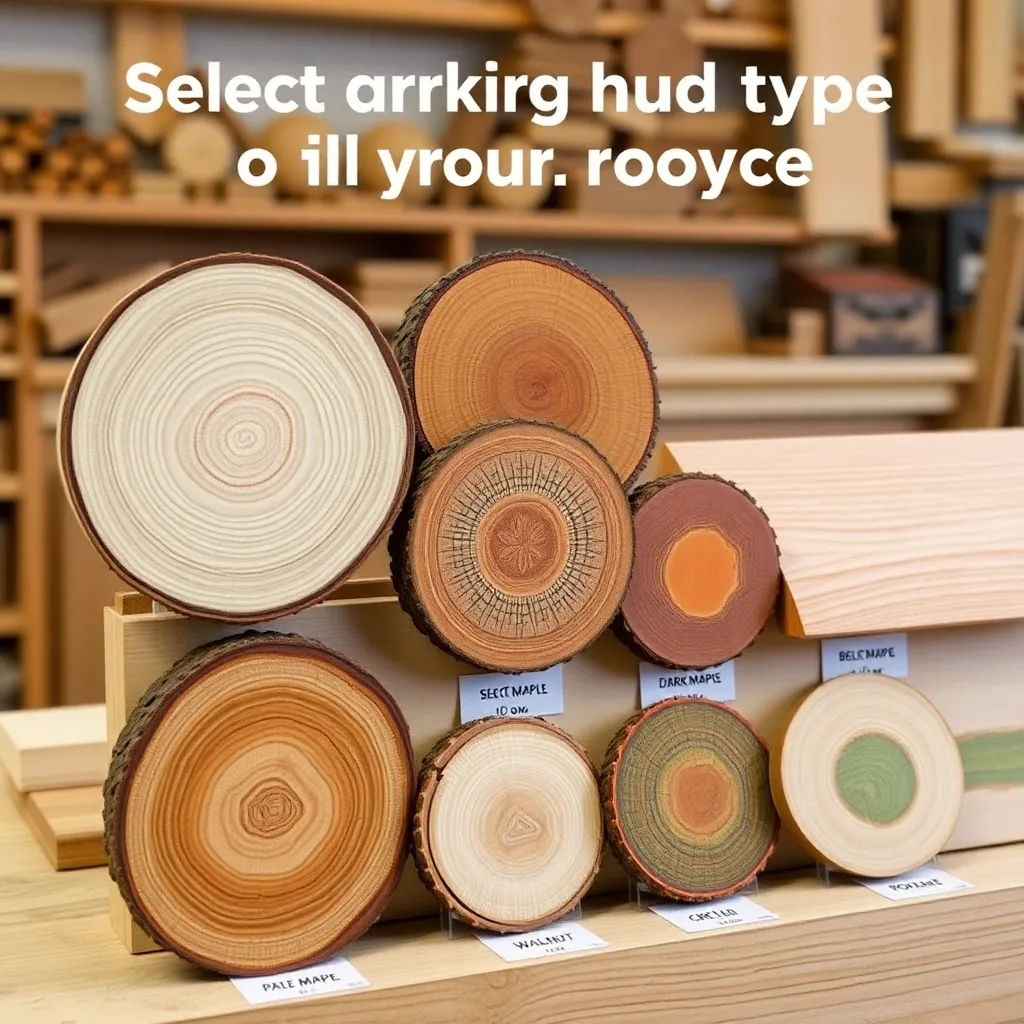
Goal: Match wood type to application using hardness, stability, appearance, and budget.
| Project | Best Species | Why |
|---|---|---|
| Cutting board | Hard maple, end-grain walnut | Hardness resists cutting marks; food-safe |
| Painted furniture | Poplar | Smooth, accepts paint without blotching |
| Natural-finish dining table | Walnut, cherry, or white oak | Beautiful grain, durable, furniture-grade |
| Outdoor furniture | Cedar, teak, ipe | Rot-resistant; teak/ipe most durable |
| Workbench top | Hard maple or Douglas fir | Hard surface; resists dents |
| Cabinet boxes | Birch plywood | Stable, consistent, affordable |
| Drawer boxes | Baltic birch plywood | Void-free, holds screws at edges |
| Turned bowls | Cherry, maple, walnut | Dense, even grain for smooth surfaces |
Milestone: For a specific project you’re planning, select the appropriate wood type and justify the choice using at least two of the criteria above.
Types of Wood FAQ
What is the strongest type of wood?
For structural applications: the strongest domestic species by compression strength are black locust, osage orange, and hickory. For workbench tops and tool handles where impact resistance matters: hickory and white ash. For tension applications (bending strength): hickory and white oak have the highest modulus of rupture. For the best strength-to-weight ratio: Sitka spruce (used in aircraft). For most furniture applications, “strongest” is less important than stability and workability — cherry, maple, and oak are all more than strong enough for furniture while being much easier to work than the extreme hardwoods.
What type of wood doesn’t warp?
No wood is completely warp-proof — all wood moves with humidity. The species with the least movement: mahogany, teak, western red cedar, and black locust. For maximum warp resistance within a species: use quartersawn lumber (the rays run perpendicular to the face rather than at an angle — this orientation shrinks and swells more evenly, reducing cup and bow). Kiln-dried lumber is more stable than air-dried. Wood acclimated to the shop environment before cutting is more stable than freshly arrived lumber. Store lumber flat with stickers (spacers) between layers to allow air circulation and prevent differential drying that causes warping.
Is pine a hardwood or softwood?
Pine is a softwood — it comes from coniferous trees (Pinus genus) that bear needles and cones. Despite its botanical classification, some pine species (particularly longleaf pine and southern yellow pine) are physically quite hard and dense — harder than some hardwoods like poplar and basswood. Eastern white pine, on the other hand, is very soft and easy to dent. The key distinction for woodworking: pine is a softwood that works easily, takes paint well, and is widely available at home centers in dimensional form (2×4s, 1×6s). For furniture with natural finishes, choose a hardwood; for painted furniture on a budget, pine or poplar both work well.
What is the most beautiful wood for furniture?
Beauty in wood is subjective, but the species most consistently cited by woodworkers and furniture makers: (1) black walnut — the rich chocolate brown with subtle grain variation is difficult to replicate synthetically; (2) figured maple — curly, quilted, and bird’s-eye figure create optical effects unmatched by other species; (3) cherry — the way it darkens from pale pink to deep reddish-brown over years of light exposure is unique among furniture species; (4) wenge — a tropical species with dramatic black and brown striping; (5) bubinga — a tropical hardwood with rich pinkish-red color and interlocked grain that produces a wavy ribbon figure when quartersawn.

“DIY woodworking enthusiast who started with zero experience and a YouTube tutorial.
I build simple, practical projects for my home and share free plans
so other beginners can skip the guesswork.If I can build it, you can too.”