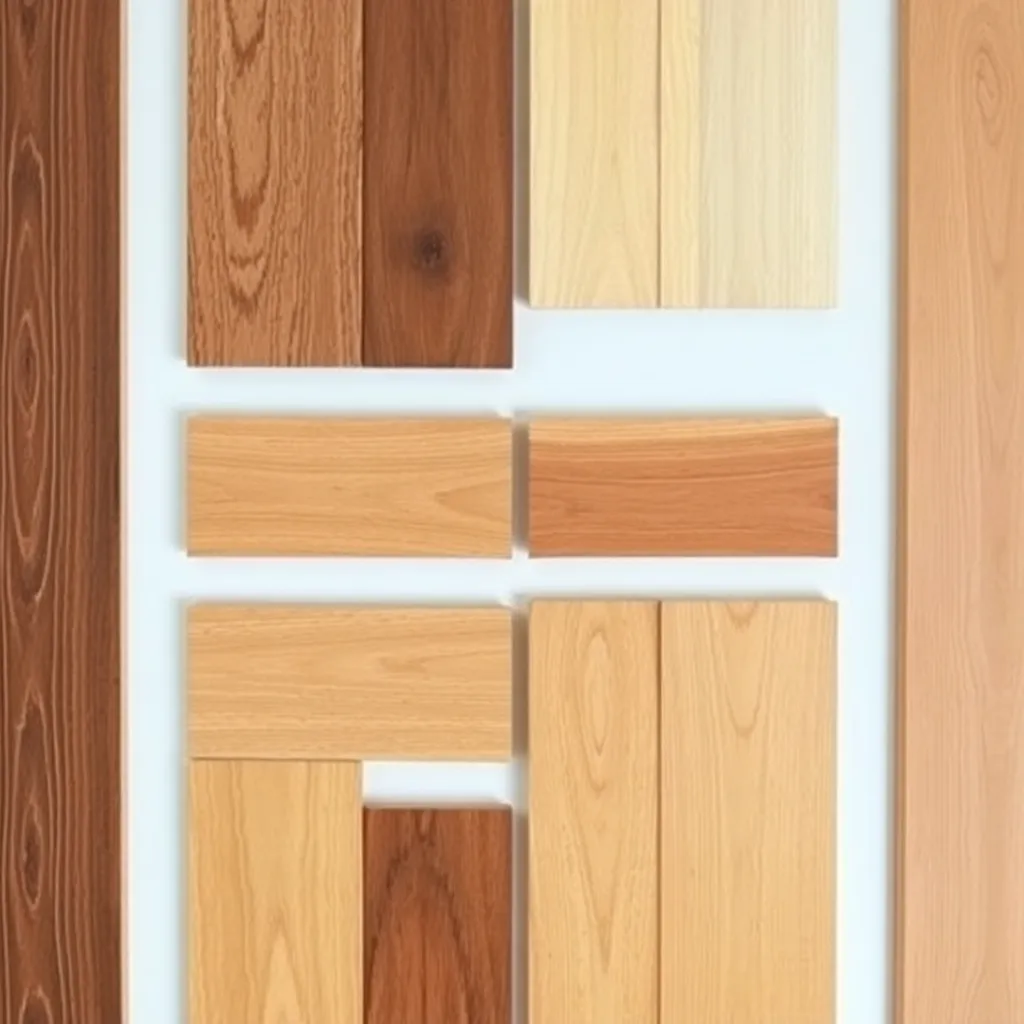
The 12 hardwood species in this guide represent 95% of what most woodworkers will ever buy or use. Each entry covers the properties that matter for real project decisions: color and appearance, how it works under tools, finishing behavior, price range, and the specific applications where it excels. Understanding these species lets you make better material choices and predict how each will behave in the shop.
Ted’s Woodworking has complete furniture plans with wood species recommendations and cut lists. Browse Ted’s plans →
Step 1: Red Oak — Most Available Furniture Hardwood
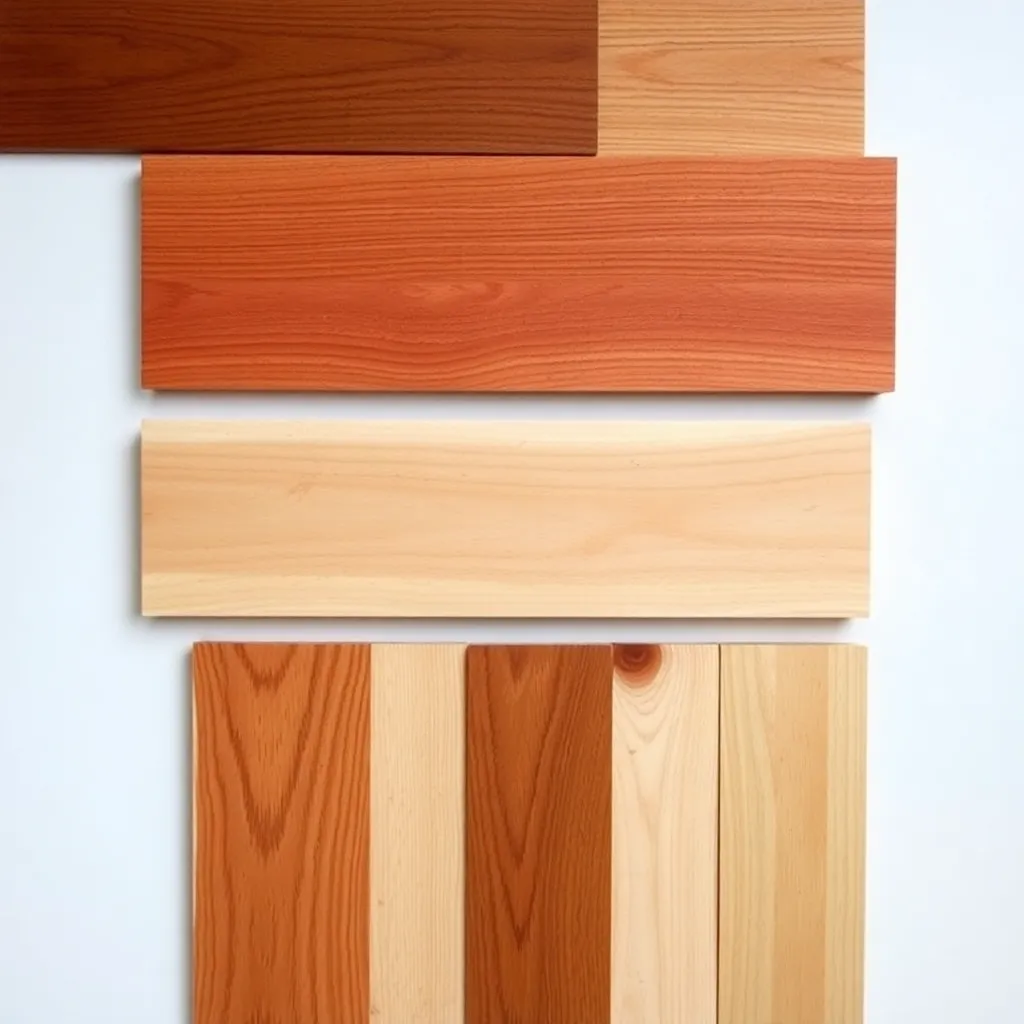
Goal: Understand red oak’s characteristics and why it’s the entry point for hardwood furniture.
Appearance: tan with a slight pink or red tone, large open pores, distinct ray flecks on quartersawn faces. Bold, visible grain.
Working properties: machines well, dulls tools faster than softwoods but less than very hard species. Hand planes cleanly with sharp tools. Open grain tears slightly on router profiles — take light passes. Responds well to most joinery.
Finishing: open grain requires filler for a smooth painted or glassy finish. Stains unevenly without pre-conditioner. Natural oil finishes work beautifully. Water-based finishes raise the grain — pre-raise with a damp cloth, sand after drying, then apply.
Janka hardness: 1290 lbf (moderate-hard).
Price: the most affordable furniture hardwood at most suppliers.
Best uses: furniture, flooring, cabinetry, millwork. Not suitable for outdoor use without significant protection (open pores absorb water).
Step 2: Hard Maple — Hardest Common Domestic Hardwood
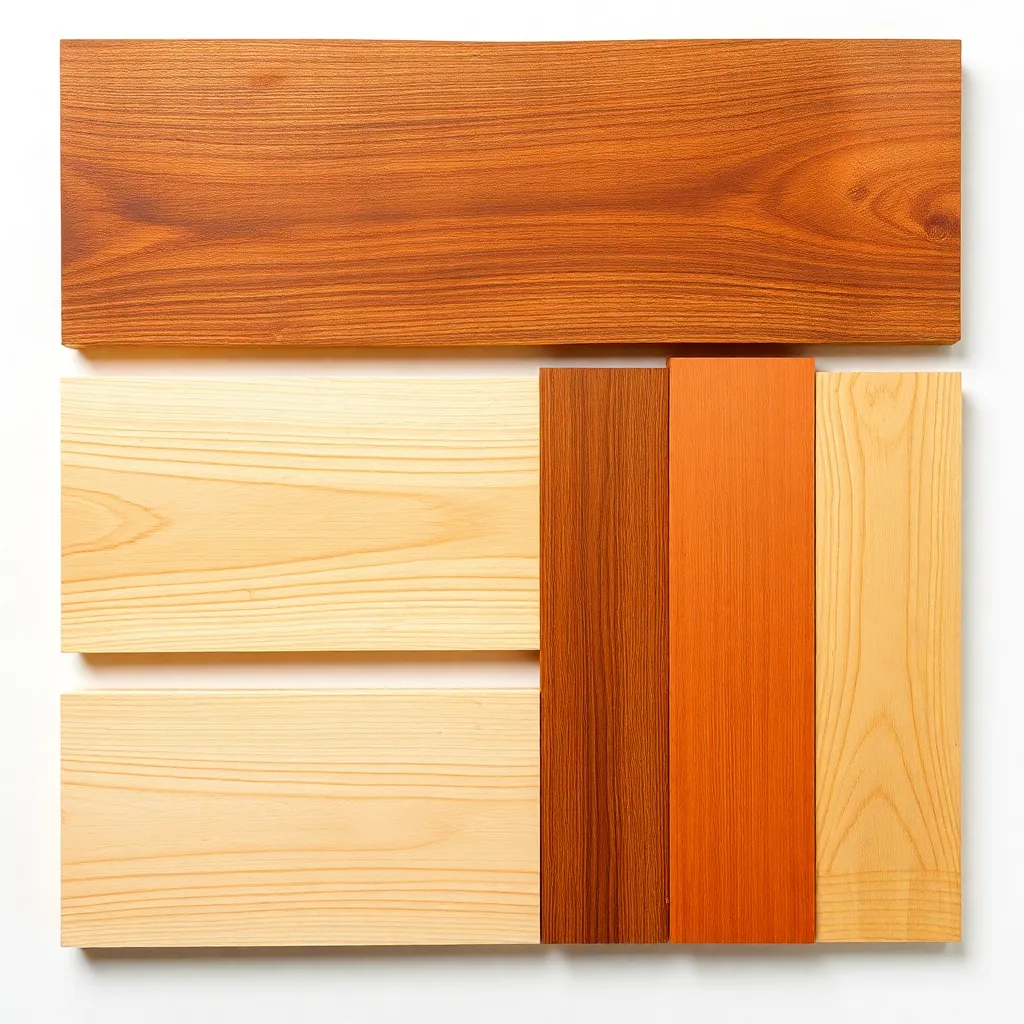
Goal: Understand hard maple as the benchmark for surfaces that take abuse.
Appearance: nearly white to pale cream, very fine closed grain, occasional figure (curly, bird’s-eye, quilted). Plain maple is understated; figured maple is spectacular.
Working properties: hard and heavy — dulls tools more than other common species. Must be sharp. Tearout-prone with hand tools against the grain. Machines cleanly with carbide tooling. Holds joinery exceptionally well.
Finishing: closed grain produces a very smooth surface without pore filling. The main challenge: blotching with pigment stains. Use a pre-conditioner or gel stain for even color. Takes clear finishes (lacquer, waterborne poly) extremely well.
Janka hardness: 1450 lbf (hardest of the common domestic hardwoods).
Price: moderately expensive; figured maple significantly more.
Best uses: cutting boards, workbench tops, butcher block, flooring, bowling alleys. Also premium furniture when figured.
Step 3: Black Cherry — Premium American Furniture Wood
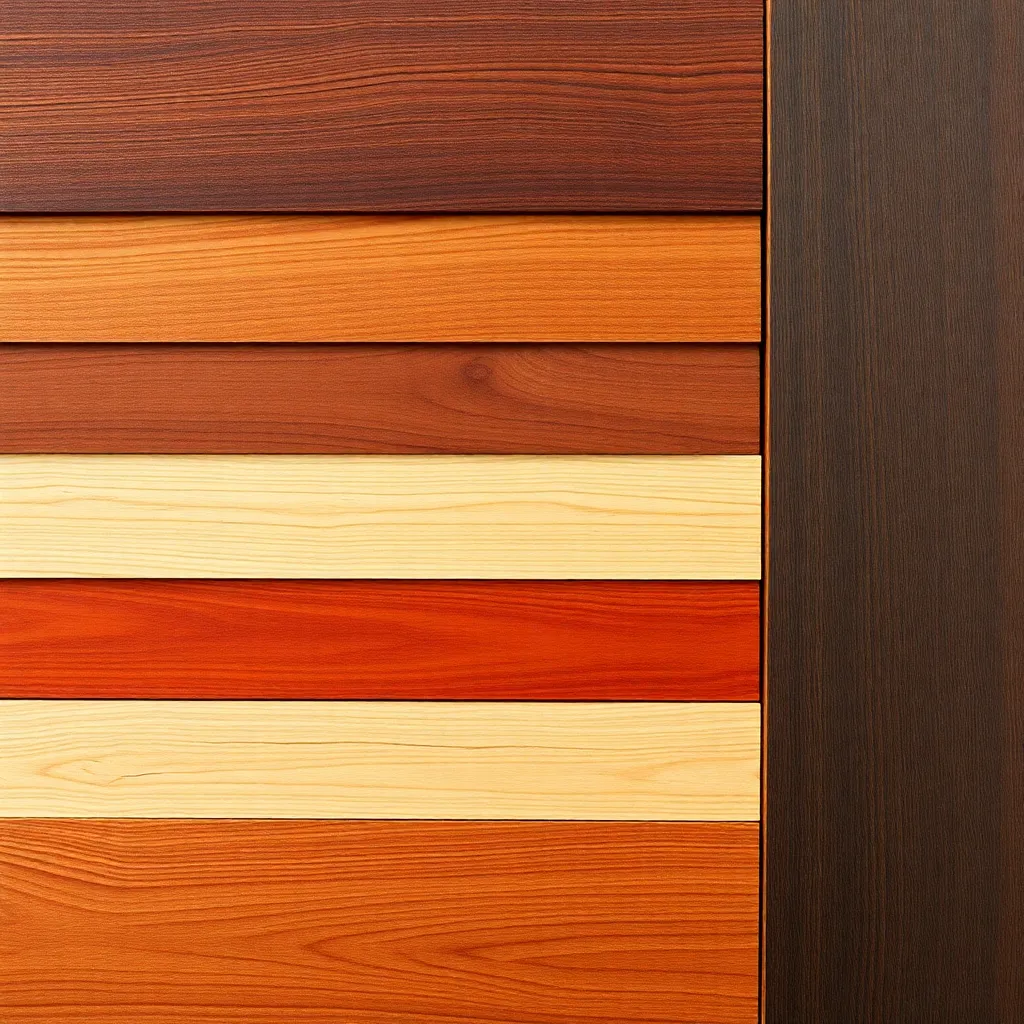
Goal: Understand cherry’s exceptional finishing behavior and how it ages.
Appearance: freshly cut cherry is pale pinkish-brown; it darkens dramatically to deep reddish-brown over months and years with light exposure. Fine, closed grain with occasional gum pockets.
Working properties: works beautifully — machines cleanly, planes to a glass-smooth surface, holds tight joinery. One of the most pleasant hardwoods to work by hand.
Finishing: closed grain takes clear finishes without pore filling. Blotches slightly with pigment stains — use gel stain or a pre-conditioner. The color change with light exposure is not a defect — it’s a feature. New cherry furniture looks significantly better after 6–12 months of light exposure.
Janka hardness: 950 lbf (moderately hard — similar to white ash).
Price: mid to upper range; less expensive than walnut, more expensive than oak.
Best uses: furniture (especially period pieces), cabinetry, musical instruments. The species most associated with New England and Shaker furniture traditions.
Step 4: Black Walnut — Premium Natural-Finish Hardwood
Goal: Understand walnut’s place as the most prized American furniture hardwood.
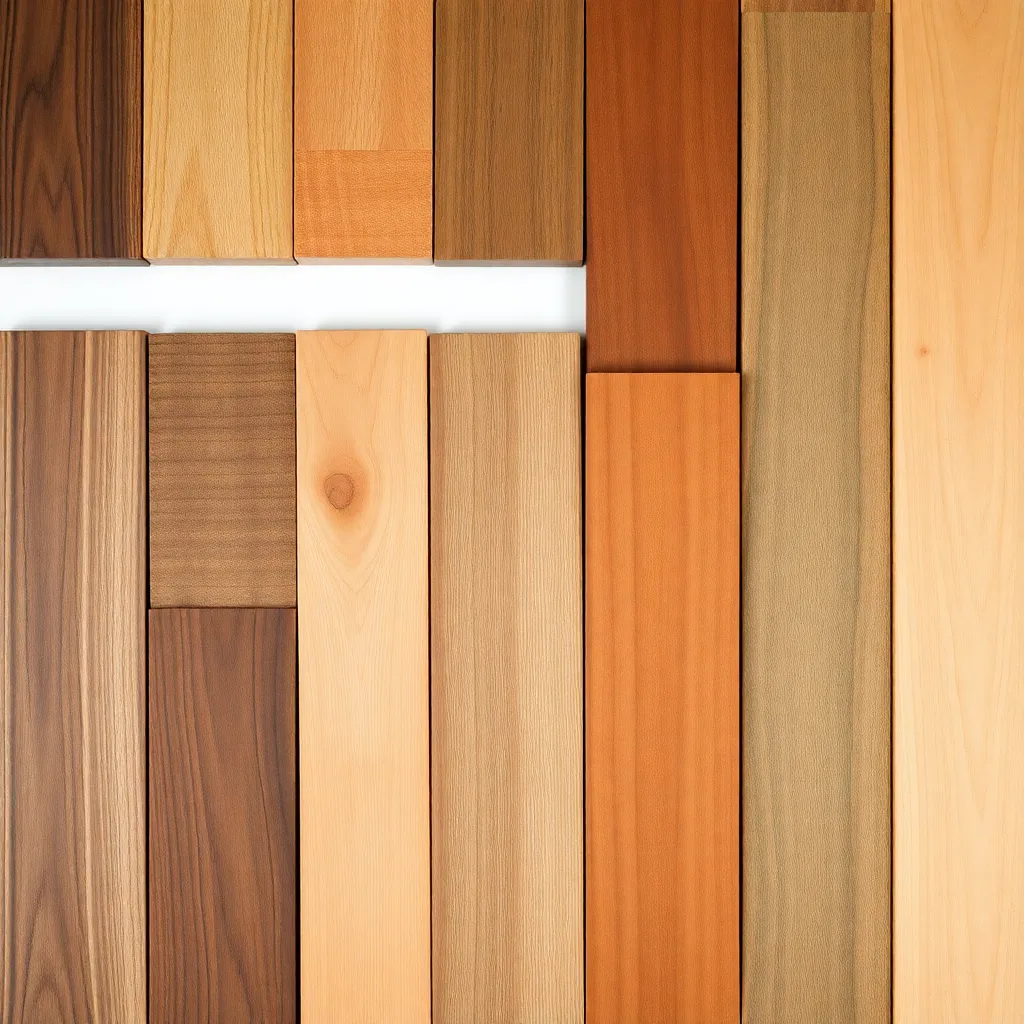
Appearance: rich chocolate brown to purple-brown heartwood, contrasting cream sapwood, open grain with subtle figure. Color is immediately recognizable.
Working properties: works very well — machines cleanly, planes smoothly, holds all joinery types. Soft enough to work easily, hard enough for durable furniture. One of the most rewarding hardwoods to work.
Finishing: open grain (but finer than oak) — slight pore texture without filling. Takes oil and wax finishes beautifully; the natural color needs no enhancement. Avoid dark stains on walnut — they obscure the natural color variation.
Janka hardness: 1010 lbf.
Price: expensive — one of the most expensive domestic hardwoods, especially in wide, clear boards.
Best uses: premium furniture, gunstocks, instrument bodies, decorative panels. The species most commonly chosen for “showpiece” furniture builds.
Step 5: White Ash — Shock-Resistant Woodworking Species
Goal: Understand ash’s unique combination of properties — especially its exceptional shock resistance.
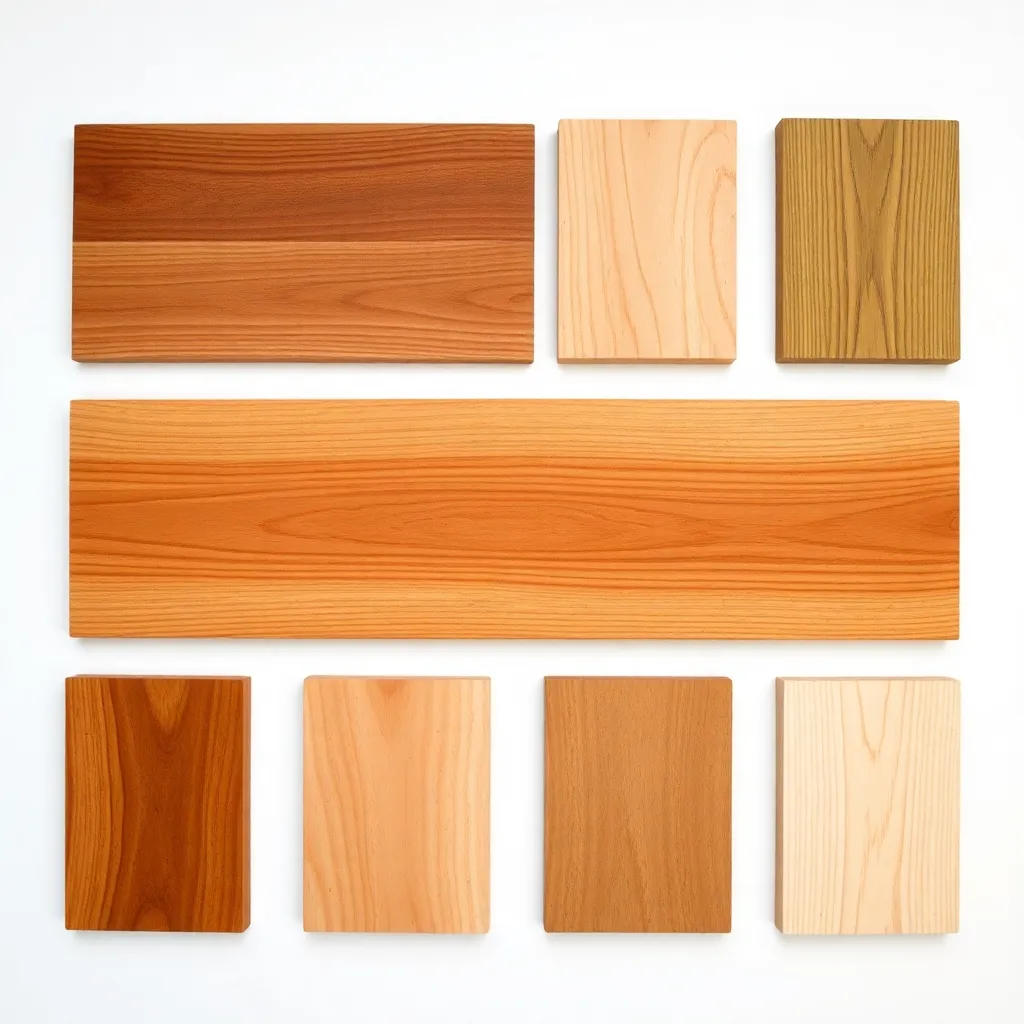
Appearance: light tan to beige, large open pores with dramatic growth ring banding (similar to oak), ray flecks visible but less prominent than oak.
Working properties: works well — machines cleanly, bends well with steam (the best bending hardwood among common domestic species), holds joinery. The open grain requires sharp tools to avoid fuzzy surfaces.
Finishing: similar to oak — open grain requires filler for glassy surfaces. Takes stain evenly (more so than oak). Common finish: light stain or clear oil finish to showcase the grain.
Janka hardness: 1320 lbf.
Price: moderately affordable; less expensive than cherry and walnut.
Best uses: tool handles (the traditional choice for hammers, axes, picks), baseball bats, sports equipment, chairs and bent-wood furniture, flooring. Note: ash is currently threatened by the emerald ash borer — supplies may tighten.
Step 6: Poplar — Best Painted-Furniture Species
Goal: Understand poplar as the professional standard for painted furniture.
Appearance: pale green-yellow with frequent dark purple or brown streaks, closed grain. The green tone and dark streaks make it unsuitable for natural finishes — but invisible under paint.
Working properties: lightweight, easy to machine, minimal tear-out, very easy to sand smooth. The easiest hardwood to work by hand.
Finishing: requires primer before painting (the dark streaks bleed through water-based primer — use oil-based primer or shellac to seal). Takes paint extremely well after primer, producing a smooth, professional surface.
Janka hardness: 540 lbf (one of the softer hardwoods — dents more easily than other furniture hardwoods).
Price: the most affordable furniture hardwood after pine.
Best uses: painted furniture, painted cabinetry face frames, drawer boxes, painted doors and trim. Not for natural-finish applications.
Hardwoods Guide FAQ
What is the most durable hardwood for furniture?
Durability for indoor furniture (resistance to denting, scratching, and wear) correlates with Janka hardness. The most durable common domestic hardwoods for furniture surfaces: hard maple (1450 lbf), hickory (1820 lbf), and white oak (1360 lbf). For tabletops specifically: hard maple is the benchmark — it’s what professional woodworkers use for workbench tops precisely because it resists denting and wear. For a balance of durability and workability: white oak is very hard, highly durable, and works easier than hard maple. Cherry and walnut (950–1010 lbf) are durable enough for furniture that won’t see heavy abrasive use.
What hardwood is easiest to work for beginners?
Poplar is the easiest hardwood to work — lightweight, consistent, and very forgiving of dull tools and imprecise technique. The problem: it’s only appropriate for painted work (the color is unattractive for natural finishes). For natural-finish beginner work: cherry is surprisingly forgiving (works smoothly, takes clear finishes without blotching) and produces beautiful results. Walnut is also relatively easy for a premium species. Red oak is the most available starter hardwood but requires sharper tools for clean results than cherry or walnut.
What hardwood is best for outdoor furniture?
Most furniture hardwoods are not suitable for outdoor use without significant protective coatings — they’ll rot within a few seasons without protection. The exceptions: white oak (naturally rot-resistant due to closed pores and tyloses that plug the vessel openings — the traditional barrel and boat building wood), teak (the gold standard for outdoor furniture — contains natural oils that resist water and decay), ipe (extremely hard and dense tropical species, outlasts most finishes), and black locust (the most rot-resistant domestic species, harder to source). For practical outdoor furniture: cedar, redwood, and teak are the best starting choices, depending on budget.
How do I choose between oak and walnut for furniture?
The decision comes down to four factors: (1) Color preference — oak is tan/golden, walnut is chocolate brown; neither is better, but they suit different room styles; (2) Finish approach — walnut’s open grain needs slightly more care for a smooth finish, but its natural color is exceptional without staining; oak requires grain filler for a glassy finish and stains unevenly without conditioner; (3) Hardness — oak (1290–1360 lbf) is harder than walnut (1010 lbf) and will resist denting slightly better on a tabletop; (4) Budget — walnut is significantly more expensive, especially in wide boards. For most furniture projects: if budget allows, walnut is the more refined choice; if budget is tight, red oak is the most available and affordable alternative.

“DIY woodworking enthusiast who started with zero experience and a YouTube tutorial.
I build simple, practical projects for my home and share free plans
so other beginners can skip the guesswork.If I can build it, you can too.”