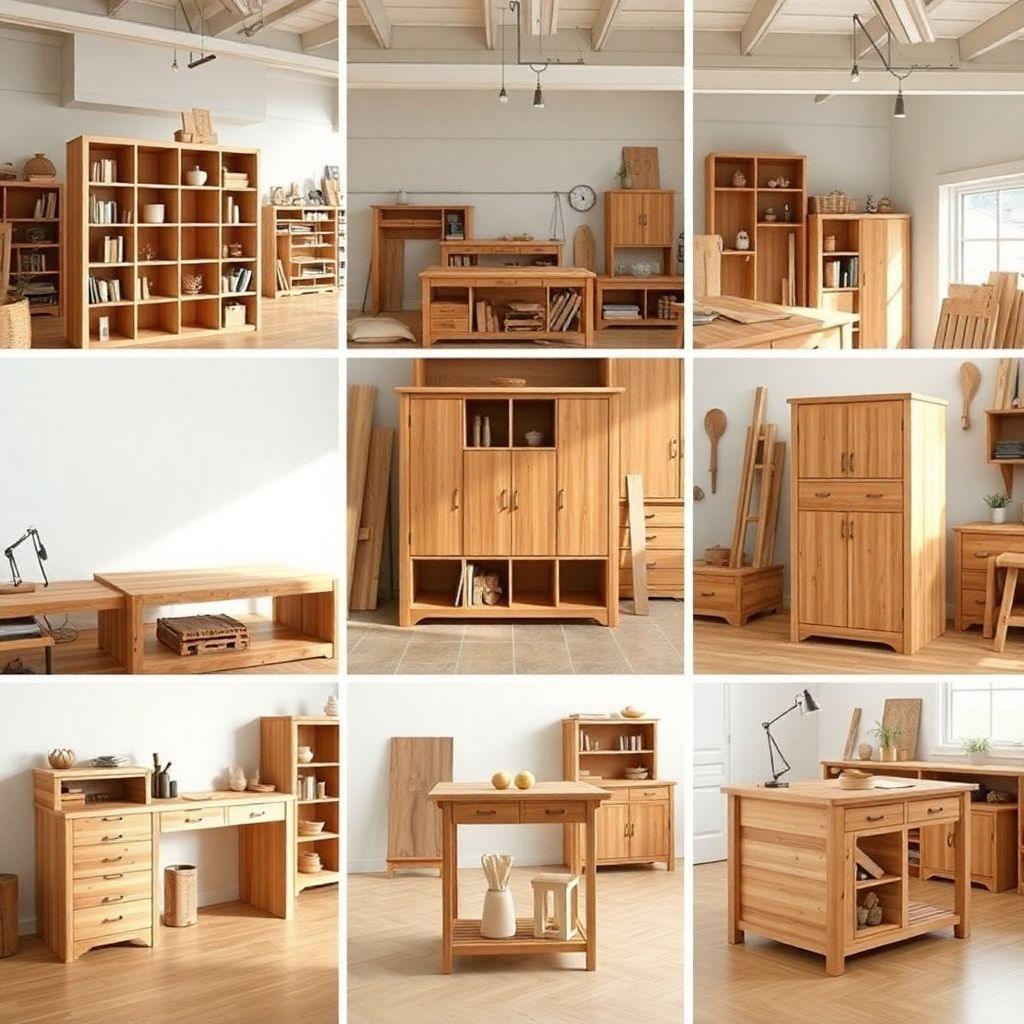
Furniture is the best place to start woodworking. A chair, a shelf, a table: these are objects you use every day, so the payoff is immediate and the motivation to finish is built in. Furniture also teaches the core skills of the craft, measuring, cutting square, joining boards, and finishing, without the tight tolerances that make things like jewelry boxes or musical instruments frustrating for a first-timer. And when you build your own, you control the wood, the dimensions, and the price, which is usually a fraction of retail.
This page is the top-level map of every furniture category on the site. Each section below is a quick summary of one project group: what it is, the skill level it demands, the rough cost of materials, how long a build takes, and who it suits best. Under each summary you will find a link to the full cluster hub, where the individual plans live.
Use this page to pick a direction. If you have never built anything, start with the decision matrix right below, then jump to the category it points you toward. If you already have a project in mind, scroll to that section and follow the link. Nothing here is a step-by-step tutorial. This is the “which project should I build” page, not the “how do I build it” page.
How to Choose: Skill, Budget, and Time
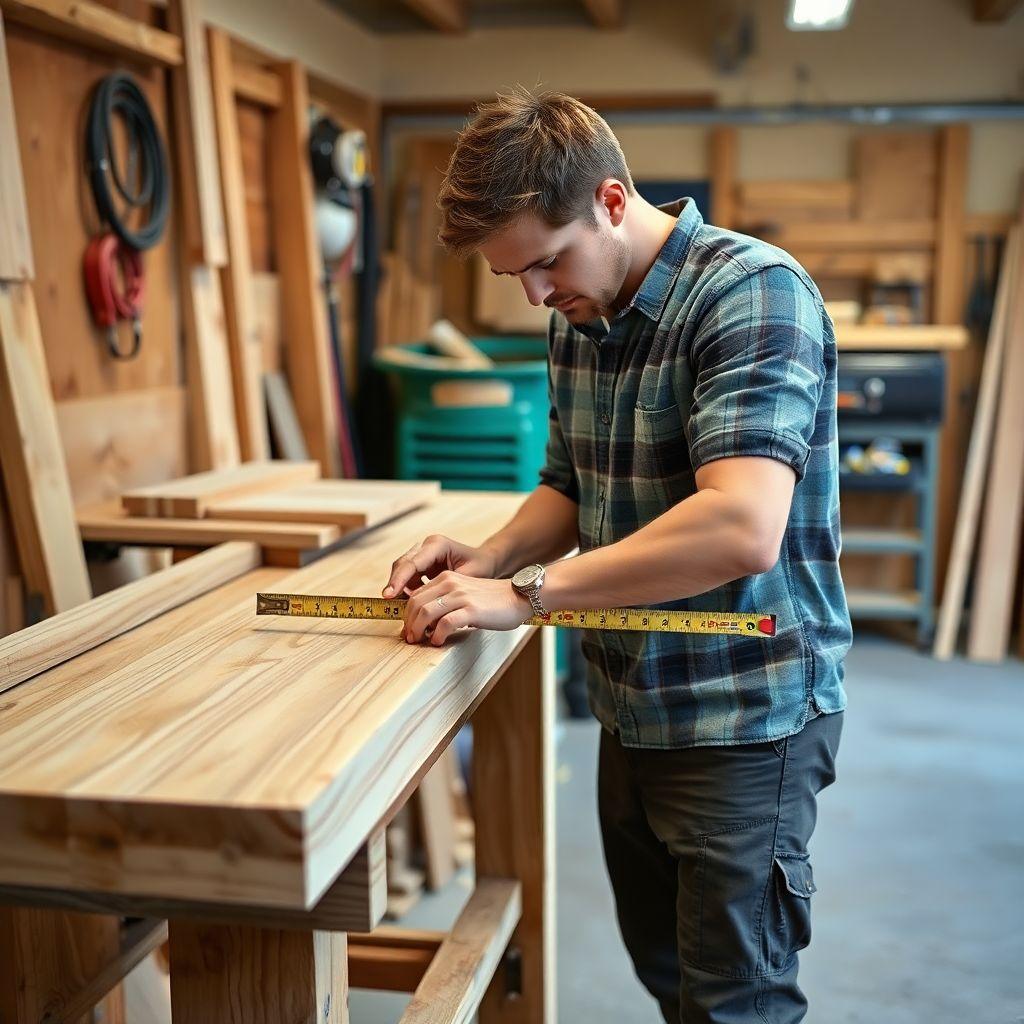
Three questions narrow the field fast. Answer them honestly and the matrix below points you to a category.
1. How much have you built before?
– Nothing yet, or a few weekend projects: stay in the beginner tier.
– A handful of finished pieces with basic joinery: you are intermediate.
– Comfortable with mortise-and-tenon, angles, and hardware: advanced.
2. What is your material budget?
– Under $75: floating shelves, a simple stool, a basic desk, a tote rack.
– $75 to $250: coffee tables, nightstands, most cabinets, standing desks.
– $250 and up: platform beds, wardrobes, built-in entertainment centers, kitchen islands.
3. How much time can you give it?
– One day: floating shelves, a rolling cart, a simple stool.
– One weekend: coffee table, basic desk, nightstand, shoe bench.
– Two to three weekends: cabinet, dresser, entertainment center, dining chair.
| If you are… | And you want to spend… | Start with… |
|---|---|---|
| A total beginner | As little as possible | General Furniture Plans or Bookshelf Plans |
| A beginner | A modest amount | Coffee Table Plans or Desk Plans |
| Intermediate | A mid-range budget | Bedroom, Cabinet, or Storage Plans |
| Intermediate | More, for a big impact | Entertainment Center or Kitchen Projects |
| Advanced | Whatever it takes | Chair and Stool Plans |
General Furniture Plans
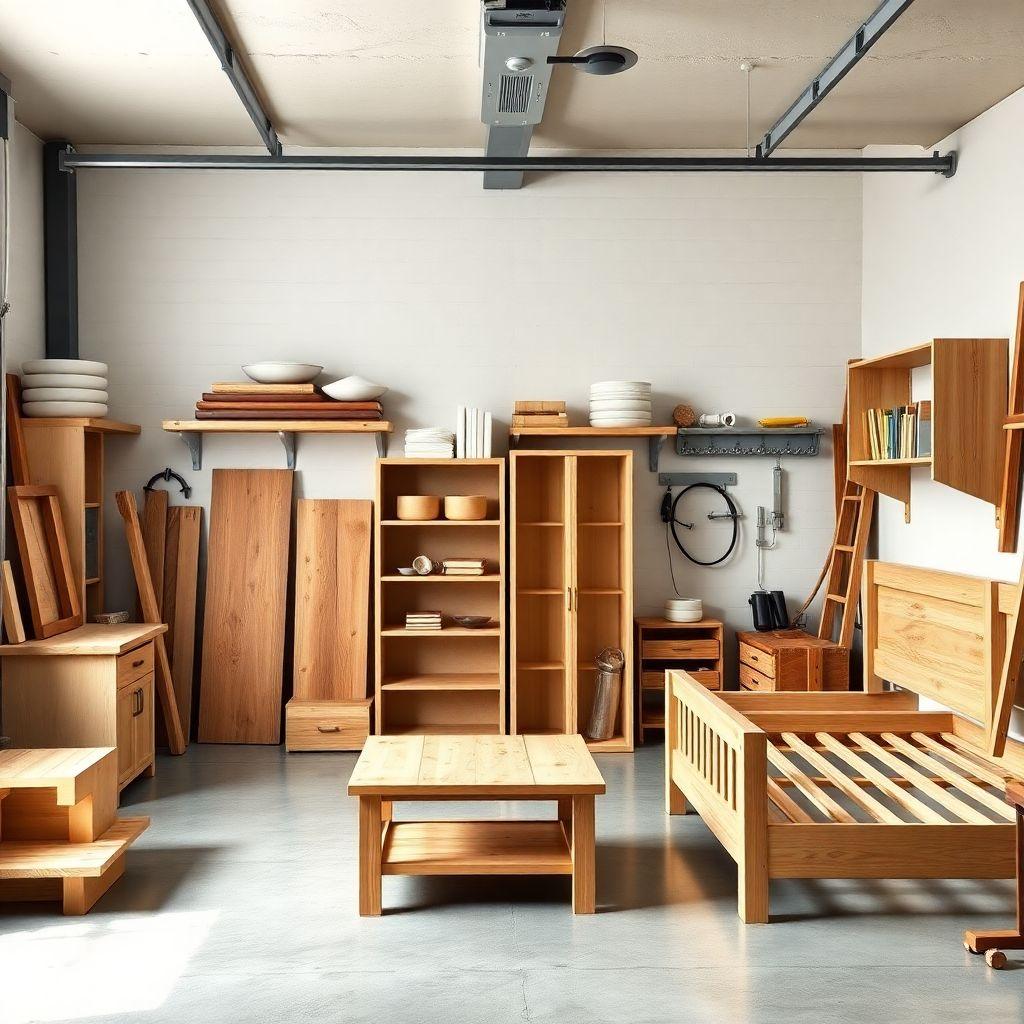
This is the entry-level listicle for people who have not picked a project yet. It rounds up the most popular starter builds on the site: floating shelves, coffee tables, bed frames, and bookcases, all chosen because they are forgiving and useful. Skill level is beginner, material cost runs $30 to $150, and most builds take one to two weekends. If you own a drill, a saw, and a tape measure but have never built furniture, start here. It is the shortest path from “I want to try this” to a finished piece you actually use. See the full roundup at /best-diy-furniture-plans-5/.
Coffee Table Plans
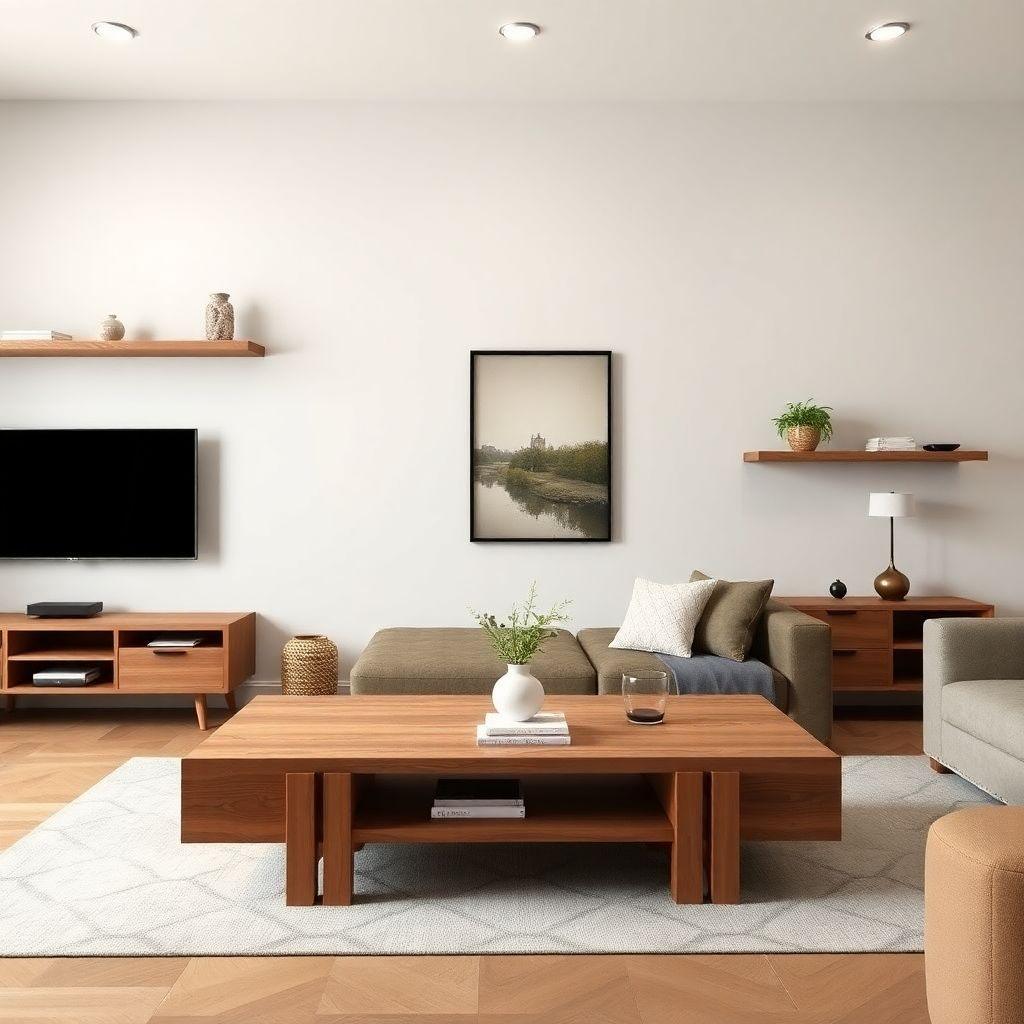
The coffee table is the most-built first furniture project, and for good reason: it is a flat surface on four legs, which keeps the joinery simple while still teaching you how to build square and finish a top. This hub covers eight styles, from farmhouse and X-leg to concrete-top and live-edge, spanning beginner to advanced. Cost ranges from $40 for a basic pine build to $300 for hardwood or specialty tops, and most take one to three weekends. Best for a living room upgrade or a confidence-building first project. Browse all eight at /coffee-table-furniture-plans/.
Bookshelf and Shelving Plans
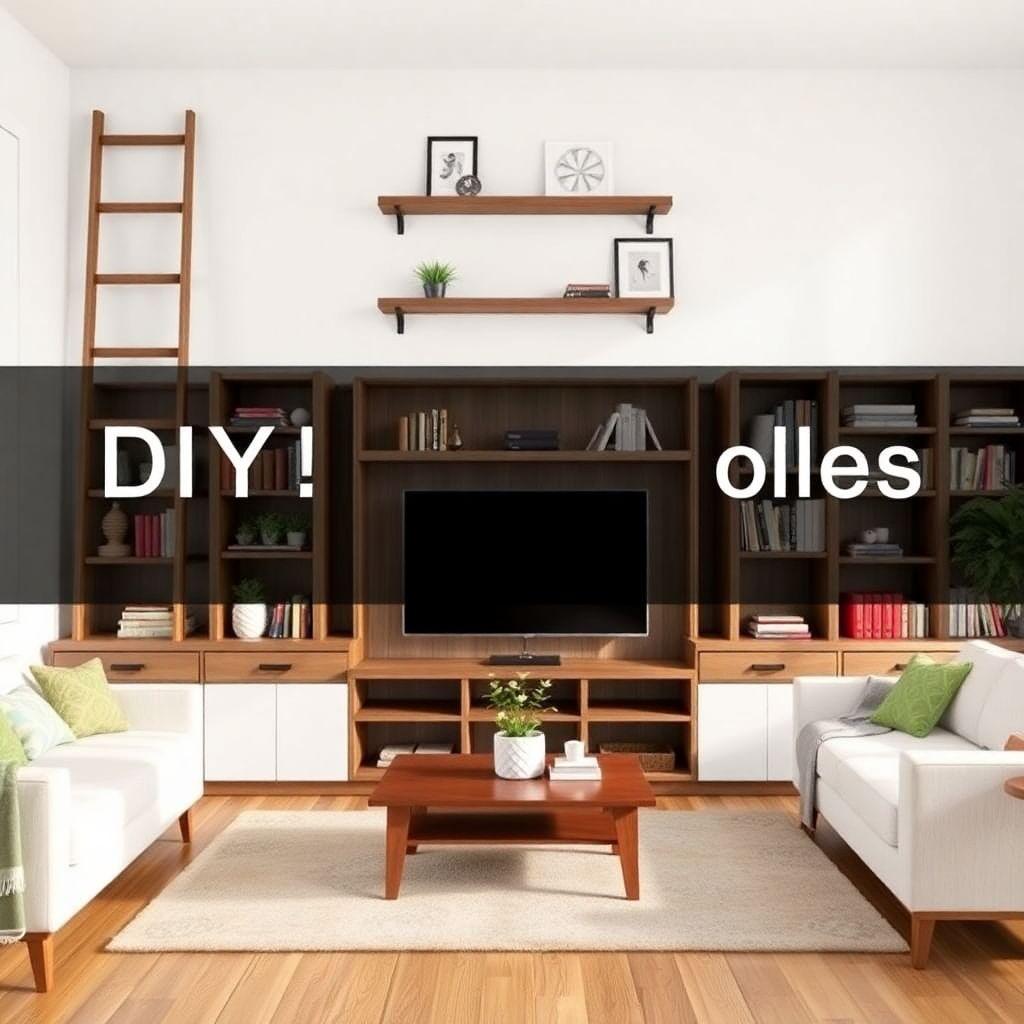
Shelving gives you storage without the complexity of doors, drawers, or face frames, which makes it a natural second project after a coffee table. This hub covers seven types: floating shelves, ladder shelves, freestanding bookcases, built-ins, corner units, mug shelves, and plant shelves. Skill runs beginner to intermediate, cost spans $30 for a single floating shelf to $400 for a full built-in, and build time ranges from one day to two weekends. Best for anyone who needs to get books, plants, or clutter off the floor. See every shelf type at /bookshelf-and-shelving-plans/.
Bedroom Furniture Plans
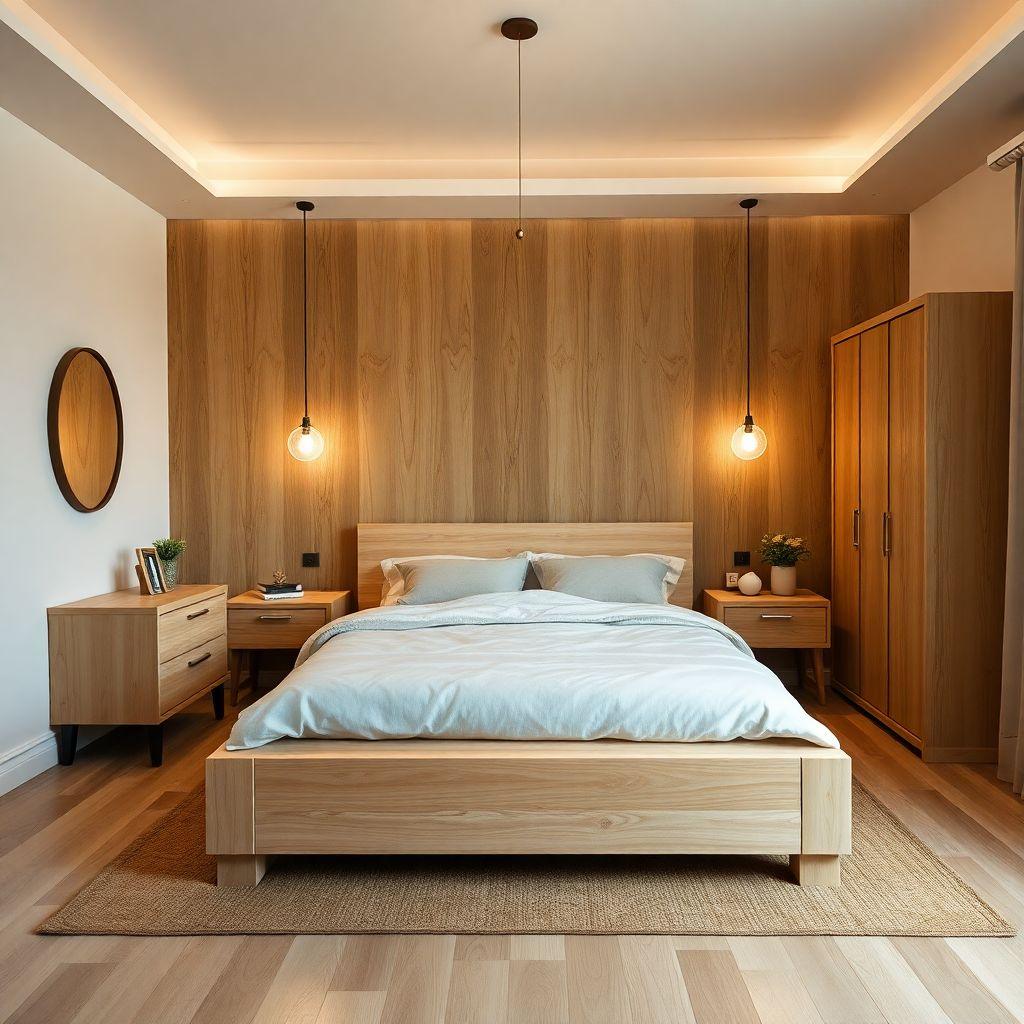
Once shelves feel easy, the bedroom is where you level up. These six pieces, a nightstand, dresser, platform bed, wardrobe, and toddler bed, introduce drawers, larger panels, and pieces that have to hold real weight. Skill level is intermediate, cost runs $80 for a simple nightstand to $500 for a wardrobe or full bed, and most builds take one to three weekends. Best for builders ready to move past shelving and for anyone furnishing a bedroom on a budget. Full plans at /bedroom-furniture-plans/.
Cabinet Plans
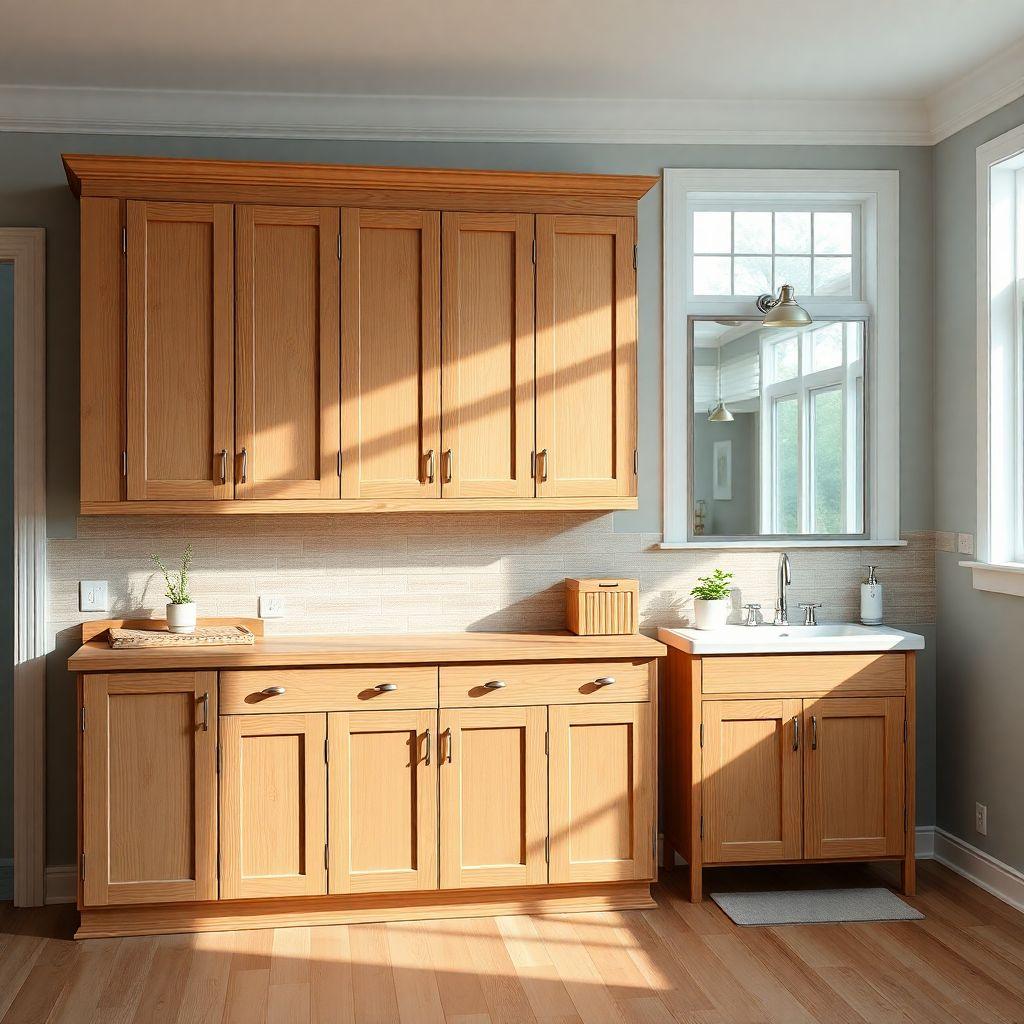
Cabinets are where you learn face frames and door hanging, two skills that unlock most of the rest of woodworking. This hub covers five types: shaker cabinets, general storage cabinets, filing cabinets, bathroom vanities, and wall cabinets. Skill level is intermediate, material cost runs $120 to $500 depending on size and hardware, and builds typically take two to three weekends. Best for kitchen and bathroom upgrades, and for anyone who wants to master doors and drawers properly. See all five at /cabinet-plans/.
Chair and Stool Plans
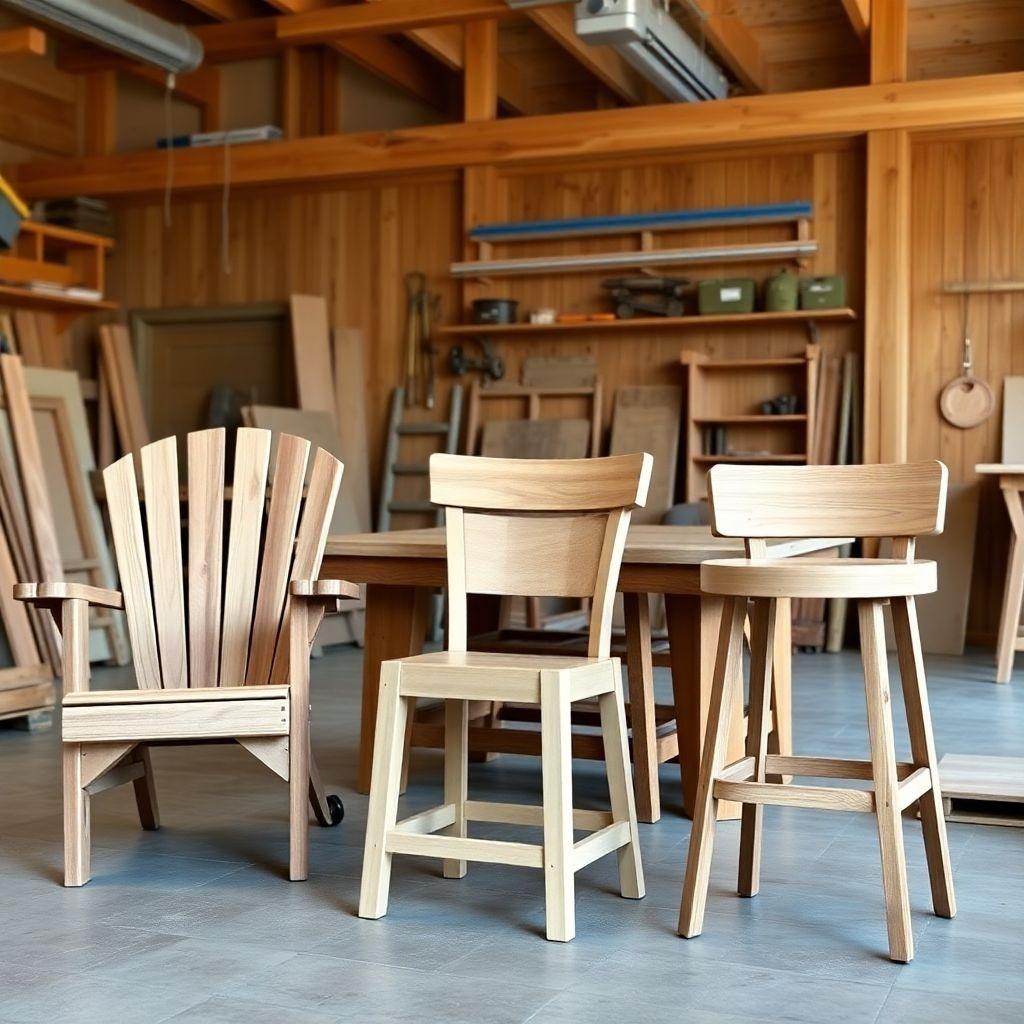
Chairs are the hardest furniture to get right. Angles, comfort, and joints that flex under a shifting load all conspire against you, so this category rewards builders who already have joinery experience. It covers five seating types: a simple stool, a bar stool, an Adirondack chair, a dining chair, and a convertible chair-bed. Skill runs intermediate to advanced, cost spans $50 to $300, and builds take one to three weekends. Best saved until you are comfortable with tight joints. Full plans at /chair-and-stool-plans/.
Desk Plans
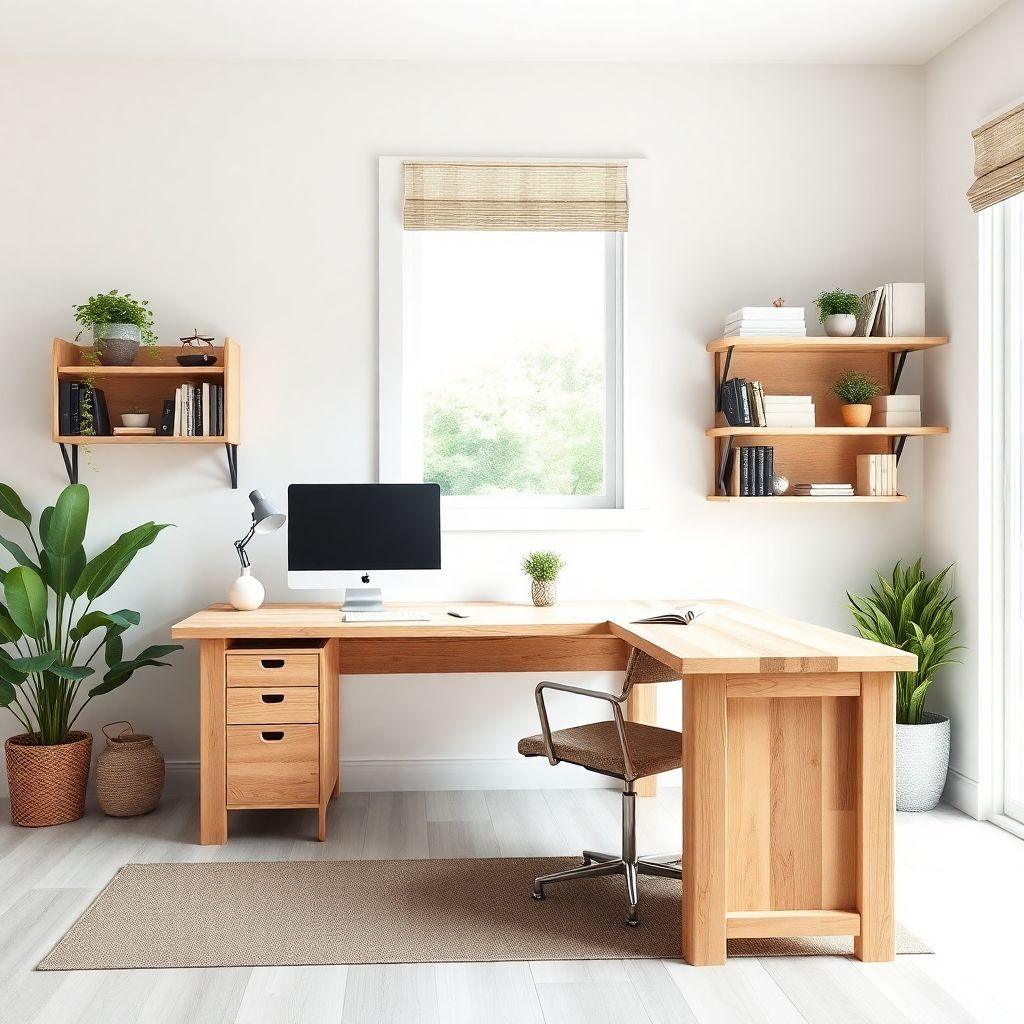
Desks are forgiving and they teach case construction, which makes them an underrated step between beginner and intermediate work. This hub covers five types: a basic desk, a ladder desk, a standing desk, a computer desk, and an L-shaped desk. Skill runs beginner to intermediate, cost ranges from $60 for a simple build to $400 for a large L-shaped or adjustable standing desk, and most take one to two weekends. Best for a home office upgrade or a low-risk way to practice building a case. Browse all five at /desk-plans/.
Entertainment Center Plans
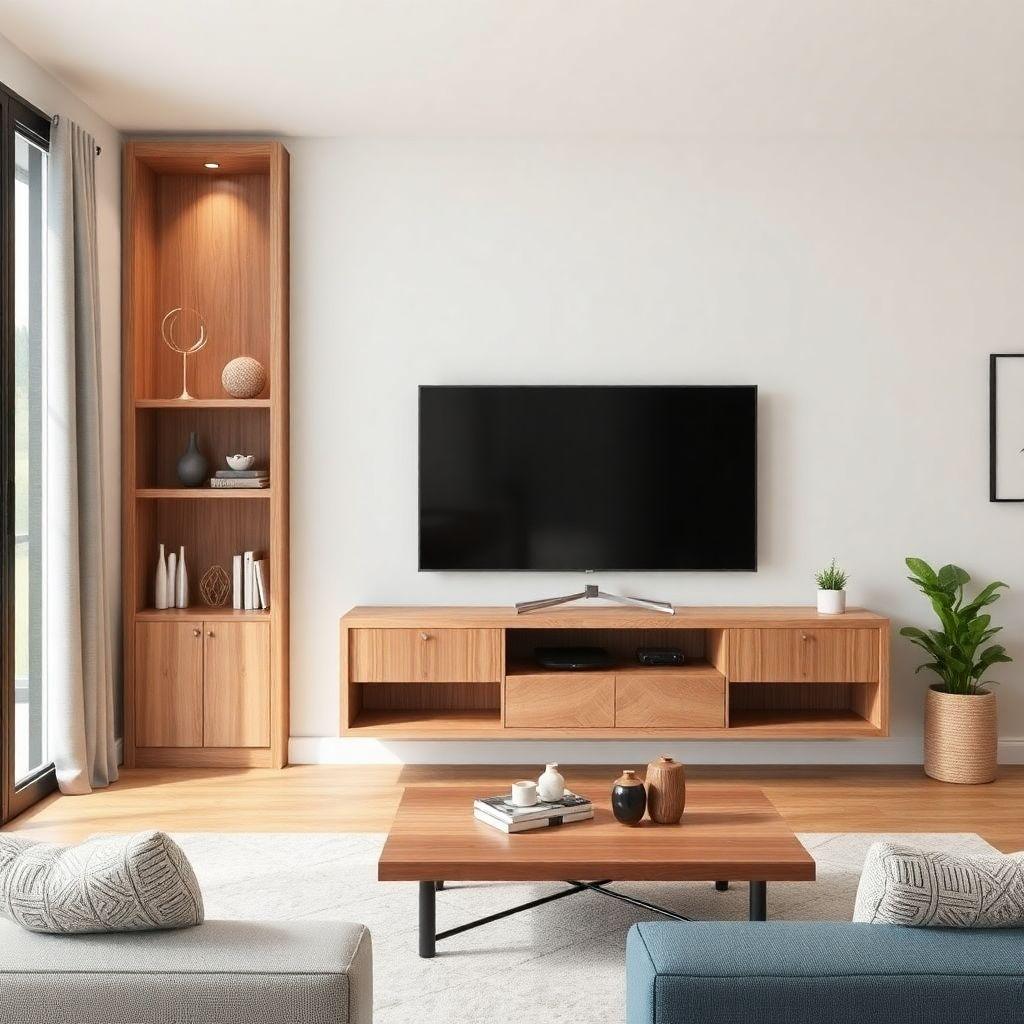
An entertainment center becomes the focal point of a living room, so it is worth the extra effort. This hub covers four media furniture types: a built-in, a floating console, a standalone TV stand, and a couch or sofa table. The key skills here are wall-anchoring and wire management, both of which matter more than raw joinery. Skill level is intermediate, cost runs $150 to $600, and builds take two to three weekends. Best for anyone ready to commit to a larger, statement piece. See all four at /entertainment-center-plans/.
Storage Furniture Plans
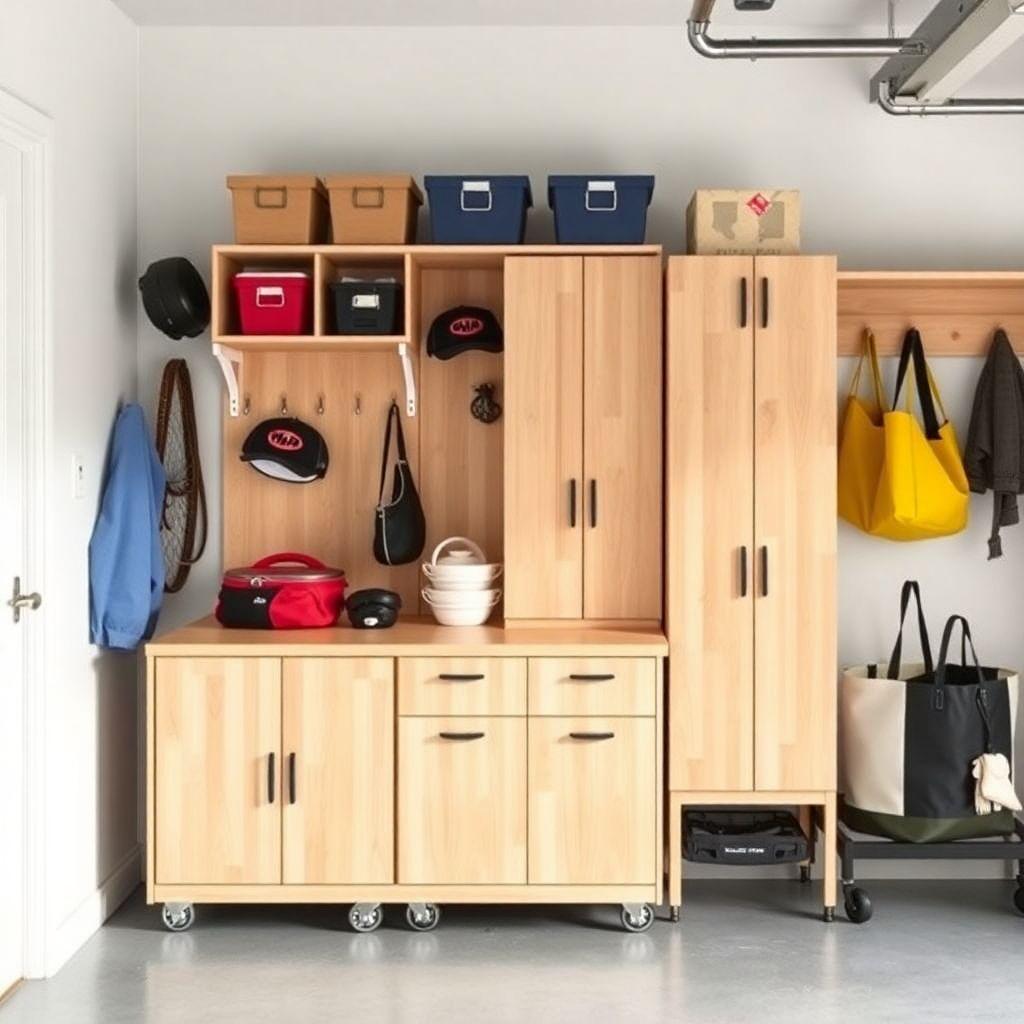
These are the practical, high-payoff builds that make a garage or entryway usable. The hub covers six projects: a tote rack, a garbage bin enclosure, a mudroom locker, a garage cabinet, a rolling cart, and a shoe bench. Skill runs beginner to intermediate, cost spans $45 to $450, and most take one to two weekends. Because the goal is function over finish, these are forgiving builds with fast, visible results. Best for organizing garages, mudrooms, and entryways. Full plans at /storage-furniture-plans/.
Kitchen and Pantry Projects
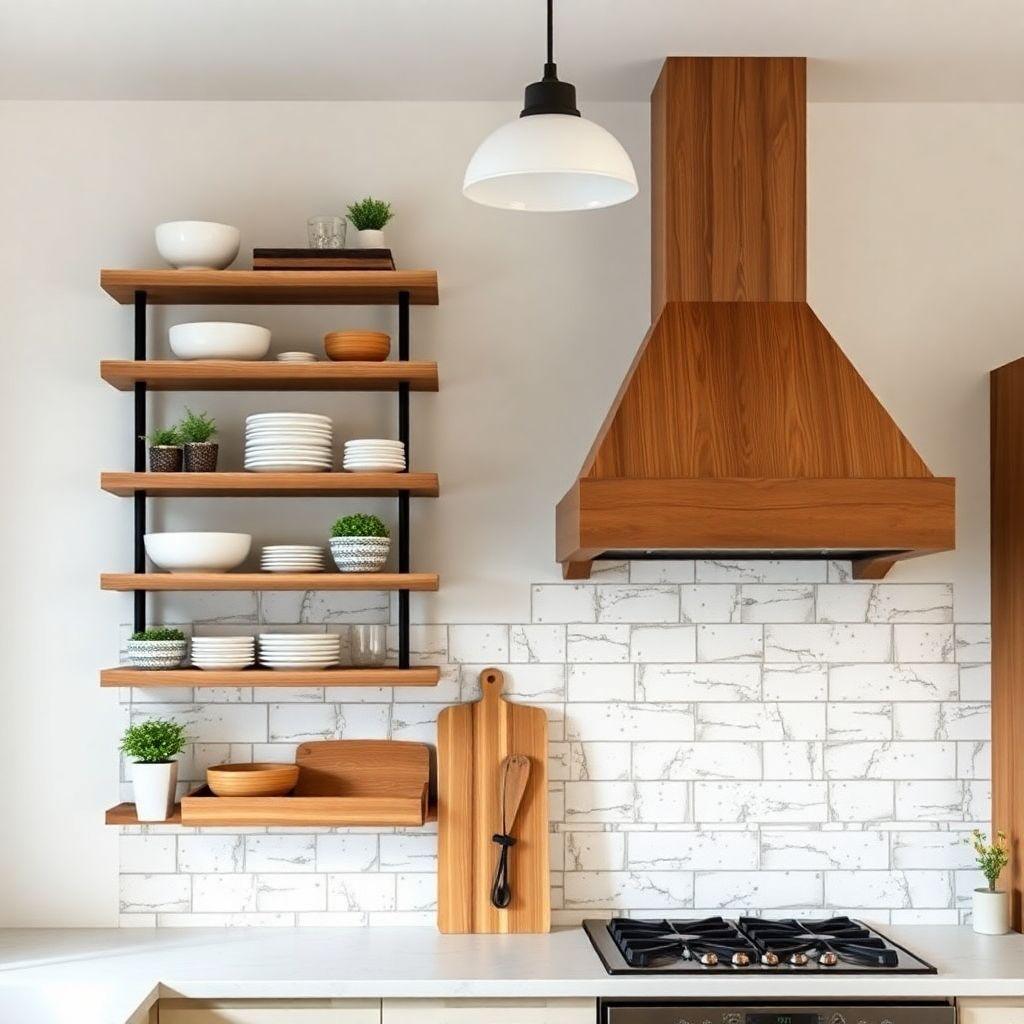
The kitchen offers both quick wins and bigger projects. This hub covers five builds: a mud kitchen, a wooden range hood, a pantry cabinet, a kitchen island, and floating shelves. Floating shelves are the fastest win here, doable in a day, while the island and range hood are weekend commitments. Skill runs beginner to intermediate, cost spans $60 to $500, and build time ranges from one day to two weekends. Best for adding storage and style to a kitchen. See all five at /kitchen-and-pantry-projects/.
FAQ
Where should a complete beginner start?
Start with floating shelves or a simple coffee table. Both are cheap, forgiving, and teach the core skills of measuring, cutting square, and finishing without demanding any real joinery. The General Furniture Plans hub collects the best of these starter projects.
What wood should I use for my first furniture project?
Pine and plywood are the standard starting materials. Pine is cheap, soft enough to cut and sand easily, and forgiving of mistakes. Cabinet-grade plywood gives you large, flat, stable panels for shelves, desks, and cabinets. Save hardwoods like oak, walnut, and maple for later, once your cuts are consistent.
What is the cheapest furniture piece to build?
A single floating shelf is the cheapest, often under $30 in lumber and a bracket. A basic stool or a garage tote rack are close behind. These are the builds to choose when you want to test the waters without spending much.
What is the hardest furniture to build?
Chairs. The angles, the comfort requirements, and the joints that have to survive a person constantly shifting their weight make seating the most demanding category. Build shelves, tables, and cabinets first, then attempt a chair once your joinery is reliable.
How long does a furniture project take?
It ranges from a single day to three weekends. Floating shelves, a rolling cart, or a simple stool can be done in a day. Coffee tables, desks, and nightstands are typical one-weekend builds. Cabinets, dressers, entertainment centers, and beds usually span two to three weekends.

“DIY woodworking enthusiast who started with zero experience and a YouTube tutorial.
I build simple, practical projects for my home and share free plans
so other beginners can skip the guesswork.If I can build it, you can too.”