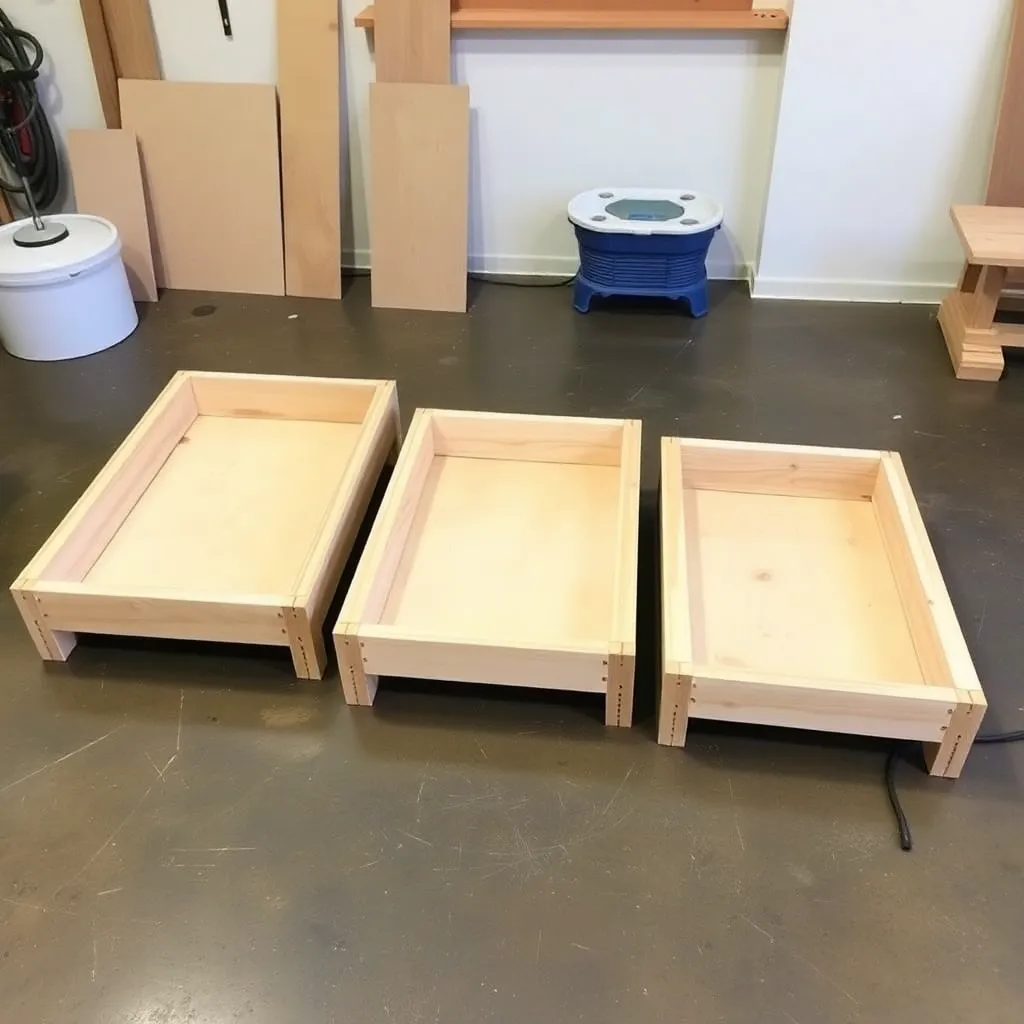
An elevated dog bed — a raised frame with a stretched fabric sleeping surface — solves two problems at once: it lifts the dog off cold floors in winter and allows airflow around the dog in summer, making it the most comfortable sleeping surface year-round. Commercially sold as “Kuranda” style beds for $80–$200, the same design costs $20–$40 in materials and can be sized exactly for the dog. These plans cover a Douglas fir frame with a woven PVC mesh sleeping surface — a bed that’s cooler than foam, washable, and will outlast any stuffed dog bed the dog can chew.
Ted’s Woodworking has elevated dog bed plans in three sizes plus instructions for a version with removable cushions. Browse Ted’s pet plans →
Step 1: Choose the Size and Material
Three sizes cover virtually all dogs:
| Size | Frame Dimensions | Best For |
|---|---|---|
| Small | 18×24 inches | Dogs under 20 lbs |
| Medium | 24×36 inches | Dogs 20–60 lbs |
| Large | 30×48 inches | Dogs 60–100 lbs |
Frame leg height: 6 inches off the floor is the sweet spot — high enough for airflow and to keep the dog off cold tile, low enough that elderly dogs and dogs with joint issues can step on without difficulty. Increase to 8–10 inches for young, healthy large dogs.
Frame material:
- Douglas fir 2×3 (1½ × 2½ inches actual) — light, strong, inexpensive, available at any home center
- Alternatively: 2×4 lumber for a heavier-duty frame
Sleeping surface material:
- 1-inch polyester webbing (sold as “outdoor furniture webbing” or “patio chair replacement webbing”) — the exact material used in commercial elevated pet beds
- Alternative: ½-inch polypropylene rope woven in a grid pattern
- PVC-coated mesh fabric (sold as outdoor mesh or shade cloth) stretched and stapled to the frame
For this build, woven 1-inch polyester webbing is the best choice: it’s washable, chew-resistant, allows maximum airflow, and is available in many colors.
Step 2: Cut and Assemble the Frame
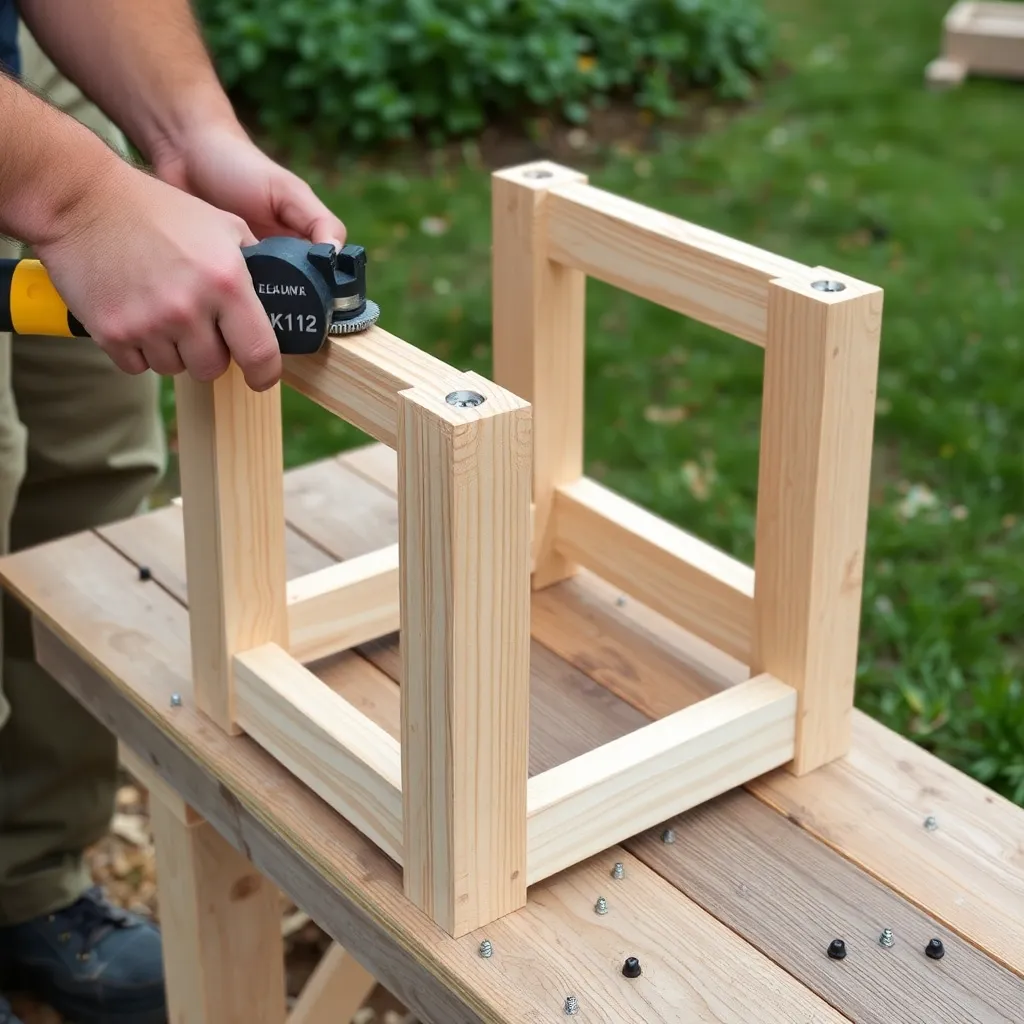
Cut list for a medium frame (24×36 inches):
- 2 × long rails: 2×3 at 36 inches
- 2 × short rails: 2×3 at 21 inches (so the outside dimension is 24 inches with the long rails sandwiching the short rails)
- 4 × legs: 2×3 at 6 inches
Corner joints:
The simplest joint: butt the short rails between the long rails at each end, glue and screw (two 2½-inch screws per joint through the long rail into the end of the short rail). This creates a rectangular frame with outside dimensions of 36×24 inches.
Leg attachment:
Cut each leg at 6 inches. Glue and screw one leg into each corner of the frame — positioned on the outside corner, screwed from both directions (through the long rail and through the short rail into the leg). This keeps the legs flush with the outer face of the frame and makes the bed look clean when viewed from the side.
Sanding: Round over all top edges of the frame with 80-grit sandpaper, then finish with 120-grit. Rounded edges prevent the webbing from chafing against a sharp corner and prevent the dog from getting scratched if they lean against the frame.
Step 3: Weave the Sleeping Surface
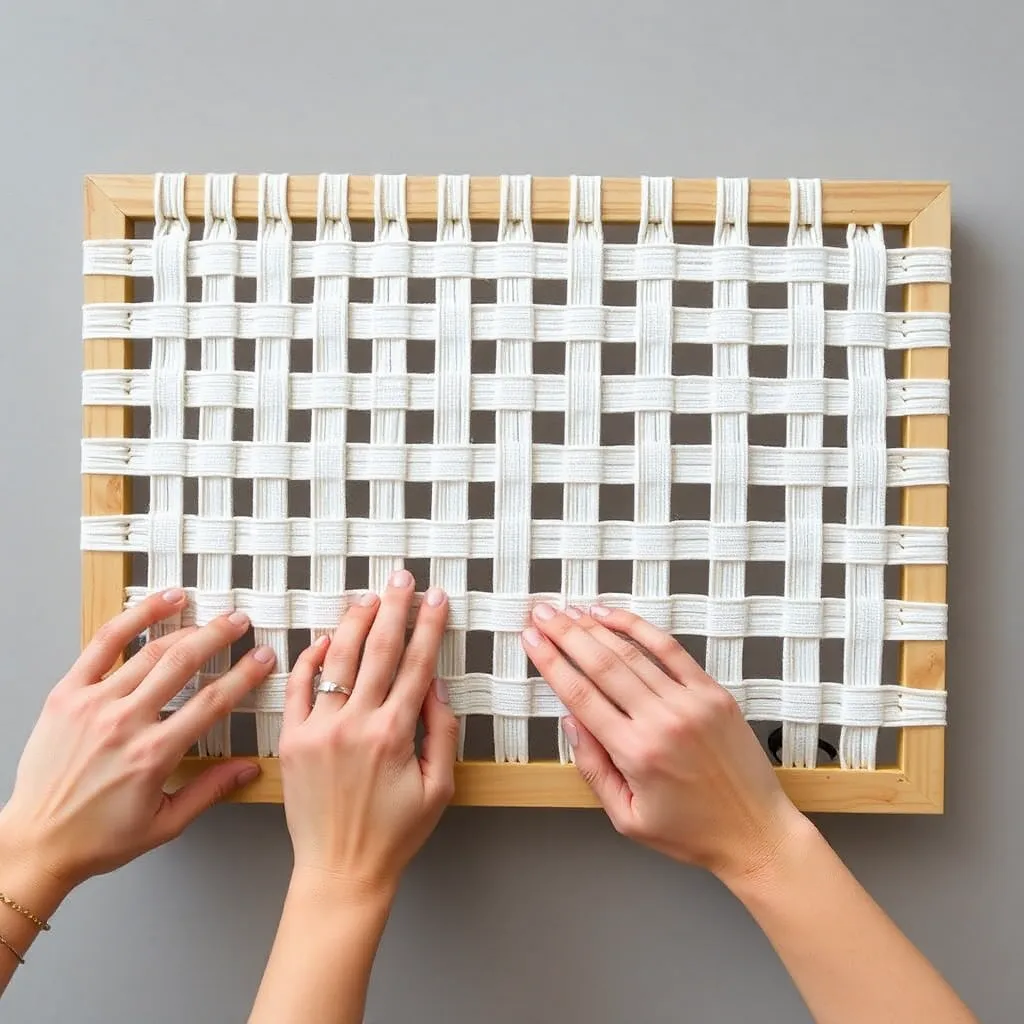
The webbing is woven in a grid pattern — lengthwise strands first, then cross-strands woven under-over alternately. This creates a stable, self-tensioning surface.
Webbing quantity for a medium bed:
- Lengthwise (36-inch direction): approximately 60 feet of 1-inch webbing (24-inch width ÷ 1.5-inch spacing = 16 strands × 3.5 feet per strand, accounting for wrapping)
- Crosswise (24-inch direction): approximately 45 feet
Attachment method:
- Start each lengthwise strand: fold the end over the top of the short rail, pull it down the outside, and staple it in place with two ½-inch staples from a heavy-duty staple gun
- Pull the strand taut across the length of the frame, wrap over the opposite short rail, and staple with two staples — make it tight enough to bounce lightly under hand pressure
- Leave 1.5 inches between strands (center to center) for a medium bed
- Weave the crosswise strands over-under-over-under alternating, pulling tight and stapling at each end
Tension tip: Pull each strand tight before stapling — the finished surface should have a slight bounce but no sag when the dog lies on it. Test by pressing down with your fist; the webbing should compress about ½ inch and spring back immediately.
Step 4: Apply Finish and Non-Slip Feet
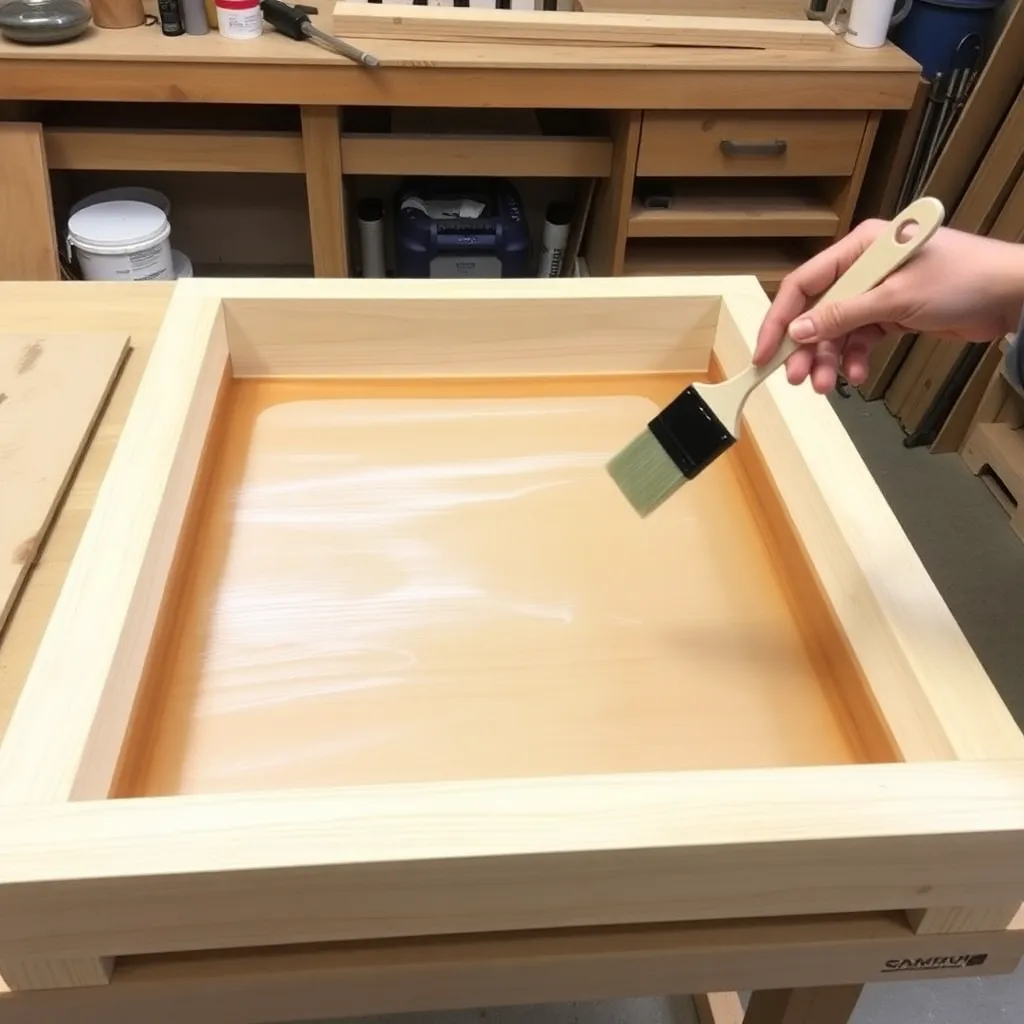
Frame finish:
- Sand all external surfaces to 120-grit
- Apply one coat of exterior water-based polyurethane (satin or semi-gloss) — this makes the frame easy to wipe down when muddy
- Two coats provide better moisture resistance if the bed will be used outdoors under a covered area
Non-slip feet:
Glue a small rubber furniture pad (1-inch round adhesive non-slip pads — sold in packs of 20 for $5) to the bottom of each leg. Without these, the lightweight frame slides on hard floors every time the dog jumps on it.
Alternative finish: painted frame
If the bed is primarily indoors, painting the frame with two coats of water-based latex paint in a furniture color (white, gray, walnut brown) makes it look like a piece of furniture rather than a shop project. Use the same paint as the baseboard trim for a seamlessly integrated look.
Step 5: Size and Add Optional Cushion
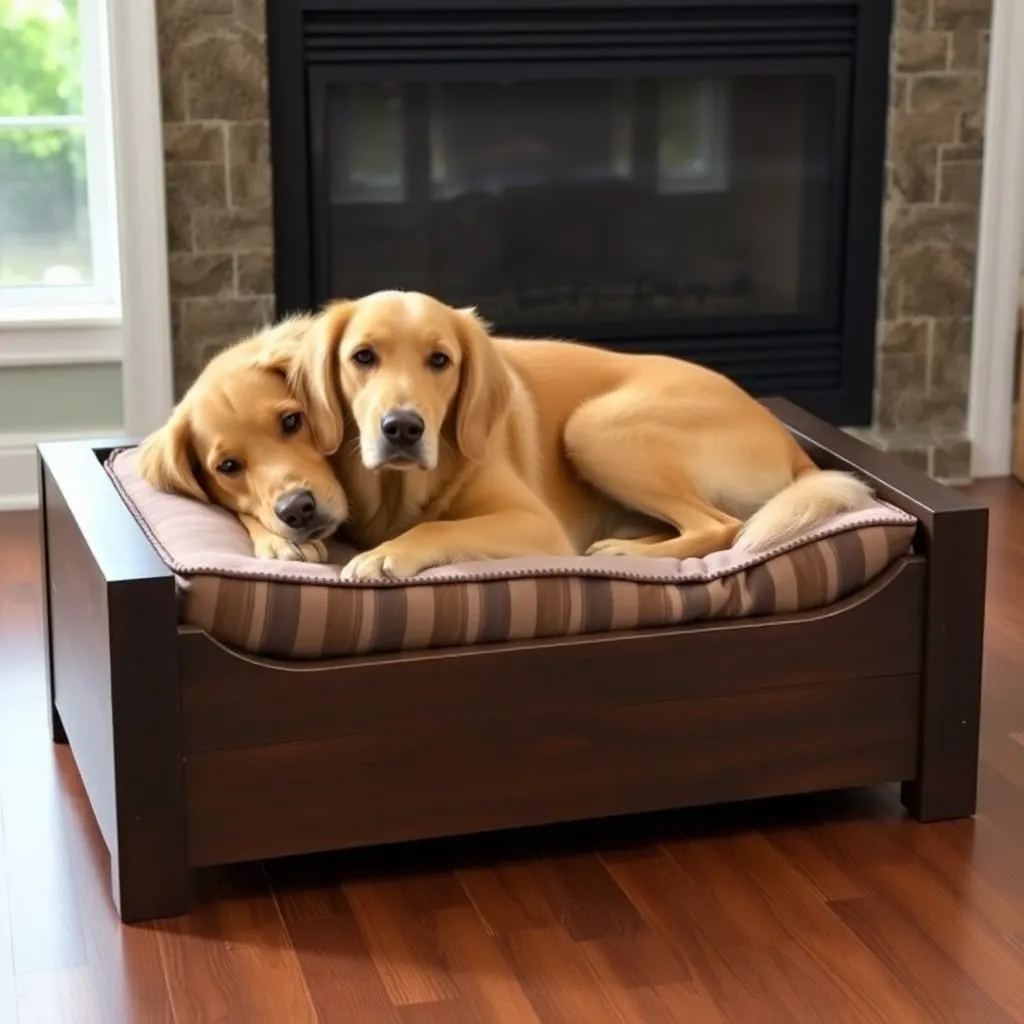
The elevated mesh surface is sufficient for most dogs — especially breeds with dense or double coats. For short-haired dogs or elderly dogs with thin skin, a cushion adds comfort without eliminating the airflow benefits.
Cushion options:
- A folded fleece blanket (free — use what the dog already uses)
- A custom-cut ½-inch closed-cell foam pad covered with washable fleece (cost: $8–$12)
- A cedar-filled pillow in an outdoor fabric cover — cedar repels fleas and moths
Cushion attachment:
If using a pad, add a strip of Velcro along each edge of the sleeping surface — one strip stapled to the webbing, one sewn to the underside of the cushion cover — so the pad stays in place when the dog rearranges it but can be removed for washing.
Elevated Dog Bed Plans FAQ
Why use an elevated dog bed instead of a stuffed bed?
Elevated beds last longer (no stuffing to compress), are cooler in summer (airflow on all sides), easier to clean (hose off or wipe down), and resist chewing better than stuffed beds. Stuffed beds are the most chewed and most replaced dog accessory — an elevated frame with mesh can outlast multiple stuffed replacements. The one downside: a puppy or senior dog with joint issues may prefer the cushioning of a stuffed bed, solved by adding a thin pad to the elevated frame.
What is the best height for a raised dog bed?
6 inches is the standard — it provides meaningful airflow under the bed, keeps the dog off cold and warm floors, and is low enough for senior dogs to step onto without a jump. For young, athletic large dogs, 8–10 inches works well. Avoid going higher than 10 inches for dogs with arthritis or hip dysplasia; for these dogs, add a small step stool alongside the bed.
What can I use for the sleeping surface?
1-inch polyester webbing woven in a grid (the commercial standard), outdoor mesh fabric (shade cloth), or a piece of breathable PVC-coated mesh fabric stretched and stapled across the frame. Avoid solid plywood (no airflow, hot in summer), regular fabric (sags and stretches permanently), and rope (gaps too large for small dogs — paws fall through).
How do I clean an elevated dog bed?
Wipe the frame with a damp cloth. Hose down the webbing surface and allow to air dry — the polyester webbing dries in 20–30 minutes. Deep clean by spraying with a diluted white vinegar solution (1:1 with water) to neutralize odors, then rinse with the hose. The entire bed can go outside for a wash. If there’s a fabric cushion, remove it and machine wash on a cold/gentle cycle.
How much weight can a DIY elevated dog bed hold?
A 2×3 Douglas fir frame with 1-inch polyester webbing holds 200+ lbs — far more than any dog. The limiting factor is the webbing tension, which can be re-tightened if it loosens after months of use by removing the staples, pulling the strand tight, and restapling.

“DIY woodworking enthusiast who started with zero experience and a YouTube tutorial.
I build simple, practical projects for my home and share free plans
so other beginners can skip the guesswork.If I can build it, you can too.”