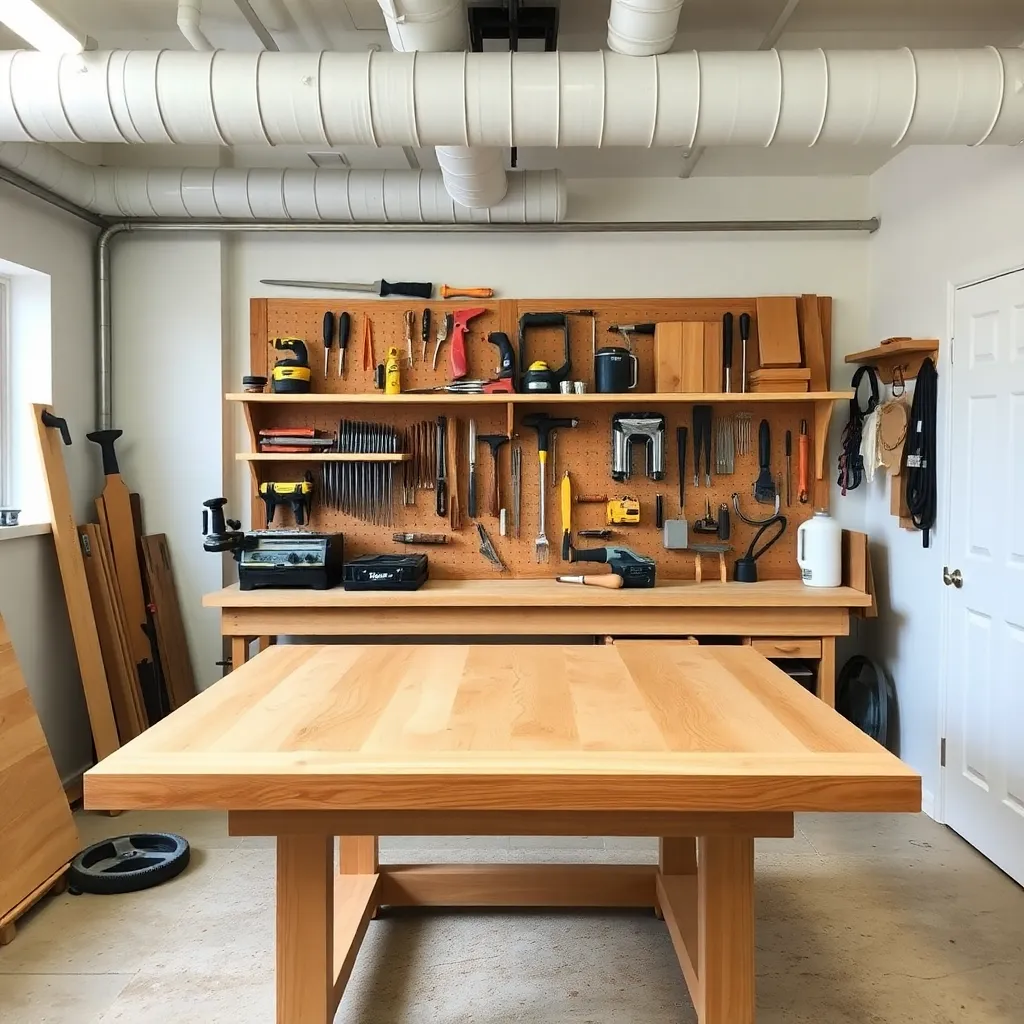
Setting up a woodworking shop is the foundation that determines how well every future project goes. The tools you choose matter, but where you put them, how you control dust, and how you organize your workspace determines whether the shop is a place you enjoy spending time or a frustrating obstacle course. This guide covers the two essential systems every woodworking shop needs: a proper workbench setup and an efficient layout paired with dust collection.
Workbench Plans
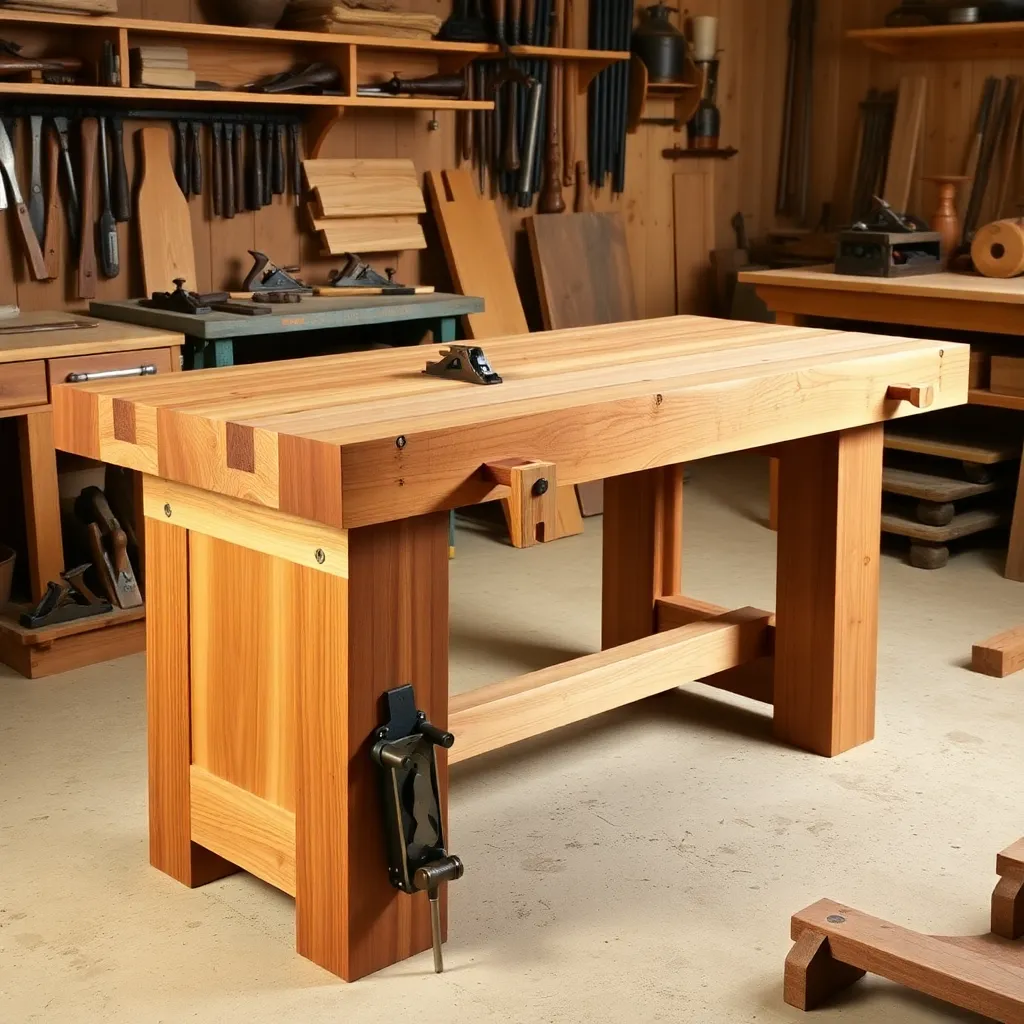
The workbench is the center of the woodworking shop — a properly designed bench makes hand tool work, assembly, and clamping dramatically more efficient. Whether you’re building a traditional joiner’s bench with a tail vise and dog holes, a simple weekend build from construction lumber, or a set of collapsible sawhorses for a job site, having the right bench for your work changes every project.
This section covers the complete range of workbench projects: traditional woodworking bench designs (Roubo, Nicholson, and split-top), simple DIY workbenches built in a weekend for under $150, garage workbenches with integrated storage and pegboard, collapsible sawhorse plans, wooden tool chest plans, and workbench top material comparisons. Every guide includes step-by-step instructions with cut lists and assembly sequences.
Key topics: woodworking bench design and vise selection, collapsible sawhorse plans, wooden tool box plans, DIY workbench step-by-step, garage workbench with storage, workbench top materials compared.
Shop Layout and Dust Collection
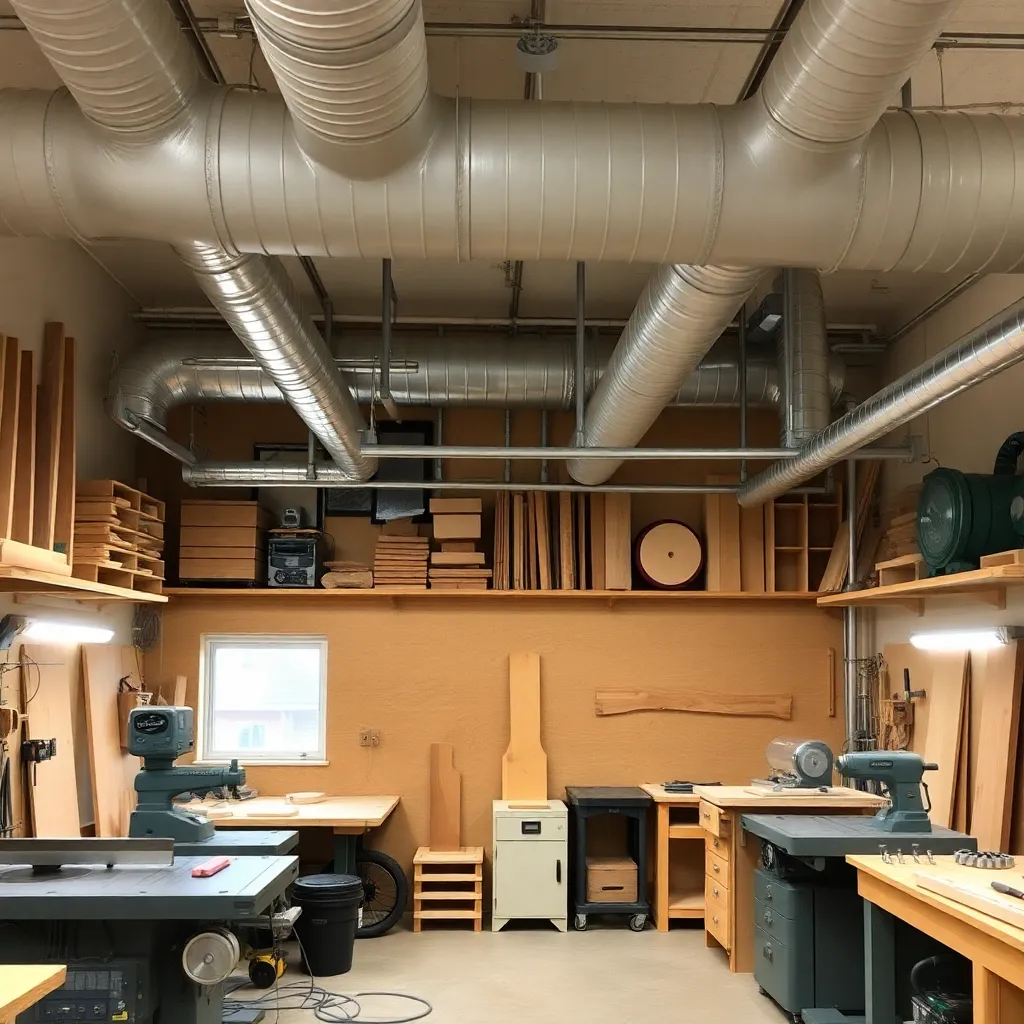
A well-planned workshop layout and effective dust collection system work together to create a shop that’s both efficient and safe. Machine placement determines workflow — lumber should move logically from rough stock to finished piece without backtracking. Dust collection protects your health across decades of woodworking — fine wood dust causes serious respiratory disease, and the collection system is not optional.
This section covers workshop layout planning from one-car garage to dedicated shop, dust collection system sizing and ductwork design, dust extractor comparisons (Festool, Milwaukee M18, Bosch), shop vac upgrades for fine dust capture, vacuum connections for sanders, and shop organization systems including French cleat tool walls and lumber storage.
Key topics: woodworking shop layout and machine placement, dust collection system design, best dust extractors for woodworking, shop vac dust collection upgrades, vacuum for sanding, shop organization and tool storage.
Woodworking Shop Setup FAQ
What do I need to set up a basic woodworking shop?
The minimum viable woodworking shop for furniture-scale projects: a workbench (even a simple construction-lumber bench for under $150), a table saw (the most versatile stationary machine), a set of hand tools for layout and joinery (marking gauge, chisels, hand saws, hand planes), and basic dust collection (at minimum, a shop vac with HEPA filter connected to your sander). With this foundation you can build most furniture projects. Add a jointer and thickness planer when you’re ready to start from rough lumber instead of S4S (surfaced four sides) boards from the home center.
How much space do I need for a woodworking shop?
You can do serious woodworking in a one-car garage (approximately 400 square feet) with careful layout planning. The key constraint is clearance around stationary machines — a table saw needs 8 feet of outfeed, a jointer needs 6 feet of infeed and outfeed. In a small shop, this means positioning machines on mobile bases and moving them when in use, or aligning the table saw’s outfeed with the open garage door. A two-car garage (440–480 square feet) provides enough space for permanent machine placement with full clearance.
What is the most important first purchase for a new shop?
The workbench — because every other operation in the shop eventually comes back to the bench. A good workbench (even a simple one) with a face vise transforms how you can work: hand planes have something to push against, assemblies have a flat reference surface, and clamping positions are always available. The table saw is the most powerful single machine purchase, but without a bench to work at, you’re doing layout on the floor and assembly on sawhorses. Build or buy a bench first.

“DIY woodworking enthusiast who started with zero experience and a YouTube tutorial.
I build simple, practical projects for my home and share free plans
so other beginners can skip the guesswork.If I can build it, you can too.”