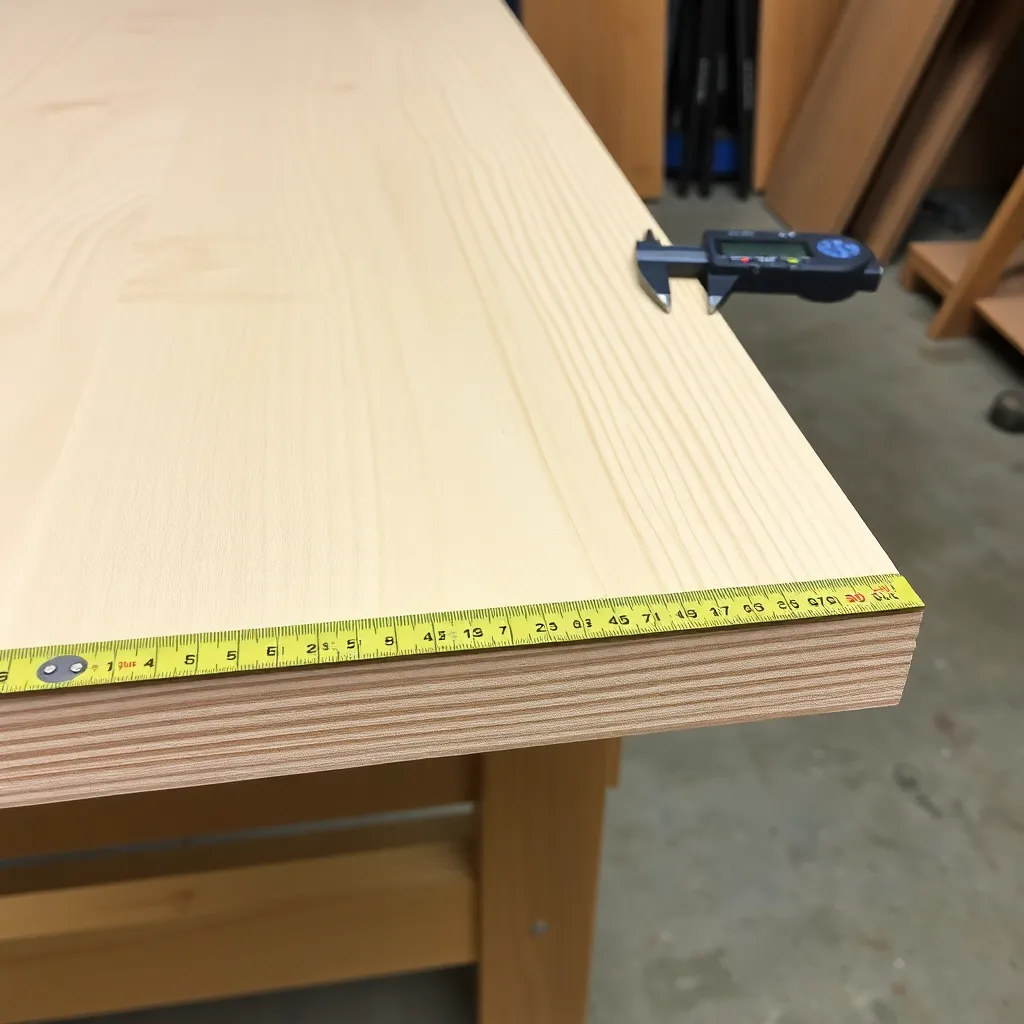
Plywood dimensions involve a consistent discrepancy between the nominal (labeled) size and the actual measurement — and getting this wrong throws off cabinet joints, dado widths, and sheet yield calculations. A sheet labeled “¾ inch” is actually 23/32 inch. A “4×8 foot” sheet is often 48×96 inches exactly, but sometimes slightly smaller. This guide covers actual vs nominal dimensions for all standard thicknesses, standard and non-standard sheet sizes, and how to use real dimensions in project planning.
Ted’s Woodworking has complete project plans with cut lists based on actual plywood dimensions. Browse Ted’s plans →
Step 1: Learn the Actual vs Nominal Thickness Chart
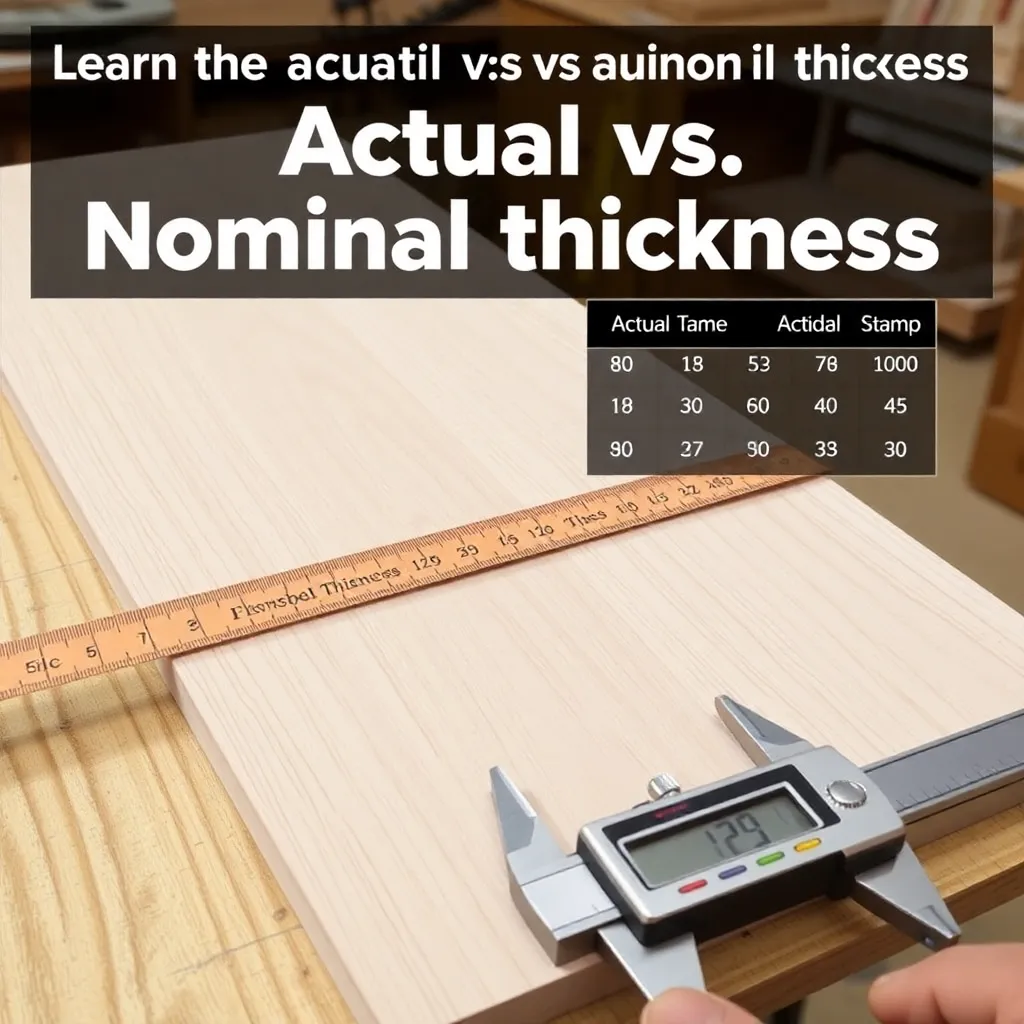
Goal: Memorize or reference the actual thickness for every common nominal thickness designation.
The thickness discrepancy exists because plywood is manufactured to metric dimensions in many cases, then sold with nominal inch designations. The actual thickness is always less than the nominal.
| Nominal Thickness | Actual Thickness | Decimal |
|---|---|---|
| ¼ inch | 7/32 inch | 0.219″ |
| ⅜ inch | 11/32 inch | 0.344″ |
| ½ inch | 15/32 inch | 0.469″ |
| ⅝ inch | 19/32 inch | 0.594″ |
| ¾ inch | 23/32 inch | 0.719″ |
Exception: Baltic birch is manufactured to metric dimensions and is typically sold as such — 18mm (0.709″), 12mm (0.472″), 9mm (0.354″), 6mm (0.236″). These are closer to but still not exactly the nominal inch equivalents.
Practical application: when sizing a dado to fit a ¾” shelf, set the dado width to 23/32″ (0.719″), not ¾” (0.750″). A snug fit is critical in cabinet joinery — a shelf that rattles in a dado looks unprofessional and weakens the joint.
Milestone: Measure three sheets of nominal ¾” plywood from different manufacturers and record the actual thickness. Note the variation.
Step 2: Know Standard Sheet Sizes
Goal: Understand the standard and available non-standard sheet sizes.
Standard North American sheet: 4 feet × 8 feet (48″ × 96″). This is the most widely available size at home centers and most lumber yards. The actual dimensions are typically exactly 48″×96″ — but measure to confirm, as some panels are slightly undersized (47.75″ or 95.75″).
5×5 foot sheets: Baltic birch is typically sold in 5×5 foot (60″×60″) sheets rather than 4×8. This affects cut list planning — more offcut waste for rectangular parts that don’t tile well in a 5×5 format.
4×10 foot sheets: available from specialty suppliers for long rip cuts (kitchen cabinet sides for tall cabinets, long stair stringers). Not stocked at most home centers.
2×4 foot project panels: pre-cut panels sold at some home centers for small projects. More expensive per square foot than full sheets but eliminate the need for a breakdown cut.
Half sheets (4×4 or 2×8): some suppliers sell half sheets. Convenient for projects that need only a few parts but still more expensive per square foot than full sheets.
Milestone: Calculate how many full 4×8 sheets you need for a simple 36″×18″×30″ cabinet (2 sides, top, bottom, back) using actual plywood dimensions.
Step 3: Understand Weight by Thickness and Type
Goal: Know plywood weights to plan material handling and structural calculations.
Plywood weight varies by species, core type, and thickness. These are approximate weights for a standard 4×8 sheet:
| Thickness | Softwood (CDX) | Hardwood Veneer | Baltic Birch | MDF Core |
|---|---|---|---|---|
| ¼” | 22 lbs | 25 lbs | 28 lbs | 32 lbs |
| ½” | 40 lbs | 45 lbs | 50 lbs | 60 lbs |
| ¾” | 60 lbs | 65 lbs | 70 lbs | 90 lbs |
Handling implications: a ¾” MDF-core sheet weighs 90 lbs — difficult to handle alone. Two-person handling or panel carts are required. Building large cabinets with MDF-core panels significantly increases the weight of the finished piece.
Structural calculation: for shelf load calculations, weight of the shelf panel plus the supported load must be known. A ¾” × 12″ × 36″ birch shelf weighs approximately 7 lbs — the shelf weight is usually minor compared to the contents.
Milestone: Pick up a full sheet of ¾” Baltic birch and estimate its weight, then check against the published specification.
Step 4: Calculate Sheet Yield for a Project
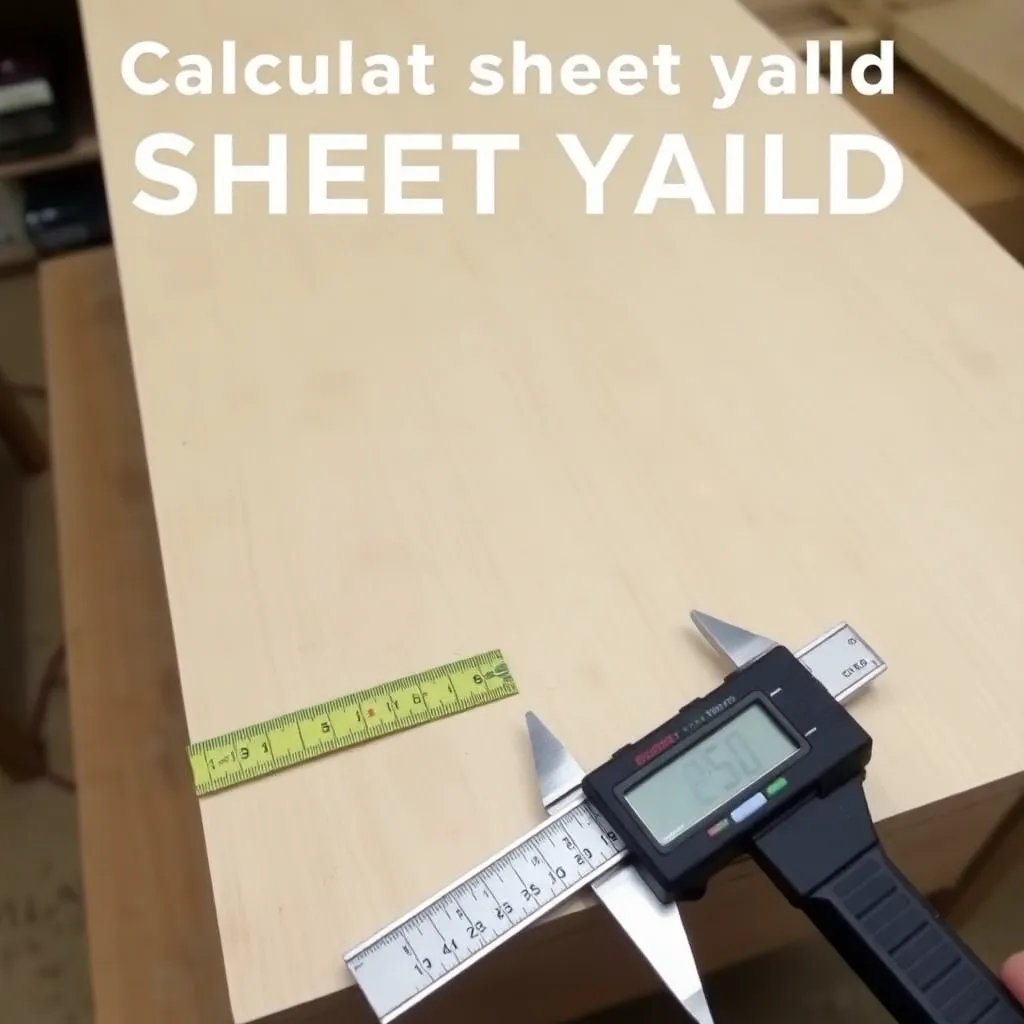
Goal: Determine how many sheets of plywood a project requires using a cut list.
Step-by-step yield calculation:
Example layout: for a simple wall cabinet (2 sides at 12″×30″, top and bottom at 12″×24″, back at 24″×30″):
Optimization tip: orient all parts with the long dimension in the same direction as the sheet’s long dimension — this minimizes the number of rip cuts and makes breakdown simpler.
Milestone: Create a cut diagram for a simple project’s cut list and verify everything fits within the allocated sheets.
Step 5: Plan for Kerf Width and Actual Dimensions in Joinery
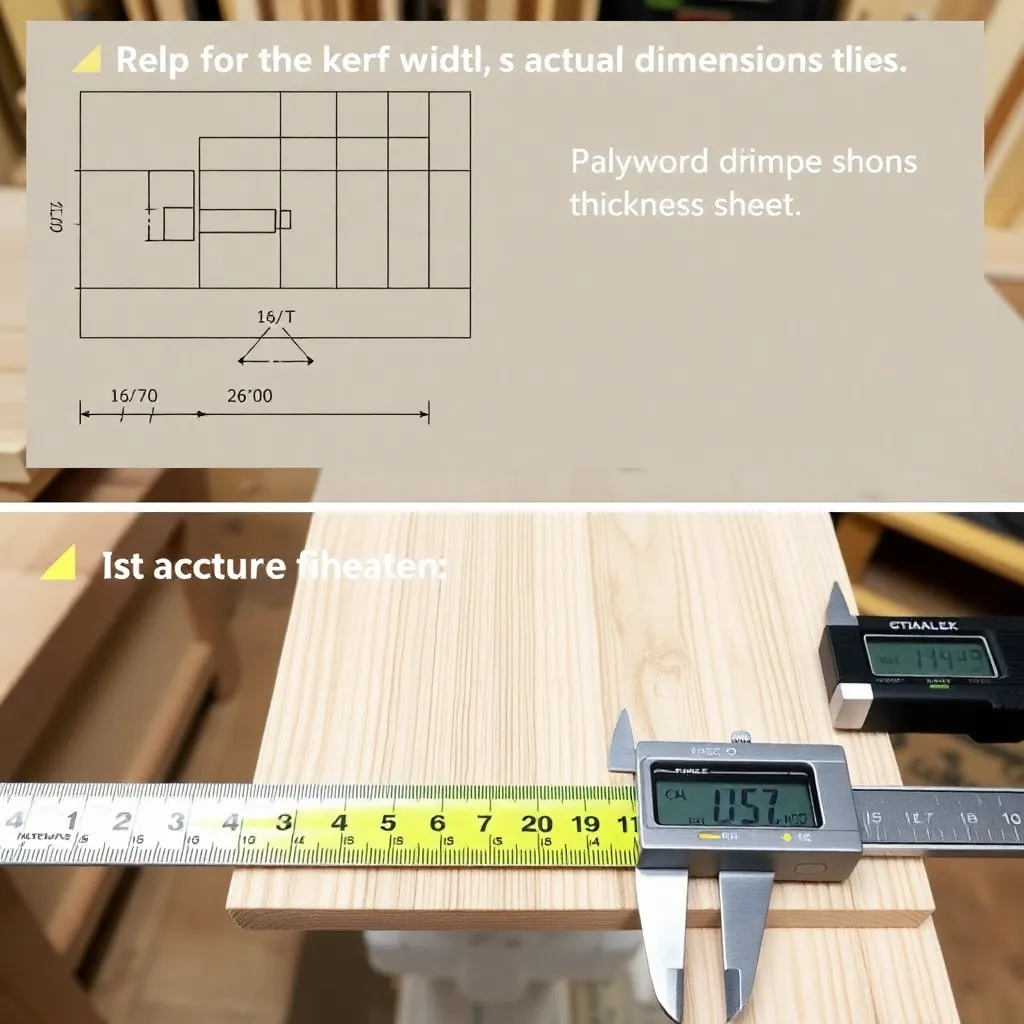
Goal: Adjust dado widths, rabbet depths, and joint dimensions to match actual plywood thickness.
The most common cabinet joinery mistake: routing a dado or cutting a rabbet to the nominal plywood thickness, then finding the actual plywood doesn’t fit.
Dado for a plywood shelf:
Rabbet for a plywood back panel:
Cabinet face frame reveal: when attaching a face frame to a plywood box, the face frame typically covers the plywood edge. The face frame is flush to the outside of the box — the inside of the face frame stile is the “inside” dimension of the opening. Measure from the inside face of the plywood side, not the outside.
Milestone: Set up a dado stack or router to cut a test dado, measure the actual plywood you’ll use with calipers, and adjust until the shelf slides in with a hand-fit.
Step 6: Account for Sheet Flatness and Quality Variation
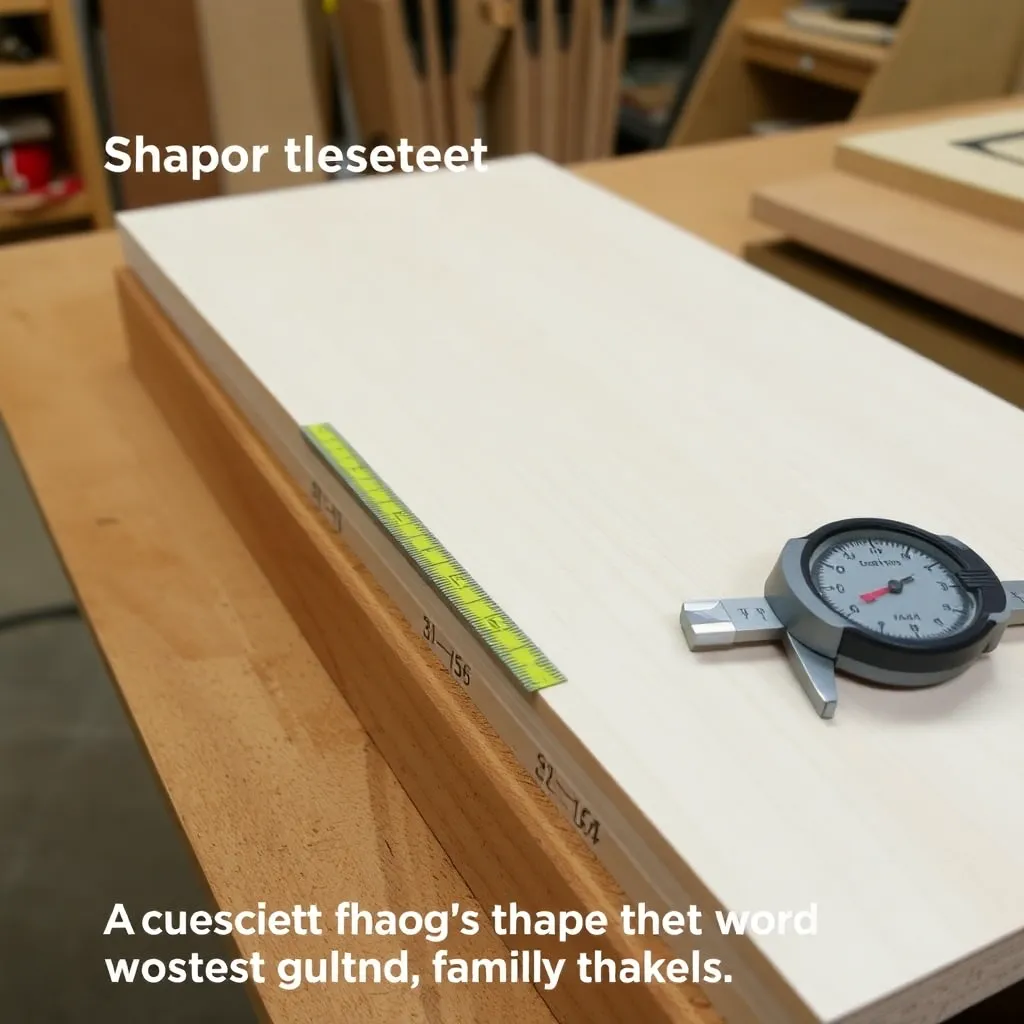
Goal: Inspect incoming plywood for flatness and thickness variation before building.
Plywood sheets are not always flat — bow, twist, and cup are common, especially in lower-grade panels and panels that have been stored improperly (standing vertically on one edge rather than lying flat).
Flatness check: lay the sheet on a flat surface (the shop floor works if it’s flat) and check all four corners and the center for contact with the surface. A sheet with bow or twist will rock or show gaps.
Thickness variation: measure multiple points across a sheet with calipers. A well-manufactured sheet should be within 1/64″ of consistent thickness across the face. Poor-quality panels may vary by more — a problem for dadoes that must fit consistently.
Storing plywood: store flat on a level surface with stickers between sheets for air circulation, or flat against a wall with consistent support along the full length. Never store panels leaning at an angle unsupported — they’ll bow permanently.
Handling warped panels: mild bow can be removed by wetting the concave face, placing the panel face-down on a flat surface with weight on it, and allowing it to dry. Severe bow usually indicates a quality problem — return the panel if possible.
Milestone: Measure the thickness variation at four corners and the center of one sheet from your current supply and note the range.
Plywood Dimensions FAQ
What are standard plywood sheet sizes?
The standard North American plywood sheet is 4 feet × 8 feet (48″×96″). This is what’s stocked at home centers and most lumber yards. Baltic birch is sold in 5×5 foot (60″×60″) sheets from specialty importers. Some suppliers carry 4×10 foot sheets for long applications. Half sheets (4×4 or 2×8) and project panels (2×4) are also available at higher per-square-foot cost. For construction applications, 4×8 is universal. For shop cutting, it’s worth calling your supplier to confirm whether they stock 4×10 if you need long rip cuts.
Why is ¾ inch plywood actually 23/32 inch?
Plywood is manufactured to metric thicknesses in most countries, including North American manufacturers who have largely adopted metric production standards. The 23/32″ dimension is the metric equivalent (approximately 18mm = 0.709″) rounded to the nearest imperial fraction. The “¾ inch” label is the nominal (approximate) dimension used for ordering convenience. The actual dimension matters for joinery — a dado cut to true ¾” (0.750″) will be loose around actual 23/32″ (0.719″) plywood, and a shelf that rattles in a dado looks unprofessional and is weaker than a snug fit.
How much does a sheet of ¾ inch plywood weigh?
A full 4×8 sheet of ¾” (23/32″) plywood weighs approximately 60–70 lbs for standard softwood or hardwood veneer construction, and up to 90 lbs for MDF-core panels. Baltic birch ¾” (18mm) weighs approximately 65–75 lbs per 5×5 sheet. These weights are for full sheets — the weight per square foot is approximately 1.9–2.8 lbs/sq ft depending on core type and species. For safe solo handling: use a panel cart or cut panels to smaller sizes before carrying them. For cabinets installed on walls: MDF-core cabinets are noticeably heavier than veneer-core, which affects the wall fastening requirements.
Can I get plywood in sizes other than 4×8?
Yes, though availability varies by supplier. Common non-standard sizes: 4×10 foot (for tall cabinet side panels without a horizontal joint), 5×5 foot (Baltic birch standard), and 2×4 or 4×4 project panels. Some specialty wood retailers offer large-format sheets up to 5×12 feet for high-end furniture makers. If you need a specific non-standard size, check with local hardwood dealers or specialty plywood distributors rather than home centers. For most cabinet and furniture work: 4×8 is the right choice — the size is optimized for standard construction dimensions (8-foot ceiling heights, 96-inch kitchen runs).

“DIY woodworking enthusiast who started with zero experience and a YouTube tutorial.
I build simple, practical projects for my home and share free plans
so other beginners can skip the guesswork.If I can build it, you can too.”