Part of: Wood Finishing Techniques →
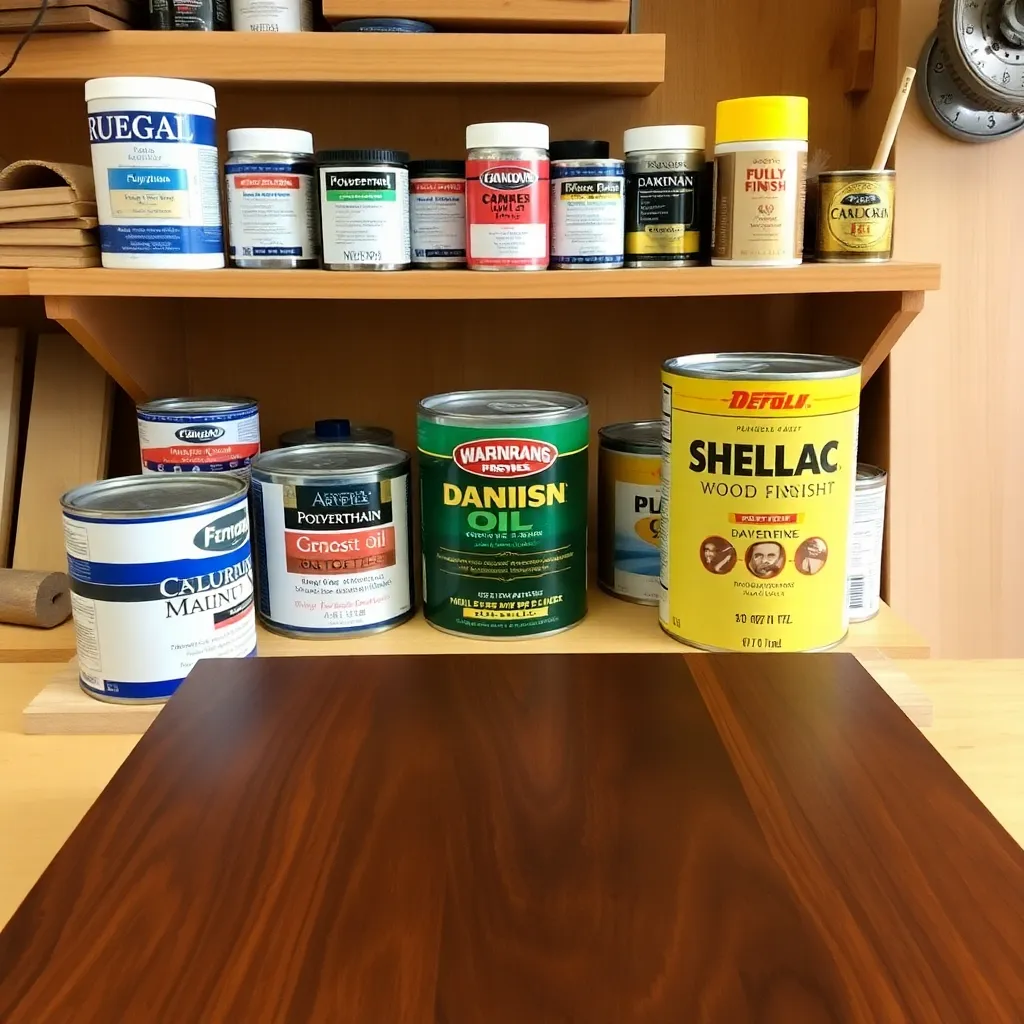
The topcoat finish is what transforms a woodworking project from “nice wood” to a finished piece — it seals and protects the surface, enhances the wood’s natural color, and determines how the piece will look and feel for the next 50 years. Polyurethane, lacquer, shellac, oil finishes, varnish, and hard wax oil each have specific strengths, weaknesses, and appropriate uses. Choosing the wrong finish means a tabletop that peels, an outdoor piece that grays out in a season, or a furniture piece that feels sticky. This guide covers the major wood finish categories and how to choose, apply, and maintain each.
Ted’s Woodworking has 16,000+ plans with complete finishing specifications for every project type. Browse Ted’s plans →
Step 1: Understand the Main Finish Categories
Goal: Know the primary finish types and what each provides.
Penetrating finishes:
Oil finishes (linseed oil, tung oil, Danish oil) soak into the wood fibers rather than forming a film on the surface. The finish becomes part of the wood rather than sitting on top of it. Result: a natural, low-sheen appearance that feels like wood rather than plastic. Protection: minimal — oils repel water somewhat but provide no meaningful resistance to abrasion or heat. Easy to apply (wipe on, wipe off) and repair (sand and recoat the damaged area). Best for: decorative pieces, hand tools, craft projects, any application where “natural” feel matters more than protection.
Film-forming finishes:
Polyurethane, lacquer, shellac, and varnish all form a protective film on the surface of the wood. The film provides the protection — it must be intact to protect the wood underneath. When a film finish scratches or chips, the wood beneath is exposed. Best for: tabletops, floors, and any surface that will see heavy use.
Hard wax oils:
A hybrid category — they penetrate the wood like an oil finish but also deposit a thin wax film on the surface that provides more protection than pure oil. Originated in Scandinavia for hardwood floors. Used increasingly on furniture tabletops and countertops. Easier to maintain than film finishes (just reapply wax to the worn area) but require more frequent maintenance than polyurethane.
Milestone: Determine the use of the piece being finished: heavy use (tabletop, floor) → film finish; decorative (carved piece, decorative bowl, tool handle) → penetrating oil.
Step 2: Polyurethane — The Most Common Protective Finish
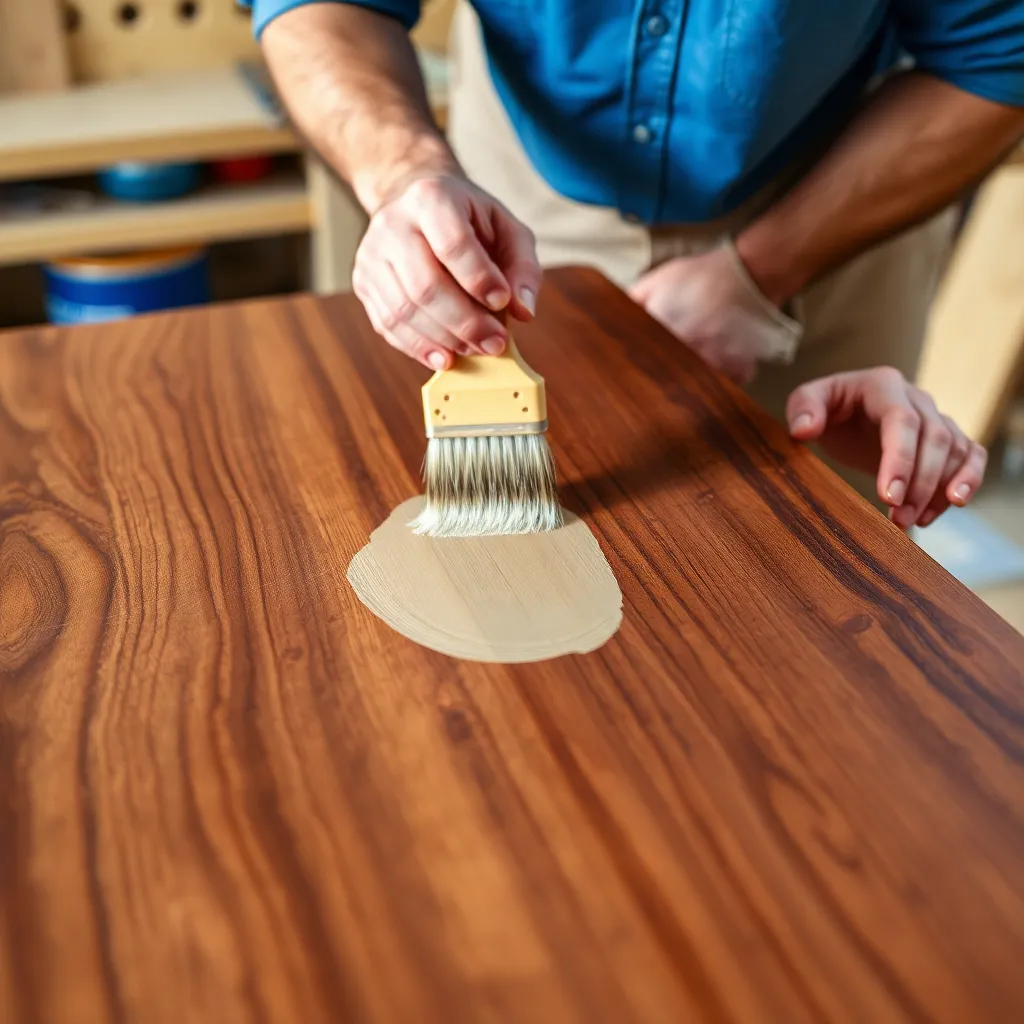
Goal: Apply polyurethane correctly for maximum durability and appearance.
Oil-based polyurethane:
The standard for tabletop protection. Hard, durable film that resists water, alcohol (moderately), and abrasion. Amber-toned — adds warmth to the wood. Dry time: 24 hours between coats; full cure: 7–30 days. Cleanup with mineral spirits.
Water-based polyurethane:
Clear (no amber tone — maintains the natural wood color). Fast dry time (2–4 hours between coats). Low VOC. Slightly less durable than oil-based at equivalent coat count. Raises grain on the first coat (sand lightly with 220-grit before second coat). Cleanup with water.
Application procedure:
- Sand the bare wood to 150–180 grit; vacuum and wipe with a tack cloth
- Apply a thin first coat with a good-quality brush (natural bristle for oil-based, synthetic for water-based), brushing with the grain
- Allow to dry completely; sand lightly with 320-grit to knock down any dust nibs
- Apply a second coat; sand again
- Apply a third coat; this is the finish coat — don’t sand unless doing a full rub-out
- Optional: rub out the final coat with 400-grit and automotive rubbing compound for a smooth, semi-gloss result
- When spray equipment is available and ventilation is adequate
- For pieces requiring a very smooth, hard, clear surface
- For production work where fast turnaround matters
- For repairs and touch-ups (lacquer re-melts into itself, making spot repairs almost invisible)
- Oily woods (teak, rosewood, cocobolo) that resist oil-based finishes
- Silicone contamination on wood from furniture polish
- Stains that might bleed through into the topcoat
- New lumber with resin pockets
- Apply liberally with a cloth — flood the surface
- Allow to penetrate 15–30 minutes (the wood drinks in as much as it will absorb)
- Wipe off all excess — no excess oil should remain on the surface when cured
- Allow to dry completely before the next coat (24–48 hours)
- Light sanding with 400-grit between coats is optional but produces a smoother result
- Repeat until the wood no longer absorbs the oil (typically 3–5 coats)
Number of coats: 3 coats minimum for tabletops; 2 coats for less-used surfaces. Oil-based polyurethane builds faster (each coat is thicker) — 3 coats of oil-based provides similar protection to 4–5 coats of water-based.
Milestone: Apply 3 coats to a scrap piece, sanding between each, and evaluate the surface. The final coat should be smooth and even with no brush marks.
Step 3: Lacquer — The Professional Standard
Goal: Understand lacquer application and when it’s the right choice.
Nitrocellulose lacquer:
The traditional spray-applied finish used in professional furniture shops for decades. Fast-drying (handles in 15–30 minutes, recoat in 30–60 minutes), clear, hard, and produces a very smooth film that buffs to a flawless finish. Excellent sandability — each coat partially dissolves into the previous, creating an integrated film. Highly flammable; requires good ventilation and explosion-proof spray equipment.
Water-based lacquer:
Lower VOC, lower flammability, fast dry. Slightly less clarity than nitrocellulose; some water-based lacquers have a slight blue cast on light woods. The choice for shops that can’t have solvent-based finishes.
Brushing lacquer:
A slower-evaporating formulation of lacquer designed for brush application. Provides most of the benefits of spray lacquer without requiring spray equipment. Can be applied with a good brush in a slow, deliberate stroke — the slower evaporation gives it time to level before setting. Sand between coats with 320–400 grit.
When to use lacquer:
Milestone: Test brushing lacquer on a flat panel piece first — the technique is more demanding than brushing polyurethane, but the faster dry time means mistakes are quickly buried under the next coat.
Step 4: Shellac — The Versatile Natural Finish
Goal: Know how to use shellac as a sealer, standalone finish, and adhesion promoter.
What shellac is:
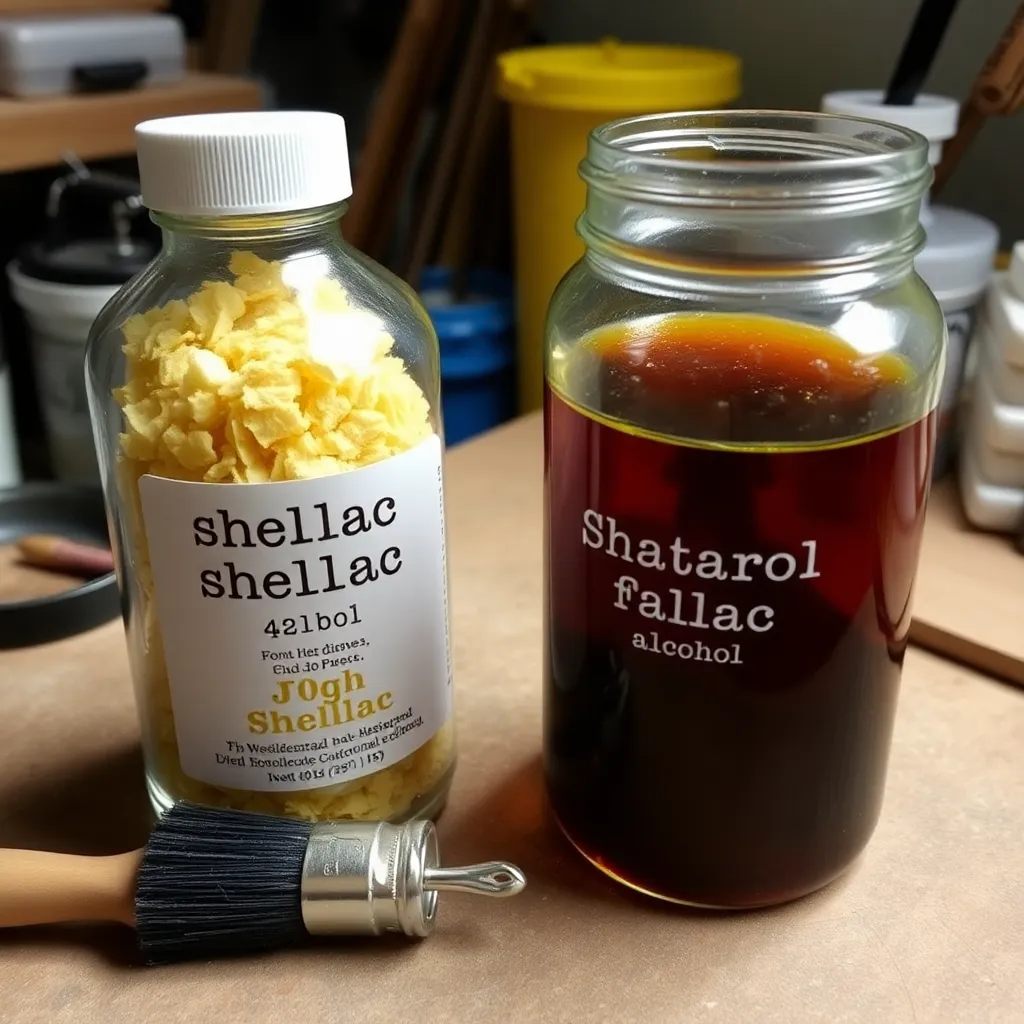
Shellac is a natural resin secreted by the lac beetle and dissolved in denatured alcohol. Sold as flakes (to be dissolved in alcohol) or pre-mixed in a can (Zinsser Bulls Eye Shellac, Zinsser SealCoat). The ratio of shellac to alcohol is the “cut” — a 2-lb cut has 2 lbs of shellac per gallon of alcohol.
Shellac as a standalone finish:
Traditional furniture finish with excellent warm amber tone. Not water-resistant (water rings in shellac are a classic furniture problem); not heat-resistant; not appropriate for tabletops that will see glasses or hot dishes. Excellent for decorative pieces, musical instruments, and antique-reproduction furniture. Applied by brush, rag (the “padding” technique), or spray.
Shellac as a universal sealer:
Dewaxed shellac (Zinsser SealCoat) sticks to everything and accepts any topcoat. Use it to seal:
Applied as a sealer coat, shellac is then topcoated with polyurethane, lacquer, or varnish. One caveat: regular shellac (with wax) is not compatible with water-based topcoats — use only dewaxed shellac (SealCoat) as a sealer under water-based finishes.
Pre-mixed shelf life: pre-mixed shellac in a can has a shelf life of approximately 3 years from manufacture date (check the bottom of the can). Expired shellac won’t dry properly. When in doubt, mix fresh from flakes.
Milestone: Use dewaxed shellac as a sealer on your next project’s most demanding areas (oily end grain, boards with knots) before the primary topcoat.
Step 5: Oil Finishes — Natural Look and Feel
Goal: Apply oil finishes correctly for maximum penetration and protection.
Pure tung oil:
Derived from the nut of the tung tree. Penetrates wood deeply, cures by oxidation (reacts with oxygen) to form a durable, water-resistant film within the wood fibers. Very slow dry time (several days per coat). Usually requires 3–5 coats for adequate protection. Produces a beautiful, warm, natural appearance. Food-safe when fully cured. “Pure tung oil” must say “100% pure tung oil” on the label — many products called “tung oil finish” are wiping varnishes that contain minimal actual tung oil.
Danish oil:
A blend of oil (tung or linseed) and varnish. Provides more protection than pure oil (the varnish component builds a thin film), cures faster (24–48 hours between coats), and is easier to apply. The most practical oil finish for most woodworkers. Available in natural (no color change) and tinted versions. 2–4 coats for typical furniture; more for high-use surfaces.
Linseed oil (boiled):
Raw linseed oil dries too slowly to be practical (weeks per coat). Boiled linseed oil (BLO) has metallic driers added that speed curing (24–48 hours). Very inexpensive and widely available. Less water-resistant than tung oil; yellows significantly over time. Best for: exterior wooden items (tool handles, fence rails, garden furniture) where the yellowing doesn’t matter. SAFETY: oily rags soaked in linseed oil can spontaneously combust — lay them flat to dry outdoors before disposal.
Application of oil finishes:
Milestone: After applying 3 coats of Danish oil to a test piece, test water resistance by placing a drop of water on the surface and watching it bead for several minutes — adequate oil penetration produces this effect.
Step 6: Choosing the Right Finish for Each Application
Goal: Match the finish to the specific use of each piece.
| Application | Recommended Finish | Why |
|---|
|————-|——————-|—–|
| Dining table | Oil-based polyurethane (3+ coats) | Maximum abrasion and water resistance |
|---|---|---|
| Coffee table | Water-based poly or lacquer | Clear tone; moderate durability adequate |
| Kitchen cabinet doors | Conversion varnish or catalyzed lacquer | Hard, cleaning-product resistant |
| Outdoor furniture | Exterior spar varnish or teak oil | UV resistance and water resistance |
| Hand tools | Linseed oil or tung oil | Penetrating protection; easy to touch up |
| Carved decoration | Shellac or Danish oil | Natural appearance; not subject to abrasion |
| Floors | Water-based poly (hardwood floors) or hard wax oil | Floor-rated durability; easy maintenance |
| Children’s toys | Pure tung oil or hard wax oil (food-safe cured) | Non-toxic when cured |
| Musical instruments | Nitrocellulose lacquer | Traditional; excellent acoustic properties |
The sheen question: choose the sheen (matte, satin, semi-gloss, gloss) based on the piece’s style and use. Gloss on a dining table shows every fingerprint; satin is more forgiving and looks more refined. Matte on an accent piece can look intentionally rustic. Most modern furniture looks best in satin (25–40 sheen).
Milestone: For each piece in your current project list, write down the finish type and sheen level before starting — having the decision made before you start avoids indecision mid-project.
Wood Finishes FAQ
What is the most durable wood finish?
Two-part catalyzed finishes (conversion varnish, catalyzed lacquer) are the most durable wood finishes available — they use a chemical hardener that produces a cross-linked polymer film that resists water, heat, chemicals, and abrasion far better than standard oil-based polyurethane. These are professional-grade finishes used in kitchen cabinet manufacturing. For the DIY woodworker without spray equipment and a spray booth: oil-based polyurethane is the most practical durable finish, providing excellent protection with brush application. Among oil-based polyurethanes: Arm-R-Seal (General Finishes), Minwax Helmsman Spar Urethane (for exterior), and Waterlox (tung oil varnish) are among the most durable consumer products.
Can I apply water-based finish over oil-based stain?
Yes — but wait until the oil-based stain is completely dry (8–24 hours under normal conditions; 48+ hours in cold or humid conditions). The test: press a white cloth to the stained surface; if no color transfers, the stain is dry enough. A dewaxed shellac sealer coat between oil-based stain and water-based topcoat prevents any stain bleed-through and improves adhesion. Without the shellac sealer, apply a thin test coat of water-based finish and let it dry before proceeding — if it adheres well and shows no color contamination, you can proceed without the sealer step.
How many coats of finish does a tabletop need?
A minimum of 3 coats of oil-based polyurethane or 4–5 coats of water-based polyurethane for a tabletop that will see daily use. The first coat soaks slightly into the wood and raises grain; the second and third coats build the protective film. For a dining table: 4 coats oil-based (sanded to 320 between each, rubbed out with 400-grit and rubbing compound after the final coat) provides an excellent result. For a shop workbench where protection matters less than quick application: 2 coats is adequate. The film thickness matters more than coat count — each coat must be dry and sanded before the next for the coats to bond properly.
What is the difference between varnish and polyurethane?
Traditional varnish is an oil-and-resin blend (typically alkyd resin) that cures by oxidation. Polyurethane is a varnish formulated with polyurethane resin, which produces a harder, more abrasion-resistant film than alkyd varnish. All polyurethanes are technically varnishes, but not all varnishes are polyurethanes. For most woodworking applications, “varnish” and “polyurethane” are used interchangeably by many woodworkers — what matters is the specific formula: look for the polyurethane designation on the label for maximum hardness and abrasion resistance. Spar varnish (exterior varnish) is typically alkyd-based with added UV inhibitors — more flexible than polyurethane (which cracks as wood moves outside) and more appropriate for outdoor use.

“DIY woodworking enthusiast who started with zero experience and a YouTube tutorial.
I build simple, practical projects for my home and share free plans
so other beginners can skip the guesswork.If I can build it, you can too.”