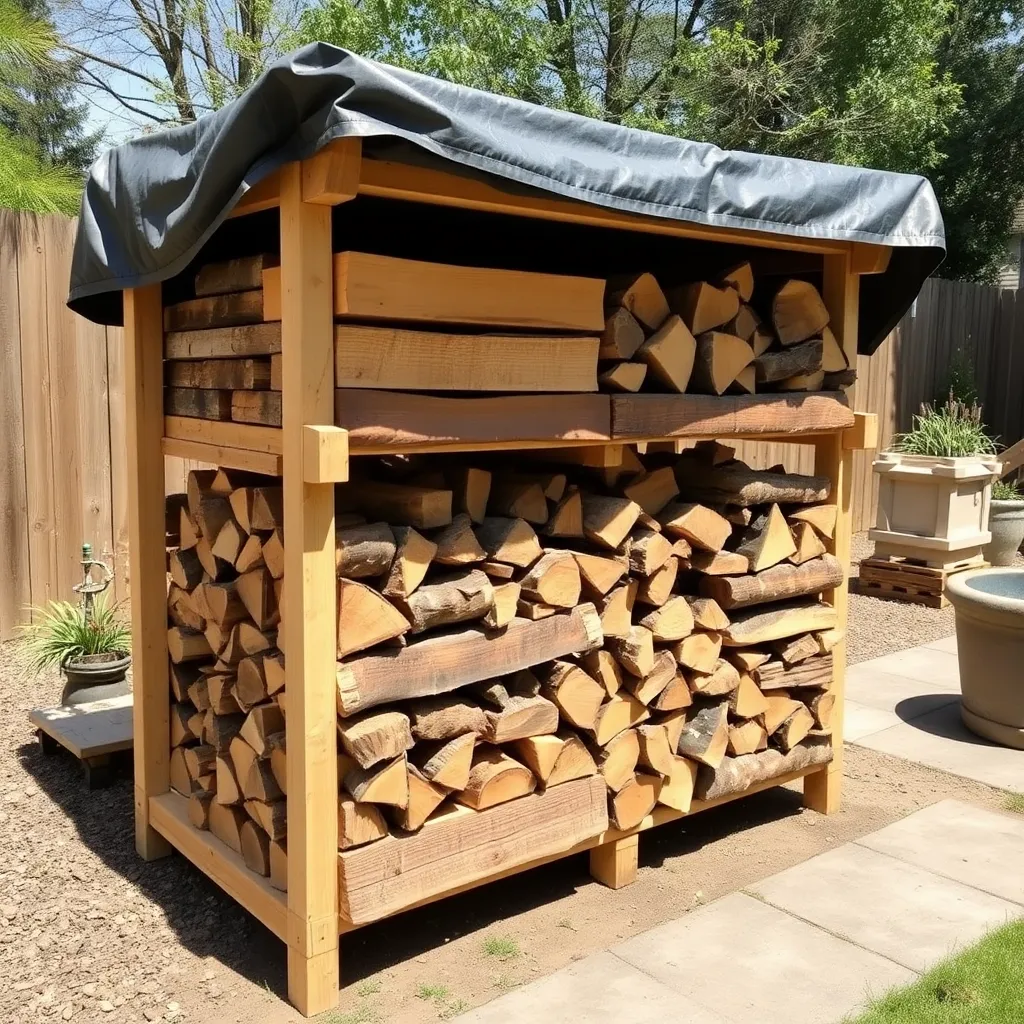
Firewood stored correctly burns better, lasts longer, and costs less in the long run. Wet wood has 25% less heat output than properly seasoned wood and produces three times as much creosote in your chimney — the buildup that causes chimney fires. The difference between good and bad firewood storage is airflow, rain protection, and keeping the wood off the ground. These six DIY firewood storage solutions cover every situation: a simple backyard rack, a covered firewood shed, an indoor log holder, a decorative storage box, an outdoor covered rack system, and a complete storage area plan that handles a full cord of wood.
Ted’s Woodworking has complete firewood storage plans including sheds, racks, and indoor holders with cut lists and hardware specs. Browse Ted’s storage plans →
Part of our complete guide to Shed and Outdoor Structure Plans — six outdoor builds for your backyard.
Firewood Storage Ideas
Before building anything, choose the right system for your situation. Firewood storage ideas cover every storage type from a $20 DIY steel-pipe rack to a full firewood shed with double doors — with a comparison table matching storage type to wood volume, available space, and budget. Includes tips for stacking technique (bark up vs. bark down, end-grain ventilation) that can cut seasoning time by 4–6 weeks.
Firewood Shed Plans
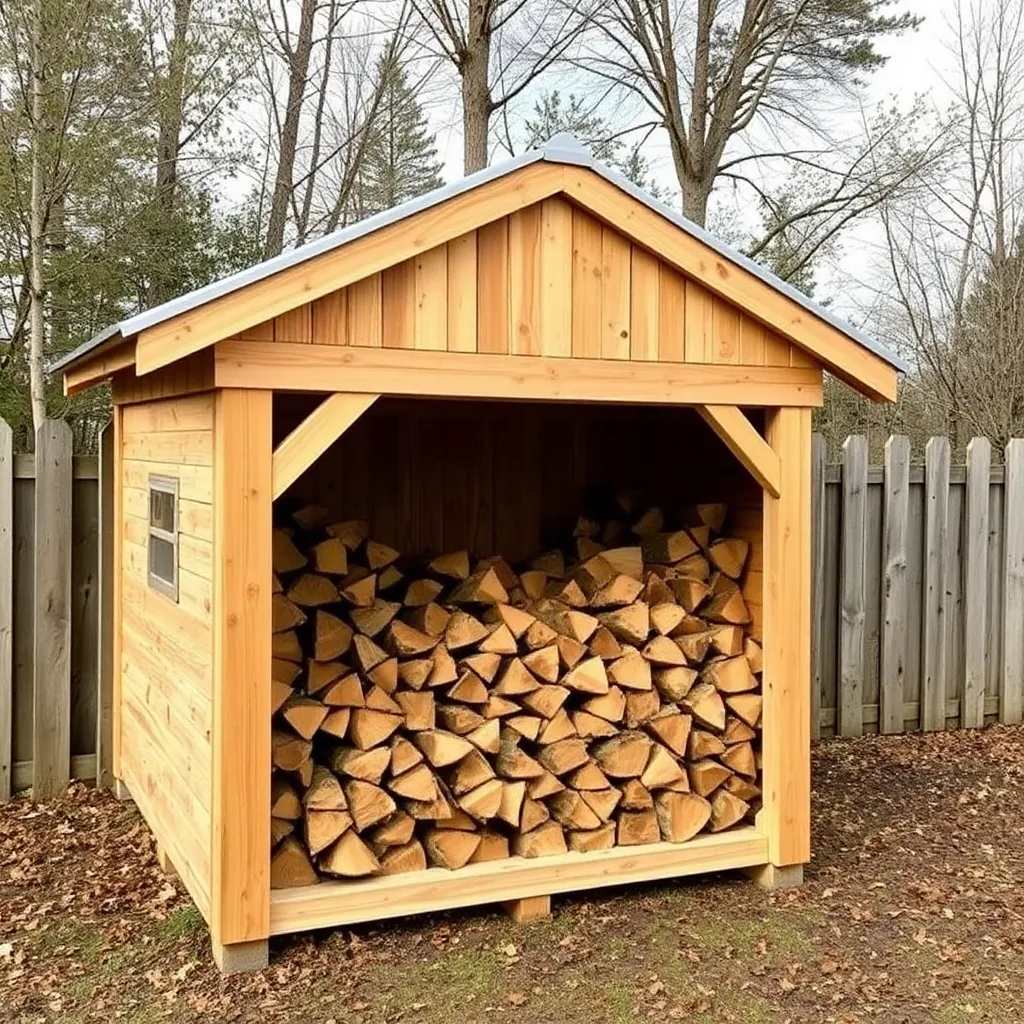
A dedicated firewood shed is the best long-term storage solution for anyone burning more than half a cord per season. Firewood shed plans cover a 4×8-foot open-front shed with a shed roof, two side walls, a back wall, and a gravel floor — built from pressure-treated lumber and metal roofing for under $350. The open front allows maximum airflow while the roof keeps rain and snow off the wood. Stores a full cord (128 cubic feet) when stacked properly.
Firewood Rack Plans
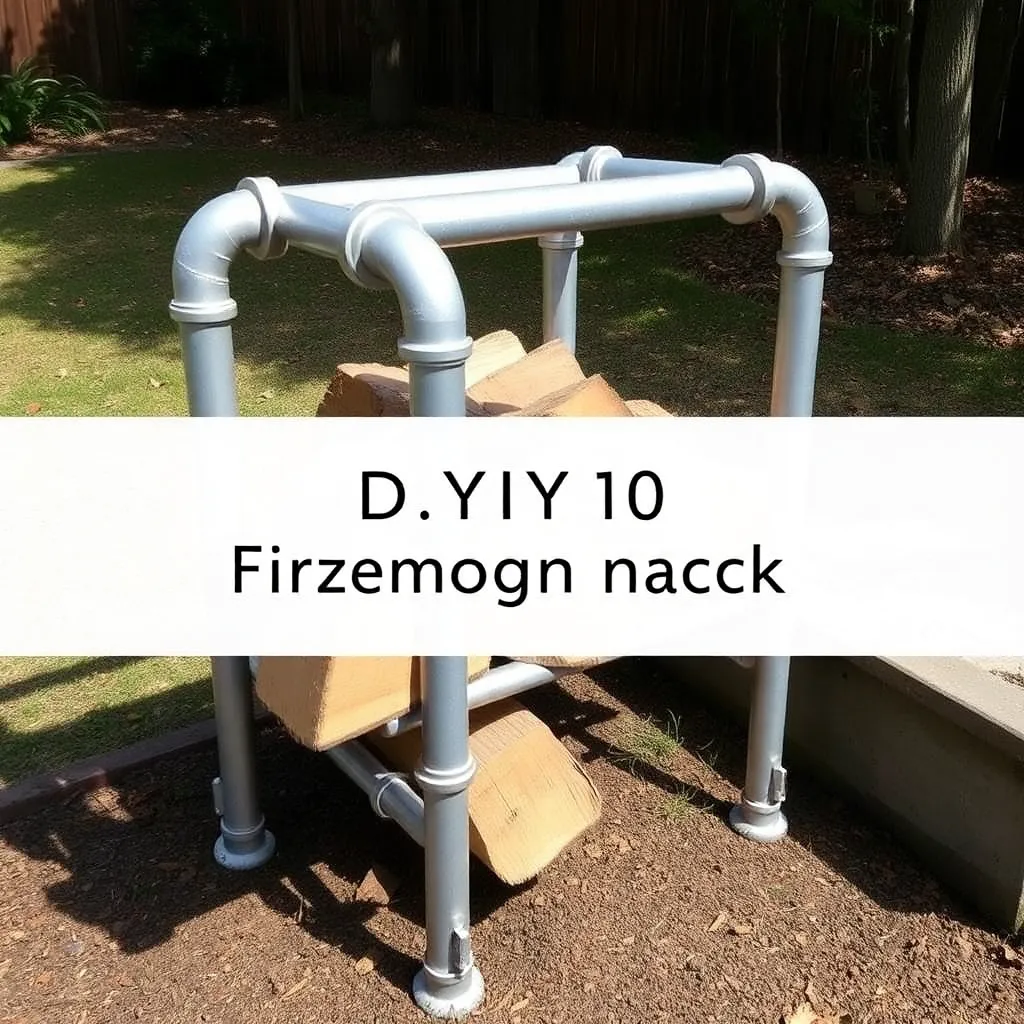
A simple firewood rack is the fastest and cheapest storage solution — buildable in an afternoon from standard lumber or steel pipe for under $60. Firewood rack plans cover a 4-foot steel-pipe rack (the most weather-resistant option), a 8-foot lumber rack for high-volume storage, and a small 2-foot rack for a porch or deck where appearance matters. All three designs keep wood elevated off the ground and allow air circulation on all sides.
Indoor Firewood Storage
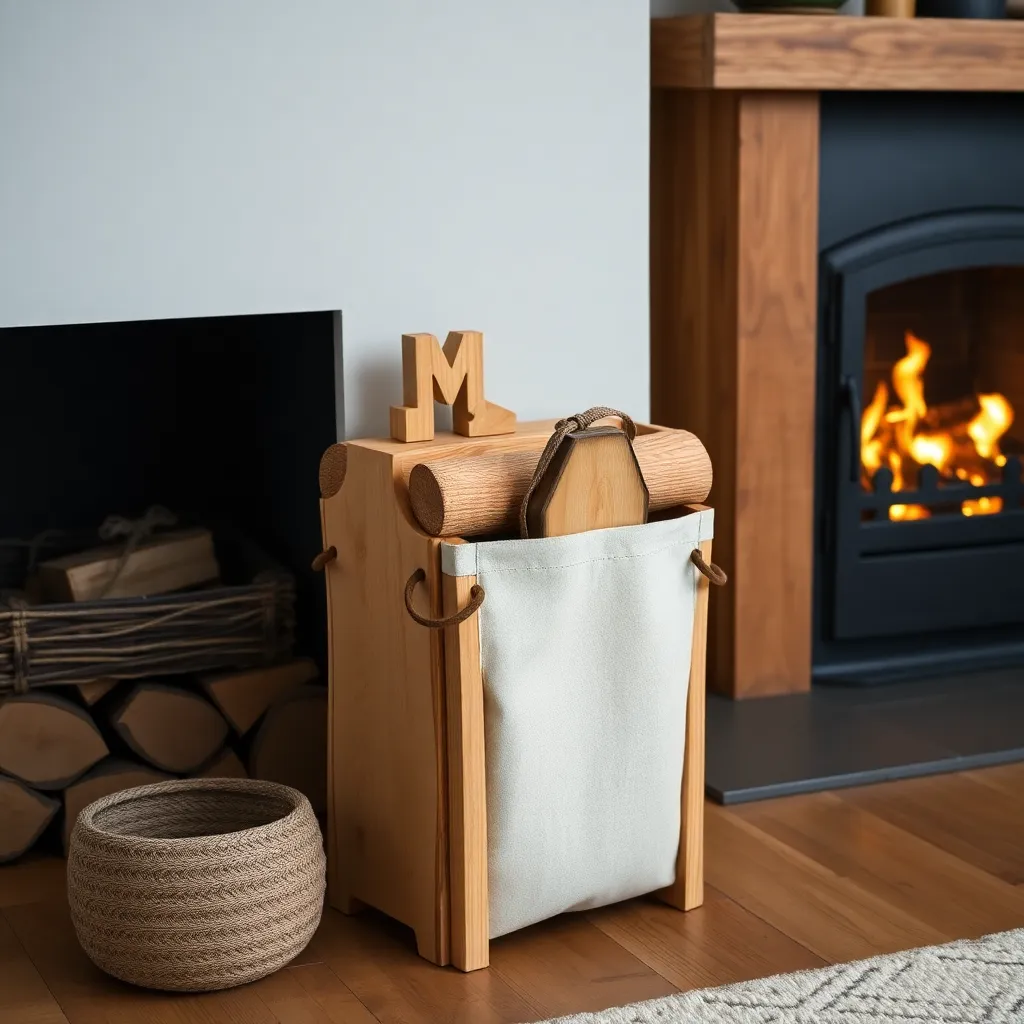
Bringing firewood inside keeps it dry and within arm’s reach on cold nights, but it requires a holder that fits the living space without looking out of place. Indoor firewood storage covers a Scandinavian-style birch log holder, a steel-and-wood modern rack, and a built-in alcove with a decorative face for homes with a dedicated log nook. All three hold 1–3 nights of firewood and are sized to fit beside a fireplace or wood stove.
Firewood Storage Box Plans
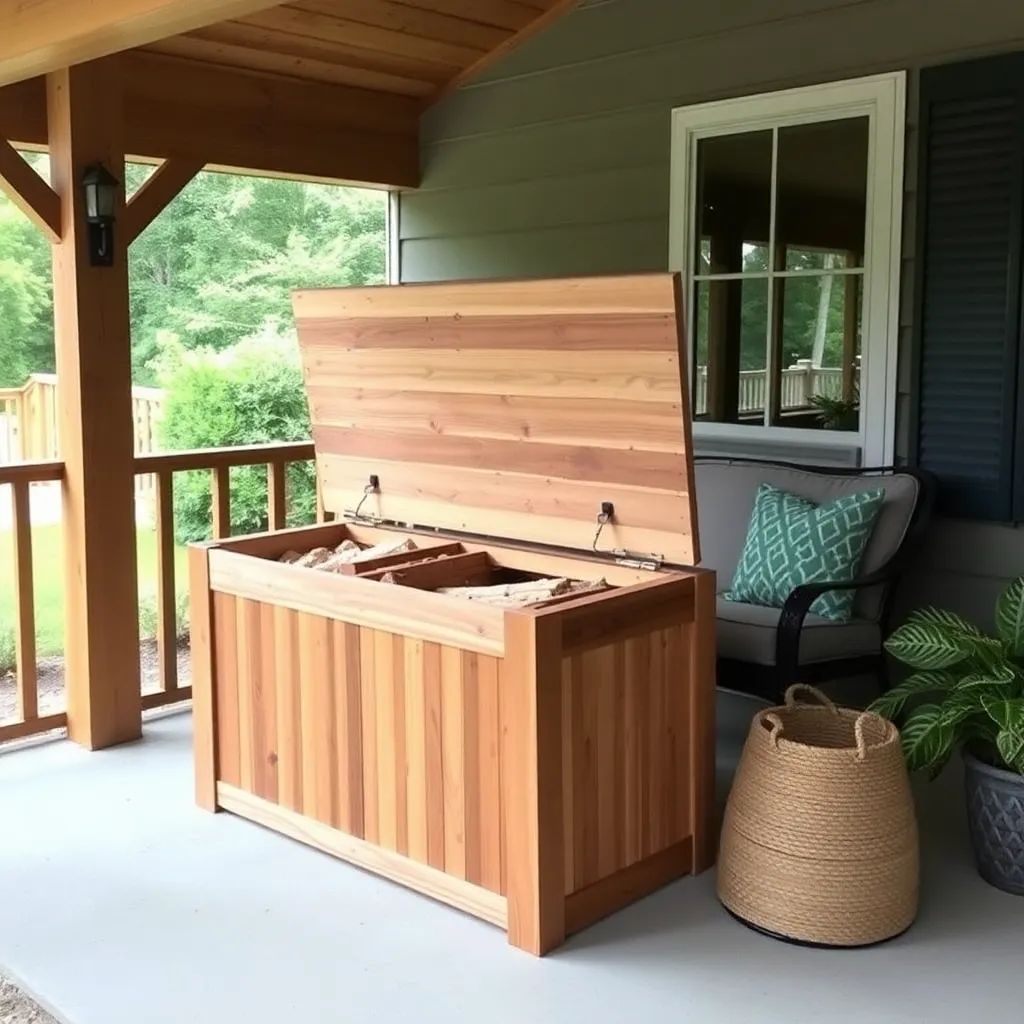
A lidded firewood storage box solves the problem of wood on a covered porch or small deck where a rack would look cluttered — the lid doubles as a seat or side table. Firewood storage box plans cover a 48-inch cedar storage box with a slatted base (for drainage and airflow), a hinged lid, and optional casters for moving the full box. Holds approximately 0.1 cord — enough for 3–5 fire nights. Doubles as patio furniture.
Outdoor Firewood Storage
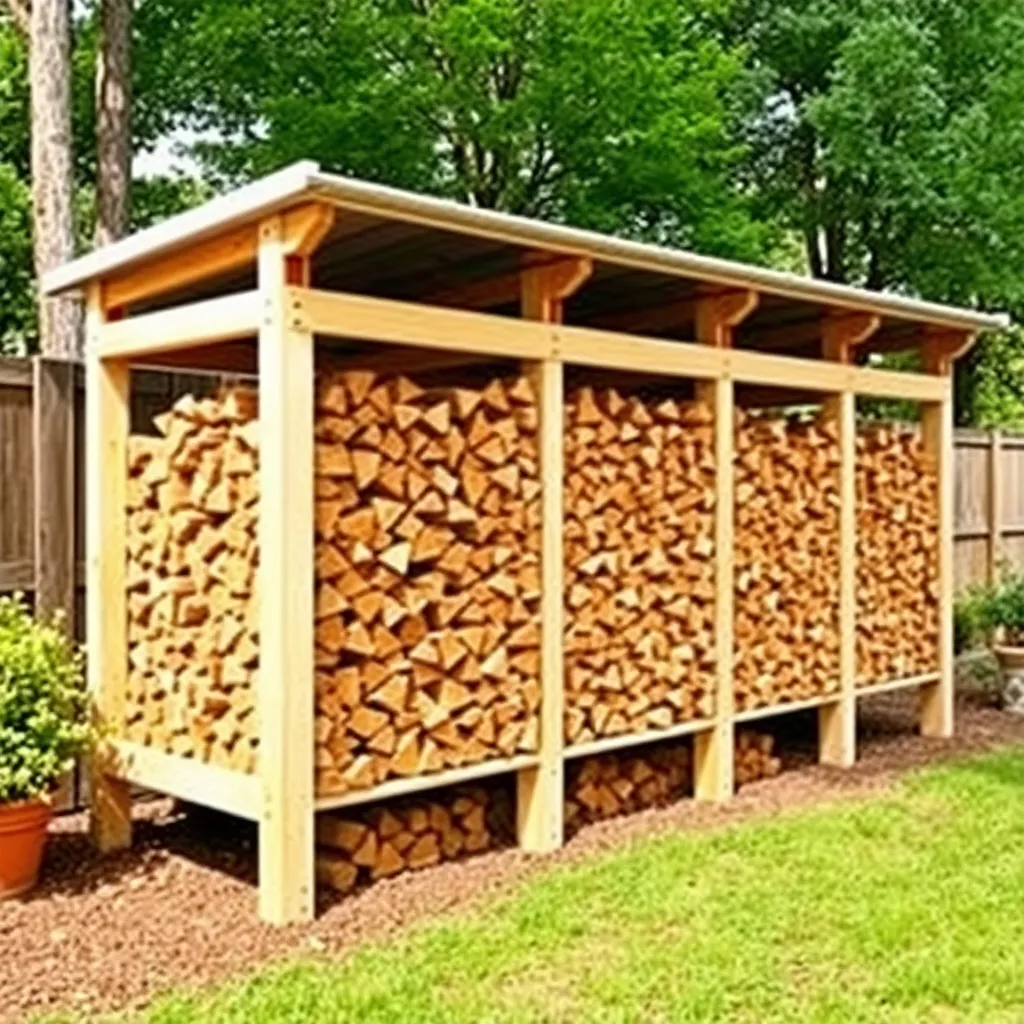
For large volumes of wood stored outdoors, a covered rack system that handles a full cord or more requires careful placement and weather protection without full shed construction. Outdoor firewood storage covers a 16-foot covered rack system built from 4×4 posts and a metal roof panel — stores 1.5–2 cords, costs $180–$250 in materials, and can be extended in 4-foot sections as the wood supply grows.
How Much Firewood Storage Do You Need?
Ted’s Woodworking has over 16,000 step-by-step plans with cut lists, materials lists, and detailed diagrams. Browse Ted’s plans →
| Heat Source | Season Length | Wood Volume | Recommended Storage |
|---|---|---|---|
| Occasional fire (weekends) | Any | 0.5 cord or less | Simple rack or box |
| Primary heat supplement | 4–5 months | 1–2 cords | Covered rack or shed |
| Primary heat source | 5–7 months | 3–5 cords | Full firewood shed |
| Primary heat (cold climate) | 7+ months | 5+ cords | Shed + outdoor stack |
A cord of wood is 128 cubic feet (a 4×4×8-foot stack). Most homeowners burning for ambiance use 0.5–1 cord per season. A wood stove as a primary heat source in a cold climate requires 3–6 cords.
Ted’s Woodworking has over 16,000 step-by-step plans with cut lists, materials lists, and detailed diagrams. Browse Ted’s plans →
Firewood Storage FAQ
How should firewood be stored outside?
Off the ground (on a rack, pallets, or concrete blocks), under cover (shed roof, tarp, or covered rack — cover only the top, not the sides), with the cut ends facing out for airflow, and away from the house (minimum 30 feet to avoid pest issues — termites, carpenter ants, and mice overwinter in wood piles). Stack bark-side up on the top course — this sheds rain and speeds drying.
How long does firewood take to season?
Hardwoods (oak, maple, hickory): 12–24 months split and stacked. Softwoods (pine, fir, spruce): 6–12 months. Freshly cut wood has 40–60% moisture content; seasoned firewood should be below 20%. A wood moisture meter ($15–$25) is the only reliable way to check — color, weight, and cracking are unreliable indicators.
Should firewood be covered with a tarp?
Cover only the top of the stack, not the sides. A tarp wrapped all the way around prevents airflow and traps moisture — the wood stays wet or gets wetter. A lean-to roof, partial cover, or a tarp draped over the top and held down at the edges provides rain protection while allowing the sides to breathe.
How close to the house can I store firewood?
Minimum 30 feet from the house for large outdoor stacks — this distance reduces pest transfer (termites, carpenter ants, mice, and spiders that overwinter in wood piles). For a covered porch supply of 1–2 nights of wood, proximity is fine. Never store large wood piles against the foundation or under a deck.
What is the best wood for indoor firewood storage?
Dense hardwoods — oak, hickory, ash, maple — produce the most heat per cubic foot and burn the longest. Avoid storing softwood (pine, spruce) in large indoor quantities — it ignites and burns faster (good for kindling, poor for sustained heat), and indoor softwood brings more resin and sap into the living space.

“DIY woodworking enthusiast who started with zero experience and a YouTube tutorial.
I build simple, practical projects for my home and share free plans
so other beginners can skip the guesswork.If I can build it, you can too.”