A shop vac is the most accessible dust collection tool in woodworking — most woodworkers already own one, and with the right accessories and filter upgrades, it can handle sanding, routing, and light machine work effectively. This guide covers everything you need to know to get maximum performance from a shop vac dust collection setup, including the most important upgrade: the cyclone separator that transforms a basic shop vac into a two-stage collection system.
Ted’s Woodworking has 16,000+ woodworking plans including complete shop setup guides. Browse Ted’s plans →
This guide is part of our complete Shop Layout and Dust Collection: Plan Your Workshop for Efficiency — covering workshop layout, dust collection systems, and shop organization.
Step 1: Upgrade the Filter First
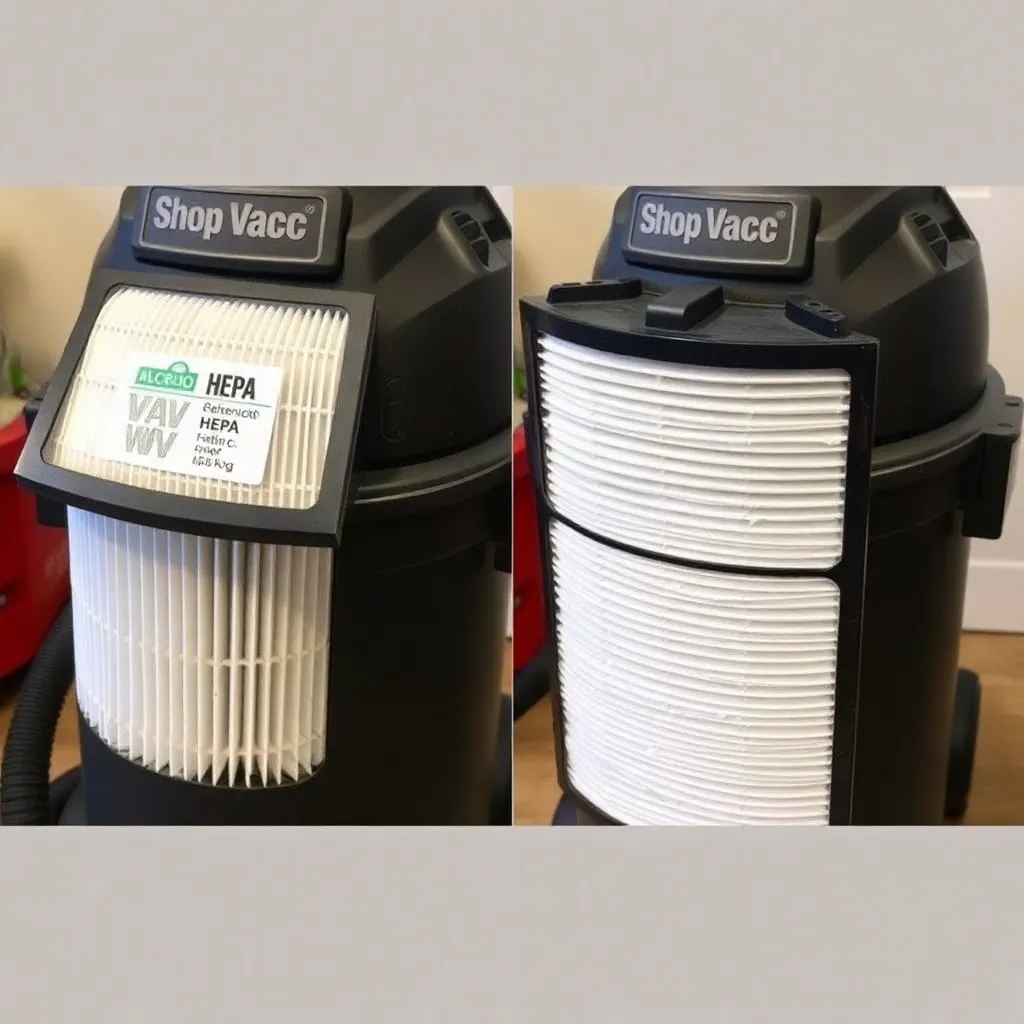
Goal: Install a filter that actually captures fine woodworking dust.
The standard shop vac filter that ships with most units captures particles down to 30–100 microns — it misses the fine fraction of wood dust (1–10 microns) that is most hazardous to respiratory health. This fine fraction passes through the filter and is blown back into the shop air.
The upgrade: replace the standard filter with a HEPA or fine-dust filter specific to your shop vac brand. HEPA filters capture 99.97% of particles at 0.3 microns — the most penetrating particle size. They’re available for all major shop vac brands (Ridgid, Craftsman, Shop-Vac, DeWalt, Milwaukee).
Filter compatibility: shop vac filters are not universal — the filter must match your specific brand and model. Check the model number inside your shop vac and order the corresponding HEPA filter. Cost: $15–$40 depending on brand.
HEPA bags: in addition to a HEPA filter, many brands offer HEPA collection bags that fit inside the shop vac drum. These capture fine dust inside the bag, making disposal cleaner (seal the bag before removing it). Use HEPA bags with the HEPA filter for best results.
Milestone: Purchase and install the correct HEPA filter for your shop vac model before connecting it to any sanding tool.
Step 2: Add a Cyclone Separator
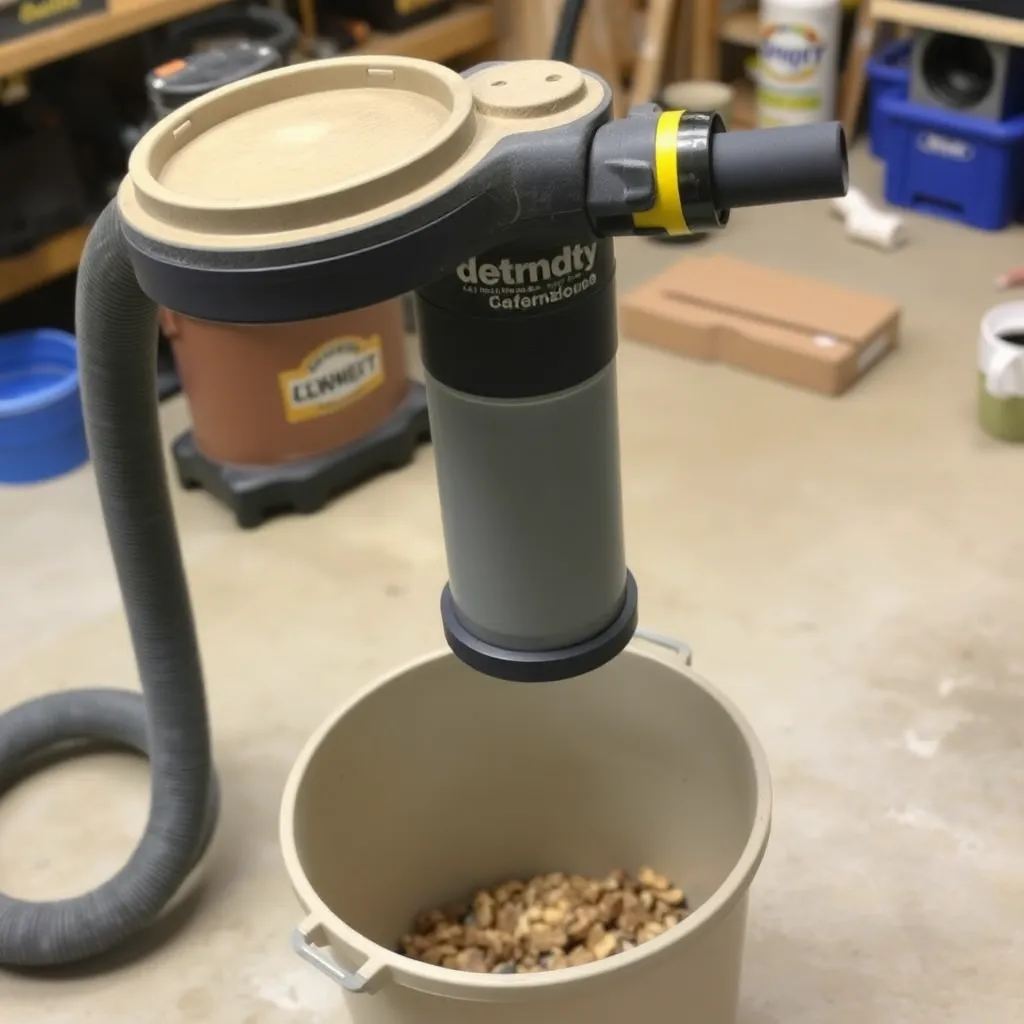
Goal: Install a two-stage cyclone separator to extend filter life and maintain suction.
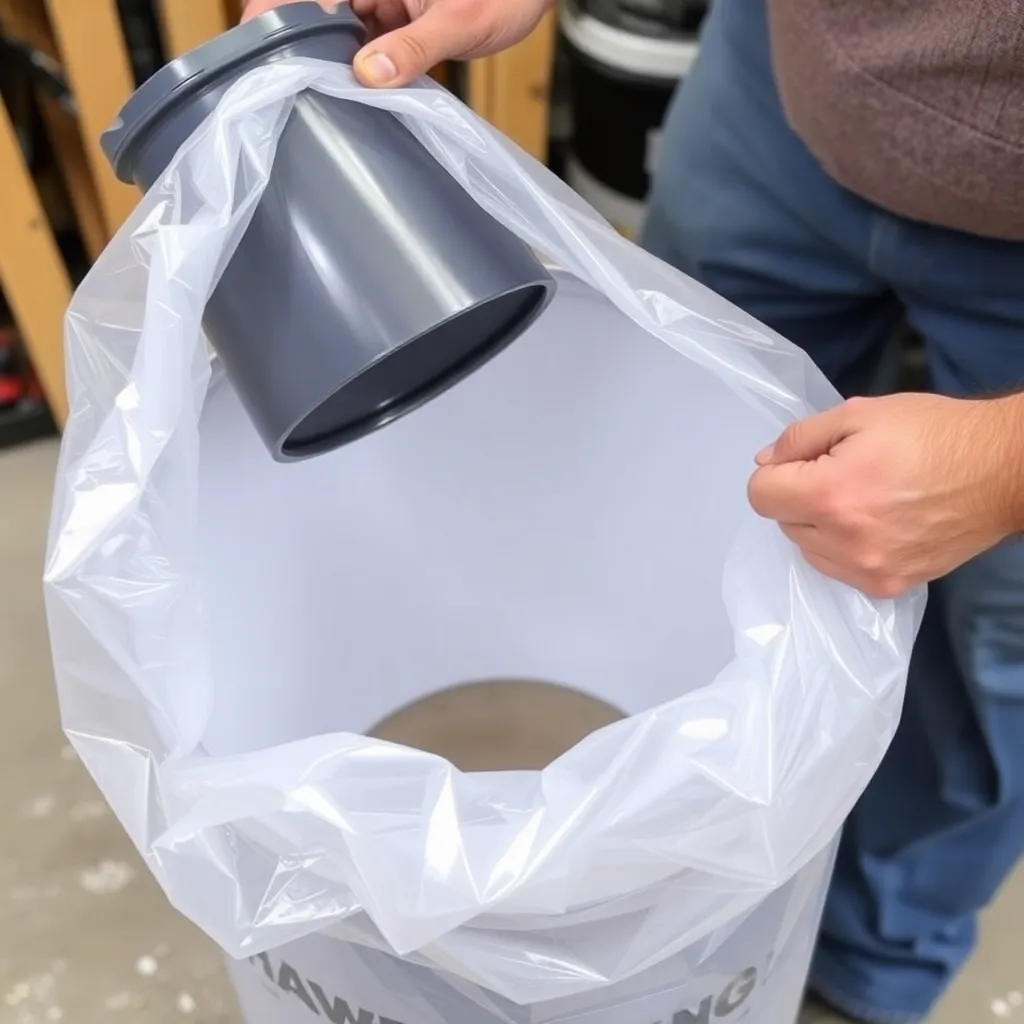
The cyclone separator is the single most impactful upgrade for shop vac dust collection. It connects between the tool (or duct) and the shop vac, using centrifugal force to spin 99% of chips and coarse dust into a separate collection bucket before it reaches the shop vac filter.
How it works: air enters the cyclone tangentially at the top, spirals downward, and the centrifugal force throws heavy particles to the outside wall, where they fall into the bucket below. Only the lightest fine particles continue to the shop vac.
The result:
- Shop vac filter stays clean 10× longer (only fine dust reaches it)
- Suction stays consistent throughout long sessions (clogged filters kill suction)
- Emptying is easier — the bucket catches 99% of material and can be emptied without touching the shop vac filter
- Filter replacement frequency drops dramatically — the HEPA filter may last years instead of months
Popular options:
- Oneida Dust Deputy ($50–$80): the most popular, excellent separation, fits any shop vac
- Rockler Dust Right ($50–$60): good separator, proprietary port system for Rockler accessories
- Harbor Freight separator ($30): lower separation efficiency but functional — good for coarse material
Installation: the separator sits between the tool hose and the shop vac inlet. The separator outlet connects to the shop vac inlet; the shop vac suction pulls air through the separator. The collection bucket sits below the separator cone.
Milestone: After installing the separator, run a 30-minute sanding session and inspect the shop vac filter — it should be nearly clean while the separator bucket has collected almost all the material.
Step 3: Connect Tools with the Right Hose and Adapters
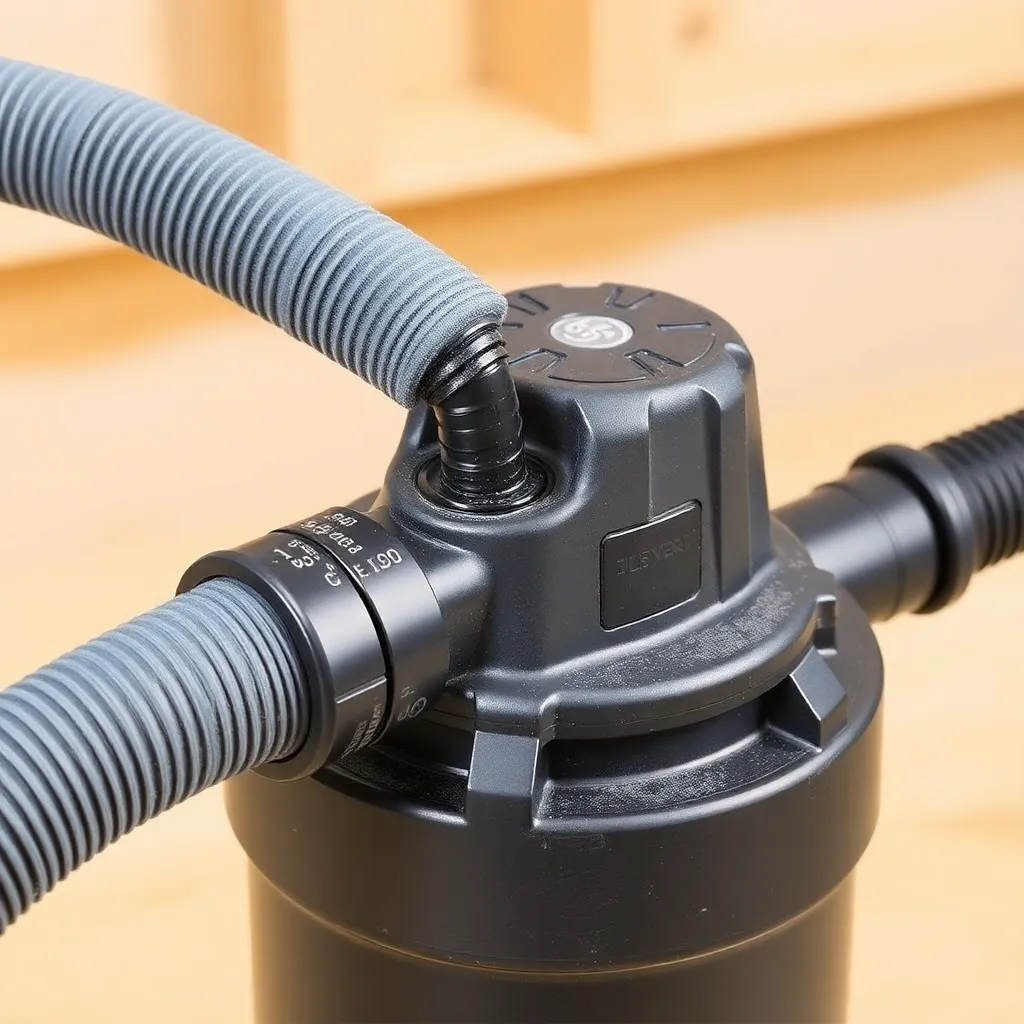
Goal: Connect each tool to the shop vac with properly sized hose and adapters.
Hose diameter: shop vac hoses are typically 1.25-inch, 1.5-inch, or 2.5-inch diameter. Tool dust ports are typically 1/4-inch to 1.5-inch. The connection requires matching the tool’s port to the vac’s hose.
Adapter sets: a universal dust collection adapter set ($15–$25) includes a range of connectors that fit most common tool/hose combinations. These sets cover most random orbital sander ports (typically 27mm), most router fences (1.5-inch), and most miter saw ports (1.5-inch or 2.5-inch).
Tool-specific connections:
Random orbital sanders (the priority): most sanders have a 27mm (approximately 1-inch) dust port. A 27mm to 1.25-inch or 1.5-inch adapter connects to the shop vac hose. This single connection handles 95%+ of sanding dust at the source.
Routers: connect to the router fence dust port (most router tables have a 2.5-inch port on the fence). Use a 2.5-inch hose or an adapter from your shop vac hose to 2.5-inch.
Miter saw: connect to the saw’s integral dust port with an adapter. The shop vac handles miter saw dust well because the saw is often positioned away from the main duct.
Hand-held circular saw: many newer saws have dust ports (1.5-inch). Connecting a shop vac while ripping plywood dramatically reduces airborne dust.
Milestone: Test each connection by holding your hand near the tool while running — feel for air escaping around the connection point, indicating a poor seal.
Step 4: Install Auto-Start Switching
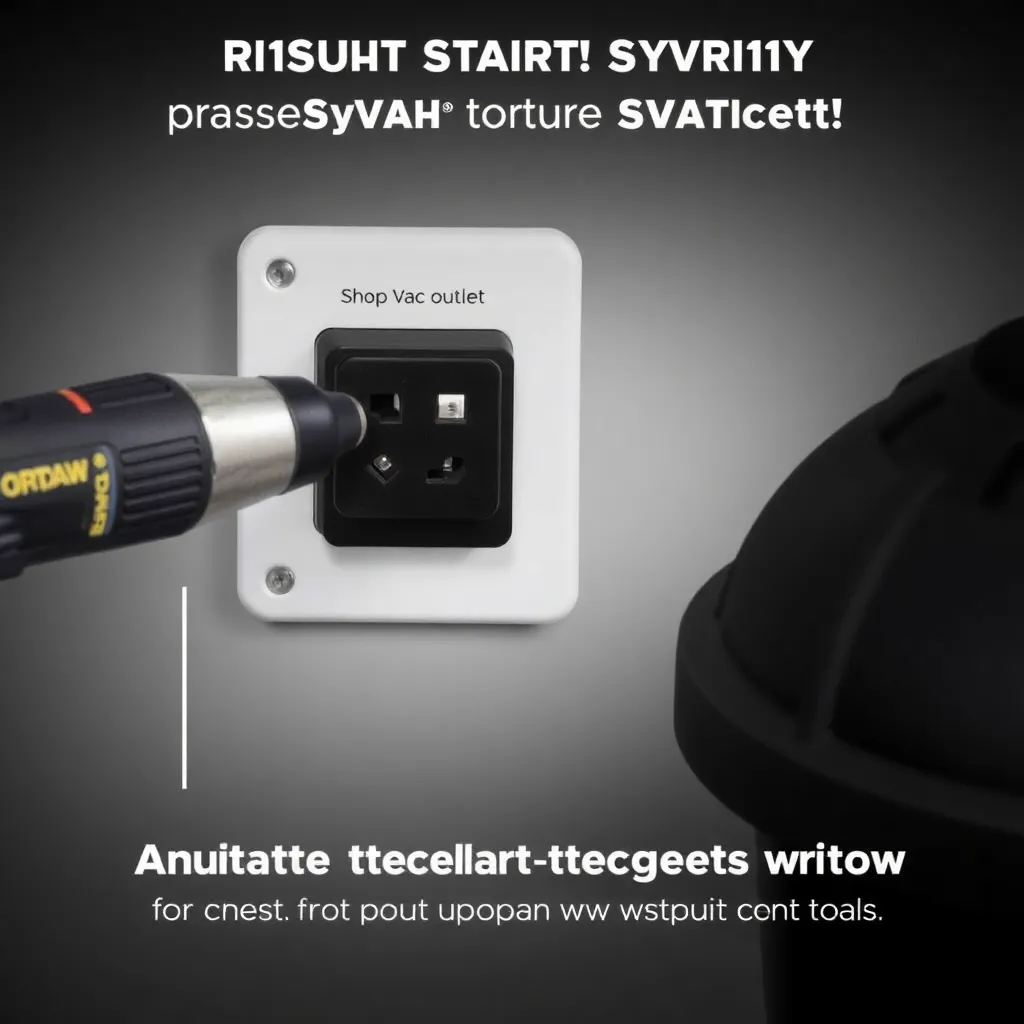
Goal: Add automatic shop vac start/stop triggered by the connected tool.
Auto-start switches turn the shop vac on automatically when you start the connected tool and turn it off a few seconds after the tool stops. This ensures the shop vac is always running when dust is being generated, without requiring a separate switch action.
Options:
- iVac Pro ($60–$80): the most popular auto-switch; plug the tool into the “tool” outlet and the shop vac into the “vac” outlet; the unit detects tool current draw and triggers the vac
- Rockler Dust Right Power Tool Trigger ($50): similar function, good build quality
- Shop vac brand auto-start cord ($20–$40): some shop vac brands offer their own auto-start cord; simpler but proprietary
Current sensing: auto-start switches detect the current draw of the connected tool (typically set to trigger at 1–2 amps of tool current). Make sure the switch’s trigger threshold is set below the tool’s startup current draw. Most units are adjustable.
Delay timing: the “after-off” delay (how long the vac runs after the tool stops) clears dust from the hose — typically 3–5 seconds is adequate. Some switches allow adjustment.
Milestone: Use the auto-switch for one full shop session and note whether it triggers correctly for all connected tools.
Step 5: Extend the System with Lightweight Ductwork
Goal: Add simple lightweight duct connections to extend the shop vac’s reach to multiple tool positions.
A shop vac can serve multiple positions in a small shop with lightweight flexible hose and a few ports. This isn’t a replacement for a dedicated dust collector with rigid ductwork, but for a shop on a budget, it extends the shop vac’s utility significantly.
Simple branch system:
- Install a 2.5-inch central hose along the back wall (supported with clips)
- Add a Y-connector to branch to two positions
- Install a simple slide-gate at each branch (or just cap one end when using the other)
- This system works for light shop vac use — not for high-volume chips from a table saw
Magnetic port covers: at each tool position, install a 2.5-inch wall port (a round hole with a cover). Connect a short flex hose from each port to the tool when in use; close the port when not in use. This eliminates constantly moving the shop vac across the shop.
Limitation: a shop vac’s CFM drops rapidly with long hose runs. Keep total hose length under 15 feet for adequate suction. For longer runs or multiple simultaneous connections, a dedicated dust collector is the right solution.
Milestone: Measure suction at the end of your longest hose run (hold your hand over the hose end and feel the pull) and compare it to suction at the shop vac inlet — if suction has dropped more than 50%, the run is too long.
Step 6: Maintain the System
Goal: Keep the shop vac performing at full suction through regular maintenance.
Empty the separator bucket: when the cyclone separator bucket reaches 2/3 full, suction begins to drop. Empty it into a sealed bag (don’t dump it into the air — this defeats the purpose). Frequency depends on use: heavy sanding may require emptying after each session.
Check the shop vac filter: even with a cyclone separator, some fine dust reaches the filter. Tap the filter gently outside (not in the shop) to dislodge accumulated dust. If suction is low after emptying the bucket, a clogged filter is the most likely cause.
Inspect hoses for cracks: flexible hose develops cracks at bends and connection points over time. A cracked hose leaks suction. Inspect hoses monthly and replace sections with visible cracks.
Clean the cyclone body: fine dust accumulates on the inside walls of the cyclone separator body. Wipe out the interior of the separator cone with a damp cloth every few months.
Milestone: Establish a monthly maintenance schedule: check the filter, inspect hoses, empty the separator bucket if not done recently, and verify suction with a hand-check at each tool connection point.
Dust Collection with Shop Vac FAQ
What size shop vac is best for dust collection?
For dust collection, the filter quality and added cyclone separator matter more than tank size. A 5-gallon shop vac with a HEPA filter and a cyclone separator outperforms a 16-gallon shop vac with a standard filter for woodworking dust capture. That said, for practical use: a 6–9 gallon tank provides adequate capacity for most shop sessions without constant emptying. Very small tanks (2.5 gallon) require frequent emptying when doing extended sanding. For fine dust collection with a cyclone separator, the separator bucket does most of the capacity work — the shop vac tank fills slowly with only the fine fraction.
Can a shop vac replace a dust collector?
For a small shop doing primarily hand tool work, sanding, and routing: yes — a shop vac with HEPA filter and cyclone separator handles these applications well. For a shop with a table saw, jointer, and thickness planer: no — these machines generate chip volume and require airflow (CFM) that exceeds shop vac capacity. A planer producing a 1/16-inch shaving fills a shop vac separator bucket in minutes and generates chip volume that chokes the hose. The practical answer: start with a shop vac for portable tool dust collection; add a dedicated dust collector when you add stationary machines.
How do I connect a shop vac to a table saw?
Connection is possible but performance is limited. A shop vac connected to the table saw cabinet port (below the table, capturing sawdust falling below the blade) handles that portion of the dust reasonably well. The blade guard dust port (capturing dust flung upward) requires a separate connection. The limitation: a shop vac’s CFM (100–150) is insufficient for heavy ripping — chips pile up in the cabinet faster than the shop vac can remove them. For occasional light table saw work: a shop vac suffices. For regular ripping or any production work: a dedicated 1.5 HP dust collector (600+ CFM) is required.
What is the best shop vac brand for fine dust collection?
The best shop vac for fine dust collection is the one with the best available HEPA filter and the greatest suction (measured in water lift, not just CFM). Top performers: Ridgid (excellent HEPA filter availability, strong suction, widely available); DeWalt (high suction, good filter ecosystem); Milwaukee M18 FUEL Shop Vac (cordless, true HEPA, tool-triggered). The brand matters less than: (1) verified HEPA filter availability for the specific model; (2) suction depth (water lift rating — 90″+ is good); (3) cyclone separator compatibility. A mid-range Ridgid with a cyclone separator and HEPA filter outperforms a premium shop vac without those additions.

“DIY woodworking enthusiast who started with zero experience and a YouTube tutorial.
I build simple, practical projects for my home and share free plans
so other beginners can skip the guesswork.If I can build it, you can too.”