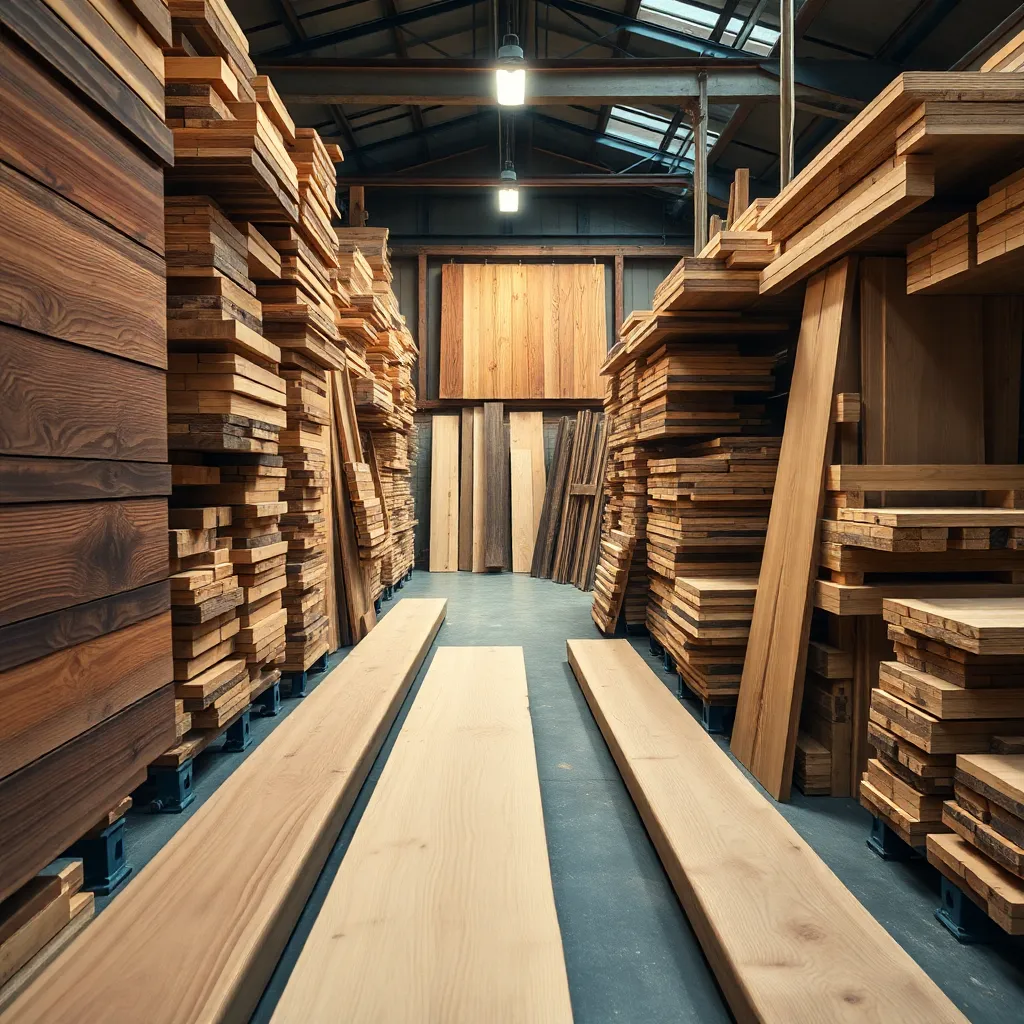
The choice of wood species is the single most consequential decision in a woodworking project — it determines how the piece looks, how it works under tools, how it holds joinery, and how it performs over decades. These six guides cover the full landscape: how to identify an unknown wood, the complete characteristics of the most important species, hardwood types and their uses, the difference between woodworking disciplines, and the properties that make one species better than another for a given application.
Ted’s Woodworking has complete project plans with wood species recommendations for every build. Browse Ted’s plans →
This guide is part of our complete Wood Selection Guide — covering lumber dimensions and measuring, wood species characteristics and identification, and plywood grades and projects.
Types of Woodworking
Woodworking is not one discipline — it’s a family of related crafts with different tools, materials, techniques, and end products. Furniture making, carving, turning, joinery, cabinetmaking, and timber framing each have their own wood preferences, tool sets, and skill progressions. Understanding which type of woodworking a project belongs to helps match the right species and technique to the work.
What’s covered: the six major woodworking disciplines (furniture making, cabinetmaking, wood turning, carving, joinery, and timber framing), the wood species preferred in each, the tools each discipline emphasizes, and how to identify which discipline your current project belongs to.
Species by discipline: furniture = hardwoods (oak, maple, cherry, walnut); turning = dense figured woods (maple burl, cherry, osage orange); carving = soft, even-grained woods (basswood, butternut, white pine); timber framing = structural softwoods (Douglas fir, white oak for traditional pegging).
Types of Wood
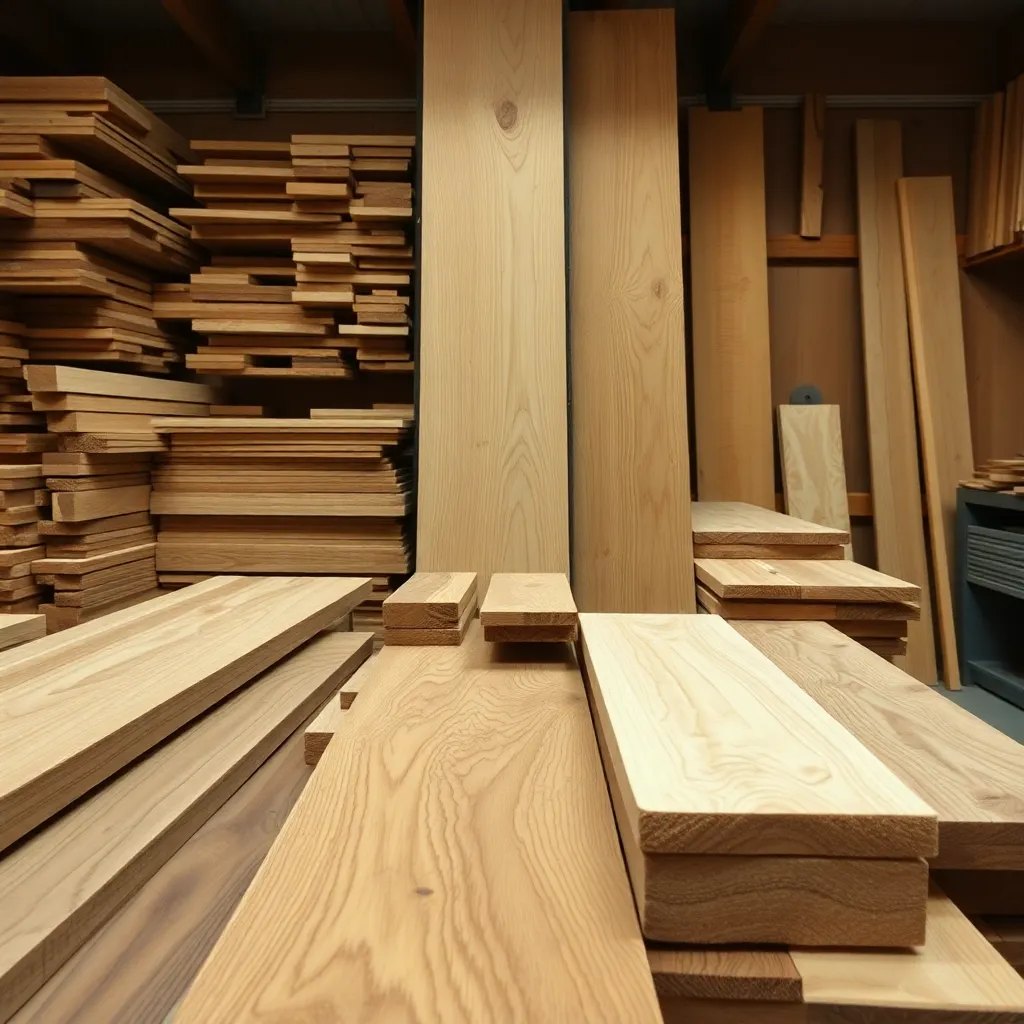
Wood falls into two biological categories (hardwood and softwood) and dozens of practical subcategories organized by density, grain pattern, color, and workability. The right type for a project depends on structural requirements, finishing goals, and budget — a cutting board needs a different species than a painted bookshelf or an outdoor bench.
What’s covered: the hardwood/softwood distinction (botanical, not physical), the most important wood types for woodworking organized by use case, grain patterns and what they mean for workability, and a species selection matrix matching project types to wood categories.
Common types: open-grain hardwoods (oak, ash, walnut), closed-grain hardwoods (maple, cherry, birch), construction softwoods (pine, fir, SPF), appearance softwoods (cedar, redwood), tropical hardwoods (mahogany, teak, ipe).
Mahogany Wood
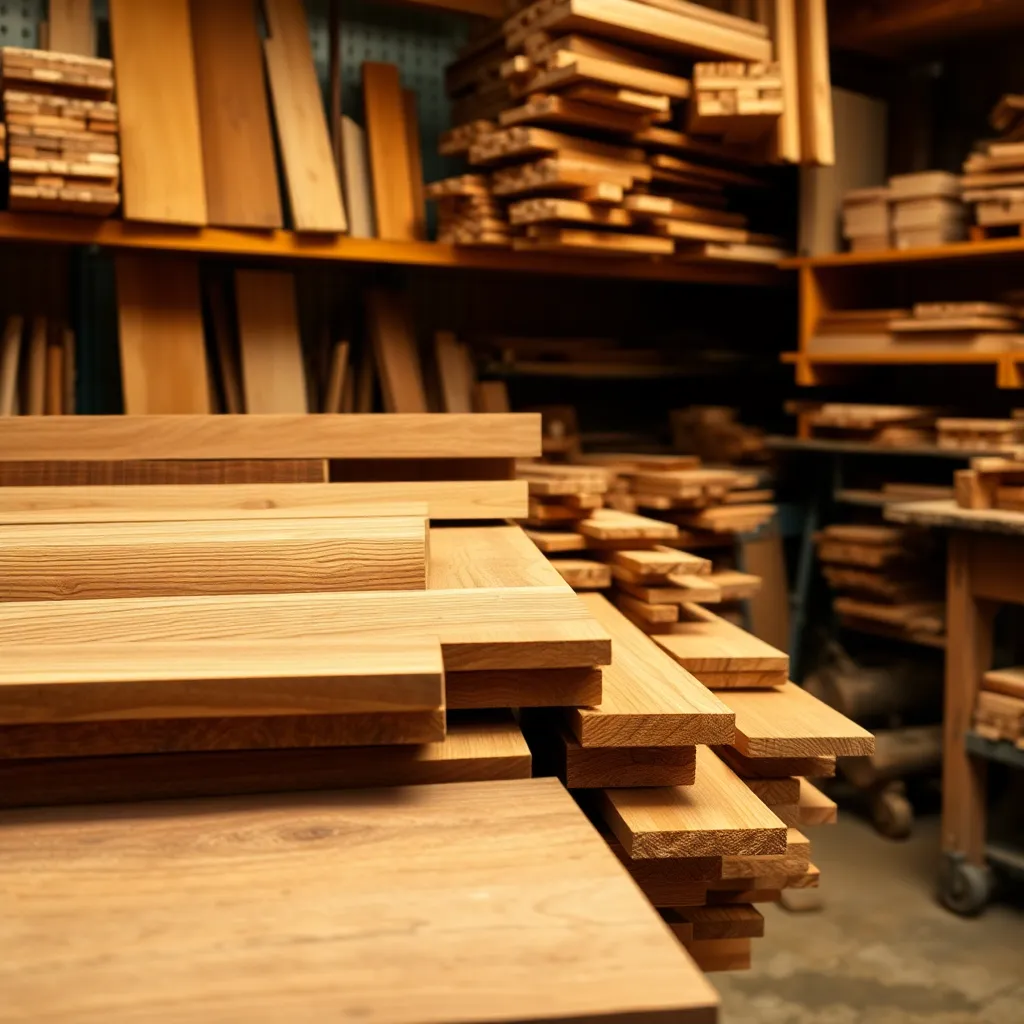
Mahogany is one of the most historically significant furniture woods — it dominated fine furniture making from the 1700s through the early 1900s and remains a benchmark for workability, stability, and beauty. True mahogany (Swietenia genus) is distinct from the many look-alikes sold under the mahogany name (African mahogany, Philippine mahogany), and the differences in workability and appearance are significant.
What’s covered: true mahogany vs mahogany alternatives, grain patterns (ribbon grain, interlocked grain, figure), working properties (easy to cut, planes exceptionally smooth, stable in humidity changes), finishing behavior (takes stain and oil finishes beautifully), and sourcing considerations (CITES regulations affect some mahogany species).
Best uses: furniture (chairs, tables, desks), cabinets, musical instruments, boat building, decorative panels.
What Type of Wood Is This
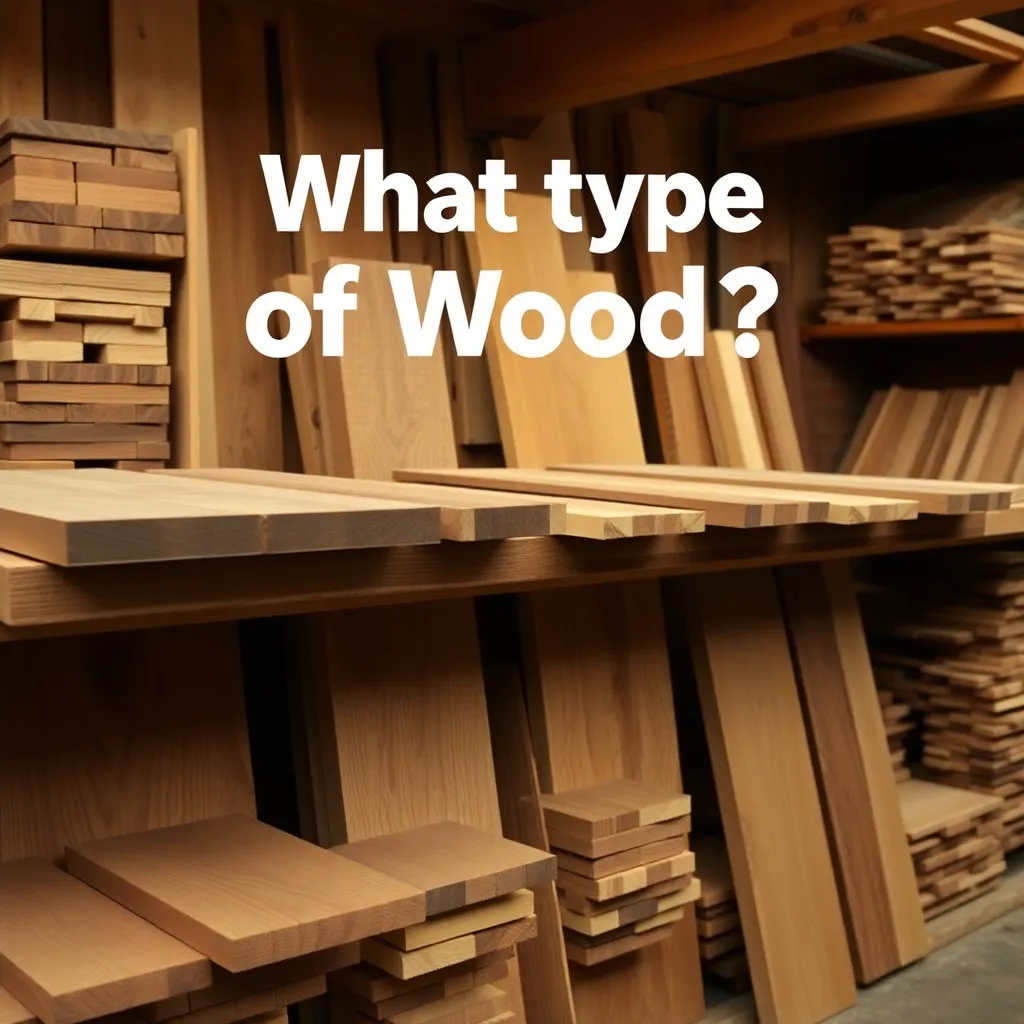
Wood identification is a practical skill with everyday woodworking applications — identifying reclaimed lumber before building with it, recognizing a species at the lumber yard, or determining what a piece of antique furniture is made from. The identification process uses color, grain pattern, pore structure, weight, and smell — a combination that narrows most species quickly.
What’s covered: the five identification criteria (color, grain pattern, pore structure/ray pattern, weight/density, and smell), a step-by-step identification process for common species, the most commonly confused species pairs, and when to use online resources or physical testing for confirmation.
Easiest to identify: walnut (dark chocolate brown, distinctive), cedar (aromatic, reddish), white oak (ray flecks, tan-gray), pine (resin canals visible, yellow-white). Hardest: maple vs birch vs beech (all pale, tight-grained, similar weight).
Hardwoods Guide
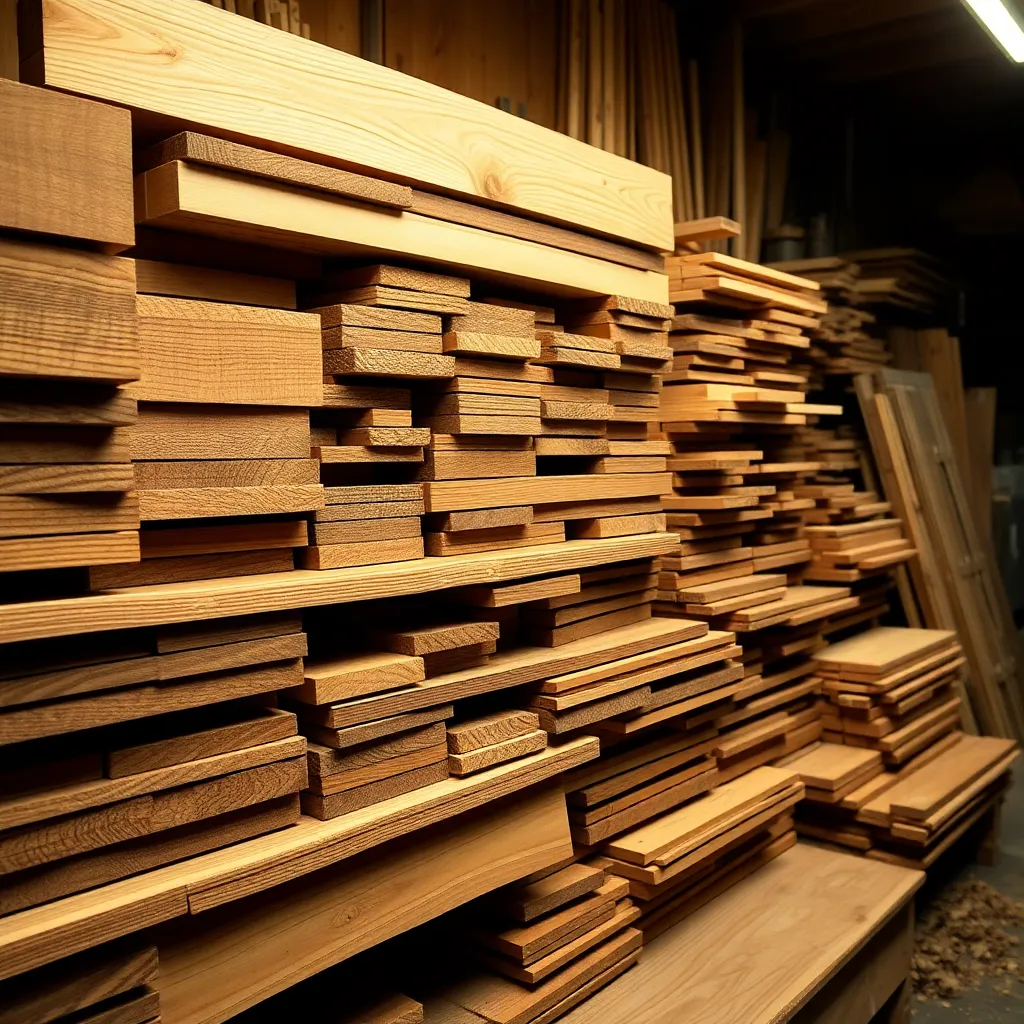
Hardwood species are the primary material for furniture, cabinetry, and fine woodworking. Each species has a distinct combination of color, grain, hardness, stability, and workability that makes it better suited to some applications than others. This guide covers the 12 most important hardwood species for woodworking, organized by use case rather than alphabetically.
What’s covered: the 12 most important hardwoods (oak, maple, cherry, walnut, ash, birch, poplar, mahogany, teak, ipe, hickory, and beech), each species’ hardness (Janka rating), grain characteristics, finishing behavior, typical price range, and best applications.
Species highlights: walnut (most prized for natural-finish furniture, works easily, expensive); hard maple (best for cutting boards and workbench tops, very hard, resists dents); cherry (ages to a rich reddish-brown, works beautifully, mid-price); red oak (most available hardwood, open grain requires grain filler for smooth finish, affordable).
Wood Species Characteristics
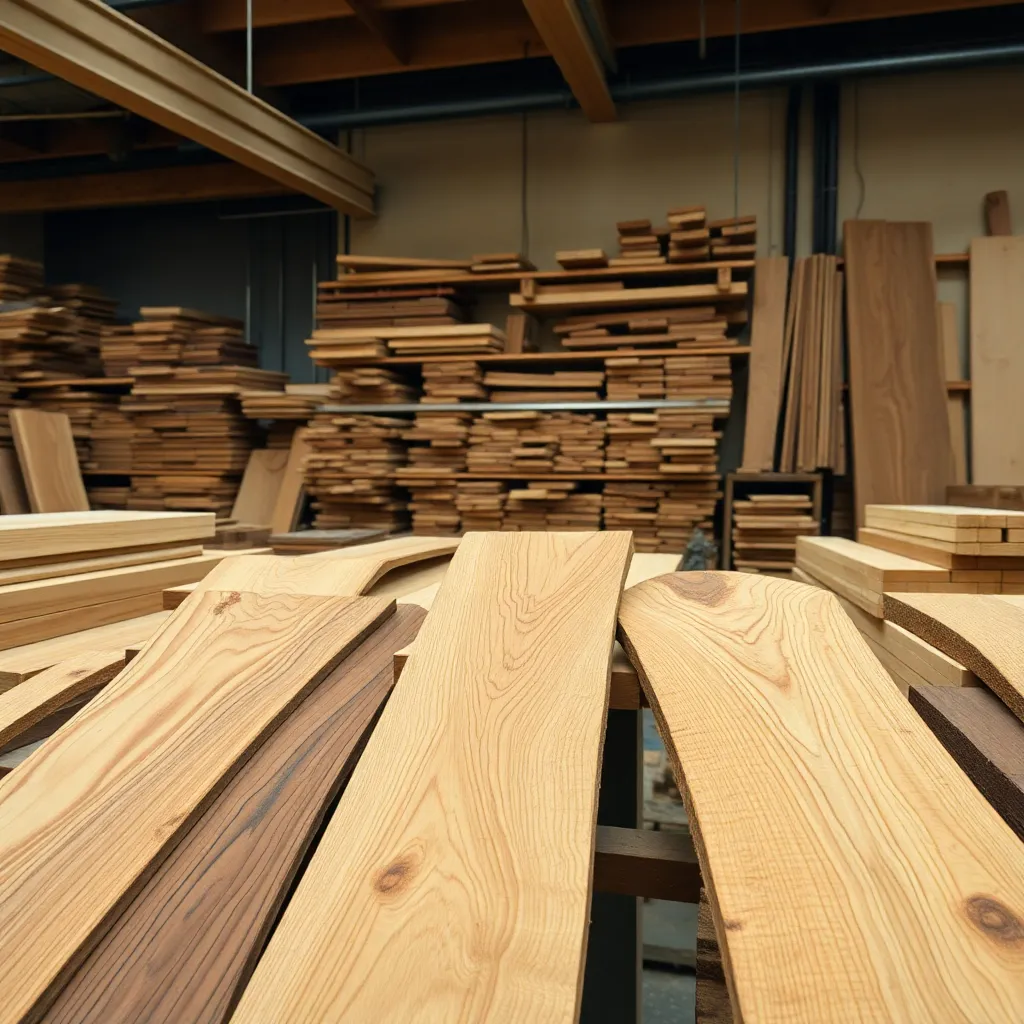
Every wood species has a measurable set of physical characteristics — hardness (Janka scale), density, stability (movement with humidity changes), workability (how it responds to cutting, planing, and sanding), and finishing behavior. Understanding these characteristics lets you choose the right species for each application and predict how a new-to-you species will behave in the shop.
What’s covered: the Janka hardness scale and what it means for scratch resistance and tool wear, wood movement (tangential vs radial shrinkage, how to read a species’ movement rating), workability ratings, finishing categories (open-grain vs closed-grain, blotching risk, stain compatibility), and a comprehensive characteristics table for 20 common species.
Key insight: hardness and stability are independent. Teak is moderately hard but exceptionally stable; cherry is hard but moves significantly with humidity. Match the characteristic that matters most for the application — a workbench top needs hardness; a panel door needs stability.
Wood Species Guide FAQ
What is the best wood for beginners?
Pine (dimensional lumber from the home center) for the first several projects. Pine is inexpensive, forgiving under tools, and widely available. The upgrade path: poplar for painted projects (harder, fewer knots, cleaner paint surface), red oak for the first natural-finish project (affordable, beautiful grain, widely available at home centers in S4S boards), cherry or walnut when budget allows (both work beautifully and produce stunning results without extra finishing effort). Avoid very hard species (hard maple, hickory) for the first projects — they dull tools faster and require sharper edges to work cleanly.
What is the difference between hardwood and softwood?
The distinction is botanical, not physical. Hardwoods come from deciduous trees (trees that lose their leaves — oak, maple, cherry, walnut). Softwoods come from coniferous trees (trees with needles that stay year-round — pine, fir, cedar, spruce). The correlation with actual hardness is imperfect: balsa is classified as a hardwood but is very soft; longleaf pine is classified as a softwood but is harder than many hardwoods. In practice, most furniture hardwoods are physically harder than most construction softwoods, which is why the terms are used loosely to mean “furniture wood” (hardwood) and “framing/construction wood” (softwood).
What wood is most stable for furniture?
Stability refers to how much a species expands and contracts with changes in humidity. The most stable furniture hardwoods (least movement): teak, mahogany, black locust, and cherry. The least stable (most movement): beech, hickory, red oak, and white oak. Stability matters most for wide panels (tabletops, cabinet sides) and door frames — unstable species in these applications will open gaps in summer and crack joints in winter. For maximum stability in a wide panel: use quartersawn lumber (the most stable cut for any species) and wood movement calculations to size the panel and float the joint.
How do I know which wood to use for outdoor projects?
Choose species with natural decay resistance. The most rot-resistant domestic species: black locust (the most durable, harder to source), teak (very expensive but extremely rot-resistant), cedar (western red cedar is the most common choice — widely available, aromatic, moderately rot-resistant), redwood (similar to cedar, California native), white oak (closed pores resist water penetration better than red oak). For outdoor projects that will be painted: pressure-treated pine is the most affordable option. For outdoor furniture that will be oiled: teak or ipe (both require no maintenance except annual oiling). Avoid cherry, maple, walnut, and ash for outdoor use — all are susceptible to rot without significant protective finishing.

“DIY woodworking enthusiast who started with zero experience and a YouTube tutorial.
I build simple, practical projects for my home and share free plans
so other beginners can skip the guesswork.If I can build it, you can too.”