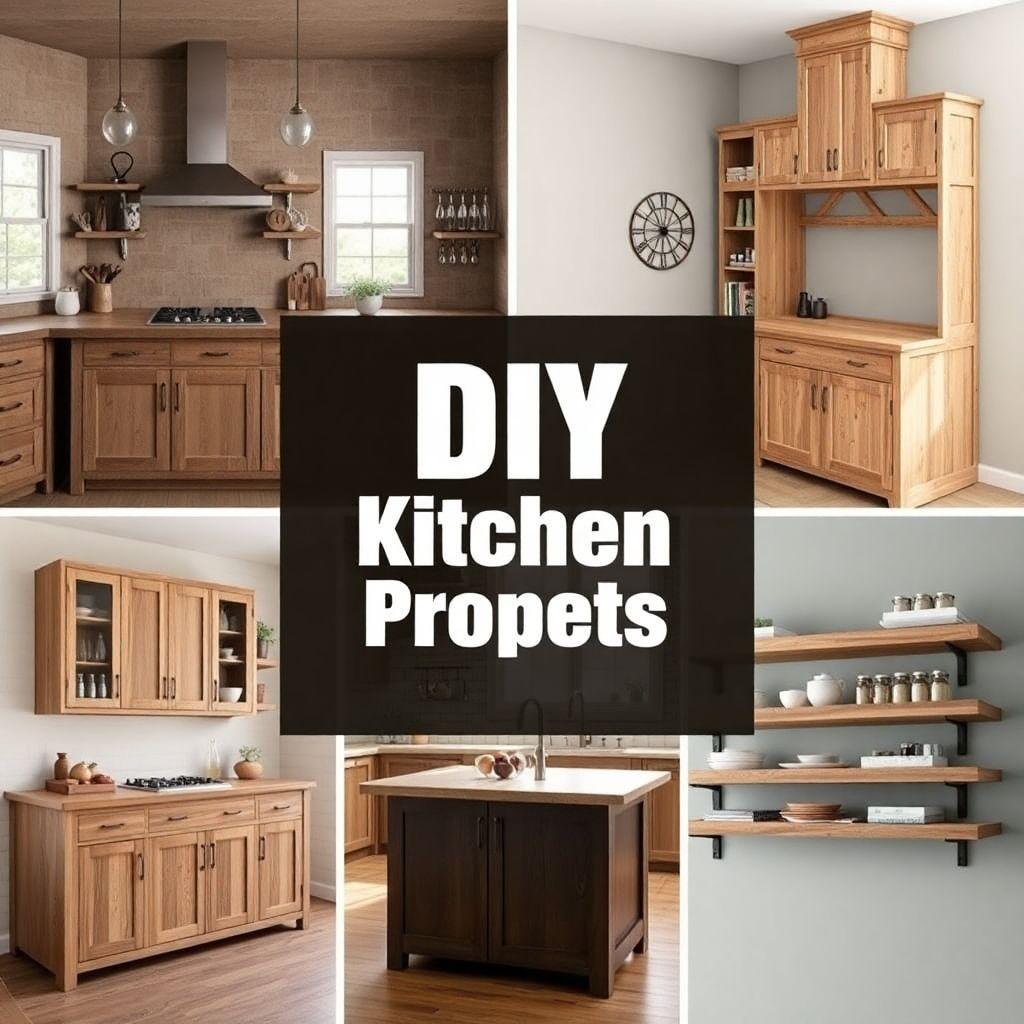
Most kitchen upgrades come down to two things: more storage or a better look. These five kitchen and pantry projects cover both, and between them they handle almost every common problem, from a cluttered counter to a plain wall above the range. This page is a decision helper, not a build guide. Each project below gets a summary card with skill level, cost, build time, and the one factor that decides whether it is right for your kitchen. A mud kitchen keeps kids busy outdoors. A range hood or pantry cabinet reshapes the room. An island adds a work surface. Floating shelves add storage without cabinet boxes. Read the cards, then use the decision section at the bottom to pick the one to build first. Full step-by-step plans live on each linked page. This guide is part of our complete woodworking furniture plans library.
Mud Kitchen
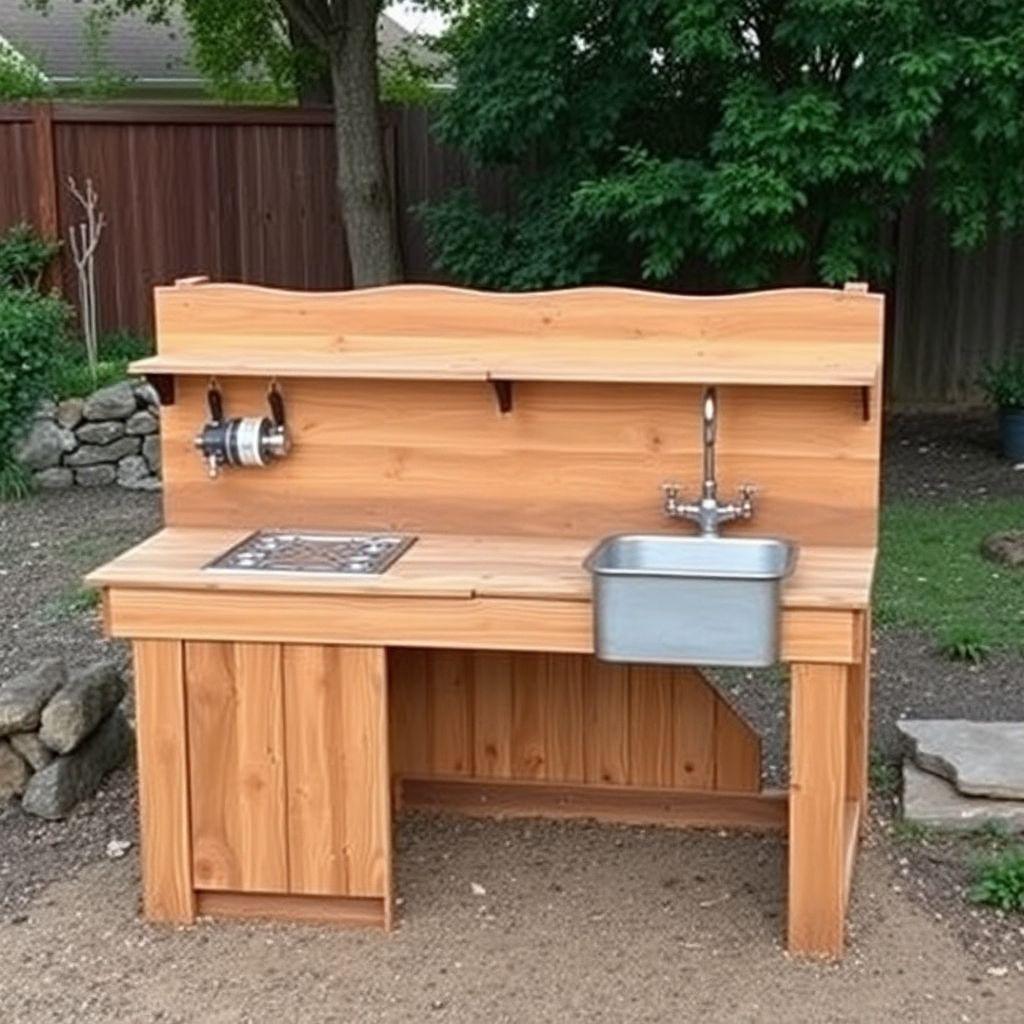
An outdoor play kitchen for kids, built from scrap lumber and a metal basin, with no plumbing required.
- Skill level: Beginner
- Cost: $30 to $80
- Build time: 1 weekend
- Best for: families with young children; a good way to use up offcuts
- Key decision factor: keep it outdoors only. Use pressure-treated lumber or painted pine so it survives weather. This is the cheapest project here and the most forgiving of mistakes, which makes it the natural first build if you are new to the tools.
Full plan: /mud-kitchen/
Wooden Range Hood
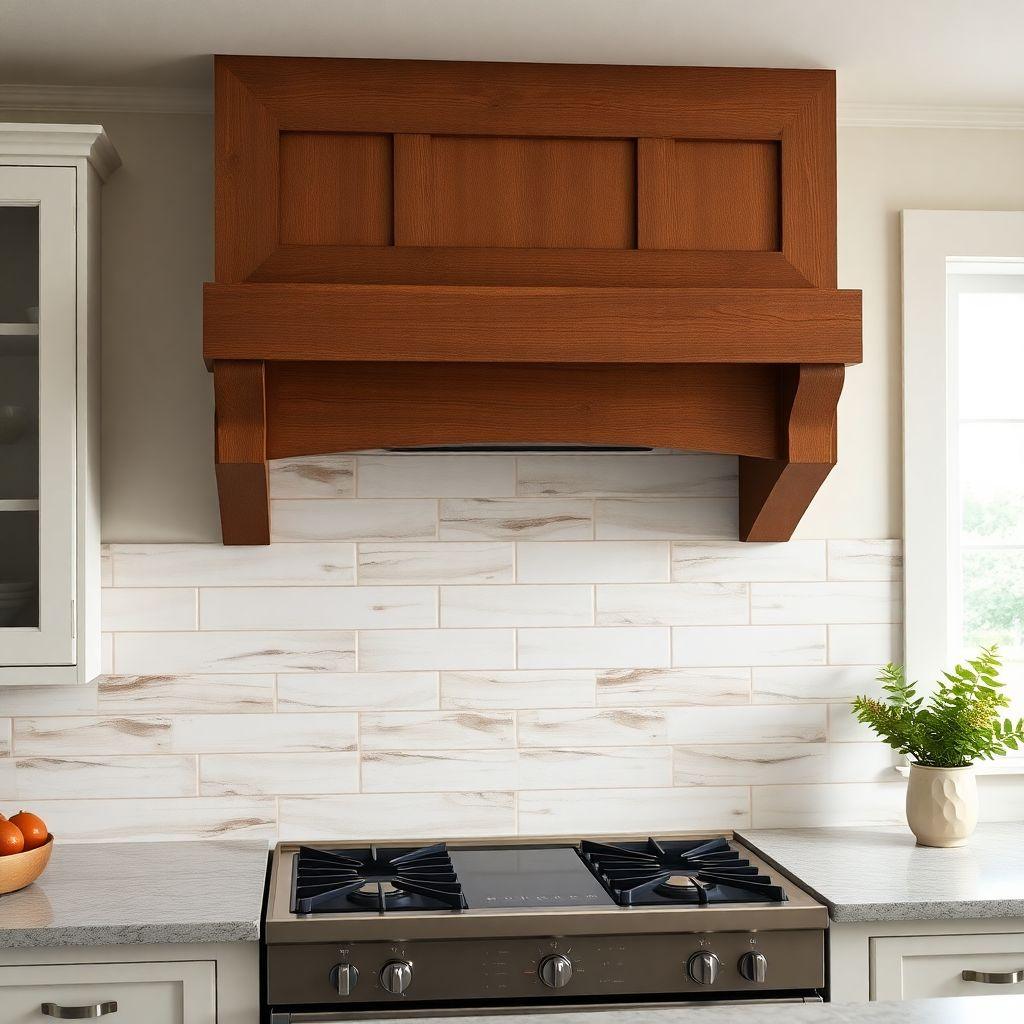
A decorative wood box that wraps an existing liner or insert, turning a plain kitchen into a farmhouse or craftsman focal point.
- Skill level: Intermediate
- Cost: $150 to $350
- Build time: 2 weekends
- Best for: kitchen remodels where the insert is already in place; farmhouse or craftsman style
- Key decision factor: the hood is cosmetic. It must fit around a code-compliant liner insert, so check the insert dimensions before you cut anything. Build the box to the insert, not the other way around. Skip this project if you do not already have a working insert.
Full plan: /wooden-range-hood-plans/
Pantry Cabinet
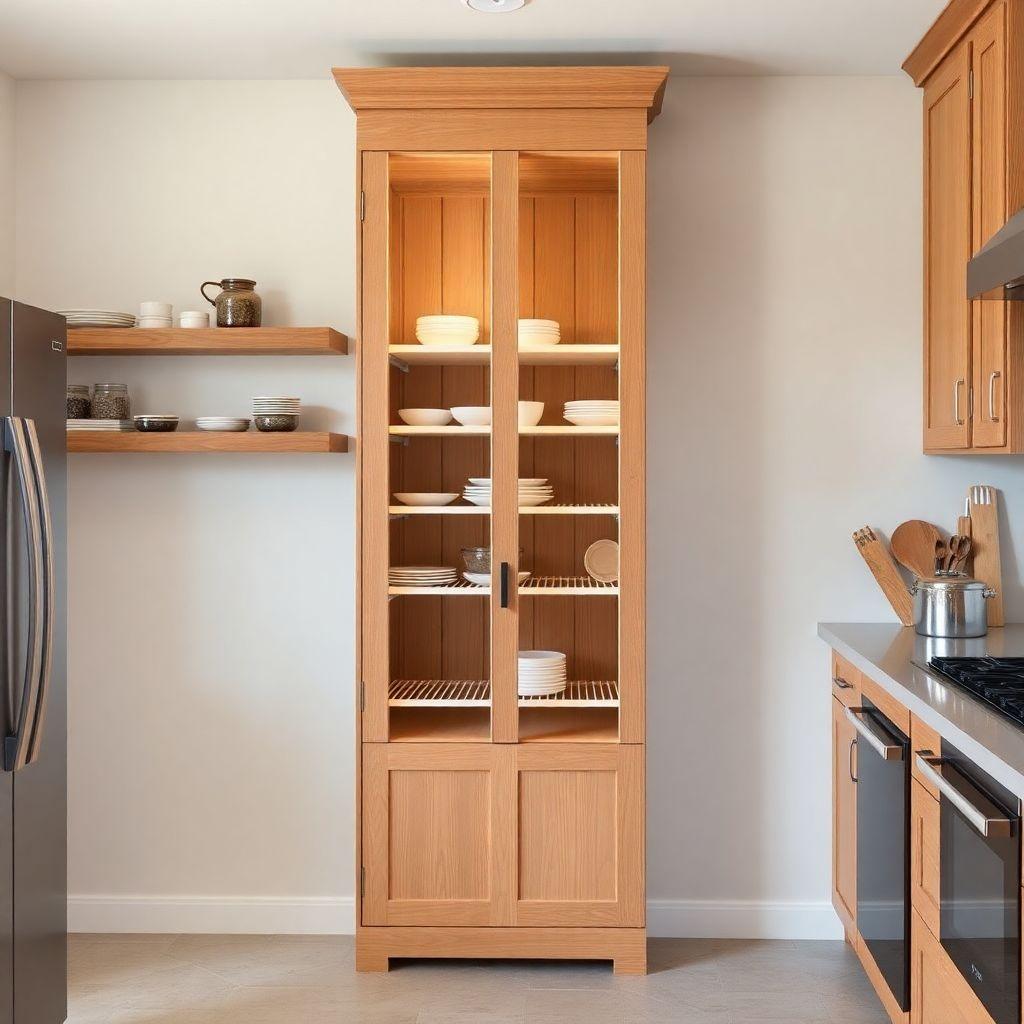
A freestanding, floor-to-ceiling cabinet with adjustable shelves and doors that adds real storage without a built-in.
- Skill level: Intermediate
- Cost: $200 to $450
- Build time: 2 weekends
- Best for: kitchens without a walk-in pantry; apartments and rentals, since freestanding means movable
- Key decision factor: measure ceiling height minus 1/4 inch for clearance. A cabinet built to the exact ceiling height will not tilt up into place once assembled. This is the highest-storage project on the list, and the freestanding design means you can take it with you when you move.
Full plan: /diy-pantry-cabinet/
Kitchen Island
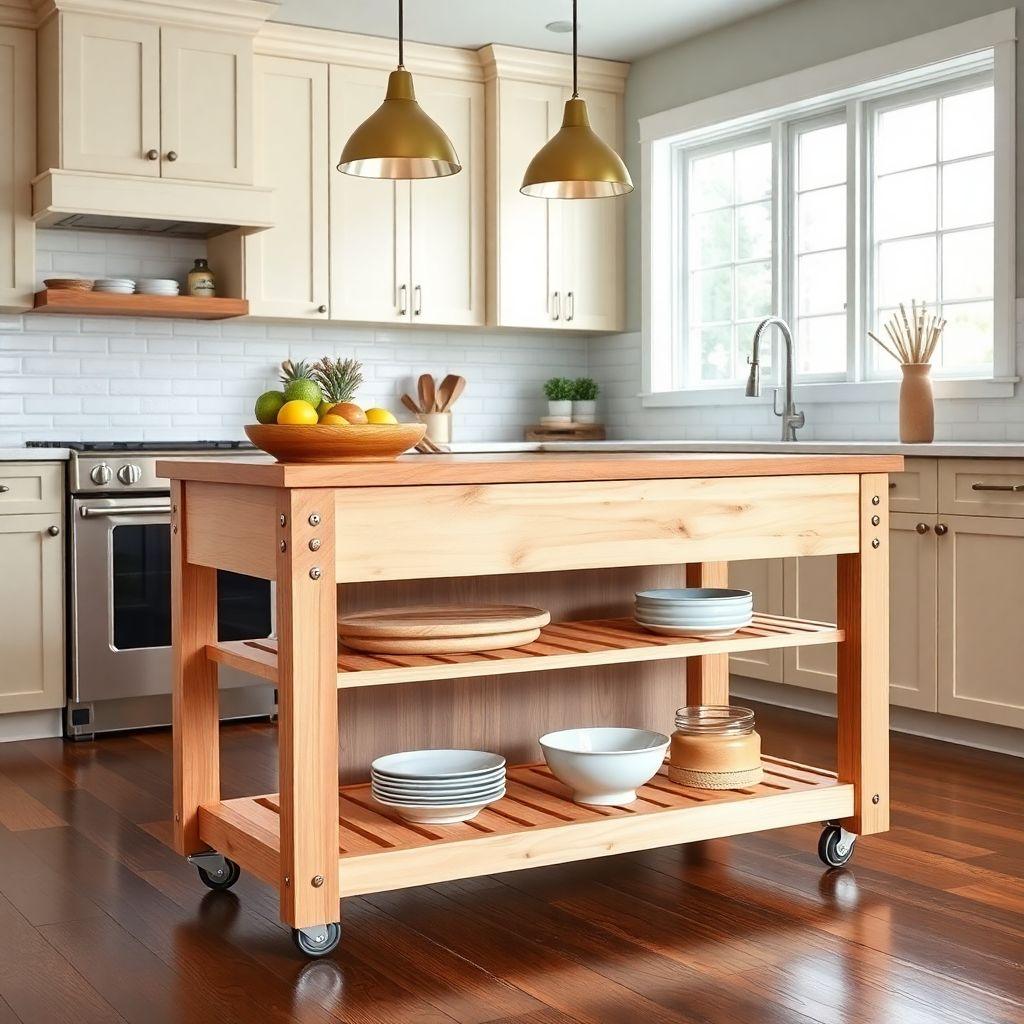
A rolling or fixed island with a butcher-block top, open shelves, and a lower cabinet, adding prep space and storage in the middle of the room.
- Skill level: Intermediate
- Cost: $250 to $500
- Build time: 2 to 3 weekends
- Best for: kitchens with at least 42 inches of clearance on all sides
- Key decision factor: clearance decides everything. Rolling islands need 3-inch locking casters so they stay put while you work. Fixed islands need toe kicks and must be anchored to the floor. If you do not have 42 inches of walk-around space, this is the wrong project and floating shelves are the better pick.
Full plan: /kitchen-island-plans/
Floating Kitchen Shelves
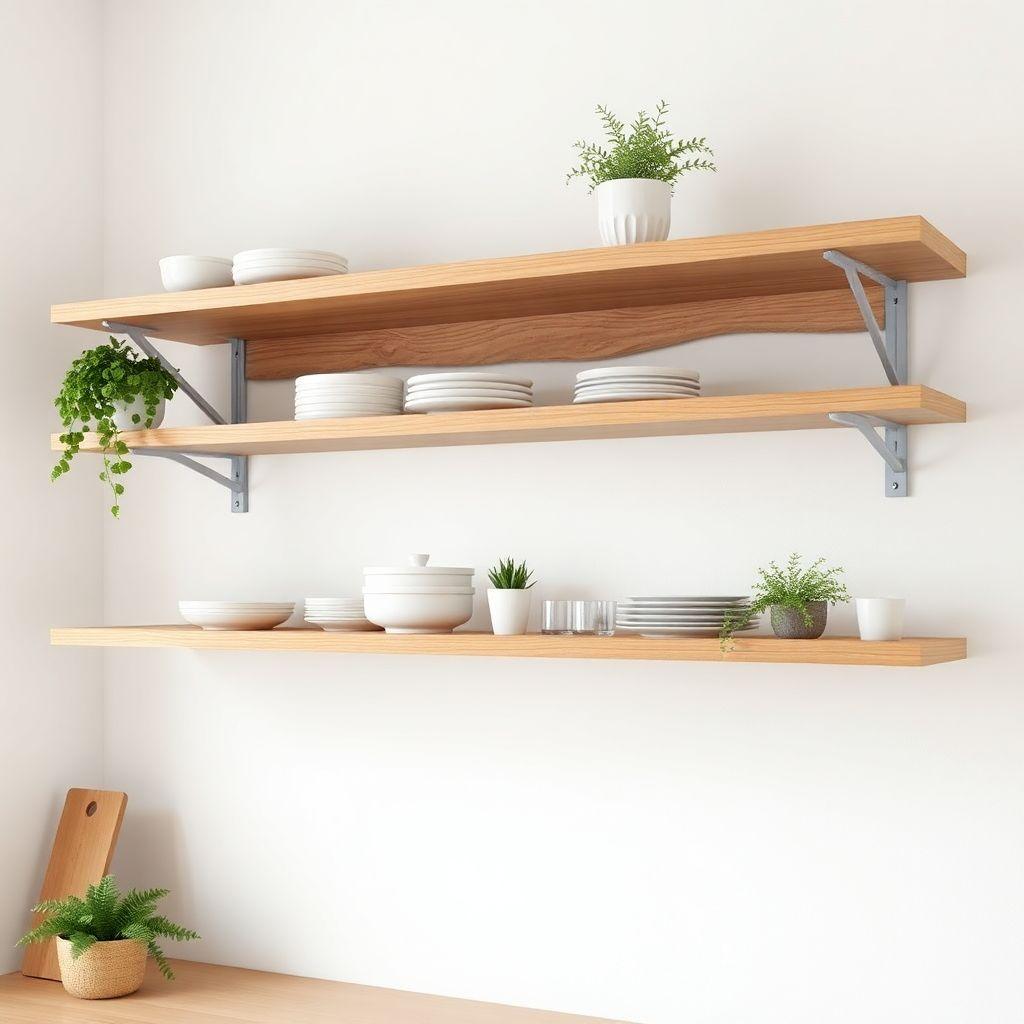
Open wall shelves on a hidden bracket system, giving a clean look with no visible hardware.
- Skill level: Beginner
- Cost: $60 to $180
- Build time: 1 day
- Best for: renters and anyone who wants storage without the bulk of cabinet boxes
- Key decision factor: every shelf needs to hit at least 2 studs. Drywall anchors alone will fail under kitchen loads like stacked plates and canned goods. This is the fastest, cheapest way to add usable storage, and the only project here you can finish in a single day.
Full plan: /floating-kitchen-shelves/
Which Kitchen Project Should You Build First?
Work through these questions in order and stop at the first one that fits.
What is your budget? Under $100 points you to a mud kitchen (outdoor, for kids) or floating shelves (indoor storage). Both come in cheap and fast. Bigger budgets open up the pantry cabinet, island, and range hood.
What is your skill level? If this is your first real build, start with the mud kitchen or floating shelves. Both are beginner projects that teach cutting and assembly without punishing small errors. The hood, cabinet, and island all assume you are comfortable with square cuts and basic joinery.
How much floor space do you have? No open floor space at all means floating shelves or a wall-mounted range hood, since both use vertical space. At least 42 inches of walk-around clearance is required before an island makes sense. A pantry cabinet needs only a single wall and about two feet of depth.
What problem are you solving? For storage, build the pantry cabinet or floating shelves. For a style upgrade, build the range hood. For prep space, build the island. For keeping kids busy outside, build the mud kitchen.
A common first-build path: floating shelves to learn the tools, then a pantry cabinet or island once you trust your cuts.
FAQ
Which of these projects is the cheapest?
The mud kitchen, at $30 to $80, especially if you build it from offcuts. Floating shelves are the cheapest indoor option at $60 to $180.
Which project adds the most storage?
The pantry cabinet. A floor-to-ceiling freestanding unit with adjustable shelves holds far more than open shelving, and you can move it to a new home.
Do I need special tools for the range hood or island?
No specialty tools, but both assume a circular saw or miter saw, a drill, and either pocket screws or basic joinery. If you only own a drill, start with floating shelves or the mud kitchen.
Can renters build any of these?
Yes. Floating shelves, the pantry cabinet, and the mud kitchen all work for renters. The pantry cabinet is freestanding and the mud kitchen lives outdoors, so neither requires permanent changes. Floating shelves do leave screw holes, so check your lease.
How do I choose between a rolling and a fixed island?
Choose rolling if you want flexibility or may rearrange the kitchen; use 3-inch locking casters. Choose fixed if you want a permanent work surface; it needs toe kicks and must anchor to the floor.

“DIY woodworking enthusiast who started with zero experience and a YouTube tutorial.
I build simple, practical projects for my home and share free plans
so other beginners can skip the guesswork.If I can build it, you can too.”