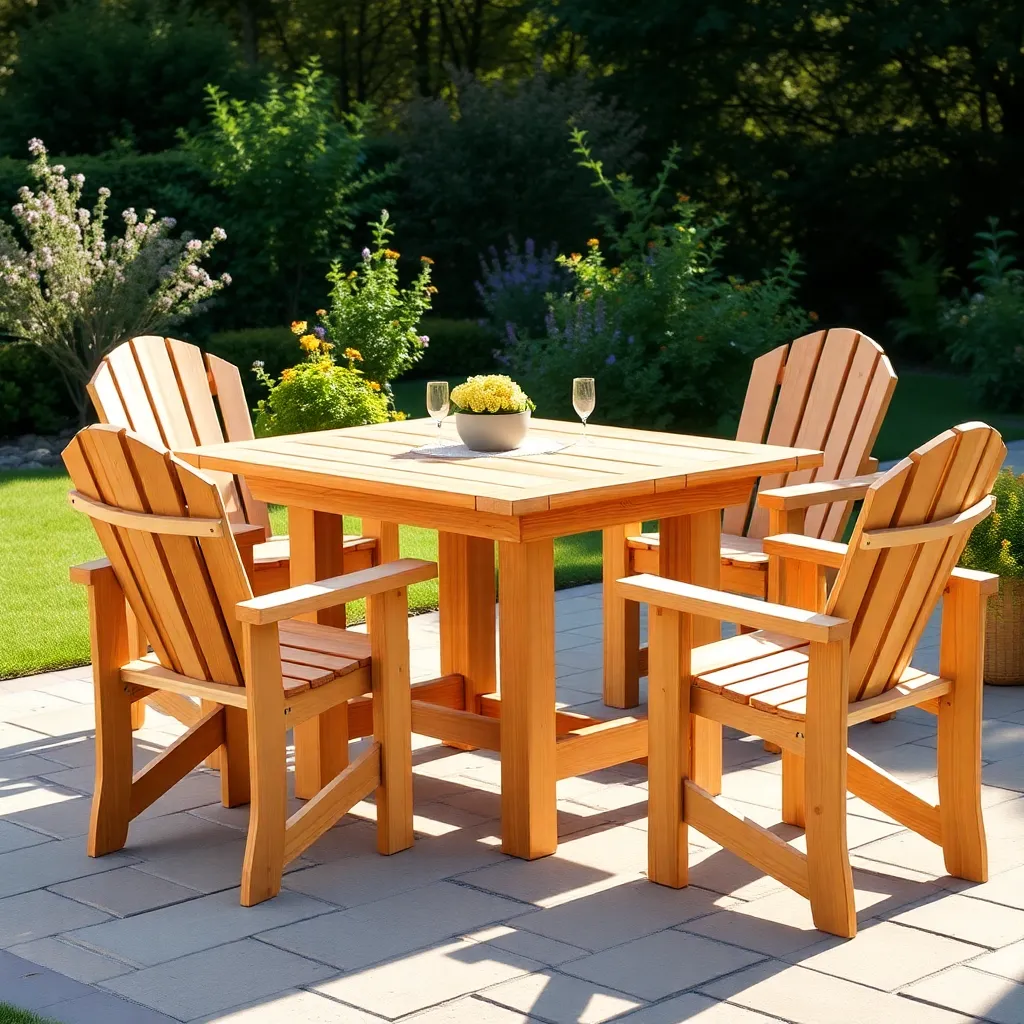
The best outdoor furniture isn’t bought — it’s built. Store-bought patio sets are designed for average bodies on average budgets, which means they fit nobody perfectly and hold up for roughly three seasons before the welds crack and the cushion frames rust through. A piece you build from cedar, teak, or pressure-treated pine will outlast a big-box set by twenty years, costs a fraction of quality retail furniture, and can be sized to fit your specific space.
These six outdoor furniture plans cover the core pieces every patio and garden needs: a bench, a dining table, an end table, a Teak set, a garden chair, and an outdoor coffee table. Each plan uses materials available at any home center, requires basic carpentry tools, and produces a piece that will still be in your yard when your kids inherit the house.
Want 16,000+ step-by-step woodworking plans?
Ted’s Woodworking has plans for every skill level — from simple shelves to full bedroom sets. Each plan includes a cut list, material list, and detailed diagrams. Browse Ted’s plans →
Outdoor Bench Plans
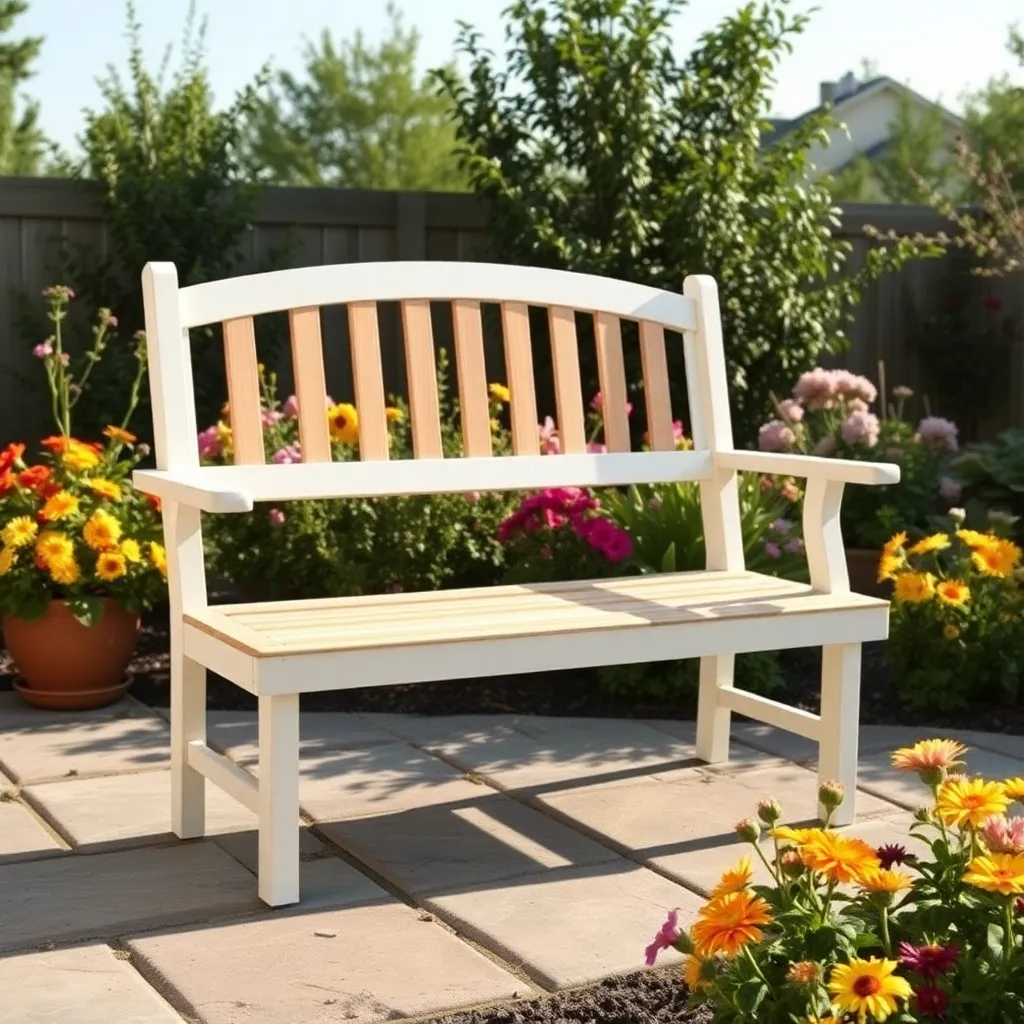
A garden bench is the most useful piece of outdoor furniture you can build — it works on a patio, at the end of a path, beside a raised bed, or at the base of a tree. Outdoor bench plans here cover a classic 6-foot cedar slat bench with angled back, a backless garden bench for tight spaces, and a storage bench with a hinged lid. All three use the same basic frame: two end assemblies connected by seat rails, with slats across the top.
Outdoor Dining Table Plans
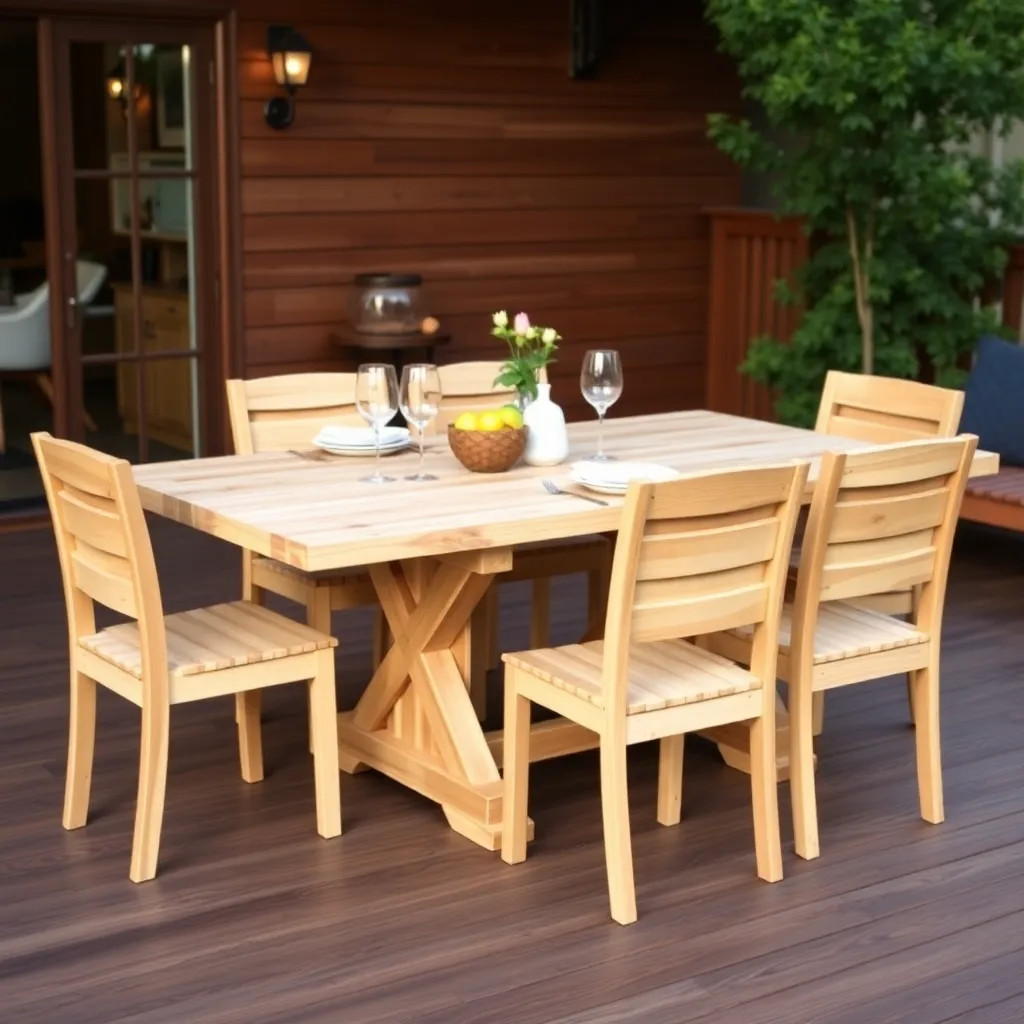
A proper outdoor dining table seats 6–8 adults and stands up to full weather exposure — rain, UV, and winter freezes. Outdoor dining table plans cover a 36×72-inch farmhouse-style table in cedar with a double 2×4 trestle base, plus a round 48-inch table for smaller patios. Cedar and pressure-treated pine are the best choices for a painted table; teak or ipe for a natural finish that needs minimal maintenance.
Patio End Table Plans
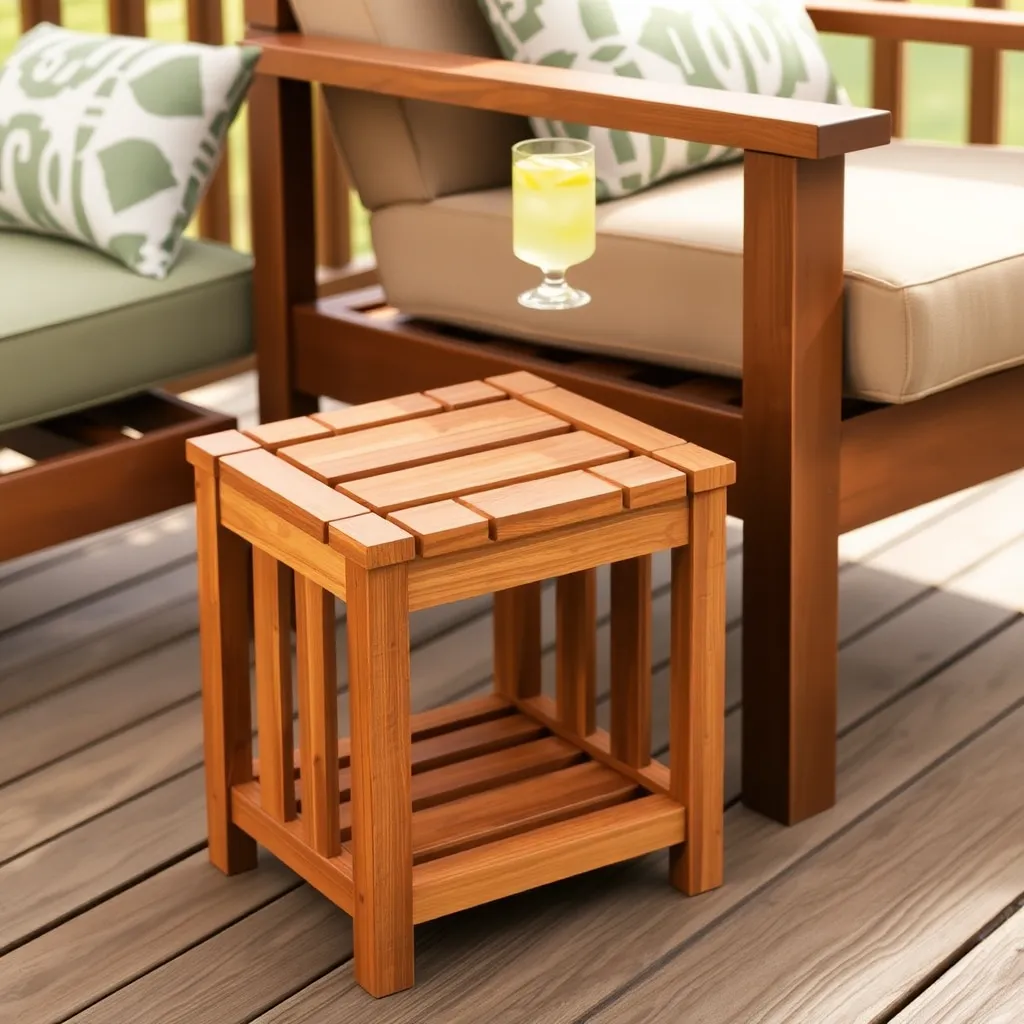
The outdoor end table is often an afterthought, but a well-built one makes every other piece of outdoor furniture more functional — somewhere to set a drink, a book, or a planter without bending down. Patio end table plans cover a slatted cedar end table at 18×18×22 inches (works beside any chair), a folding version that stores flat in winter, and a concrete-top version with cedar legs that won’t move in wind.
Teak Outdoor Furniture Plans
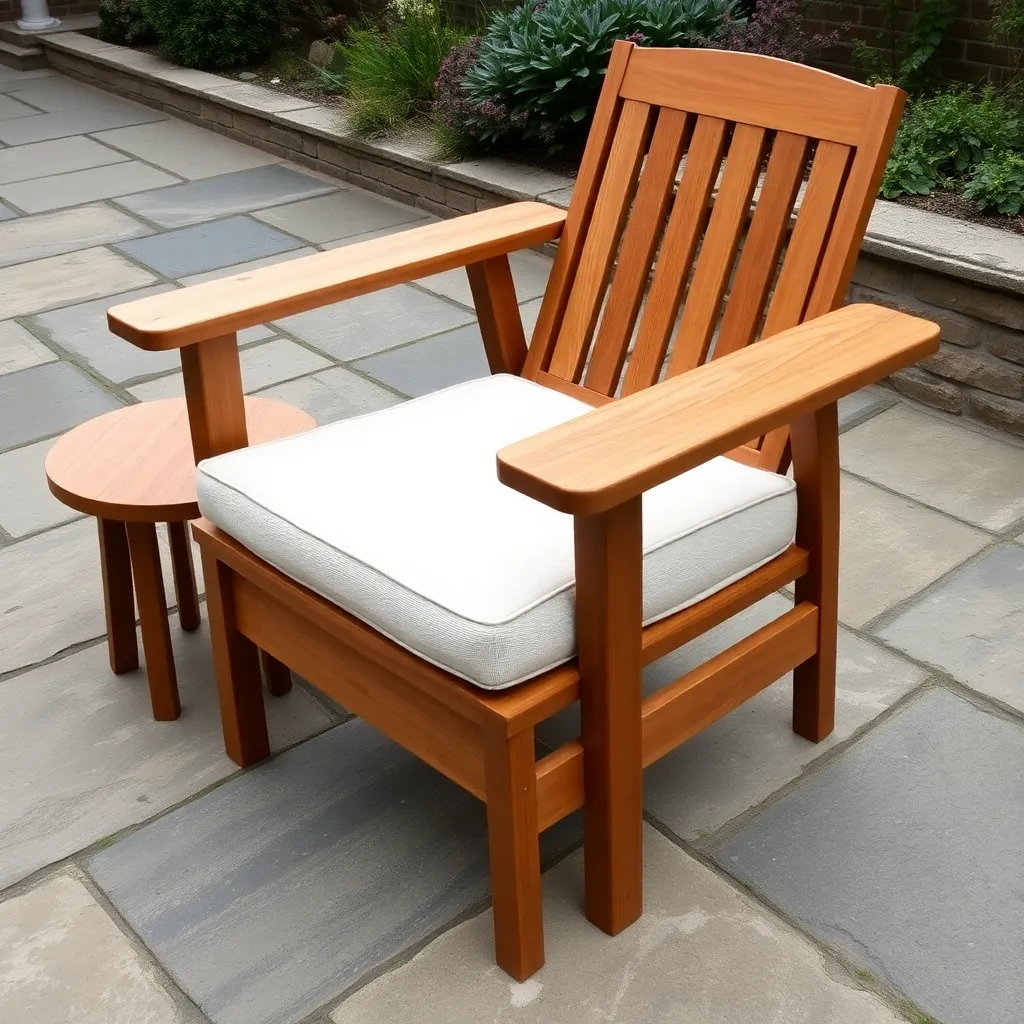
Teak is the gold standard for outdoor furniture — naturally rot-resistant, dimensionally stable through weather cycles, and beautiful enough to leave unfinished and gray gracefully over time. Teak outdoor furniture plans cover a classic steamer chair (the Lutyens design), a teak side table, and a simple slatted bench. Teak costs three to five times more than cedar but requires no annual sealing and outlasts cedar by decades in direct ground contact and wet climates.
Garden Chair Plans
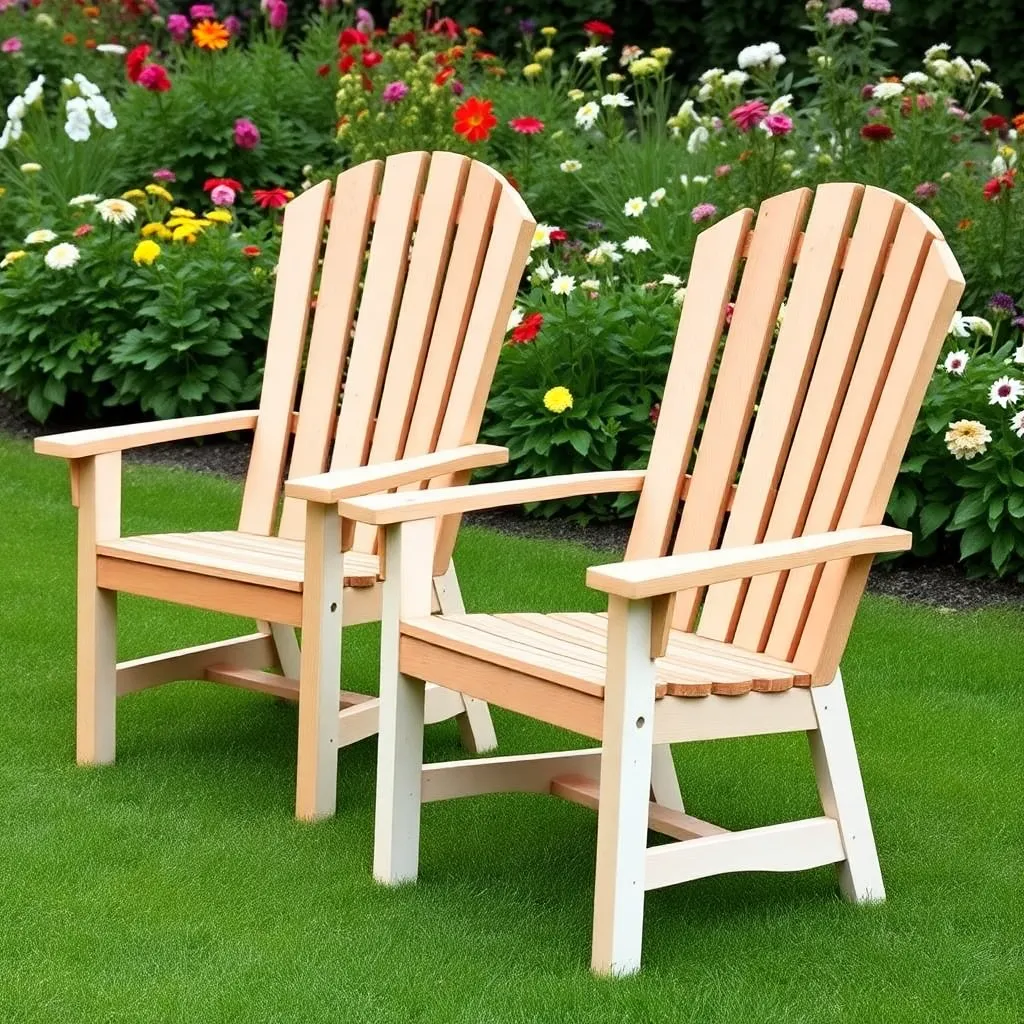
A garden chair lives outside year-round and needs to be light enough to move, strong enough to hold an adult, and weather-resistant enough to require no seasonal care beyond a coat of paint every few years. Garden chair plans cover a classic slatted garden chair in cedar, a folding director-style chair with a canvas seat, and a rustic log chair built from small-diameter round logs and branches — no lumber yard required.
Outdoor Coffee Table Plans
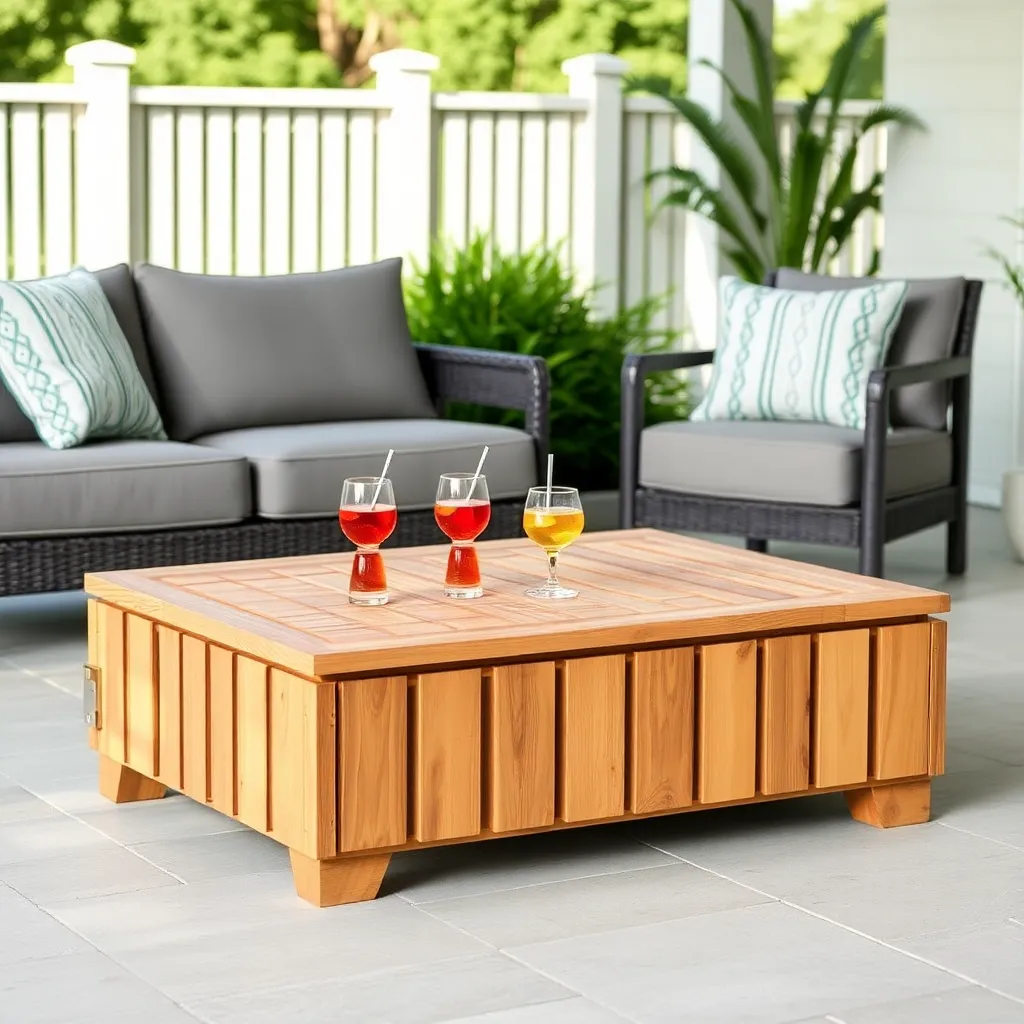
An outdoor coffee table anchors a seating area and gives everyone a surface that isn’t their lap. Outdoor coffee table plans cover a low 20×42-inch cedar slatted table (standard height for outdoor sofas and loveseats), a concrete-top version with steel hairpin legs that is impervious to rain, and a storage ottoman table with a hinged top that hides outdoor cushions when not in use.
Choosing Materials for Outdoor Furniture
Every material choice involves a tradeoff between cost, durability, and maintenance:
| Material | Rot Resistance | Maintenance | Cost | Best For |
|---|---|---|---|---|
| Cedar | Very good | Paint every 5–8 yr | Medium | Painted or stained furniture |
| Teak | Excellent | None required | High | Premium unfinished furniture |
| PT Pine | Excellent | Paint every 5–8 yr | Low | Structural frames, benches |
| Ipe | Excellent | Oil annually | Very high | High-end decking and furniture |
| Douglas Fir | Fair | Seal annually | Low | Budget builds, painted only |
Want 16,000+ step-by-step woodworking plans?
Ted’s Woodworking has plans for every skill level — from simple shelves to full bedroom sets. Each plan includes a cut list, material list, and detailed diagrams. Browse Ted’s plans →
Outdoor Furniture Plans FAQ
What is the best wood for outdoor furniture?
Teak is the most durable — naturally rot-resistant, dimensionally stable, and requires no sealing. For painted furniture at a lower cost, Western red cedar is the best choice. Pressure-treated pine is the most economical for structural pieces like bench frames and table bases, but contains preservatives that require full curing before painting and shouldn’t be used for food contact surfaces.
How do I weatherproof DIY outdoor furniture?
The most effective approach is two coats of a quality exterior penetrating oil (teak oil, linseed oil, or Danish oil) followed by a topcoat of exterior spar varnish or an exterior solid stain. For cedar, a quality exterior paint with a primer coat is simpler and lasts longer than a clear finish. Remove hardware before finishing, and coat all six sides of every board before assembly — the end grain is where water enters.
How long does outdoor furniture last?
Cedar furniture with proper paint maintenance lasts 15–25 years. Teak furniture left unfinished lasts 50+ years. Pressure-treated pine frames last 30+ years. The biggest variables are how well the finish is maintained, whether the furniture is stored or covered in winter, and whether it has ground contact — direct soil contact accelerates rot on any species except teak and ipe.
What tools do I need to build outdoor furniture?
Basic outdoor furniture — benches, chairs, tables — requires a circular saw or miter saw, a drill/driver, a random orbit sander, and a tape measure. A pocket hole jig (Kreg or similar) is the single best tool addition for outdoor furniture: it creates strong, weather-resistant joints without visible fasteners on the face of the piece.
Should I use screws or bolts for outdoor furniture?
Structural joints — where a rail meets a leg, or where a stretcher supports a table top — use 3/8-inch carriage bolts with washers and lock nuts. This joint can be re-tightened as wood seasons. Decorative joints — where slats attach to rails — use exterior-grade deck screws (stainless steel or hot-dipped galvanized) countersunk and filled with an exterior wood plug.

“DIY woodworking enthusiast who started with zero experience and a YouTube tutorial.
I build simple, practical projects for my home and share free plans
so other beginners can skip the guesswork.If I can build it, you can too.”