Part of: Woodworking Tools Guide →
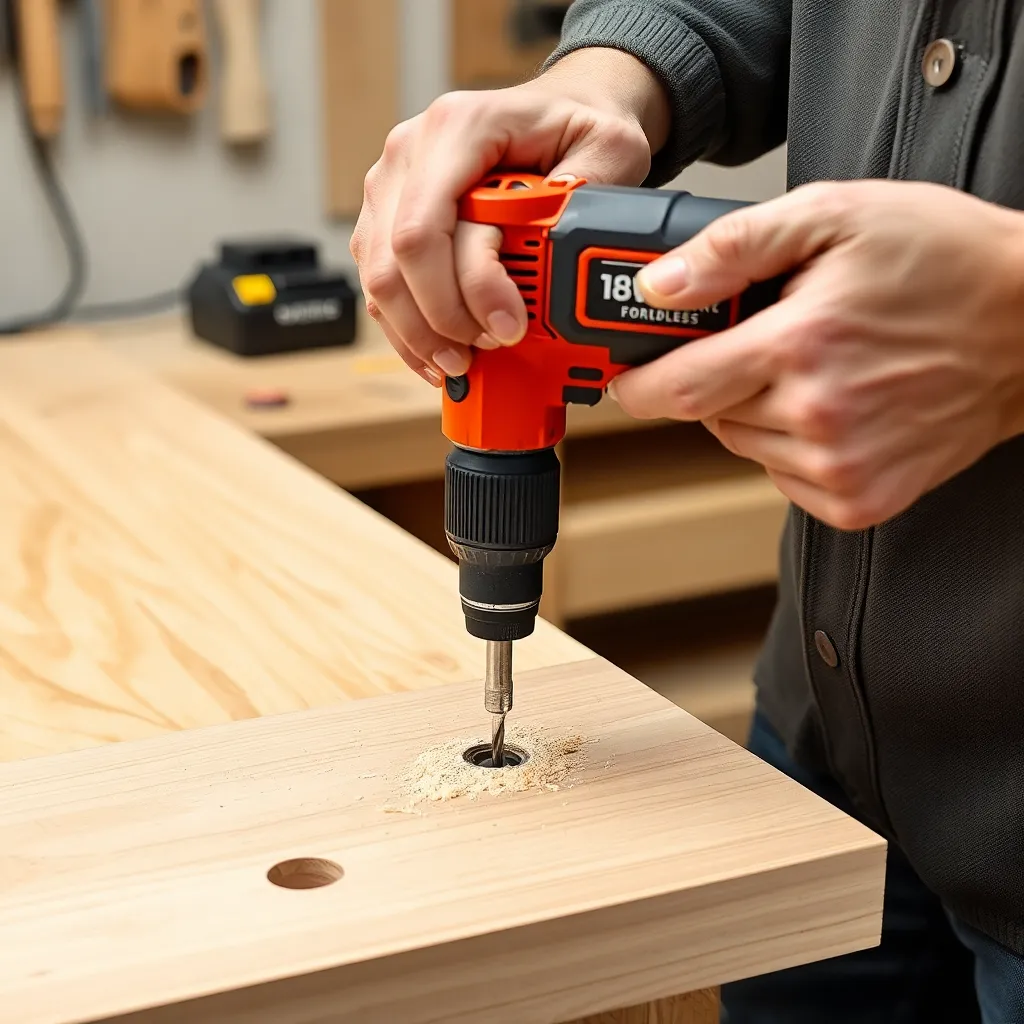
The cordless drill is the most-used power tool in any woodworking shop. It bores holes, drives screws, mixes finishes, and handles dozens of auxiliary tasks through its versatile chuck. Modern 18V lithium-ion cordless drills have enough torque, speed, and battery life to handle professional-level work without the cord management of corded tools. This guide covers how to choose, set up, and use a cordless drill effectively for woodworking — from bit selection to clutch setting to drilling technique.
Ted’s Woodworking has 16,000+ plans with complete tool and hardware specifications. Browse Ted’s plans →
Impact Drill vs Drill
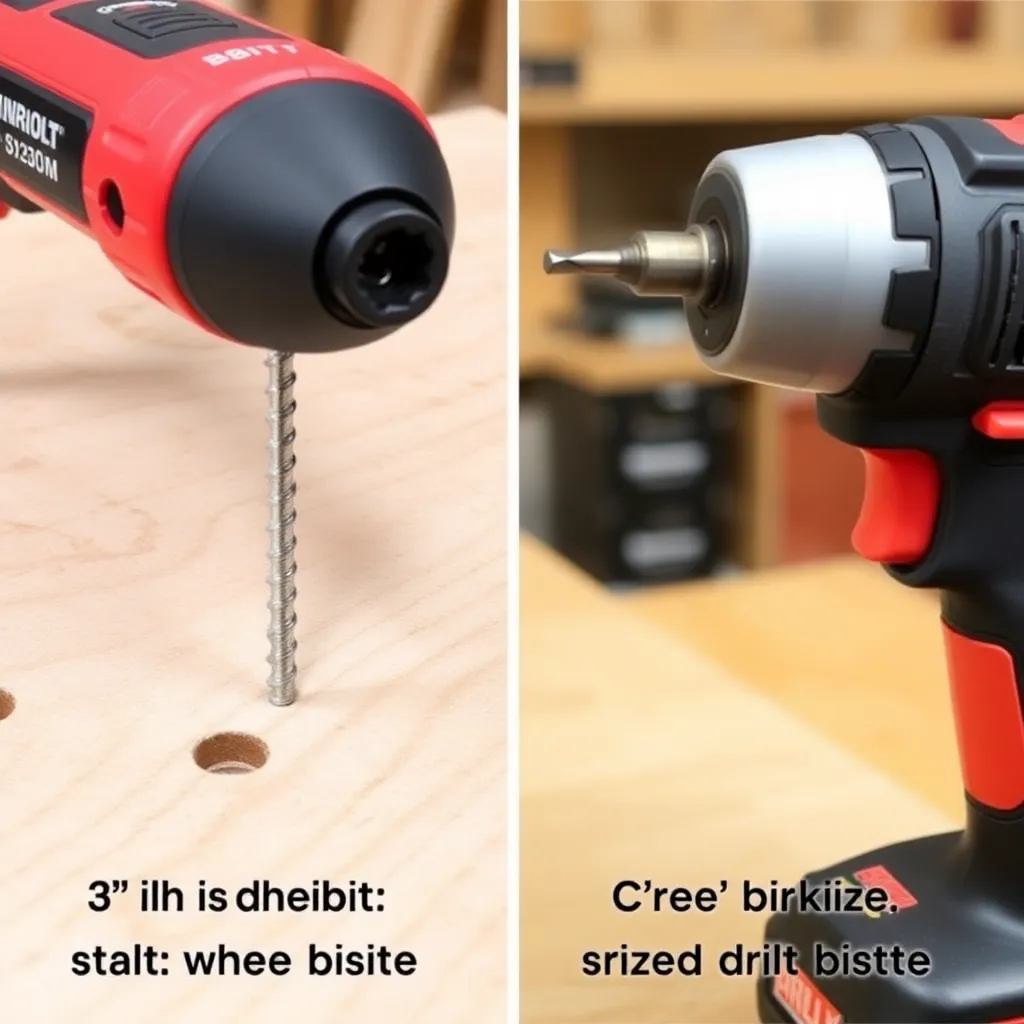
Before getting deep into cordless drill technique, the most common question: what’s the difference between a regular drill and an impact drill (impact driver), and which one do you need?
The short version: A standard drill/driver applies smooth, continuous rotational torque controlled by a clutch. An impact driver delivers high-torque bursts via a hammer mechanism — 2-4x more effective torque for driving large fasteners, but no clutch for depth control and only accepts hex-shank bits.
What’s covered: how each tool’s mechanism works; what each does best (drill for holes and precise small screw driving; impact driver for long screws, lag bolts, and repetitive driving); bit compatibility differences; and when to own both tools. For woodworking, both are useful: drill for boring holes and clutch-controlled driving, impact driver for structural fastening and long screws.
Key principle: if you’re adding to a tool collection — buy both on the same battery platform. Combo kits (drill + impact driver, 2 batteries) cost 20-30% less than buying separately and cover every fastening and boring task optimally.
Drill Driver Versus Impact Driver
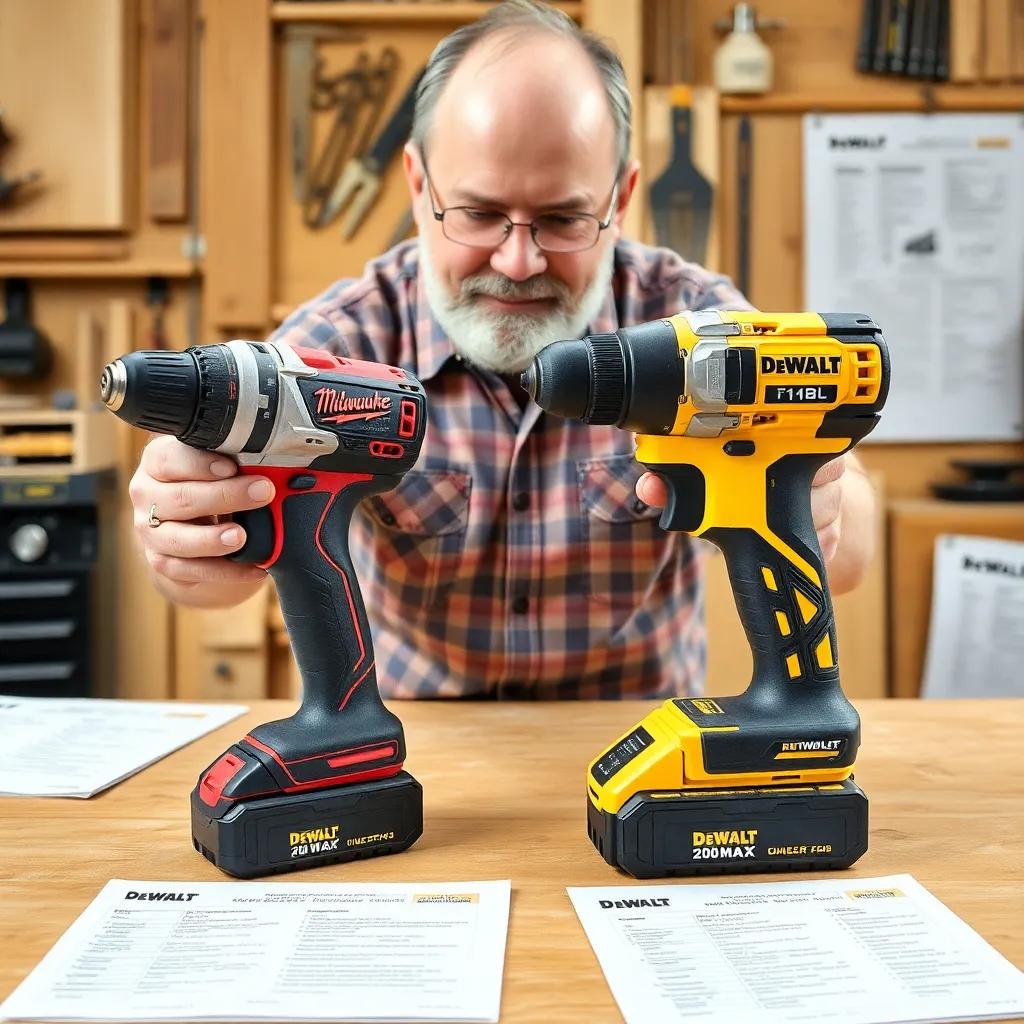
A deeper comparison of these two tools covering every meaningful difference: mechanism, performance by task type, physical differences, and buying guidance.
What’s covered: core mechanical differences (drill driver clutch vs impact driver hammer-and-anvil); performance comparison by task (short screws, long screws, lag fasteners, hole boring, pilot holes, repetitive driving); physical differences (size, weight, noise, chuck type, speed); and buying guidance (battery platforms, recommended brands, torque specs, combo kits vs individual tools).
Key principle: the clutch is the drill driver’s defining advantage — it stops the fastener at a set depth without overdriving. The hammer mechanism is the impact driver’s defining advantage — it multiplies torque at the moment of maximum resistance without transmitting that torque to the user’s wrist. These advantages don’t overlap; both tools earn a place in every woodworker’s shop.
Cordless Drill Basics: Setup and Use
Clutch settings:
The numbered ring around the chuck sets the maximum torque the drill delivers before the clutch disengages. Lower numbers = lower torque (for small, delicate screws in soft material). Higher numbers = higher torque (for larger screws, harder material). The highest setting (often marked with a drill bit icon) disables the clutch entirely for hole boring. Correct clutch setting: start one setting above where the clutch slips on the first screw; adjust until screws seat consistently without overdriving.
Speed settings:
Most drills have a 2-speed gearbox. Low gear (1): slower speed, more torque — use for large diameter holes (Forstner bits, hole saws, spade bits over 1″) and driving large screws. High gear (2): faster speed, less torque — use for small holes and driving small screws. The variable speed trigger provides additional fine control within each gear.
Bit selection:
- Twist bits: general-purpose holes in wood, metal, plastic. HSS (high-speed steel) for wood and soft metal; cobalt for hardwood and hard metal.
- Brad-point bits: wood-specific; the brad center point prevents wandering and produces cleaner holes than twist bits in wood.
- Forstner bits: large, flat-bottomed holes for hardware installation, overlapping holes, and any hole requiring a flat bottom.
- Spade bits: fast, rough hole boring where appearance isn’t critical (running wires, rough plumbing).
- Hole saws: large-diameter holes (1″ to 6″) for door hardware, plumbing, and electrical boxes.
Pilot hole sizing:
For screws: the pilot hole should be the diameter of the screw’s shank (the smooth section below the head, above the threads). This prevents splitting in hardwood and allows the screw to draw material together. In softwood: pilot holes are optional for small screws but recommended near board edges and ends.
Cordless Drill Buying Guide
Voltage:
18V (called 20V MAX by DeWalt and some others — it’s the same voltage) is the standard for shop use. Sufficient torque for all woodworking tasks, wide battery ecosystem, good run time. 12V is lighter but limits torque for large Forstner bits, hole saws, and large screws.
Chuck size:
3/8″ chuck: adequate for most woodworking — accepts bits up to 3/8″ shank. 1/2″ chuck: required for large Forstner bits (over 1-1/4″) and large hole saws that have 1/2″ shanks. For a woodworking shop: 1/2″ chuck preferred; it handles everything a 3/8″ does plus larger bits.
Battery capacity:
2.0Ah batteries: light, good for short sessions. 4.0-5.0Ah batteries: longer run time, better for sustained shop use. Buy at least two batteries per platform — one on the tool, one on the charger.
Brand:
Milwaukee M18 FUEL, DeWalt 20V MAX XR, Makita 18V LXT, and Bosch 18V ProCORE are professional-grade platforms. All four are reliable and have comprehensive tool ecosystems. Choose based on which platform’s other tools you want — once committed to a battery platform, switching brands means replacing batteries.
Cordless Drill FAQ
What is a cordless drill used for in woodworking?
In woodworking, a cordless drill is used for: boring pilot holes before driving screws (prevents splitting); boring clean holes for dowels, hardware, and joinery with brad-point or Forstner bits; driving screws and bolts with screwdriver bits; and occasionally mixing finishes or adhesives with a mixing paddle. The clutch-controlled screw driving is critical for woodworking — it prevents overdriving screws that would crush wood fibers or strip screw holes.
How do I choose the right drill bit for wood?
For clean, accurate holes: brad-point bits are the best choice for wood. The center brad prevents the bit from wandering at hole entry; the outer spurs score the perimeter before the cutting edges clear the material, producing a clean-edged hole. For flat-bottom holes (hardware installation, Forstner bits): use a Forstner bit — it cuts a perfectly flat-bottomed, clean-sided hole with minimal tear-out. For quick, rough holes: spade bits are fast and inexpensive. Avoid standard twist bits for show-face wood holes — they produce rougher edges than brad-point bits.
What is the best cordless drill for woodworking?
The Milwaukee M18 FUEL 1/2″ drill driver (2804-20) and DeWalt 20V MAX XR 1/2″ drill driver (DCD991) are the professional standard. Both offer 60+ Nm of torque, 21+ clutch settings, two-speed gearbox, and compatibility with large professional battery ecosystems. For budget-conscious purchases: the Milwaukee M18 compact drill (2606-20) and DeWalt 20V MAX compact drill (DCD777) are mid-tier options that handle all woodworking tasks at lower cost. Ryobi 18V ONE+ PCL210B is the value choice for homeowners.
How long does a cordless drill battery last?
A 5.0Ah 18V battery lasts approximately 45-90 minutes of moderate shop use (intermittent drilling and driving, not continuous). For continuous heavy use (boring large holes, driving long screws repetitively), expect 30-45 minutes. Run time improves significantly with higher-capacity batteries (6.0Ah, 8.0Ah) for the same tasks. Buy two batteries — alternate between them with one always on the charger. A 5.0Ah battery charges from depleted to full in 45-60 minutes with a rapid charger.

“DIY woodworking enthusiast who started with zero experience and a YouTube tutorial.
I build simple, practical projects for my home and share free plans
so other beginners can skip the guesswork.If I can build it, you can too.”