Part of: Cordless Drill Guide →
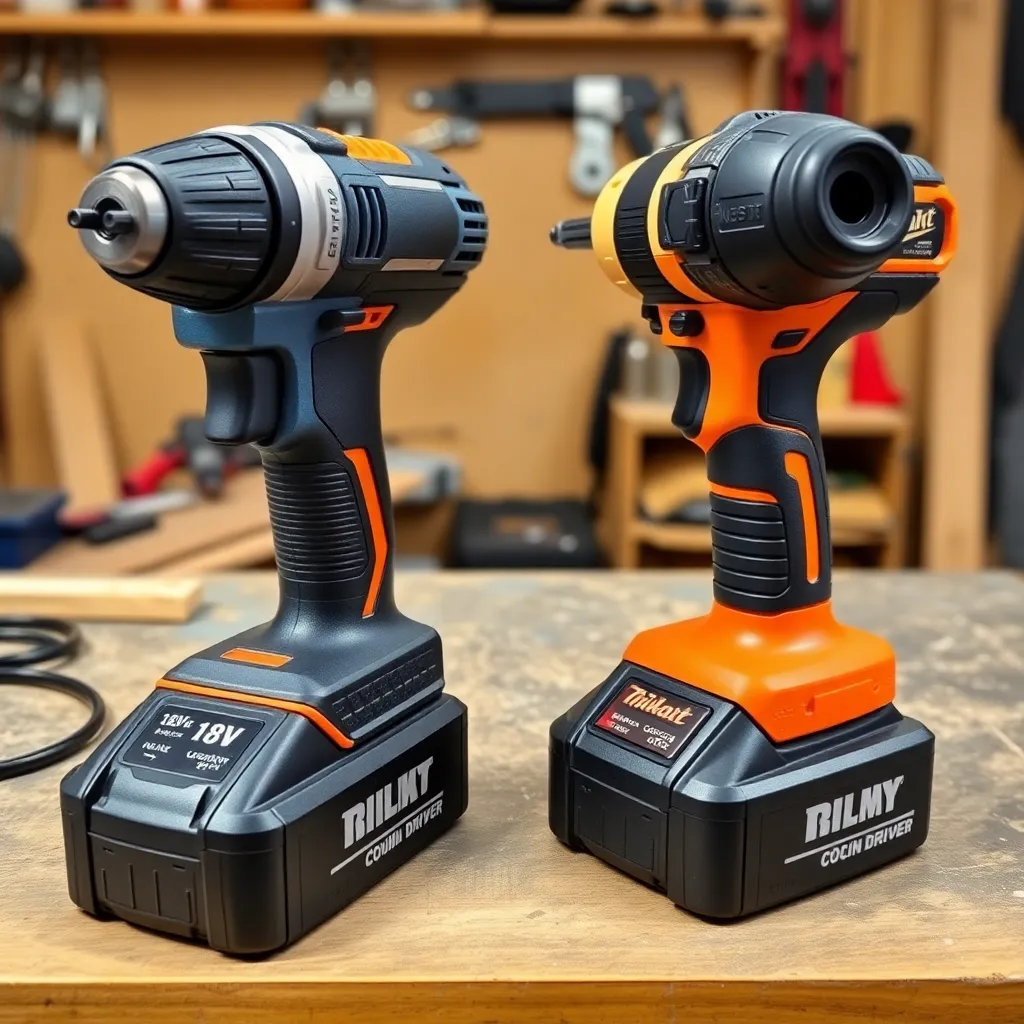
The terms “impact drill” and “drill” describe two fundamentally different tools that work in completely different ways — but they’re often confused because both drive screws and bore holes. A standard drill (drill/driver) uses continuous rotational force to drive fasteners. An impact drill (impact driver) uses rapid, hammering rotational bursts to drive fasteners with significantly more torque and less user effort. Understanding the difference determines which tool to reach for on every fastening task, and whether you need both in your shop.
Ted’s Woodworking has 16,000+ plans with complete tool lists for every project. Browse Ted’s plans →
Step 1: Understand How Each Tool Works
Goal: Know the operating mechanism of each tool so you can predict performance differences.
How a standard drill/driver works:
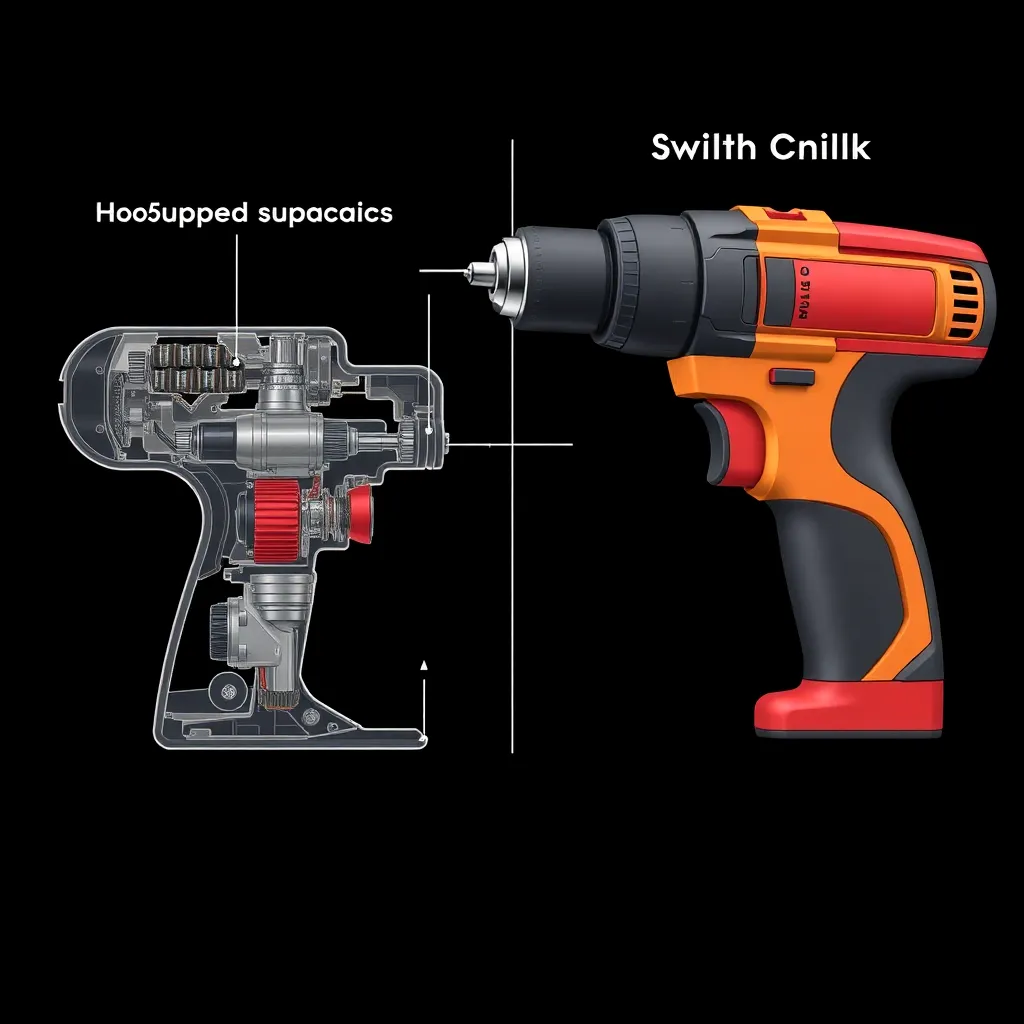
A drill/driver applies smooth, continuous rotational torque to the bit. The motor spins the chuck — and whatever bit is in it — at a consistent speed and with consistent torque. The torque is set by the clutch (the numbered ring around the chuck): a lower clutch setting applies less torque and disengages before overdriving; a higher setting applies more. Drills excel at boring holes (the primary use) and driving screws with precise depth control.
How an impact driver works:
An impact driver also rotates the bit, but it adds a hammering mechanism that fires up to 3,000 times per minute when the driver encounters resistance. When you drive a screw and it starts to bind, the internal hammer mechanism engages: a spring-loaded hammer strikes an anvil, delivering short, sharp bursts of rotational force (impacts) that push the fastener through the resistance. This impact action multiplies effective torque dramatically — a compact impact driver outperforms a full-size drill/driver on torque.
The practical difference:
A drill/driver applies up to 400-500 in-lbs of torque smoothly. An impact driver delivers 1,000-1,800 in-lbs in impact bursts. For a 3-inch deck screw into hardwood: the drill strains and can cam out; the impact driver drives it smoothly in 2-3 seconds. The impact driver is also more compact and lighter than a comparable drill, and produces less wrist strain because the torque is absorbed by the mechanism rather than transmitted to the user.
Milestone: The key conceptual difference: a drill applies smooth, constant torque (adjustable via clutch). An impact driver applies pulsed, high-torque bursts when resistance is encountered. Both rotate bits; only one impacts.
Step 2: What Each Tool Does Best
Goal: Know the right tool for each task.
Drill/driver strengths:
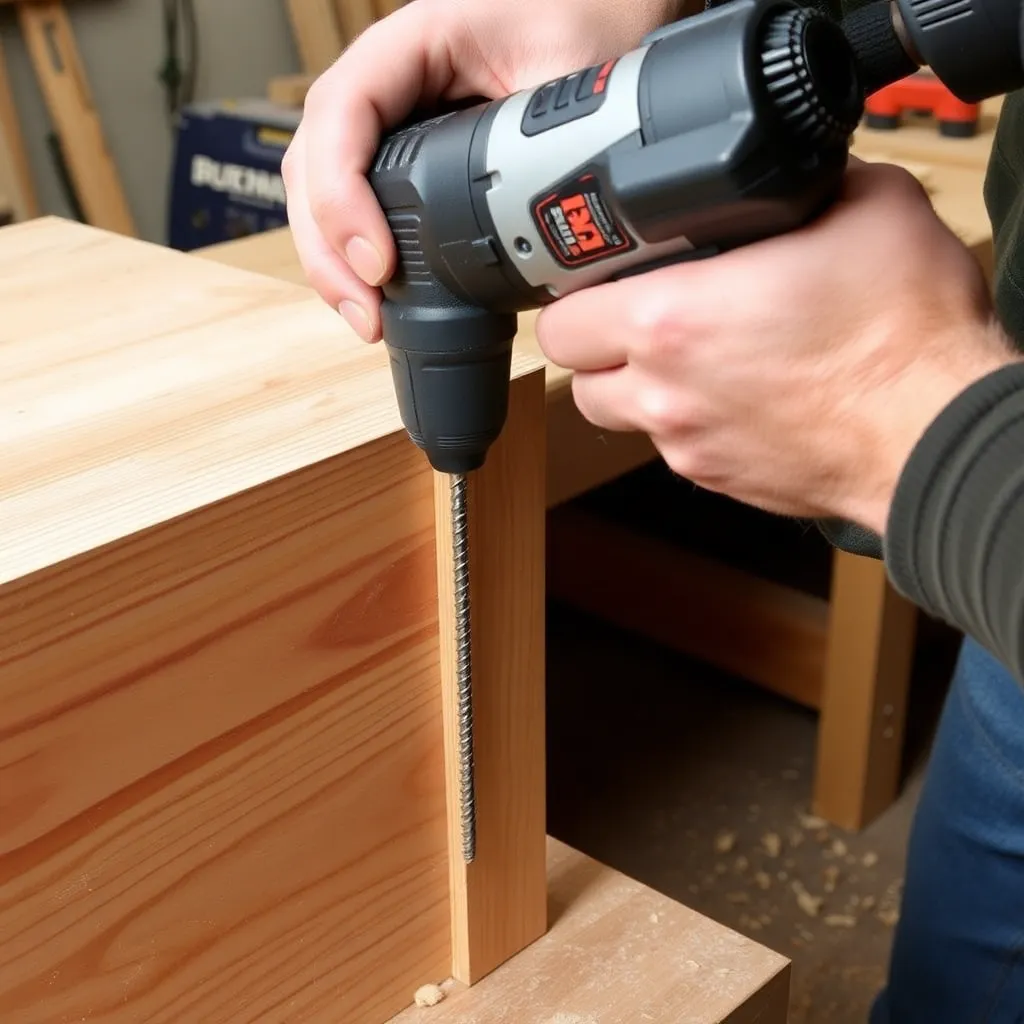
- Boring holes: The drill/driver is the correct tool for boring holes. A standard drill chuck accepts any drill bit; the smooth, constant rotation produces clean holes. An impact driver accepts only hex-shank bits — it can bore holes with hex-shank bits but produces a rougher, less controlled hole because the impact mechanism fires during drilling.
- Driving small screws: For short, small-diameter screws (drywall screws, pocket hole screws, assembly screws in softwood), the drill’s clutch lets you set exact depth — the clutch disengages the moment the screw is seated, preventing overdriving. Impact drivers have no clutch and can easily overdrive small screws.
- Mixing and stirring: The drill chuck accepts mixing paddle attachments; impact drivers don’t.
- Precise speed control: Variable speed trigger and clutch give fine control for delicate tasks.
Impact driver strengths:
- Long screws: 2.5″ and longer screws drive effortlessly with an impact driver. The impact mechanism eliminates cam-out (the bit slipping out of the screw head under torque) — the short bursts of torque keep the bit seated while driving.
- Large fasteners: Lag screws, structural screws, and timber screws require the torque of an impact driver. A drill/driver bogs down or burns out the motor on 3/8″ lag screws.
- Repetitive screw driving: Driving hundreds of deck screws, framing screws, or subfloor screws — the impact driver is dramatically faster and produces less fatigue than a drill.
- Tight spaces: Impact drivers are shorter and lighter than comparable drills — they fit into tighter spaces and are easier to use overhead.
- Stripped screws: The impact action can often drive a screw that a drill’s smooth torque can’t budge.
Milestone: Quick decision rule: boring a hole → drill. Driving a short screw with precision depth → drill. Driving a long screw, lag bolt, or structural fastener → impact driver. Repetitive driving of any screw → impact driver.
Step 3: Bit Compatibility
Goal: Know which bits work in each tool.
Drill/driver bit compatibility:
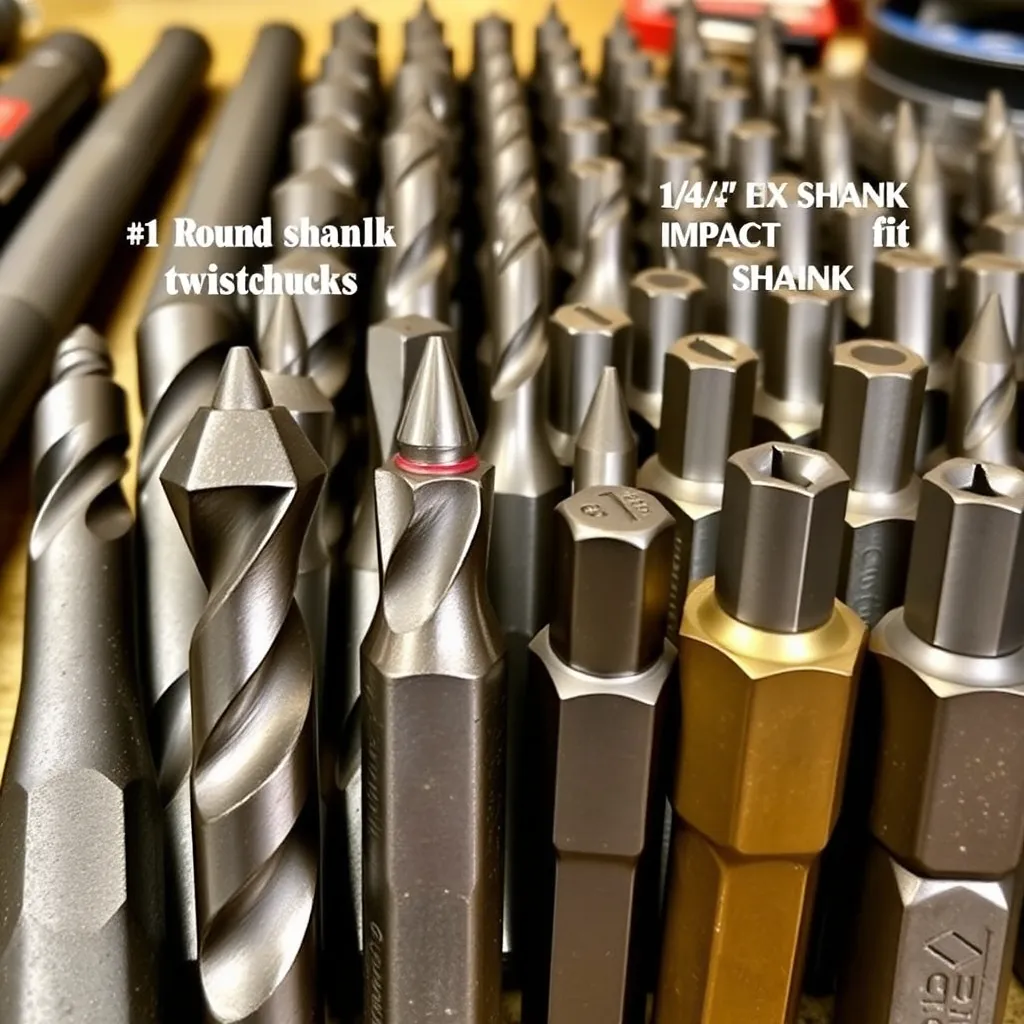
The keyless chuck accepts any round or hex shank bit: twist drill bits, spade bits, Forstner bits, hole saws, mixing paddles, hex-shank screwdriver bits. The chuck grips any diameter within its range (typically 3/8″ or 1/2″). This versatility makes the drill/driver the more flexible tool for boring.
Impact driver bit compatibility:
The impact driver has a quick-connect 1/4″ hex chuck — it accepts only 1/4″ hex shank bits. This limits it to hex-shank screwdriver bits and hex-shank drill bits. Standard round-shank drill bits do not fit. “Impact-rated” bits are made from more flexible steel that absorbs the impact forces without snapping — using standard screwdriver bits in an impact driver works but the bits wear faster and can snap under heavy impacts.
Hex-shank drill bits for impact drivers:
Hex-shank twist bits, hex-shank spade bits, and hex-shank hole saws are available, making it possible to bore holes with an impact driver. However: standard drills produce cleaner, more accurate holes — use hex-shank bits in the impact driver only when switching tools is inconvenient.
Milestone: Always use impact-rated bits in an impact driver — they’re identified with “Impact” or “Torsion” on the packaging. Standard bits work but fail faster. Never use a standard round-shank bit in an impact driver.
Step 4: When to Own Both Tools
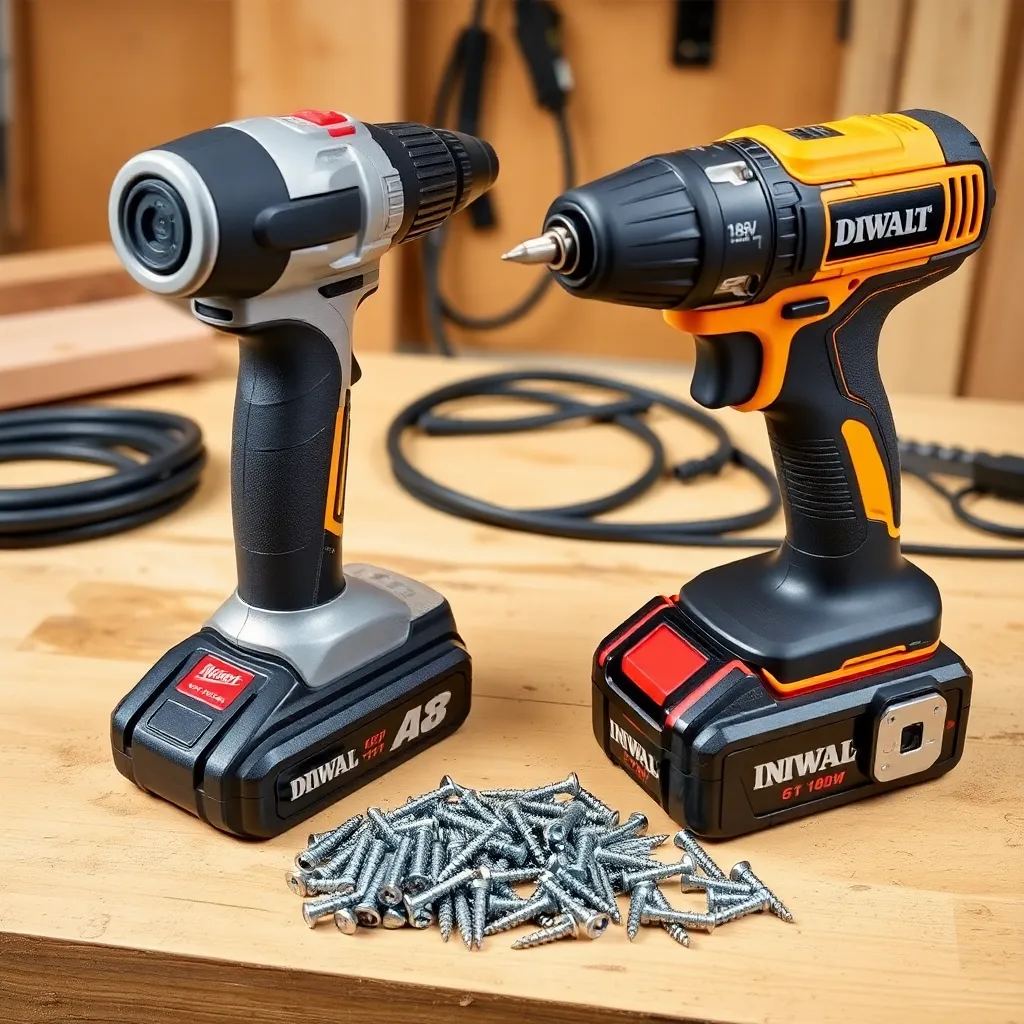
Goal: Decide whether you need one tool or two.
The case for owning both:
Professional woodworkers and contractors carry both an impact driver and a drill/driver — often two of each, one for each task type. The combination covers every fastening and boring task optimally: drill for holes and small screws with clutch control, impact for large fasteners and repetitive driving. Modern 2-piece combo kits (drill + impact driver, same battery platform) cost $150-250 and are the most practical purchase for a full-capability tool set.
If you can only own one:
- Choose a drill/driver if: you primarily bore holes, drive small screws, work with delicate materials, and do occasional fastening. The drill handles everything (including large screws, slowly) and offers clutch control the impact driver can’t match.
- Choose an impact driver if: you primarily drive fasteners (framing, decking, cabinet assembly), work with long screws and large fasteners, and rarely need to bore precision holes. Impact drivers are also available with auxiliary chuck adapters that accept round-shank bits.
Battery platform:
Both tools should be on the same battery platform (same brand, same voltage). A Milwaukee M18 drill and M18 impact driver share batteries — buy the 2-piece combo kit and both tools share a charger and two batteries. Mixed platforms require separate battery inventories.
Milestone: For woodworking: a drill/driver handles daily shop tasks (boring mortises, pocket holes, assembly) while an impact driver handles structural fastening (decking, framing, large hardware). If budget is limited: a quality drill/driver first, impact driver second.
Impact Drill vs Drill FAQ
What is the difference between an impact drill and a regular drill?
An impact drill (impact driver) delivers torque in rapid, high-power rotational bursts — up to 3,000 impacts per minute — when it encounters resistance. A regular drill (drill/driver) applies smooth, continuous rotational torque controlled by a clutch. The impact driver produces 2-4x more effective torque for driving large fasteners but has no clutch for precise depth control. The regular drill is more versatile (accepts any bit, has clutch control) but less powerful for heavy driving tasks.
Can an impact driver replace a drill?
For driving screws: yes, an impact driver does it better in most cases. For boring holes: no — impact drivers accept only hex-shank bits and produce less clean, less controlled holes than a standard drill. The impact mechanism also makes fine depth control difficult. In practice: an impact driver handles 80% of fastening tasks better than a drill, but a drill is still needed for hole boring, small screw driving with depth control, and tasks requiring a keyless chuck.
Why does my impact driver cam out less than my drill?
Impact drivers cam out less because the torque is applied in short bursts rather than continuously. With a drill, continuous torque pushes the bit straight out of the screw head when resistance builds — this is cam-out. With an impact driver, each impact burst is short enough that the bit stays seated; the next burst advances the screw further before the bit can pop out. This is the primary mechanical reason impact drivers drive large screws better than drills on the same task.
Should I use an impact driver for woodworking?
Yes, for fastening tasks. Use an impact driver for: driving pocket hole screws (especially in hardwood), driving structural screws for cabinet assembly, installing hardware with multiple screws, building projects requiring long screws. Use a drill for: boring mortises, pilot holes, Forstner bit holes, pocket holes setup (boring the pocket before driving the screw). A drill/driver and impact driver together cover all woodworking fastening and boring tasks optimally.

“DIY woodworking enthusiast who started with zero experience and a YouTube tutorial.
I build simple, practical projects for my home and share free plans
so other beginners can skip the guesswork.If I can build it, you can too.”