TL;DR:
- Choosing a wooden coffee table depends on room size, function, safety, skill level, and budget.
- Common shapes include rectangular, square, round, and oval, each suited for different layouts.
- Style options range from classic slabs to modern mixed-material designs, requiring varying skill levels.
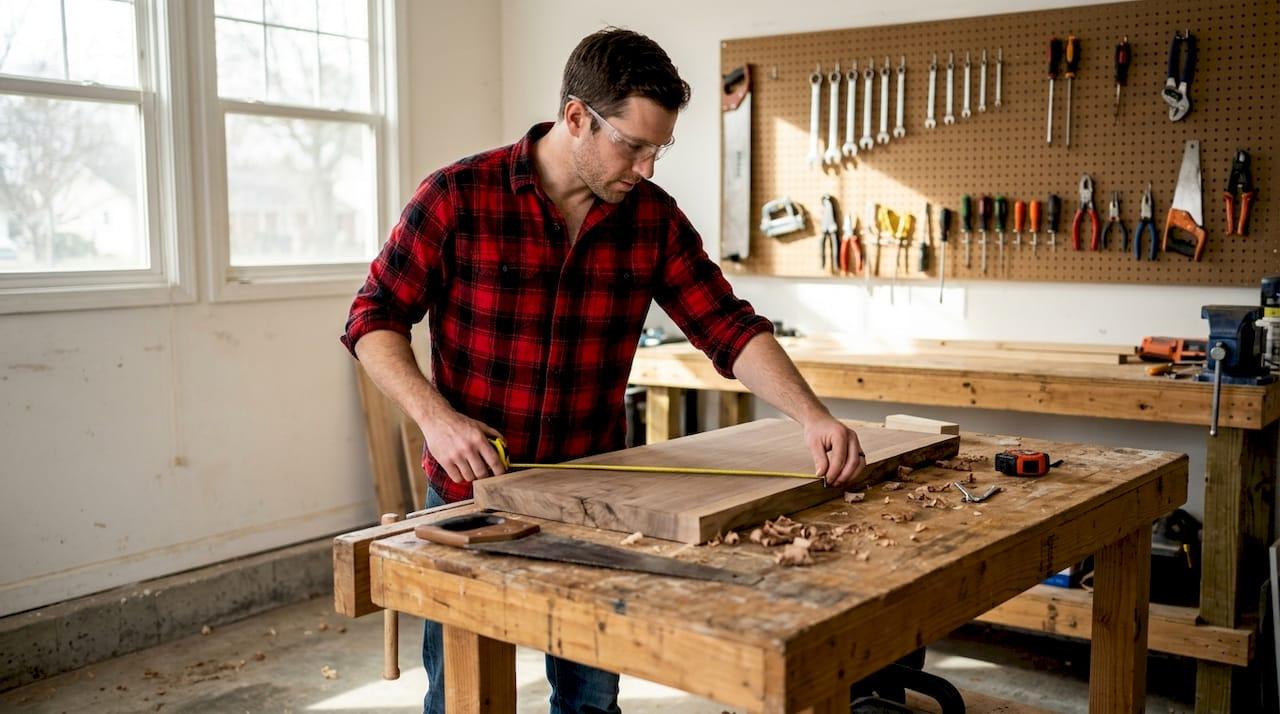
Picking the right wooden coffee table for your home sounds simple until you’re staring at dozens of styles, shapes, and wood species with no clear starting point. Beginners especially get stuck here, caught between what looks great on a design blog and what they can actually build in their garage. The good news is that choosing the right type comes down to a handful of practical factors, not just aesthetics. This guide breaks down every major wooden coffee table type, from classic rectangular builds to live-edge slabs, so you can match your skill level, your space, and your home’s personality before you cut a single board.
Table of Contents
- Key criteria for choosing a wooden coffee table
- Classic wooden coffee table shapes and designs
- Unique and modern wooden coffee table styles
- Wood species and finishing choices for coffee tables
- Comparison chart: choosing the right coffee table for your home
- Our perspective: What most guides miss about wooden coffee table choices
- Ready to create your own wooden coffee table?
- Frequently asked questions
Key Takeaways
| Point | Details |
|---|---|
| Choose based on need | The best coffee table for your home depends on room size, function, and lifestyle. |
| Classic vs. modern styles | Classic shapes provide versatility, while modern designs offer unique visual impact. |
| Wood and finish matter | Wood species and finishes influence the appearance, durability, and ease of building your table. |
| Comparison aids decision | A side-by-side table makes it easier to compare options and select what fits your skill and space. |
Key criteria for choosing a wooden coffee table
Before you fall in love with a specific style, it pays to think through a few practical questions. The answers will narrow your options fast and save you from building something that doesn’t actually work in your space.
Room size and shape matter more than most beginners expect. A large rectangular table in a small living room will block traffic flow and feel cramped. A good rule of thumb: your coffee table should be about two-thirds the length of your sofa and leave at least 18 inches of walking space on each side.
Table function is the next big question. Are you using this as a display surface for books and decor? Do you need hidden storage for remotes and blankets? Or do you want a multi-purpose surface that works for meals, games, and work-from-home days? Knowing the answer shapes everything from table height to the type of base you build.
Family needs should factor in early. Households with young kids or pets benefit from tables with rounded edges, lower heights, and tougher finishes. Soft woods scratch easily, which may frustrate you if the table sees heavy daily use.
Here are the core criteria to evaluate before you start:
- Room dimensions and furniture layout
- Primary function: display, storage, or multi-use
- Safety needs for kids and pets
- Your skill level and available tools
- Budget for materials and hardware
- Desired style and finish
When it comes to choosing wood types for your build, the species you pick affects both how the table looks and how long it lasts. Different wood species affect durability and appearance, so it’s worth researching before you buy lumber.
Pro Tip: Sketch your living room layout to scale before committing to a table shape. A paper cutout of the table footprint placed on the floor will tell you instantly if the proportions feel right. Good designing wood projects starts with planning on paper, not in the workshop.
Classic wooden coffee table shapes and designs
Most wooden coffee tables fall into four foundational shapes. Each has a distinct personality and works better in some rooms than others.
Popular coffee table shapes include rectangular, square, round, and oval, and each brings different strengths to a room layout.
| Shape | Best room layout | DIY difficulty | Safety rating |
|---|---|---|---|
| Rectangular | Long sofas, large rooms | Beginner | Moderate |
| Square | Sectional sofas | Beginner | Moderate |
| Round | Small spaces, open plans | Intermediate | High |
| Oval | Family rooms, tight spaces | Intermediate | High |
Rectangular tables are the most common and the easiest to build. They suit long sofas and larger living rooms, and their straight lines make them beginner-friendly. The downside is sharp corners, which can be a hazard in busy households.
Square tables work beautifully with L-shaped or sectional sofas. They feel balanced and symmetrical, but they can dominate a small room if sized incorrectly.

Round and oval tables are excellent for tight spaces because they have no corners to navigate around. They’re also safer for kids. The curved cuts do require a jigsaw or router, adding a step for beginners.
Beyond basic shapes, functional variations add serious value:
- Lift-top tables have a hinged surface that raises to desk height, great for eating or working from the couch
- Nesting tables are two or three tables that slide under each other, perfect for flexible entertaining
- Storage tables include drawers, shelves, or cubbies built into the base
- Waterfall tables feature a continuous wood grain that flows over the edge for a sleek, modern look
If you’re new to the craft, the DIY coffee table guide at Real Wood Work Plans is a great place to start. For those ready to move beyond the basics, building coffee tables with functional features like storage or lift mechanisms is a satisfying next step.
Unique and modern wooden coffee table styles
Once you’ve got the classics down, there’s a whole world of creative styles that make a real statement in your living room. These designs tend to require more skill and planning, but the results are genuinely impressive.
Innovative wooden coffee table designs such as live-edge, industrial, and mixed-material tables are growing in popularity because they feel personal and handcrafted in a way that store-bought furniture rarely does.
Live-edge and slab tables use a single piece of wood with the natural edge of the tree preserved. No two are alike. The grain patterns, knots, and curves make each table a one-of-a-kind piece. These builds require a large slab, a good sander, and patience with finishing, but the skill barrier is lower than you’d think.
Industrial style combines wood with metal pipe or steel legs. The contrast of warm wood and raw metal is striking. Hairpin legs, in particular, are a DIY favorite because they’re inexpensive, easy to attach, and instantly modern.
Mid-century modern tables feature tapered legs, clean lines, and minimal ornamentation. Walnut is the classic wood choice here. These builds reward precision cutting and careful joinery.
Mixed-material tables pair wood with glass, concrete, or resin. Resin river tables, where colored epoxy fills a crack or groove in the wood, have exploded in popularity. They look stunning but require careful mixing and curing time.
Creative base options to consider:
- Tree stump bases: rustic, zero cutting required
- Geometric metal frames: modern, welding skills needed
- Hairpin legs: beginner-friendly, widely available
- Trestle bases: traditional, strong, good for heavy slabs
Pro Tip: If you’re drawn to a style that’s above your current skill level, build a smaller version first, like a side table or plant stand. You’ll learn the techniques without wasting expensive materials. Browse DIY project inspiration to find scaled-down practice projects that build real skills. Exploring woodworking for home decor will also give you a broader sense of what’s possible.
Wood species and finishing choices for coffee tables
The wood you choose affects how your table looks, how long it lasts, and how easy it is to work with. Here’s a quick breakdown of the most popular species for coffee table builds.
| Wood species | Janka hardness | Workability | Best for |
|---|---|---|---|
| Oak | 1,290 lbf | Moderate | Classic, durable builds |
| Walnut | 1,010 lbf | Easy | Mid-century, modern |
| Maple | 1,450 lbf | Moderate | High-traffic tables |
| Pine | 870 lbf | Very easy | Beginners, rustic style |
| Cherry | 950 lbf | Easy | Fine furniture |
| Reclaimed | Varies | Moderate | Rustic, sustainable |
Janka hardness ratings help compare wood durability for DIY coffee tables. Higher numbers mean harder wood, which resists dents and scratches better under daily use.
A note on reclaimed wood: It’s often harder than new lumber because it’s been drying for decades. It also comes with character, nail holes, saw marks, and color variation, that no new board can replicate. Just check for hidden nails before you run it through a planer.
For finishing, you have three main directions:
- Clear finishes (polyurethane, oil, wax): protect the wood while showing its natural color and grain
- Stained finishes: change the wood’s color to match existing furniture or achieve a specific look
- Painted finishes: ideal for pine or lower-grade wood where you want to hide the grain
Matching your table’s finish to your existing furniture is easier than it sounds. Pull a color from your sofa, rug, or flooring and use it as your guide. If your room leans warm (browns, tans, oranges), walnut or cherry stains work well. Cool, gray-toned rooms pair nicely with whitewashed pine or light maple. Check the wood durability ratings to confirm your species choice holds up to your lifestyle. And if your finished table ever gets dinged up, wooden furniture repair tips can walk you through fixing it without a full refinish.
Comparison chart: choosing the right coffee table for your home
Here’s a side-by-side look at the most common coffee table types to help you make a fast, confident decision.
| Table type | Skill level | Estimated cost | Storage | Best for |
|---|---|---|---|---|
| Rectangular slab | Beginner | Low | No | Most living rooms |
| Square frame | Beginner | Low | No | Sectional sofas |
| Round top | Intermediate | Medium | No | Small spaces, kids |
| Storage table | Intermediate | Medium | Yes | Busy households |
| Lift-top | Advanced | Medium-High | Yes | Small homes, WFH |
| Live-edge slab | Intermediate | High | No | Statement pieces |
| Industrial metal | Intermediate | Medium | No | Modern, loft style |
| Nesting set | Intermediate | Medium | No | Flexible layouts |
Matching the coffee table style, shape, and wood to your space ensures the best fit and aesthetics for your home.
Follow this step-by-step approach to pick the right type:
- Measure your room and sofa, then calculate the ideal table footprint
- Decide on your primary function: display, storage, or flexible use
- Assess your skill level honestly and pick a build that matches it
- Choose a wood species based on durability needs and budget
- Select a finish that ties the table to your existing decor
- Review the comparison table above and pick the type that checks the most boxes
Once you’ve made your choice, the DIY build instructions at Real Wood Work Plans give you a clear, step-by-step path from raw lumber to finished table.
Our perspective: What most guides miss about wooden coffee table choices
Most articles about coffee table types spend all their time on aesthetics and almost none on how the table will actually be used. That’s backwards. A stunning live-edge slab table means nothing if your kids are constantly bumping into it or your dog knocks drinks off the low edge every evening.
The smartest builds we’ve seen come from woodworkers who started with their family’s daily habits, not a Pinterest board. They asked: Where do we put our feet? Where do we set our drinks? Do we eat here? Do we need to store things? The table shape and style came second.
We also think beginners underestimate how much joy comes from adapting a plan rather than following it exactly. Swap in a different leg style. Add a shelf you didn’t see in the original design. Use a wood species that’s local and affordable instead of the one the plan specifies. That kind of creative problem-solving is where real woodworking skill grows. These beginner furniture building tips will help you build that confidence from your very first project.
Ready to create your own wooden coffee table?
You’ve got the knowledge. Now it’s time to build something real. Whether you’re drawn to a simple rectangular slab or a bold live-edge statement piece, the right plan makes all the difference between a frustrating build and one you’re proud to show off.
At Real Wood Work Plans, you’ll find a full library of step-by-step woodworking plans built for every skill level. From your first beginner table to advanced storage builds, every plan includes clear diagrams, cut lists, and material guides. Check out the custom furniture guide for style inspiration, or start with the tips for woodworking beginners if you’re just getting started. Your next favorite piece of furniture is one good plan away.
Frequently asked questions
What is the best type of wood for a DIY coffee table?
Hardwoods like oak and walnut are durable and popular, but pine and reclaimed wood are affordable and beginner-friendly options. Different wood species affect durability and appearance, so match your choice to your budget and how much daily wear the table will take.
Are round coffee tables safer for homes with kids?
Yes, round tables have no sharp corners, making them safer for children and pets. Round tables are safer for busy households and work especially well in open-plan rooms where kids move freely.
How do I match my coffee table to my home décor?
Choose a table shape and finish that complements the color, style, and lines of your existing furniture. Matching table style and wood to your space ensures a cohesive, intentional look rather than a mismatched room.
Do lift-top coffee tables require advanced woodworking skills?
Yes, lift-top tables involve added mechanisms and are best for woodworkers with intermediate to advanced skills. The hardware itself is straightforward to source, but accurate installation requires careful measuring and fitting.
Can I repair scratches or dents in a wooden coffee table?
Most surface scratches and dents can be fixed with basic DIY techniques and finishing products. The wooden furniture repair guide covers the most common fixes so you can restore your table without stripping and refinishing the whole surface.
Recommended
- Wooden Coffee Table: DIY Guide and Instructions – Real Woodwork Plans
- Wood Types Explained: Choosing for DIY Projects
- How to Build Coffee Table: Step-by-Step DIY Guide
- Role of Wood Selection in DIY Woodworking Projects

“DIY woodworking enthusiast who started with zero experience and a YouTube tutorial.
I build simple, practical projects for my home and share free plans
so other beginners can skip the guesswork.If I can build it, you can too.”